7 Life Skills They Don’t Teach in School But You Actually Need

You spent years memorizing formulas and writing essays, but nobody showed you how to file taxes or negotiate a salary. School prepared you for exams, not for the moment your landlord asks for a security deposit or your boss expects you to network at a company event.
The gap between graduation and real adulting feels massive because it is. Most of us learn these crucial abilities through trial, error, and a lot of stress.
Life skills they don’t teach in school include money management, cooking basics, professional networking, emotional intelligence, basic home maintenance, negotiation tactics, and digital privacy. These practical abilities help young adults handle finances, relationships, career growth, and daily challenges that formal education overlooks. Learning them early prevents costly mistakes and builds confidence for independent living.
Managing money without losing your mind
Financial literacy sounds boring until you realize nobody taught you how credit cards actually work. Or why your paycheck looks smaller than you expected after taxes.
Start with the 50/30/20 rule. Put 50% of your income toward needs like rent and groceries. Allocate 30% to wants like eating out or upgrading your dorm room. Save or invest the remaining 20%.
Open a high-yield savings account separate from your checking. Automate transfers so you never see that money as spendable. Even $50 per month adds up faster than you think.
Credit cards aren’t free money. They’re tools. Use them for planned purchases you can pay off immediately. This builds your credit score without trapping you in debt.
Track your spending for one month. Write down every coffee, every ride share, every impulse buy. You’ll spot patterns you didn’t know existed.
Essential money moves to make right now:
- Set up automatic bill payments to avoid late fees
- Check your bank statements weekly for fraudulent charges
- Start an emergency fund with at least $500
- Learn the difference between gross and net income
- Understand what a W-2 form is before tax season hits
Cooking skills that actually keep you fed
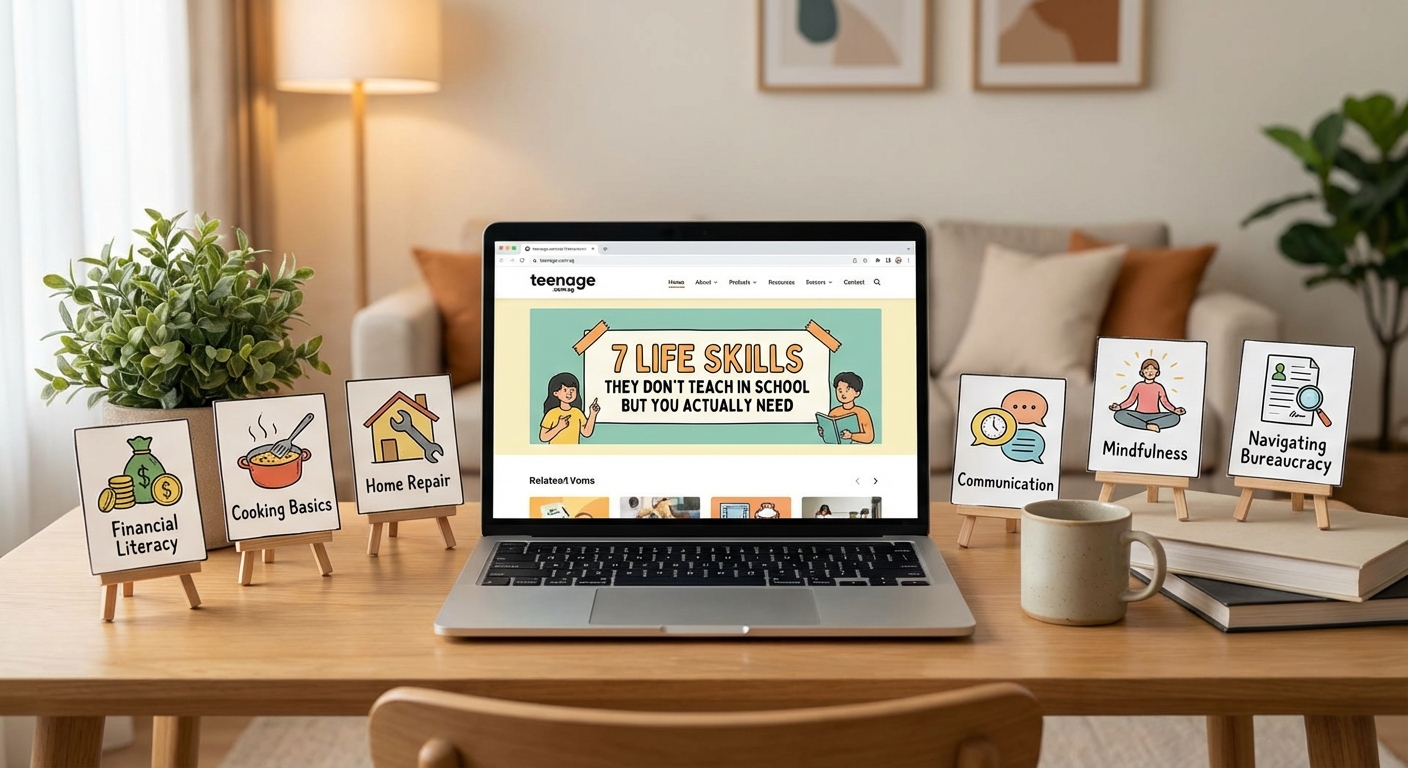
Ramen gets old fast. Learning to cook basic meals saves money and keeps you healthier than constant takeout.
Master these five foundation recipes: scrambled eggs, stir-fry, pasta with sauce, roasted vegetables, and rice. Each takes under 20 minutes and costs less than $5 per serving.
Meal prep doesn’t mean spending your entire Sunday cooking. Make a big batch of something on Monday. Eat it three times that week. Done.
Buy versatile ingredients. Chicken, rice, eggs, frozen vegetables, and olive oil can become dozens of different meals. Stop buying single-use items you’ll never finish.
Season your food. Salt, pepper, garlic powder, and soy sauce transform bland ingredients into something you’ll actually want to eat.
Learn knife safety before you need stitches. Keep your fingers curled when chopping. Use a cutting board that doesn’t slip.
“The biggest cooking mistake young adults make is thinking every meal needs to be Instagram-worthy. Focus on edible first, impressive later.” – Chef Marcus Chen, culinary educator
Building a professional network before you need one
Networking feels fake until you need a job reference or career advice. Then it becomes essential.
Start with people you already know. Former teachers, family friends, classmates who graduated ahead of you. These connections matter more than strangers at formal events.
Reach out with specific questions, not vague requests. “Can I ask you three questions about working in marketing?” gets better responses than “Can we grab coffee sometime?”
Follow up after conversations. Send a thank-you message within 24 hours. Mention something specific you discussed so they remember you.
Use LinkedIn like a professional diary. Share articles about your field. Comment on posts from people in your industry. This keeps you visible without being pushy.
Attend industry events even when you feel awkward. Stand near the food table if you need an excuse to look busy. Most people there feel just as uncomfortable as you do.
Help others before asking for favors. Share job postings. Make introductions. Answer questions in online groups. Networking works both ways.
How to network without feeling gross:
- Identify three people in your desired field
- Research their background and recent work
- Send a brief, specific message explaining why you’re reaching out
- Ask one clear question about their career path
- Thank them regardless of their response
- Stay in touch every few months with updates or relevant articles
Emotional intelligence nobody talks about
Recognizing your feelings and managing them matters more than most people admit. School tested your memory, not your ability to handle stress or conflict.
Name your emotions specifically. “I’m frustrated because the project deadline changed” works better than “I’m just stressed.” Precision helps you address the actual problem.
Learn your stress signals. Some people get headaches. Others snap at friends or can’t sleep. Knowing your patterns lets you intervene earlier.
Set boundaries without guilt. Saying no to plans when you need rest isn’t rude. It’s necessary. Your friends will survive without you for one weekend.
Practice active listening. Put your phone away during conversations. Ask follow-up questions. Repeat back what you heard to confirm understanding.
Apologize properly when you mess up. Skip the excuses. Say what you did wrong, acknowledge the impact, and explain what you’ll do differently next time.
Recognize when you need professional help. Therapy isn’t a last resort. It’s maintenance, like going to the dentist. Most colleges offer free counseling services.
Basic home repairs that save you money
Landlords take forever to fix things. Learning simple repairs means you’re not waiting three days for hot water or living with a broken drawer.
| Skill | What You Need | Time Required |
|---|---|---|
| Unclog a drain | Plunger, baking soda, vinegar | 15 minutes |
| Fix a running toilet | Replacement flapper ($5) | 20 minutes |
| Patch small wall holes | Spackle, putty knife | 10 minutes plus drying |
| Reset a circuit breaker | Nothing, just locate your panel | 2 minutes |
| Replace light bulbs safely | Correct wattage bulb, step stool | 5 minutes |
| Tighten loose screws | Screwdriver set | 5 minutes |
YouTube has tutorials for almost everything. Watch three different videos before attempting any repair. Different teachers explain things differently.
Keep a basic toolkit. Screwdriver set, hammer, pliers, measuring tape, duct tape, and WD-40 handle most common issues.
Know when to stop. If you’re dealing with gas, major electrical work, or structural damage, call a professional. Some mistakes cost more to fix than the original problem.
Take photos before disassembling anything. You’ll forget how it went together. Your camera roll becomes your instruction manual.
Negotiation tactics for salary and beyond
Everything is negotiable. Your starting salary, your rent, your phone bill, even medical bills. Most people never ask because they assume the first number is final.
Research before any negotiation. Know the market rate for your position or apartment. Websites like Glassdoor and Zillow provide real data.
Let the other person name a number first. This sets the range. If they start higher than you expected, you just saved yourself from underselling.
Use silence as a tool. After stating your case, stop talking. The awkward pause makes the other person want to fill the space, often with a better offer.
Frame requests around value. Don’t say “I need more money.” Say “Based on my skills in X and Y, and the market rate for this role, I’m looking for $Z.”
Practice out loud before important negotiations. Talk to your mirror. Record yourself. Hearing your own voice reveals weak spots in your argument.
Get everything in writing. Verbal agreements mean nothing if the other person conveniently forgets later. Email confirmations protect you.
Common negotiation mistakes to avoid:
- Accepting the first offer without countering
- Apologizing for asking for what you’re worth
- Negotiating when you’re emotional or desperate
- Failing to prepare specific numbers and reasons
- Forgetting to negotiate benefits beyond salary
Digital privacy and online reputation management
Your online presence follows you. That drunk photo from freshman year, that angry tweet, that embarrassing comment. Future employers will find it.
Google yourself monthly. See what comes up. Request removal of anything problematic through the website’s reporting system.
Adjust privacy settings on all social media. Make your personal accounts private. Create a separate professional account for career-related content.
Think before posting. Would you want your grandmother or future boss seeing this? If not, don’t share it. Screenshots last forever.
Use different passwords for different accounts. A password manager like Bitwarden or 1Password stores them securely so you don’t need to remember everything.
Enable two-factor authentication everywhere it’s offered. This adds a second verification step that stops most hackers.
Be careful what you share about others. Posting photos or information about friends without permission damages relationships and could have legal consequences.
Review app permissions regularly. That game doesn’t need access to your contacts. That photo editor doesn’t need your location.
Building routines that actually stick
Habits form the structure of adult life. Morning routines that work make everything else easier.
Start smaller than you think necessary. Want to exercise daily? Begin with five minutes. Want to read more? Start with one page. Tiny habits compound over time.
Stack new habits onto existing ones. After you brush your teeth, do your skincare. After you make coffee, review your calendar. The established habit triggers the new one.
Track your progress visually. Put an X on a calendar for each day you complete your habit. The chain of X’s motivates you to keep going.
Prepare the night before. Lay out workout clothes. Pack your lunch. Set up your coffee maker. Remove friction from morning decisions.
Forgive yourself for missing days. One skipped workout doesn’t ruin your progress. Two weeks of skipped workouts might. Get back on track immediately.
Adjust routines seasonally. What works in summer might not work in winter. Flexibility prevents abandoning good habits entirely.
Navigating difficult conversations without drama
Conflict happens. Roommate issues, relationship problems, work disagreements. Avoiding tough talks makes everything worse.
Choose the right time and place. Don’t ambush someone when they’re stressed or in public. Ask when they’re available to talk seriously.
Use “I” statements instead of accusations. “I feel disrespected when dishes pile up” lands better than “You’re a slob.”
Focus on specific behaviors, not character attacks. “You interrupted me three times in that meeting” is actionable. “You’re rude” just starts a fight.
Listen to understand, not to win. Your goal is resolution, not proving you’re right. Sometimes being right matters less than maintaining the relationship.
Propose solutions, don’t just complain. “Could we create a cleaning schedule?” moves things forward. Venting without suggestions keeps you stuck.
Know when to walk away temporarily. If emotions run too high, pause the conversation. Come back when both people can think clearly.
Skills that compound over time
These abilities might feel awkward at first. You’ll mess up negotiations. You’ll burn dinner. You’ll say the wrong thing in a networking conversation.
That’s normal. Nobody starts as an expert.
The difference between people who thrive after graduation and those who struggle isn’t intelligence or luck. It’s willingness to learn life skills they don’t teach in school through practice and mistakes.
Start with one area. Pick the skill that would improve your life most right now. Spend this week practicing just that one thing.
Next month, add another. Within a year, you’ll handle situations that currently stress you out. You’ll make better decisions with money, food, relationships, and your career.
These aren’t optional extras. They’re the foundation of adult life. School gave you knowledge. Now give yourself the practical skills to actually use it.














Post Comment