Why Are We All Obsessed With Rewatching The Same Shows?

You’re three episodes into that new thriller everyone’s raving about, but somehow you find yourself back on The Office for the fifth time this year. You’re not alone. Millions of us keep returning to the same shows, even when we know every punchline, every plot twist, every single scene by heart. It feels weird to admit, but there’s something deeply satisfying about rewatching content we already know inside out.
We rewatch familiar shows because they provide psychological comfort, reduce decision fatigue, and offer predictable emotional rewards. Our brains crave the safety of known narratives during stressful times, making rewatches a form of self-care. Understanding why we rewatch the same shows helps us recognize our emotional needs and viewing patterns without judgment.
Your brain actually craves familiarity
Our minds are wired to seek patterns and predictability. When you rewatch a show, your brain doesn’t have to work as hard processing new information. There’s no anxiety about what happens next. No fear that your favorite character will die unexpectedly.
This mental ease matters more than you might think. After a long day of making decisions at work or school, choosing something familiar feels like slipping into your favorite hoodie. Your brain gets to rest while still being entertained.
Research shows that familiar content activates the reward centers in our brain without triggering stress responses. You get all the dopamine hits from funny moments or emotional scenes, but none of the cortisol spikes that come with uncertainty.
The predictability factor becomes even more powerful during turbulent life periods. Moving to a new city, starting a new job, or dealing with a breakup can make everything feel unstable. Rewatching Friends or Parks and Recreation creates an anchor point of consistency.
Comfort viewing is real self-care
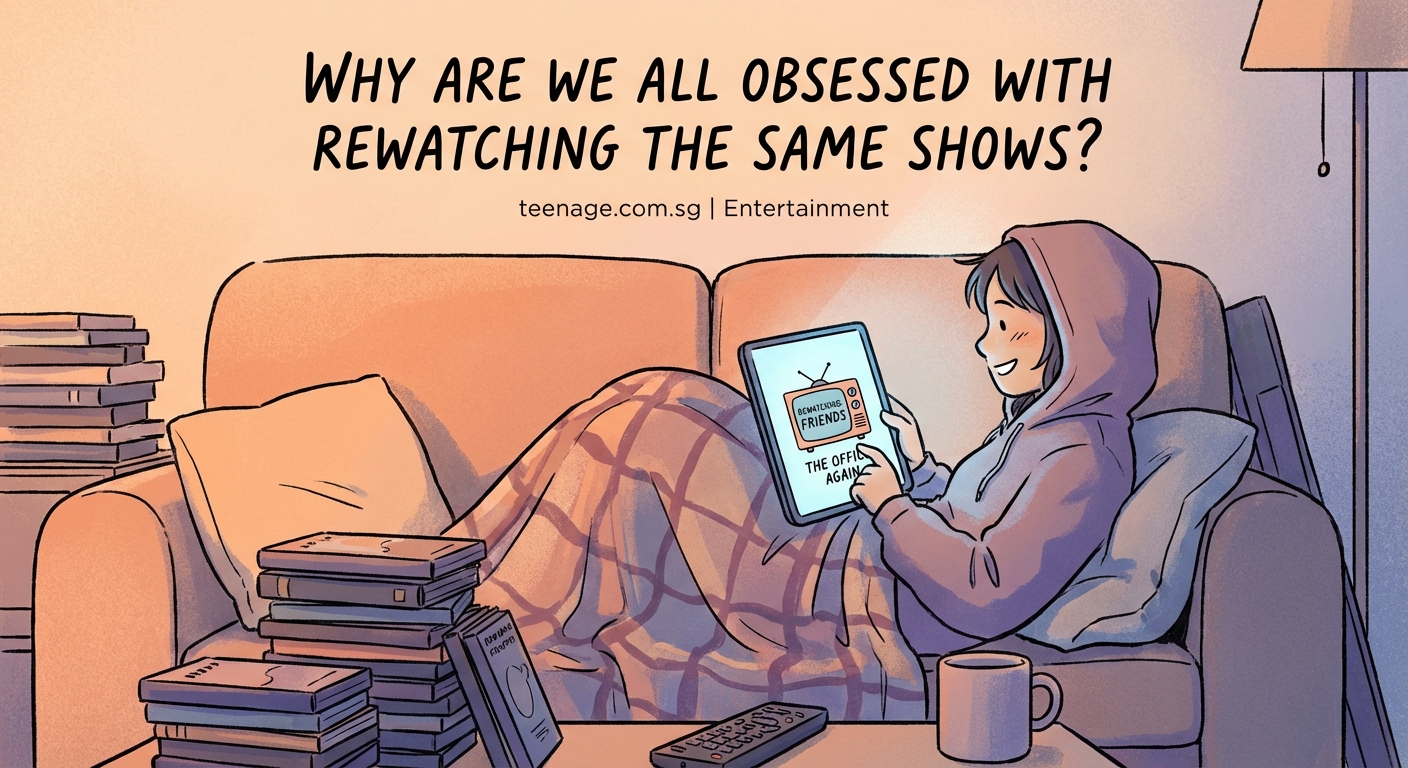
Think about the shows you rewatch most often. They probably fall into a few categories: sitcoms with happy endings, cozy mysteries where justice always wins, or dramas where you already know the characters survive.
These aren’t random choices. You’re selecting content that makes you feel safe.
Comfort shows act like emotional security blankets. They’re there when you’re sick, heartbroken, anxious, or just exhausted. The characters feel like old friends because, in a way, they are. You’ve spent hours with them across multiple rewatches.
“Rewatching familiar content is a form of emotional regulation. We return to shows that made us feel good before, trusting they’ll provide the same comfort again. It’s not laziness or lack of imagination. It’s self-preservation.” (Dr. Pamela Rutledge, Media Psychology Research Center)
This explains why certain shows dominate rewatch culture. The Office, Friends, Gilmore Girls, and similar series offer low-stakes conflicts with guaranteed resolutions. Nobody’s life falls apart permanently. Problems get solved within 22 minutes.
When real life feels overwhelming, that predictability becomes medicine. If you’re struggling with balancing school, social life, and self-care, putting on a familiar show might be exactly what you need.
Decision fatigue makes new content exhausting
Streaming services offer thousands of options. That sounds great until you’re staring at Netflix for 20 minutes, unable to choose anything.
This paralysis is real. Every new show requires research, commitment, and mental energy. You need to:
- Read multiple descriptions and reviews
- Check the episode count and time investment
- Assess whether the genre matches your current mood
- Risk wasting hours on something you might hate
- Learn new characters, settings, and storylines
- Stay focused enough to follow unfamiliar plots
Compare that to rewatching something you already love. Zero research needed. Zero risk of disappointment. Zero cognitive load.
You already know which episodes make you laugh until you cry. You know which scenes to skip if you’re not in the mood for secondhand embarrassment. You can even have it playing in the background while doing other tasks because you don’t need to pay full attention.
For busy students juggling classes, assignments, and social lives, this efficiency matters. When you only have 30 minutes before bed, starting a new series feels like homework. Rewatching feels like rest.
Nostalgia hits different these days
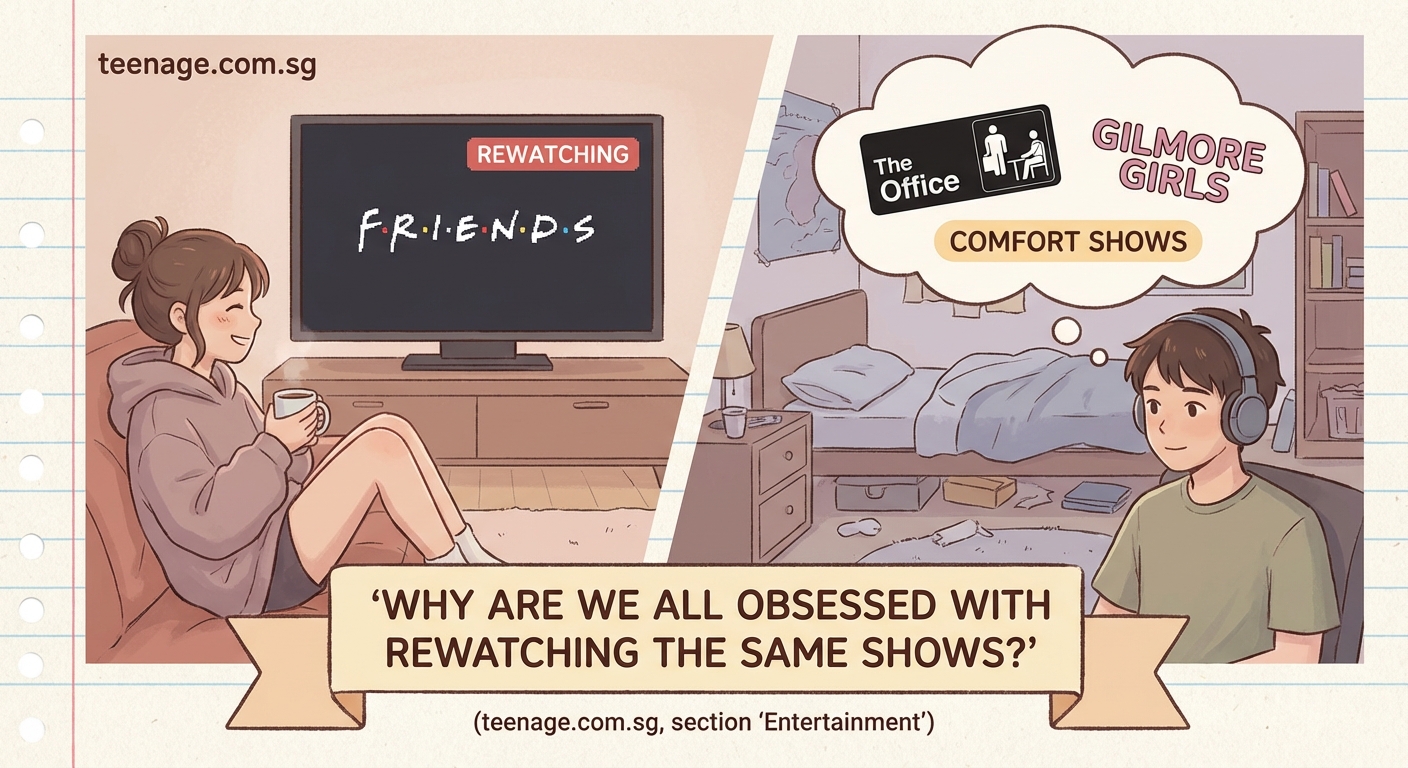
Shows you first watched during specific life periods carry emotional weight beyond their actual content. That sitcom you binged during freshman year of college now reminds you of late-night study sessions and weekend hangouts with roommates.
Rewatching becomes time travel. You’re not just watching the show. You’re reconnecting with who you were when you first saw it.
This nostalgia effect intensifies as you get older. A show from five years ago can transport you back to a simpler time before certain responsibilities or worries existed. The characters haven’t aged. The problems stay the same. Everything feels frozen in that moment.
Younger viewers often rewatch shows from childhood or teenage years, seeking comfort in media that shaped their early identity. If everyone’s talking about a new K-drama, you might still find yourself returning to the first K-drama you ever loved instead.
Social rewatching creates shared experiences
Rewatching isn’t always a solo activity. Many people rewatch shows with partners, roommates, or family members who haven’t seen them before.
Introducing someone to your favorite show creates a unique bonding experience. You get to relive the story through fresh eyes while enjoying their reactions to moments you know are coming. It’s like being in on a secret.
This social aspect explains why certain shows maintain cultural relevance years after ending. People keep introducing them to new viewers, creating continuous cycles of rewatching across friend groups and relationships.
Group rewatches also happen online. Streaming services have made it easy to sync up viewing parties remotely. You might rewatch The Good Place for the third time just because your online friends are doing a watch-along.
The meme culture around popular shows reinforces this cycle. When you see references to The Office or Brooklyn Nine-Nine daily on social media, it keeps those shows top of mind, making you more likely to rewatch them.
Different moods call for different rewatches
Most people who rewatch shows have a mental catalog organized by emotional need rather than genre.
Feeling anxious? Time for a low-stakes sitcom. Feeling lonely? Put on a show with strong friendships. Feeling unmotivated? Watch characters overcome challenges. Feeling heartbroken? Maybe that romantic drama where everything works out.
| Mood | Common Rewatch Choice | Why It Works |
|---|---|---|
| Stressed or anxious | Sitcoms like The Office or Parks and Rec | Predictable humor reduces cortisol |
| Lonely or isolated | Ensemble shows like Friends or How I Met Your Mother | Parasocial relationships provide companionship |
| Sad or grieving | Comfort dramas with happy endings | Emotional catharsis in safe context |
| Bored or restless | Action or mystery shows you’ve seen | Engagement without mental effort |
| Nostalgic | Shows from your teenage years | Connection to past self and simpler times |
This emotional matching happens mostly unconsciously. You don’t sit down and think “I need a show that addresses my specific anxiety about upcoming exams.” You just know that putting on a certain series makes you feel better.
Understanding this pattern helps you use rewatching intentionally rather than feeling guilty about it. If you’re dealing with exam stress, choosing a comfort show isn’t procrastination. It’s strategic stress management.
Background noise that doesn’t demand attention
Not every rewatch involves actively watching the screen. Many people use familiar shows as background noise while cooking, cleaning, studying, or scrolling through their phones.
This works specifically because you already know the content. You can tune in and out without missing anything important. If something funny happens, you catch it. If you miss a scene, no problem.
New shows don’t work for this purpose. You need to pay attention or you’ll lose the plot. But The Office episode you’ve seen eight times? Perfect background ambiance.
Students especially use this technique while doing homework or projects. The familiar voices and occasional laughs make working feel less isolating without creating the distraction of actual new content.
Some people even use rewatches as sleep aids. Falling asleep to a show you know well means you’re not tempted to stay awake to see what happens next. Your brain can relax into sleep while the familiar sounds play.
Rewatching reveals new details
Here’s something interesting that happens after multiple viewings. You start noticing things you missed before.
Background jokes in sitcoms. Foreshadowing you didn’t catch the first time. Character development that makes more sense knowing where the story goes. Visual details in set design or costumes that carry meaning.
This treasure hunt aspect keeps rewatching fresh even when you know the main plot. Each viewing can offer a slightly different experience based on what you focus on.
Shows with complex narratives or rich world-building reward this kind of attention. Mystery series especially benefit from rewatching because you can spot clues you missed when you didn’t know whodunit.
Some viewers intentionally rewatch shows to analyze them more deeply. They notice cinematography choices, musical scoring decisions, or acting nuances that flew by during an initial viewing focused on plot.
This analytical rewatching transforms passive consumption into active engagement. You’re not just watching the same thing again. You’re studying it, appreciating the craft behind it.
Common rewatch mistakes to avoid
While rewatching offers many benefits, some patterns can become problematic:
- Using rewatches to avoid trying anything new ever: If you haven’t watched a single new show in years, you might be using comfort viewing to avoid growth or challenge.
- Rewatching as procrastination: Choosing your comfort show instead of doing necessary tasks repeatedly can signal avoidance behavior.
- Feeling guilty about rewatching: Shame around this habit creates unnecessary stress. Rewatching is normal and healthy in moderation.
- Comparing new shows unfavorably to favorites: Expecting every new series to match your top comfort show sets unrealistic standards.
- Ignoring why you need comfort: If you’re constantly rewatching to cope with stress, addressing the underlying stress matters more.
The goal isn’t to stop rewatching. It’s to maintain balance and self-awareness about why you’re doing it.
Finding your personal rewatch rotation
Most frequent rewatchers develop a core rotation of three to five shows they cycle through repeatedly. These become their comfort library, ready for any emotional need.
Building this rotation intentionally can enhance its effectiveness:
- Choose shows with different tones: Have options for different moods rather than five similar sitcoms.
- Include varied episode lengths: Sometimes you want a 20-minute episode, sometimes an hour-long drama.
- Pick series with good rewatch value: Shows with episodic structures work better than heavily serialized plots that lose impact when you know the twists.
- Consider your attention needs: Some shows work for background viewing, others require focus even on rewatches.
- Update your rotation occasionally: What comforts you at 20 might not work at 30. Allow your tastes to evolve.
Your rotation might look completely different from someone else’s, and that’s fine. The point is having reliable options that serve your specific needs.
If you’re also interested in what streaming service is worth your money, consider which platforms host your rewatch favorites. That matters more than having access to every new release.
The psychology of parasocial relationships
One underrated aspect of rewatching involves the relationships you build with fictional characters. These parasocial connections feel real to your brain even though they’re one-sided.
When you spend dozens of hours with characters across multiple rewatches, they become familiar presences in your life. You know their quirks, their voices, their typical responses to situations.
This familiarity provides companionship, especially during periods of loneliness or social isolation. Putting on your comfort show can feel like hanging out with friends, even though you’re technically alone.
These relationships don’t replace real friendships, but they supplement them. They’re available 24/7, never cancel plans, and always provide the same reliable interaction.
For people going through transitions like moving away from home, starting college, or working remotely, parasocial relationships with TV characters can ease the adjustment. The characters provide continuity when everything else feels new and uncertain.
When rewatching becomes avoidance
While rewatching offers legitimate benefits, it can occasionally signal deeper issues. If you find yourself unable to watch anything new for months, constantly choosing rewatches over social activities, or using TV to avoid processing difficult emotions, it might be worth examining why.
Comfort viewing as occasional self-care is healthy. Comfort viewing as constant escape might indicate anxiety, depression, or other mental health concerns worth addressing.
Signs that rewatching has become problematic:
- You feel anxious or upset when you can’t watch your comfort shows
- You’re rewatching instead of sleeping, eating, or maintaining basic self-care
- You’ve stopped engaging with hobbies or friends to rewatch shows
- You’re using rewatches to avoid thinking about serious problems
- You feel worse after watching rather than better
If any of these resonate, talking to someone about what’s driving the behavior matters more than the rewatching itself. The shows aren’t the problem. They’re just the coping mechanism.
Resources for managing your mental health can help if you suspect your viewing habits reflect larger struggles.
Embracing your rewatch habits without shame
The most important takeaway is this: rewatching shows is normal, common, and often beneficial. You don’t need to justify it or feel embarrassed about it.
Pop culture often treats rewatching as lazy or unimaginative, but that’s nonsense. Your viewing choices don’t determine your worth or creativity. Sometimes your brain needs the comfort of familiarity, and that’s completely valid.
Different people have different relationships with media. Some folks love constantly trying new content. Others prefer deep engagement with a smaller selection. Neither approach is superior.
If someone judges you for watching The Office for the tenth time, that’s their issue, not yours. You know what you need emotionally, and you’re meeting that need in a harmless way.
The streaming era has made rewatching easier and more visible than ever. Services track your viewing and recommend based on what you’ve already watched. They know rewatching is how many people actually use their platforms.
Your comfort shows are doing their job
At the end of the day, if a show makes you feel better, calmer, happier, or more relaxed, it’s serving its purpose. Entertainment doesn’t always need to be novel or challenging. Sometimes it just needs to be comforting.
Your favorite rewatch isn’t a guilty pleasure. It’s a reliable source of joy and stability in an often unpredictable world. That’s valuable.
The next time you queue up that show you’ve seen a dozen times, don’t second-guess yourself. You’re not wasting time or being boring. You’re taking care of your emotional needs in a way that works for you. That’s actually pretty smart.
Whether you’re rewatching to cope with stress, enjoy familiar friends, or just because it makes you happy, you’re part of a massive community doing exactly the same thing. We’re all out here watching the same episodes over and over, finding comfort in predictability, and that’s perfectly okay.














Post Comment