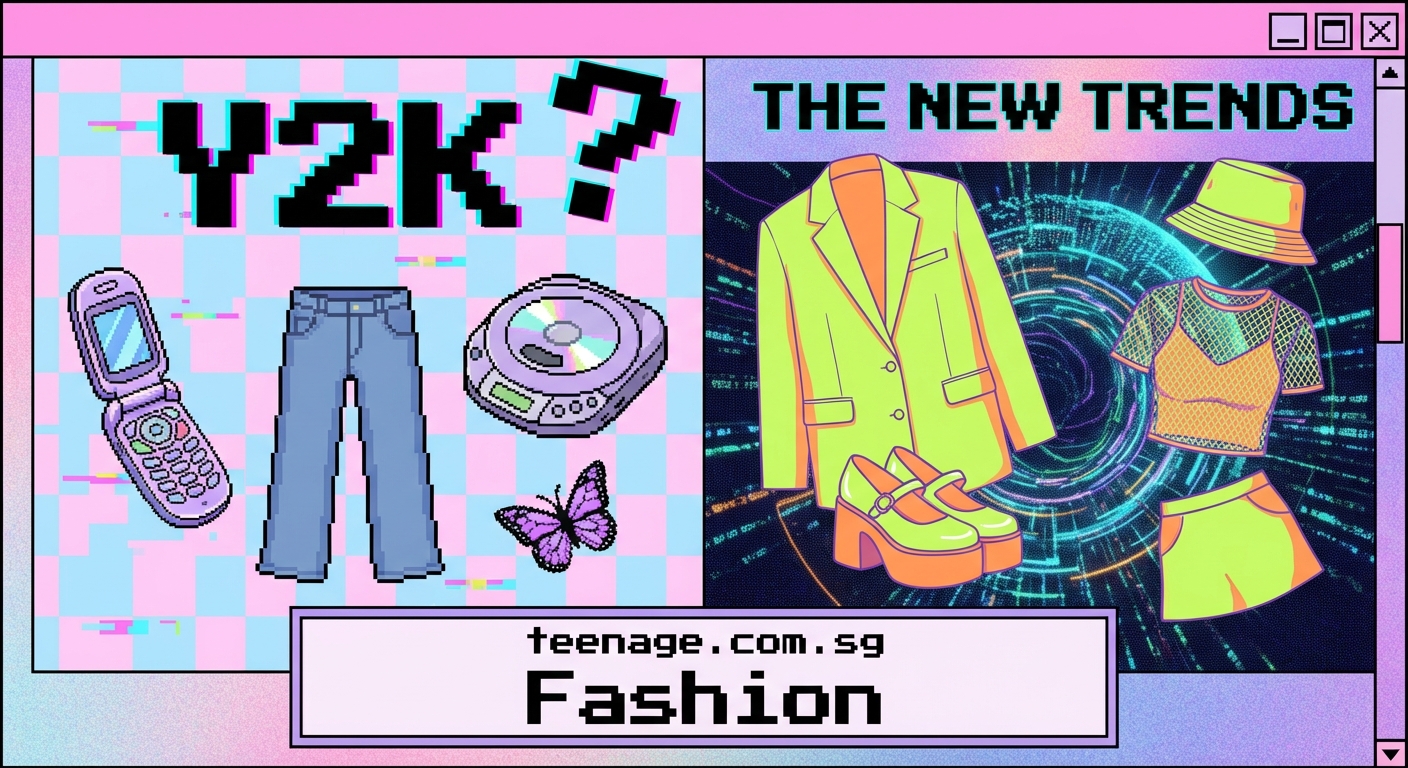
Is Y2K Fashion Really Over? The New Trends Taking Over
You’ve probably noticed something shifting in your feed lately. The butterfly clips and baby tees that flooded TikTok for the past few years are starting to feel… different. Maybe a little tired. Your favorite influencers are swapping their Von Dutch trucker hats for something else entirely, and suddenly everyone’s talking about “quiet luxury” or “mob wife aesthetic” instead of Juicy Couture tracksuits.
Y2K fashion isn’t completely dead, but it’s definitely evolving. The trend peaked around 2021-2022 and is now making room for new aesthetics like quiet luxury, indie sleaze revival, and maximalist “mob wife” looks. Gen Z is moving toward more sustainable, individualized style choices rather than following one dominant trend. The shift reflects a broader cultural move away from rigid aesthetic labels toward mixing vintage eras and personal expression.
What’s actually happening with Y2K fashion right now
Let’s get real about the state of Y2K fashion in 2024 and beyond.
The trend absolutely exploded around 2020. Low-rise jeans came back from the dead. Platforms returned to shoe racks everywhere. Everyone suddenly owned at least one pair of tiny sunglasses that looked ridiculous but felt right.
But fashion moves fast, especially when social media speeds up the trend cycle.
Here’s what the data shows. Google search interest for “Y2K fashion” peaked in late 2021 and early 2022. Since then, searches have dropped by roughly 40%. That doesn’t mean the aesthetic vanished overnight, but it does signal that people are looking for something new.
Major retailers are also shifting their inventory. Stores that went all-in on butterfly tops and velour tracksuits are now stocking different silhouettes. The fashion industry always follows consumer behavior, and right now, consumers are tired of looking like they raided Britney Spears’ 2003 closet.
The truth is more nuanced than “Y2K is dead.” Some elements are sticking around. Others are getting remixed into new trends. And some pieces are finally, mercifully, going back into storage.
Signs that Y2K fashion is losing its grip
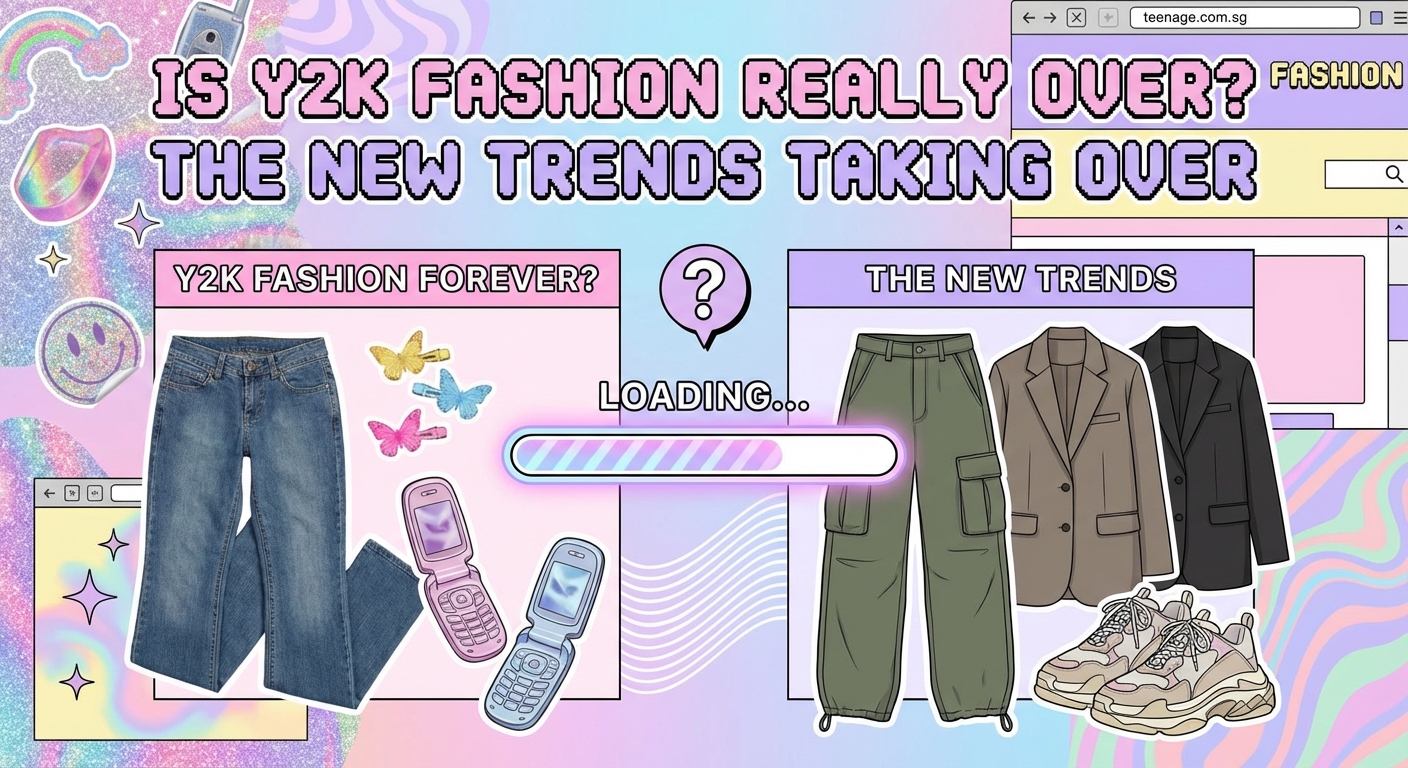
You can spot the decline if you know where to look.
TikTok hashtags tell the story. #Y2Kfashion still gets views, but engagement rates have dropped significantly compared to 2021. Meanwhile, tags like #quietluxury, #oldmoney, and #mobwife are absolutely blowing up.
Thrift stores are another indicator. Workers at vintage shops report that Y2K pieces that used to fly off the racks now sit there longer. The frenzy has cooled.
Celebrity style has shifted too. Bella Hadid, who was basically the poster girl for Y2K revival, has been photographed in completely different aesthetics lately. When trendsetters move on, the masses usually follow within six months.
Fast fashion brands are the ultimate weather vane. Brands like Zara and H&M that flooded their stores with baby tees and low-rise denim are now pivoting hard toward other styles. They wouldn’t make that move unless their sales data told them to.
Social media fatigue plays a role too. When everyone and their roommate is wearing the same aesthetic, it stops feeling special. Gen Z values individuality more than millennials did, and once a trend becomes too mainstream, it loses its appeal.
The new trends actually replacing Y2K
Fashion never leaves a vacuum. When one trend fades, others rush in to fill the space.
Quiet luxury takes center stage
This aesthetic is basically the opposite of Y2K’s loud logos and bright colors.
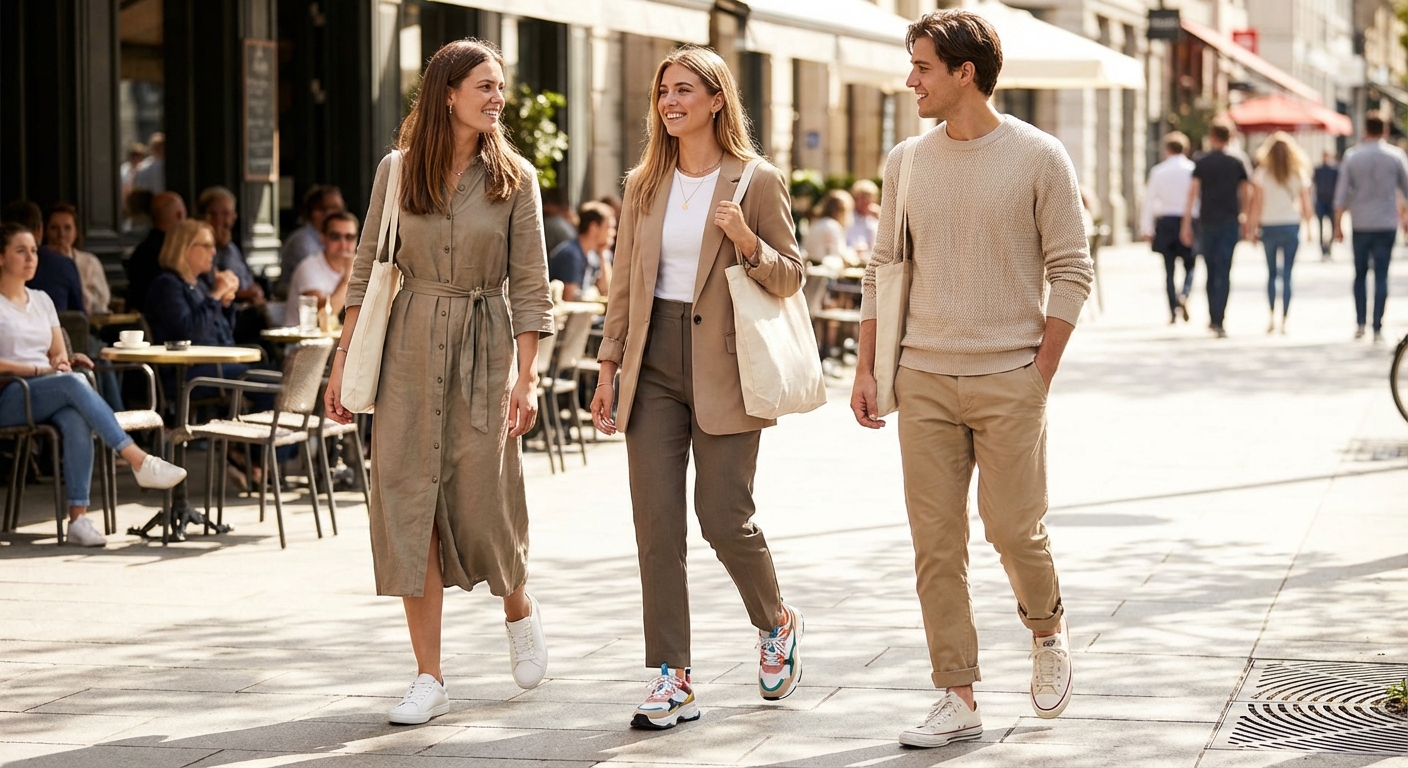
Think neutral tones. Clean lines. Expensive-looking fabrics that don’t scream for attention. The goal is to look wealthy without trying, which is ironically very calculated.
Brands like The Row and Toteme are leading this movement. But you don’t need designer money to participate. The key is investing in how to build a capsule wardrobe on a student budget with quality basics in beige, cream, black, and navy.
Indie sleaze makes a comeback
If you weren’t around for the original indie sleaze era (roughly 2006-2012), imagine this: messy eyeliner, skinny scarves, American Apparel disco pants, and a general “I woke up like this but also I’m cooler than you” vibe.
This aesthetic is grungier than Y2K. Less polished. More about looking like you just left a basement concert at 3 AM.
Brands like Urban Outfitters are already stocking pieces that fit this mood. Expect to see more leather jackets, band tees, and deliberately undone hair.
Maximalist “mob wife” energy
This trend went viral in early 2024 and shows no signs of slowing down.
Think big fur coats (faux, obviously). Oversized sunglasses. Gold jewelry that makes a statement. Leather gloves. The energy of someone who has money and wants you to know it, but in a more dramatic way than quiet luxury.
It’s basically what would happen if a 1980s soap opera character and a modern fashion influencer had a baby.
Sustainable and secondhand styling
Gen Z cares about climate change more than any previous generation. That concern is showing up in fashion choices.
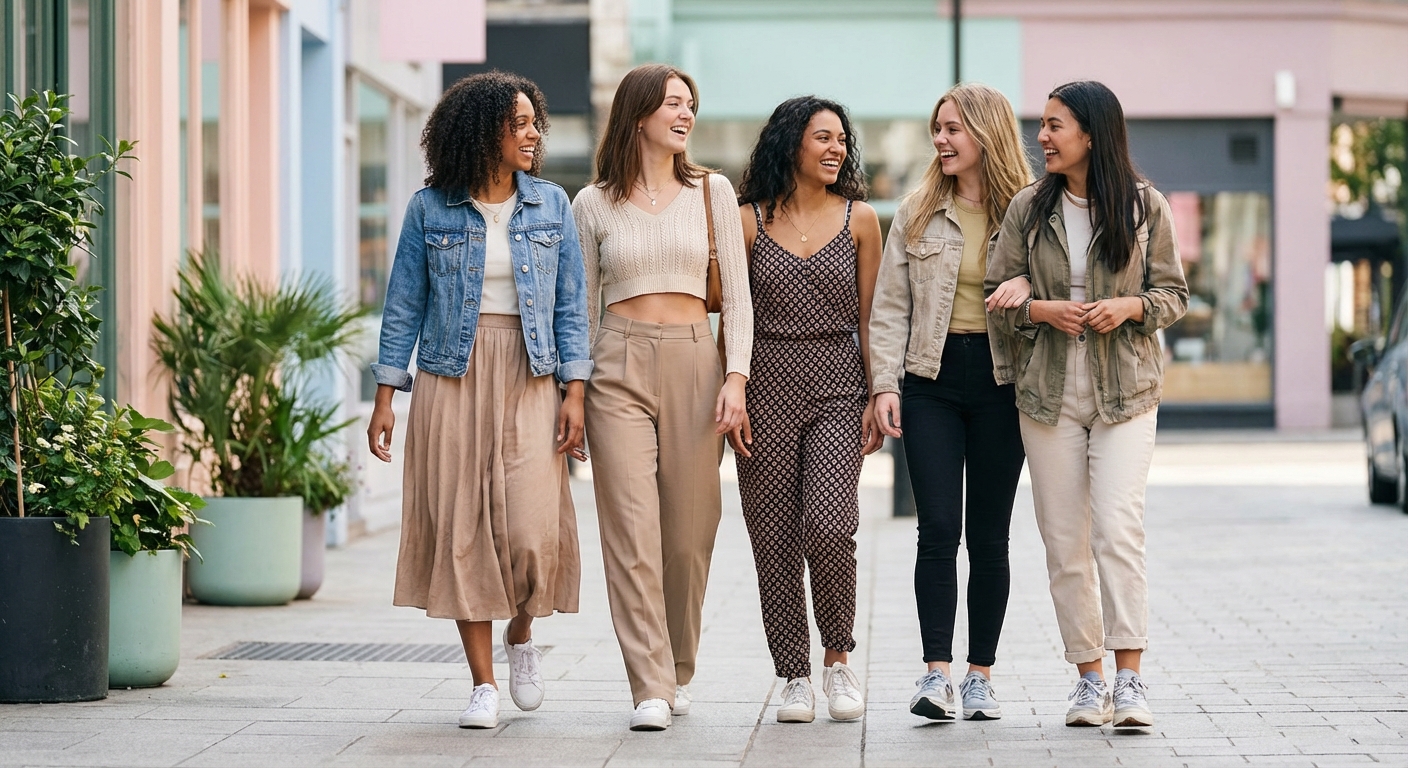
Rather than following one specific trend, more people are mixing vintage pieces from different eras. Someone might pair 1990s straight-leg jeans with a 1970s blouse and modern sneakers.
This approach is more personal. More environmentally conscious. And honestly, more interesting than everyone wearing the same TikTok uniform.
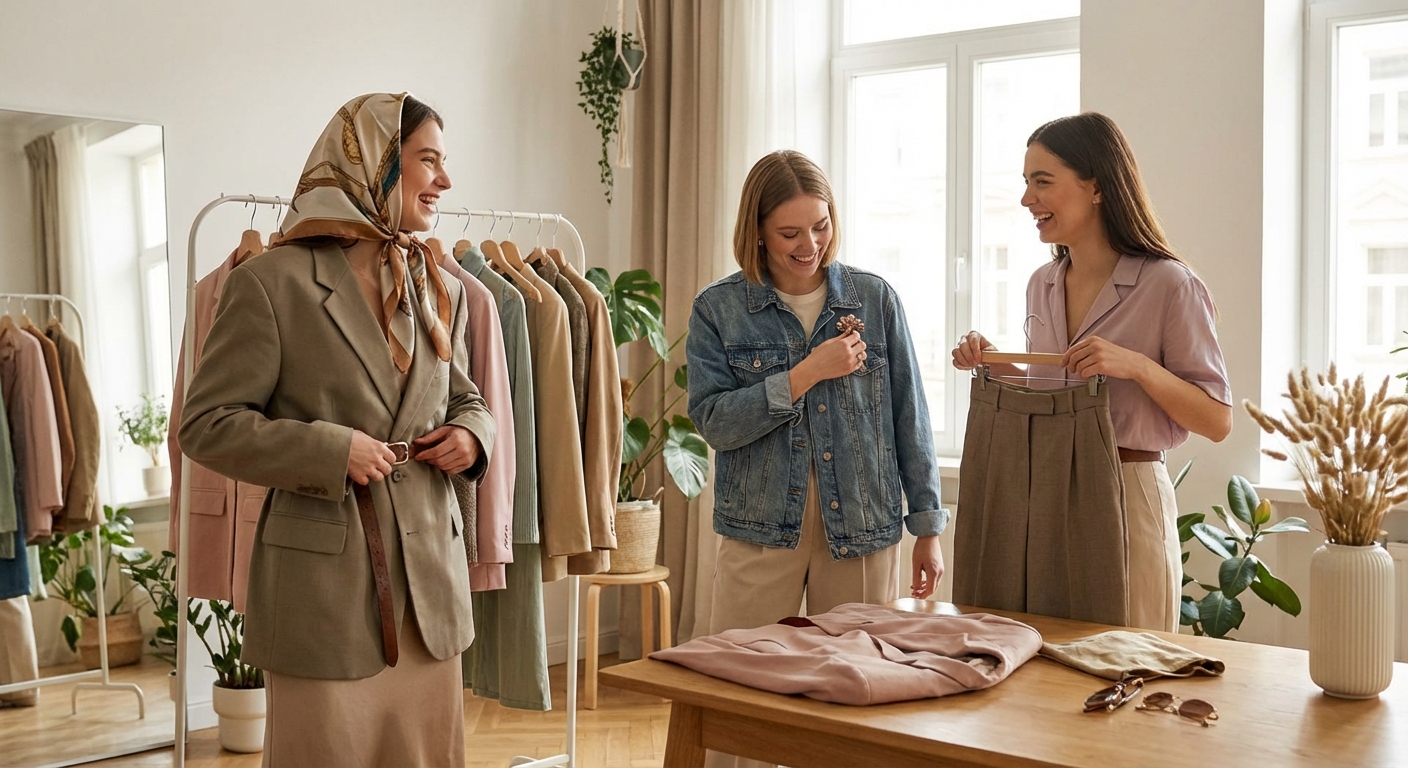
Thrift shopping isn’t just trendy anymore. It’s becoming the default for a growing number of young people. 7 styling hacks that make thrifted clothes look expensive can help you nail this approach.
How to transition your wardrobe without starting over
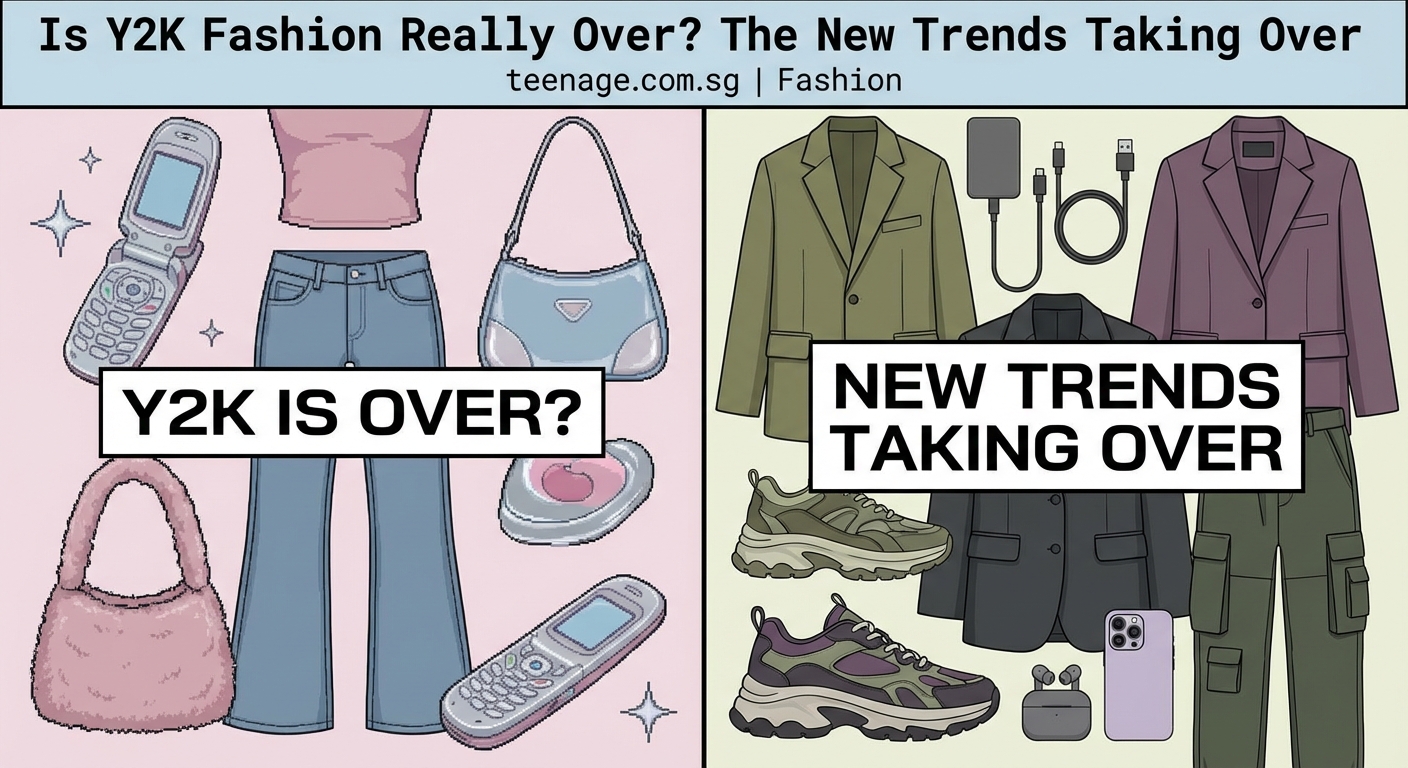
You don’t need to throw out your entire closet just because trends are shifting.
Here’s a practical approach to updating your style:
-
Keep the versatile Y2K pieces. Straight-leg jeans, simple tank tops, and platform shoes can work with multiple aesthetics. Ditch the hyper-specific items like tiny butterfly clips or ultra-low-rise jeans that only work with one look.
-
Add neutral basics. A good beige blazer, black trousers, or cream sweater can instantly make your outfits feel more current. These pieces work as foundations for almost any trend.
-
Mix old and new. Pair your Y2K mini skirt with a quiet luxury knit. Wear your platform boots with straight-leg jeans instead of low-rise. Mixing eras is literally the trend right now.
-
Invest in accessories. A leather bag, gold hoops, or a structured belt can completely change the vibe of an outfit without requiring new clothes. Accessories are the fastest way to update your look.
-
Follow your actual style. This matters more than following trends. If you genuinely love Y2K fashion, keep wearing it. Personal style always beats trend-chasing.
The goal isn’t to abandon everything you own. It’s to evolve your wardrobe in a way that feels authentic to you while staying somewhat current.
Why fashion cycles are speeding up (and what that means for you)
Understanding why trends die faster now helps you make smarter fashion choices.
Social media compressed the trend cycle. What used to take five years now happens in 18 months. TikTok especially accelerates this process because trends can go viral, peak, and become “cringe” within months.
Here’s how the old cycle worked versus the new one:
| Traditional Fashion Cycle | Social Media Fashion Cycle |
|---|---|
| Trend emerges on runways | Trend starts on TikTok or Instagram |
| Takes 1-2 years to reach mainstream | Goes viral in weeks |
| Stays popular for 3-5 years | Peaks in 6-12 months |
| Gradually fades over years | Dies suddenly when declared “over” |
| New trend slowly emerges | Multiple micro-trends compete immediately |
This speed creates problems. Fast fashion brands pump out trend pieces that people wear for a season and toss. That’s terrible for the environment and your wallet.
The smarter approach is building a wardrobe with staying power. Focus on quality over quantity. Choose pieces that work across multiple trends. And stop buying something just because it’s viral right now.
“The best style is the one that makes you feel confident and doesn’t require constant shopping to maintain. Trends will always come and go, but personal style is forever.” – Fashion stylist advice that actually matters
What celebrities and influencers are wearing instead
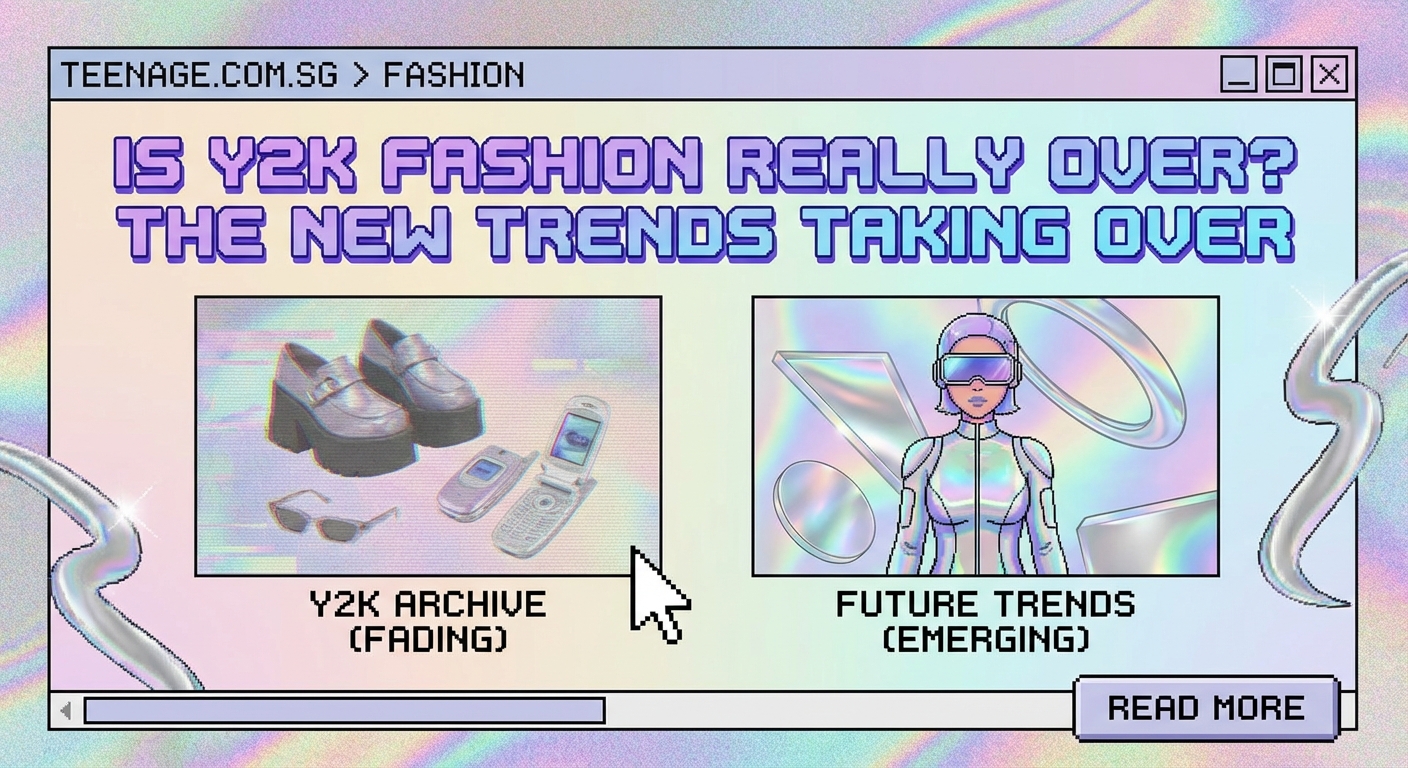
Celebrity fashion often predicts where trends are heading.
Hailey Bieber has basically become the face of quiet luxury. Her entire aesthetic is “expensive but understated.” She’s wearing oversized blazers, minimal jewelry, and neutral colors that photograph beautifully.
Dua Lipa is leaning into maximalist, retro-futuristic looks that pull from multiple decades. One day she’s in 1960s mod, the next she’s channeling 1980s power dressing. This mix-and-match approach is becoming more common.
Timothée Chalamet’s style has influenced menswear toward more experimental, boundary-pushing looks. He’ll wear a harness one day and a perfectly tailored suit the next. Gender-fluid fashion is gaining serious traction.
Even influencers who built their entire brands on Y2K are pivoting. They’re not abandoning the aesthetic completely, but they’re incorporating other elements. Their content now features “how to transition from Y2K to [insert new trend]” rather than pure Y2K styling.
What your favorite celebrities are wearing this season breaks down current celebrity fashion in more detail if you want specific outfit inspiration.
The pieces you should definitely keep from Y2K
Not everything from the Y2K revival deserves to be retired.
Some items have staying power:
- Straight-leg and wide-leg jeans. These silhouettes work with multiple aesthetics and are way more flattering than the super-low-rise styles.
- Platform shoes. Height never goes out of style, and platforms are more comfortable than stilettos. Just maybe retire the extremely chunky ones.
- Simple slip dresses. A basic satin slip dress is timeless. Layer it with a turtleneck in winter or wear it alone in summer.
- Minimalist sunglasses. Not the tiny Matrix ones, but simple oval or rectangular frames that actually protect your eyes.
- Mesh tops as layering pieces. Worn under a blazer or over a tank, mesh can still work if styled right.
These pieces transition well into other trends because they’re not overly specific to one aesthetic.
Common mistakes people make during trend transitions
Switching up your style can go wrong if you’re not careful.
Mistake 1: Buying a whole new wardrobe at once. This wastes money and usually results in pieces you don’t actually love. Transition gradually instead.
Mistake 2: Following every micro-trend. You’ll exhaust yourself and your bank account. Pick one or two new aesthetics that genuinely appeal to you.
Mistake 3: Completely abandoning your personal style. If you naturally gravitate toward colorful, playful fashion, forcing yourself into quiet luxury beige will make you miserable.
Mistake 4: Throwing away perfectly good clothes. Donate or sell them instead. Someone else might love what you’re done with, and you’ll reduce waste.
Mistake 5: Ignoring your body type and lifestyle. A trend might look amazing on TikTok but be completely impractical for your actual life. 10 outfit formulas that work for every body type can help you find what actually works for you.
The transition period is when people make impulse purchases they regret. Take your time. Be intentional.
How to develop personal style that survives trend cycles
The real goal isn’t to perfectly nail every trend. It’s to build a style that feels authentically you.
Start by identifying what you actually like, not what’s popular. Go through your closet and pull out the five items you wear most often. What do they have in common? That’s your starting point.
Create a mood board. Use Pinterest or save Instagram posts that resonate with you. After collecting 50-100 images, patterns will emerge. Maybe you’re drawn to specific colors, silhouettes, or vibes.
Experiment with small changes. Try a new accessory or different way of styling something you already own. See how it feels before committing to bigger purchases.
Find style inspiration beyond social media. Movies, art, music, and real people on the street often provide better inspiration than influencers who are literally paid to sell you things.
Build a uniform. Many stylish people wear variations of the same outfit formula daily. Steve Jobs had his black turtleneck. You might have your perfect jeans, white tee, and blazer combo. There’s freedom in having a go-to look.
Remember that confidence matters more than trends. Someone wearing an “outdated” trend with confidence looks better than someone uncomfortably squeezed into the latest viral aesthetic.
Shopping strategies for the post-Y2K era
Smart shopping habits matter more than ever when trends move this fast.
Here’s your action plan:
- Wait 30 days before buying trend pieces. If you still want it after a month, it’s probably worth getting. This rule prevents impulse purchases of items that’ll feel dated in weeks.
- Prioritize quality for basics. Spend more on jeans, coats, and shoes that you’ll wear for years. Save money on trend pieces you might only wear for a season.
- Shop secondhand first. You can find amazing pieces at thrift stores, consignment shops, or apps like Depop and Vinted. Plus it’s better for the planet.
- Learn basic alterations. Hemming pants or taking in a shirt can make thrifted pieces fit perfectly. This skill saves money and expands your options.
- Sell what you’re not wearing. Turn your old Y2K pieces into cash for new purchases. Apps like Poshmark and Mercari make this easy.
The fashion industry wants you to constantly buy new things. Resist that pressure. Buy less, choose better, and make it last.
What comes after these trends
Fashion is cyclical, so we can make some educated guesses about what’s next.
The 2010s are due for a revival. Expect to see elements from that decade creeping back. Maybe not the mustache trend (please no), but other aspects like minimalist Scandinavian style or athleisure evolution.
Technology will influence fashion more. Smart fabrics, LED elements, and tech-integrated clothing are moving from runway experiments to actual retail products.
Gender-fluid fashion will continue growing. The strict divisions between menswear and womenswear are breaking down, especially among Gen Z.
Sustainability will become non-negotiable. As climate change becomes more urgent, consumers will demand better practices from brands. Greenwashing won’t cut it anymore.
Regional and cultural fashion will gain more prominence. Rather than one global trend dominating, we’ll see more celebration of diverse cultural aesthetics and regional styles.
The “no aesthetic” aesthetic might become the next big thing. Basically, people mixing whatever they want without trying to fit into a named category. This is already happening but could become more mainstream.
Building a wardrobe that works now and later
The smartest approach is creating a closet that can adapt to whatever comes next.
Your foundation should be timeless pieces:
- Well-fitting jeans in classic cuts
- Quality basics in neutral colors
- A versatile jacket or blazer
- Comfortable shoes that work for multiple occasions
- Simple accessories that complement various styles
Layer trend pieces on top of that foundation. This way, when trends shift, you’re only updating 20-30% of your wardrobe instead of starting from scratch.
Think of your closet like a house. The foundation and walls stay the same, but you can redecorate with new paint, furniture, and accessories. Your basics are the structure. Trends are the decoration.
This approach saves money, reduces waste, and ensures you always have something to wear regardless of what’s currently viral on TikTok.
Where fashion is heading next
The future of fashion looks different from what we’ve seen before.
Personalization will matter more than following crowds. Technology makes it easier to find exactly what you want rather than settling for what’s trending.
Rental and resale will grow. Why buy something you’ll wear once when you can rent it? Why throw clothes away when you can resell them? These practices will become more normalized.
Local and small brands will gain ground. People are getting tired of everyone wearing the same fast fashion pieces. Supporting independent designers and local makers will become cooler than buying from massive corporations.
Fashion education will improve. More people will learn about garment construction, fabric quality, and ethical production. Informed consumers make better choices.
The relationship between fashion and identity will evolve. Younger generations see clothing as a way to express their authentic selves rather than conform to expectations. This shift will produce more diverse, interesting street style.
Your style, your rules
Fashion trends will always come and go. That’s literally the point.
Y2K had its moment. It brought back some fun elements and reminded everyone that fashion doesn’t have to be serious all the time. But like every trend before it, the cycle is moving on.
The question isn’t whether Y2K fashion is over. It’s whether you’re ready to evolve your style in a way that feels right for you.
Maybe you’ll lean into quiet luxury. Maybe maximalist mob wife energy is more your speed. Maybe you’ll create something entirely your own by mixing elements from different eras.
The best part about this moment in fashion is that there’s room for all of it. You don’t have to pick one aesthetic and stick with it forever. You can experiment, change your mind, and try something completely different next month.
Wear what makes you feel confident. Invest in quality over quantity. Don’t let TikTok tell you what belongs in your closet. And remember that personal style beats trend-following every single time.
Your wardrobe should work for your life, not the other way around.










Post Comment