How to Build a Capsule Wardrobe on a Student Budget
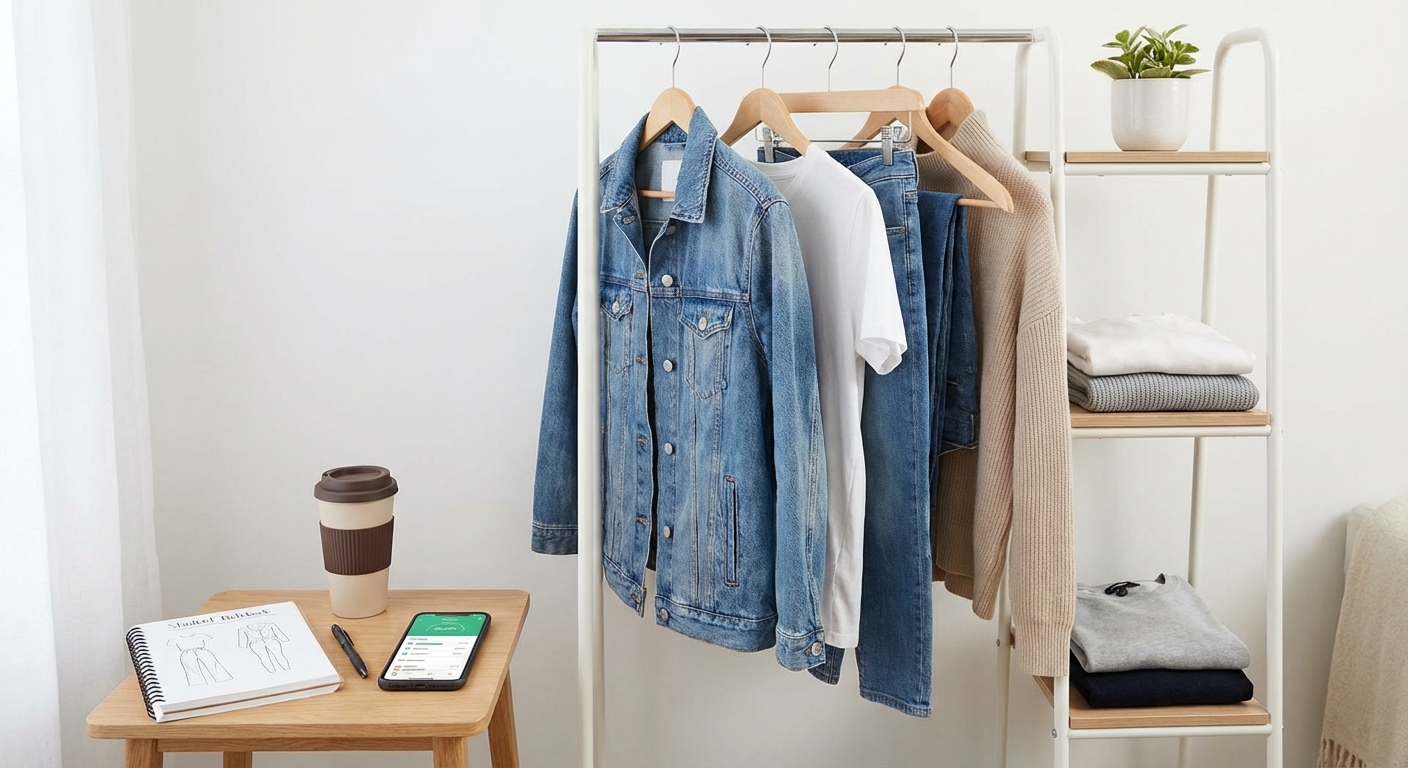
Your closet is overflowing, yet you still feel like you have nothing to wear. Sound familiar? Building a capsule wardrobe might be the solution you’ve been looking for, especially when you’re juggling classes, social life, and a budget that barely covers textbooks and bubble tea runs.
A capsule wardrobe is a curated collection of versatile, mix-and-match pieces that maximize outfit combinations while minimizing clutter and spending. For students, this means investing in 25 to 40 quality basics that work for classes, hangouts, and everything in between. The goal is creating more outfits with fewer clothes, saving both money and morning stress while keeping your style on point.
What makes a capsule wardrobe actually work
A capsule wardrobe isn’t about owning as few clothes as possible or following strict minimalist rules. It’s about being strategic with what you buy and keep.
The concept centers on versatility. Each piece should work with multiple other items in your closet. Think of it like building with blocks. The more compatible pieces you have, the more combinations you can create.
For students, this approach makes even more sense. You’re probably dealing with limited closet space in a dorm room or shared apartment. Your budget is tight. And honestly, who has time to spend 30 minutes every morning trying on different outfits?
The typical capsule wardrobe contains between 25 and 40 pieces, not counting underwear, socks, or workout gear. That might sound like a lot or a little, depending on your current situation. The number matters less than the strategy behind your choices.
Starting with an honest closet audit
Before you buy anything new, you need to know what you already own. Set aside a few hours when you don’t have class or assignments due.
Pull everything out of your closet and drawers. Yes, everything. Lay it all out on your bed or floor.
Create three piles:
- Keep – Items you wear regularly and feel good in
- Maybe – Pieces you’re unsure about
- Remove – Clothes you haven’t worn in six months or that don’t fit
Be ruthless with the remove pile. That shirt you bought on sale but never wore? It’s taking up valuable space. The jeans that don’t fit quite right? They’re just making you feel guilty every time you see them.
For the maybe pile, try everything on. Take photos of yourself wearing each item. Sometimes seeing yourself from an outside perspective helps you decide if something actually works for you.
“The key to a successful capsule wardrobe isn’t buying less, it’s buying better. One well-fitting pair of jeans you’ll wear twice a week beats five cheap pairs that sit in your closet untouched.” – Fashion stylist and sustainability advocate
Once you’ve sorted everything, look at what’s in your keep pile. What colors show up most? What styles do you naturally gravitate toward? This tells you your personal aesthetic, which should guide all future purchases.
Choosing your color palette
Color coordination is what makes a capsule wardrobe functional. When most of your pieces work together colorwise, getting dressed becomes infinitely easier.
Start with neutrals as your foundation. These are the workhorses of your wardrobe:
- Black
- White
- Gray
- Navy
- Beige or tan
Aim for about 60 to 70 percent of your capsule to be neutral pieces. These form the base of most outfits.
Then add two or three accent colors. These should be colors you genuinely like wearing and that complement your skin tone. Maybe that’s olive green and rust orange. Or perhaps burgundy and mustard yellow.
The accent colors make your outfits interesting without requiring you to think too hard about what matches. If your accent colors all work with your neutrals, you’re golden.
Avoid trendy colors that you’ll tire of after one season. That neon green might look cool now, but will you still want to wear it in six months?
Essential pieces every student capsule needs
Here’s where we get practical. These are the foundational items that work for campus life, weekend hangouts, and everything in between.
Tops (8 to 12 pieces):
– 3 basic t-shirts in neutral colors
– 2 long-sleeve shirts or lightweight sweaters
– 1 button-up shirt or blouse
– 1 hoodie or sweatshirt
– 2 to 3 tops in your accent colors
– 1 slightly dressier top for presentations or events
Bottoms (5 to 7 pieces):
– 2 pairs of jeans in different washes
– 1 pair of black pants (jeans or chinos)
– 1 pair of comfortable shorts
– 1 skirt or dress (optional, based on your style)
Outerwear (3 to 4 pieces):
– 1 denim or utility jacket
– 1 waterproof jacket or windbreaker
– 1 warm coat for winter
– 1 blazer or structured jacket (optional)
Shoes (4 to 6 pairs):
– White sneakers
– Black shoes (boots, loafers, or dressier sneakers)
– Sandals or slides
– One pair for exercise
– One dressier pair for formal events
Accessories:
– 1 everyday bag or backpack
– 1 smaller bag for going out
– A few versatile jewelry pieces
– Sunglasses
– Belt (if needed)
This list isn’t rigid. Adjust based on your climate, lifestyle, and personal style. If you live somewhere hot year-round, you’ll need fewer sweaters and more shorts. If you style sneakers for every occasion, you might not need as many dress shoes.
Shopping smart on a student budget
Building a capsule wardrobe doesn’t mean dropping hundreds of dollars at once. In fact, doing it slowly and intentionally usually leads to better results.
Start by identifying the biggest gaps in your current wardrobe. Maybe you have plenty of tops but only one pair of jeans that fit well. Focus your budget there first.
Set a monthly clothing budget and stick to it. Even $30 to $50 a month adds up over time. That’s one or two quality pieces per month.
Where to shop without breaking the bank:
- Thrift stores and secondhand shops
- End-of-season sales at mainstream retailers
- Student discount programs (many brands offer 10 to 20 percent off with a valid student ID)
- Online consignment platforms
- Outlet stores
Quality matters more than quantity in a capsule wardrobe. A $40 pair of jeans that lasts three years is a better investment than four $10 pairs that fall apart after a few washes.
Check fabric content before buying. Natural fibers like cotton, linen, and wool typically last longer and look better over time than synthetic materials. Blends can work well too, especially for items that need stretch.
Try everything on before buying, even if you’re sure of your size. Sizing varies wildly between brands. A shirt that fits perfectly is worth way more than one that’s almost right.
If you’re shopping online, check the return policy before ordering. Free returns give you the flexibility to try things at home and send back what doesn’t work.
The styling hacks that make thrifted clothes look expensive can help you maximize secondhand finds and stretch your budget even further.
Building outfit combinations that actually work
The whole point of a capsule wardrobe is creating multiple outfits from fewer pieces. Here’s how to make that happen.
Use the rule of thirds. Aim for each item to work with at least three other pieces in your wardrobe. If something only goes with one outfit, it’s not pulling its weight.
Create a simple formula for different occasions:
Class or casual:
– Basic tee + jeans + sneakers + jacket
Slightly elevated:
– Button-up + black pants + boots + structured jacket
Weekend hangout:
– Graphic tee + shorts + sandals + denim jacket
Presentation or interview:
– Dressier top + black pants + nice shoes + blazer
Once you have these formulas down, you can swap pieces in and out. Different colored tee, different style of jeans, different jacket. Suddenly you have 20 outfits instead of four.
Take photos of outfit combinations you like. Save them in a folder on your phone. On rushed mornings, you can just reference your photos instead of trying to remember what worked together.
Layer strategically. A basic tee becomes three different outfits when you layer it under a button-up, throw a hoodie over it, or add a jacket. Layering also helps you adapt to different weather and indoor temperatures on campus.
Common mistakes to avoid
Even with the best intentions, it’s easy to mess up when building a capsule wardrobe. Here are the pitfalls to watch out for.
| Mistake | Why it happens | How to fix it |
|---|---|---|
| Buying duplicates | You forget what you own | Take inventory photos and check before shopping |
| Ignoring fit | Focusing on price over comfort | Always try things on, even basics |
| Following trends blindly | Social media pressure | Ask if you’ll wear it in six months |
| Keeping “someday” clothes | Guilt or optimism | If it doesn’t fit now, remove it |
| Buying only neutrals | Playing it too safe | Add personality with accent colors |
| Skipping accessories | Focusing only on clothes | Small accessories change entire looks |
The biggest mistake? Thinking you need to build your entire capsule at once. This leads to impulse purchases and buyer’s remorse.
Take your time. Add pieces gradually. Live with your wardrobe for a few weeks before deciding what else you need.
Maintaining your capsule through seasons
Your wardrobe needs will shift as the year progresses. You don’t need to start from scratch each season, just adapt what you have.
Seasonal rotation strategy:
Store off-season items somewhere accessible but out of your daily closet space. Under-bed storage boxes work great for dorm rooms.
Keep a few transitional pieces available year-round. That denim jacket works in spring, summer evenings, and early fall. Lightweight sweaters can be layered in winter or worn alone in air-conditioned classrooms.
Add seasonal items temporarily. A few summer tank tops or winter sweaters supplement your core capsule without permanently expanding it.
Before each season starts, do a mini audit. What worked last year? What did you never wear? What needs replacing due to wear and tear?
Repair items when possible instead of immediately replacing them. A loose button or small tear is usually an easy fix. Many campuses have sewing kits available at the student center, or you can grab a basic kit for under $10.
Making your capsule work for different occasions
College life throws different dress codes at you. Classes, parties, job interviews, presentations, casual weekends. Your capsule should handle all of it.
The secret is having a few pieces that can dress up or down depending on what you pair them with.
Black jeans are perfect for this. Wear them with a tee and sneakers for class. Swap in a button-up and boots for a presentation. Add a nice jacket for an interview.
A simple dress becomes three different looks with different shoes and jackets. Sneakers and a denim jacket for daytime. Boots and a blazer for evening. Sandals and minimal accessories for summer events.
Keep one outfit ready for unexpected formal situations. You never know when you’ll get invited to pop-up events or need to look put-together on short notice.
For workout clothes, keep them separate from your capsule count. You need functional athletic wear, and it serves a specific purpose that your everyday clothes can’t fill.
Adapting your capsule to personal style
Your capsule wardrobe should reflect who you are, not some generic minimalist aesthetic from Pinterest.
If you love graphic tees and streetwear, build around that. Your capsule might include more hoodies, joggers, and statement sneakers than someone who prefers a preppy look.
If you’re into vintage vibes, incorporate thrifted pieces with character. Just make sure they still work with the rest of your wardrobe.
The outfit formulas that work for every body type can help you identify what actually flatters you, regardless of current trends.
Don’t force yourself to wear things that don’t feel like you, even if they’re “capsule wardrobe staples.” If you hate wearing jeans, build your bottoms around chinos or joggers instead.
Your style will probably change over your college years. That’s normal. Your capsule can evolve with you. Just do it intentionally, not impulsively.
When to break your own rules
Capsule wardrobes work best as flexible frameworks, not strict restrictions.
Sometimes you’ll find a piece that doesn’t fit your color palette but you absolutely love. If you’ll genuinely wear it and it makes you happy, get it. One or two wild cards won’t ruin your system.
Special events might require one-off purchases. That’s okay. Rent formal wear when possible, or buy something you can potentially wear again with different styling.
If you’re going through a style transition, give yourself grace. You might need to experiment before you figure out what works.
The goal isn’t perfection. It’s having a wardrobe that makes your life easier and helps you feel confident without constant shopping or decision fatigue.
Tracking what actually works
After a month or two of living with your capsule, you’ll start noticing patterns.
Some pieces get worn constantly. Others sit untouched. Pay attention to this.
Keep a simple note on your phone. When you wear something and feel great, jot it down. When something sits in your closet for weeks, note that too.
After a semester, review your notes. The pieces you wear most are your wardrobe MVPs. Buy more things like them. The pieces you never wear, even though they “should” work? Time to let them go.
This data helps you make smarter purchases. You’ll stop buying things because they seem like good ideas and start buying things you’ll actually wear.
Your wearing patterns also reveal your real lifestyle needs versus what you think you need. If you never wear your “nice” shoes because you walk everywhere on campus, you don’t need more nice shoes. You need comfortable shoes that happen to look good.
Making it work long term
The first few months are the hardest. You’re breaking old shopping habits and learning what you actually need versus what catches your eye.
Set up systems to maintain your capsule:
- Unsubscribe from promotional emails that tempt you to shop
- Implement a one-in-one-out rule (buy something new, remove something old)
- Wait 48 hours before buying non-essential items
- Take outfit photos to remind yourself of combinations you forget about
Join online communities focused on capsule wardrobes or sustainable fashion. Seeing how others make it work provides inspiration and accountability.
Remember that building a functional wardrobe is a skill. You’ll make mistakes. You’ll buy things that don’t work out. That’s part of the learning process.
The money you save by not constantly buying new clothes can go toward experiences, better quality staples, or just padding your savings account. All of those beat having a closet full of clothes you don’t wear.
Your wardrobe, your way
Building a capsule wardrobe on a student budget isn’t about deprivation or following someone else’s rules. It’s about making your limited resources work harder for you.
Start where you are. Use what you have. Add pieces thoughtfully as you can afford them. Give yourself time to figure out what works for your life, your style, and your budget.
The best capsule wardrobe is one you’ll actually use. Not the most minimal, not the most aesthetic, not the one that looks perfect on social media. The one that makes getting dressed easier, saves you money, and helps you feel like yourself every day.
Your closet should support your life, not complicate it. That’s the whole point.














Post Comment