7 Styling Hacks That Make Thrifted Clothes Look Expensive
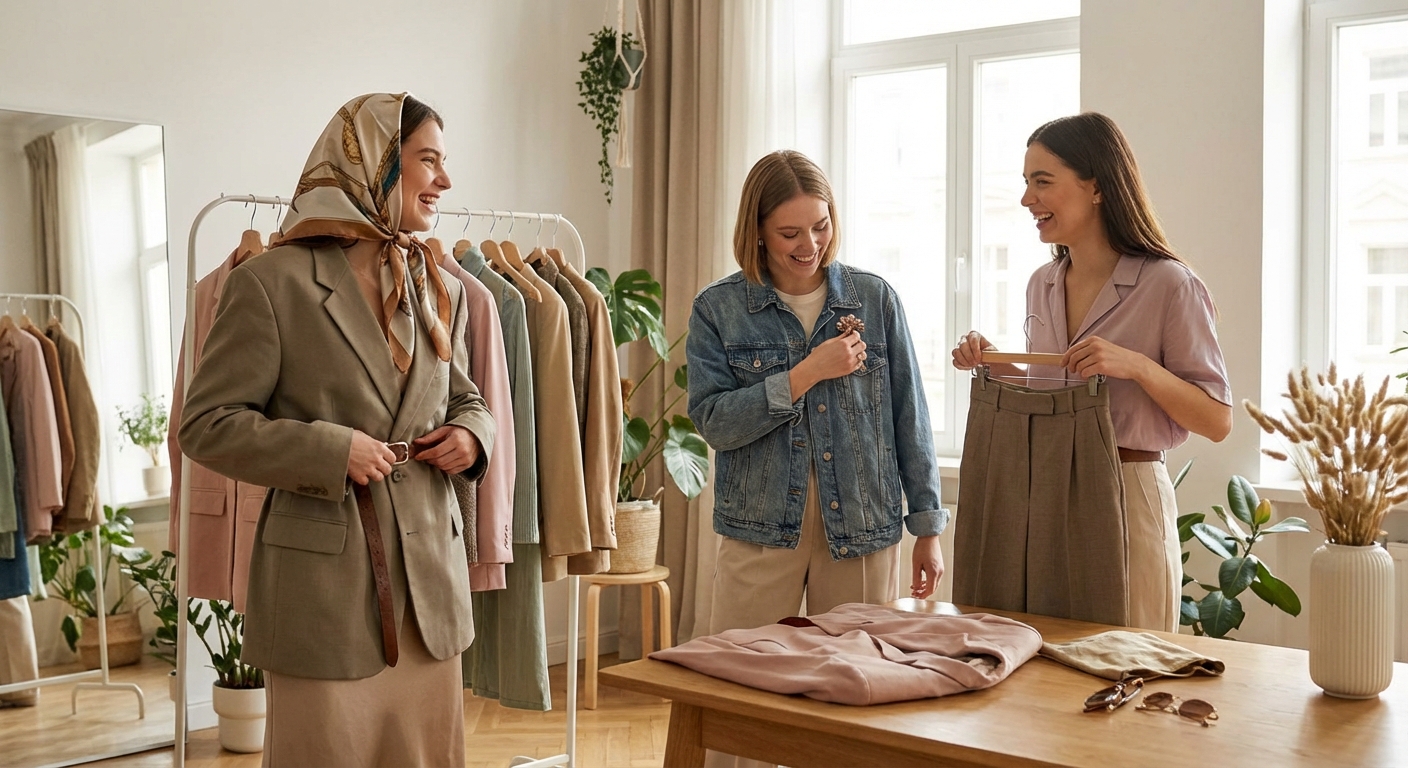
Thrifting is having a moment. But let’s be real: not every secondhand find looks runway ready straight off the rack. The good news? You don’t need a designer budget to make your thrift store haul look like it came from a boutique. With the right techniques, you can transform any affordable piece into something that looks polished, intentional, and way more expensive than it actually was.
Making thrifted clothes look expensive comes down to five main strategies: proper fit through tailoring, strategic steaming and care, choosing quality fabrics, styling with minimal accessories, and paying attention to small details like buttons and hems. These techniques cost little to nothing but dramatically elevate how your secondhand pieces appear. The key is treating your thrifted items with the same care you’d give high-end purchases, focusing on clean lines and intentional styling rather than the price tag.
Start with the right fabric choices
Not all thrifted pieces have the same potential. Some fabrics naturally look more expensive than others, regardless of where you bought them.
Natural fibers are your best friend. Look for cotton, linen, wool, silk, and cashmere when you’re browsing the racks. These materials age better and hold their shape longer than synthetic alternatives.
Skip anything that’s pilling heavily or has that shiny, cheap polyester sheen. Even the best styling can’t fix fabric that screams “budget.” If you’re unsure, do the touch test. Close your eyes and feel the material. Does it feel soft and substantial, or thin and scratchy?
Here are the fabrics worth hunting for:
- 100% cotton (especially for tees and button-ups)
- Wool blends (great for coats and trousers)
- Real leather (jackets, belts, bags)
- Silk or satin (blouses and slip dresses)
- Denim with weight to it (avoid super thin, stretchy versions)
- Linen (perfect for summer pieces)
Avoid these unless they’re in perfect condition:
- Acrylic sweaters (they pill instantly)
- Thin polyester that wrinkles easily
- Rayon that’s already stretched out
- Jersey knits with visible wear
- Anything with that “costume” texture
Get everything tailored to fit your body
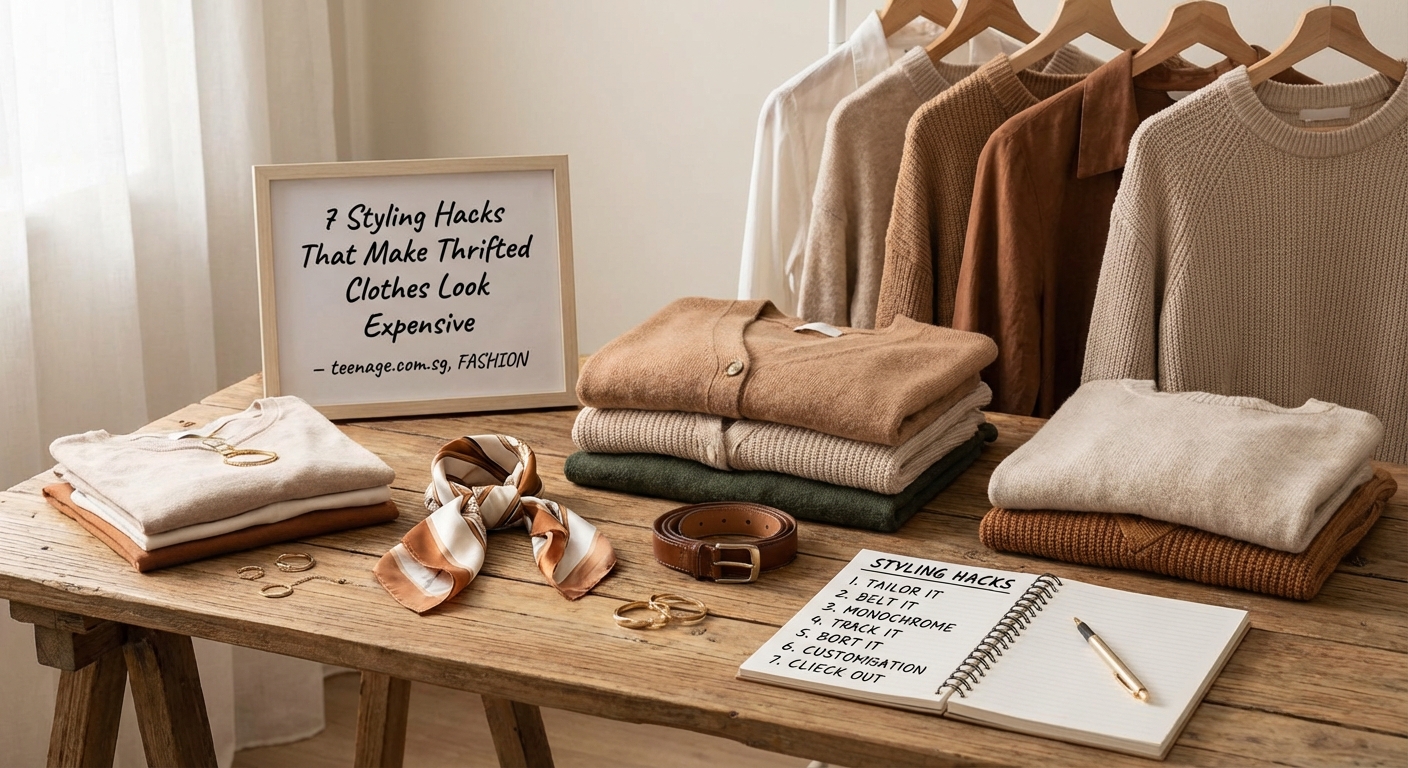
This is the single most important step. A $10 thrifted blazer that fits perfectly will always look better than a $200 designer piece that’s too big or too long.
Most people skip tailoring because they think it’s expensive. It’s not. Basic alterations like hemming pants or taking in a waist usually cost between $10 and $25. That’s still cheaper than buying new.
Here’s what you should consider altering:
-
Hem your pants and skirts. Too-long bottoms make you look sloppy and shorter. The right length hits at your ankle bone for pants or just above your knee for skirts.
-
Take in the waist on oversized pieces. Thrift stores are full of great vintage pieces that are just slightly too big. A simple dart or side seam adjustment can make them look custom.
-
Shorten sleeves on jackets and coats. Your shirt cuff should peek out about half an inch. If your jacket sleeves cover your hands, get them shortened.
-
Adjust shoulder seams on shirts. This one’s trickier and more expensive, but if you find an amazing piece with shoulders that hang too low, it might be worth it.
-
Replace cheap buttons. Seriously, this changes everything. Swap out plastic buttons for wood, horn, or metal ones. It costs maybe $5 and instantly upgrades the whole piece.
“The difference between looking put together and looking like you’re wearing someone else’s clothes often comes down to fit. If something doesn’t sit right on your body, no amount of accessories will fix it.” – Fashion stylist working with sustainable brands
Steam and care for your clothes properly
Wrinkled clothes look cheap. Period. It doesn’t matter if you’re wearing actual designer pieces or thrifted ones. Creases and rumples make everything look like it came from the bottom of a laundry pile.
Invest in a handheld steamer. They cost around $20 and work way better than irons for most fabrics. Steaming is faster, easier on delicate materials, and gets rid of that “thrift store smell” at the same time.
Here’s your care routine:
Immediately after thrifting:
– Wash or dry clean everything before wearing
– Steam out any wrinkles
– Check for loose threads and snip them
– Treat any small stains with stain remover
– Replace missing buttons right away
Regular maintenance:
– Steam pieces before wearing them
– Store clothes on proper hangers (no wire ones)
– Fold knits instead of hanging them
– Keep a lint roller handy
– Air out clothes between wears instead of washing after every use
The smell test matters too. Musty or stale odors make people think “secondhand” immediately. If regular washing doesn’t fix it, try hanging items outside in fresh air for a few hours or adding white vinegar to your wash cycle.
Master the art of minimal styling
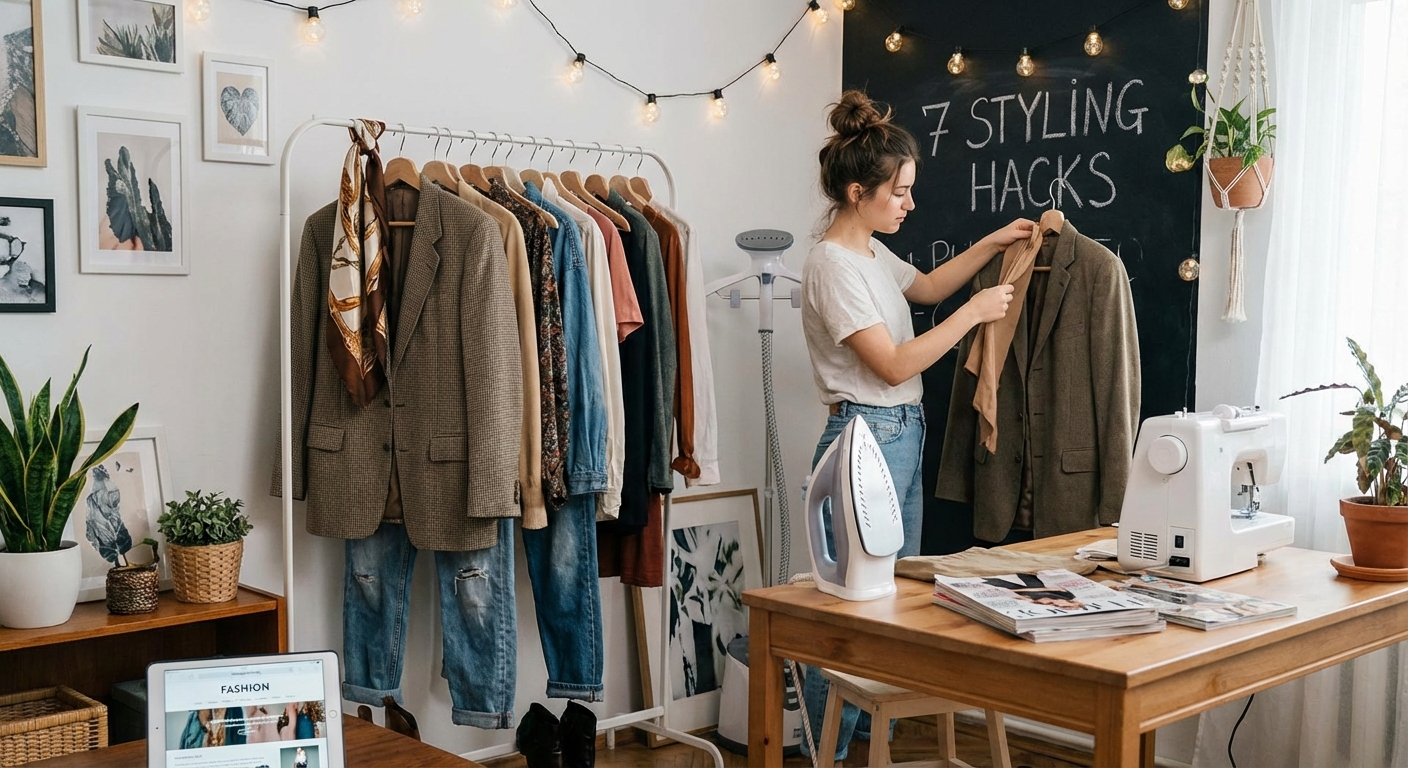
Expensive-looking outfits usually follow a “less is more” rule. When you’re working with thrifted pieces, this becomes even more important.
Stick to a simple color palette. Neutrals like black, white, beige, navy, and gray always look more polished than loud prints or clashing colors. This doesn’t mean you can’t wear color, just be intentional about it.
Try these outfit formulas that always work:
| Formula | Example | Why It Works |
|---|---|---|
| Monochrome | All black or all cream | Creates a sleek, elongated silhouette |
| Neutral base + one color | Beige pants, white tee, red blazer | Looks intentional, not random |
| Denim + classic top | Jeans with a white button-up | Timeless and effortlessly cool |
| Structured + relaxed | Tailored blazer with loose jeans | Balances proportions |
| Texture mixing | Silk blouse with wool trousers | Adds visual interest without color |
Keep accessories minimal and classic. One statement piece is enough. If you’re wearing bold earrings, skip the necklace. If you have a standout bag, keep everything else simple.
Quality over quantity applies to accessories too. One real leather belt looks better than five plastic ones. A simple gold chain beats a pile of costume jewelry.
Pay attention to the small details that matter
Little things make a huge difference in how expensive something looks. These are the details most people miss, but they’re what separate “thrifted” from “curated vintage.”
Check these spots on every piece:
- Hems: Are they coming undone? Fix them or pass on the item.
- Collar and cuffs: These show wear first. Make sure they’re not frayed or discolored.
- Zippers: Do they work smoothly? Broken zippers are expensive to replace.
- Seams: Look for straight, even stitching. Puckered seams look cheap.
- Labels: Remove any visible brand tags that scream “discount.” The exception is if it’s actually a good brand.
Ironing or steaming the collar and cuffs of shirts makes them look brand new. These are the parts people see first, so they need to be crisp.
Shoe care matters just as much as clothing care. Scuffed, dirty shoes ruin even the most polished outfit. Clean your shoes regularly, replace worn laces, and consider getting leather ones resoled instead of tossing them.
If you’re building a wardrobe that looks intentional, how to build a capsule wardrobe on a student budget can help you choose versatile pieces that work together.
Layer strategically to add dimension
Layering is a styling trick that makes any outfit look more thought out and expensive. It adds visual interest and helps disguise any fit issues with individual pieces.
The key is balancing proportions. Pair fitted pieces with looser ones. If you’re wearing a baggy sweater, tuck it into high-waisted pants. If your pants are wide-leg, keep your top more fitted.
Try these layering combinations:
- Turtleneck under a slip dress
- Button-up shirt under a sweater (let the collar peek out)
- Blazer over a graphic tee
- Long coat over a shorter jacket
- Tank top under an open button-up
Tucking is an underrated skill. A half-tuck (where you tuck in just the front of your shirt) looks effortless and polished. Full tucks work best with high-waisted bottoms and create a clean line.
Rolling sleeves properly also matters. Don’t just push them up randomly. Fold them into neat, even cuffs that sit at the same height on both arms.
Choose classic silhouettes over trendy pieces
Trends come and go, but classic shapes always look expensive. When you’re thrifting, focus on timeless silhouettes that have been around for decades.
These pieces never go out of style:
- Straight-leg or wide-leg trousers
- A-line skirts
- Tailored blazers
- Classic trench coats
- Simple shift dresses
- Crew neck sweaters
- White button-up shirts
- Dark wash straight-leg jeans
Avoid anything that screams a specific year or trend unless you’re specifically going for a vintage look. Super low-rise jeans from 2005 or skinny jeans with excessive distressing will date your outfit immediately.
That said, if you want to stay current with what’s actually trending now, checking out is Y2K fashion really over can help you understand which vintage pieces are worth hunting for.
Classic doesn’t mean boring. It means versatile. A well-fitted black blazer can be dressed up with trousers for an interview or dressed down with jeans for coffee. That’s the kind of piece worth spending your thrifting time on.
Mix high and low pieces intentionally
You don’t need an entirely thrifted wardrobe to look good. Mixing secondhand finds with a few new basics actually makes everything look more expensive.
The trick is knowing what to buy new versus what to thrift. Generally, buy new items that sit close to your skin (underwear, socks, basic tees) and thrift everything else (outerwear, jeans, dresses, accessories).
When you mix pieces from different sources, it looks like you curated your wardrobe thoughtfully rather than buying everything from one place. This is actually how wealthy people dress. They’re not wearing head-to-toe designer. They’re mixing investment pieces with basics.
Pair your thrifted vintage blazer with new jeans. Wear that secondhand silk blouse with fresh white sneakers. The contrast makes both pieces look better.
Understanding outfit formulas that work for every body type helps you put together combinations that look polished regardless of where you sourced each piece.
Common mistakes that make thrifted clothes look cheap
Even with great pieces, certain styling choices will undermine your efforts. Avoid these pitfalls:
| Mistake | Why It Looks Cheap | The Fix |
|---|---|---|
| Wearing clothes that don’t fit | Looks like you grabbed whatever was available | Get things tailored or size up/down |
| Ignoring wrinkles | Suggests you don’t care about appearance | Steam everything before wearing |
| Over-accessorizing | Looks cluttered and try-hard | Choose one or two key pieces max |
| Mixing too many patterns | Creates visual chaos | Stick to one pattern, keep the rest solid |
| Wearing visible logos | Screams “trying too hard” unless it’s subtle | Choose pieces without branding |
| Forgetting about shoes | Ruins an otherwise good outfit | Keep shoes clean and in good repair |
| Skipping grooming | Makes even great clothes look sloppy | Hair, nails, and overall presentation matter |
The biggest mistake? Treating thrifted clothes differently than new ones. If you wouldn’t wear something wrinkled and ill-fitting from a boutique, don’t do it with secondhand pieces either.
Build confidence in your styling choices
Here’s the thing nobody talks about: confidence makes everything look more expensive. When you feel good in what you’re wearing, it shows.
Stop apologizing for thrifting. You don’t need to explain where you got something unless someone specifically asks. And if they do ask, own it. “Thanks! I found it at a thrift store” is a perfectly good response that doesn’t diminish your outfit.
Take photos of outfits you love. This helps you remember what works and builds a visual reference for future styling. You’ll start noticing patterns in what makes you feel confident.
Experiment without judgment. Not every thrifted piece will work out, and that’s fine. Part of the fun is trying different combinations and figuring out your personal style.
If you’re struggling with the social aspects of fashion and self-expression, resources about dealing with friendship breakups when you’re still seeing them every day might seem unrelated, but they touch on similar themes of confidence and self-presentation during challenging times.
Your style is personal. What looks expensive to you might be different from what someone else values. Focus on clean lines, good fit, and pieces that make you feel like the best version of yourself.
Making thrifted fashion work for your lifestyle
The goal isn’t to trick people into thinking you spent more money than you did. It’s about taking affordable pieces and styling them in ways that look polished, intentional, and true to your personal aesthetic.
Thrifting takes practice. You won’t find perfect pieces every time, and that’s part of the process. But when you do find something great, knowing how to make it look its best means you’re building a wardrobe that’s both sustainable and stylish.
Start with one or two techniques from this guide. Maybe get your next thrifted pants hemmed, or invest in a steamer. Small changes add up to a completely different look. Your thrifted pieces have just as much potential as anything new. They just need a little extra attention to shine.
The best part? Once you master these techniques, you’ll start seeing potential in pieces other people pass over. That’s when thrifting becomes truly fun. You’re not just shopping. You’re curating a wardrobe that’s uniquely yours, looks amazing, and didn’t cost a fortune.










Post Comment