10 Budget-Friendly Ways to Upgrade Your Dorm Room This Semester
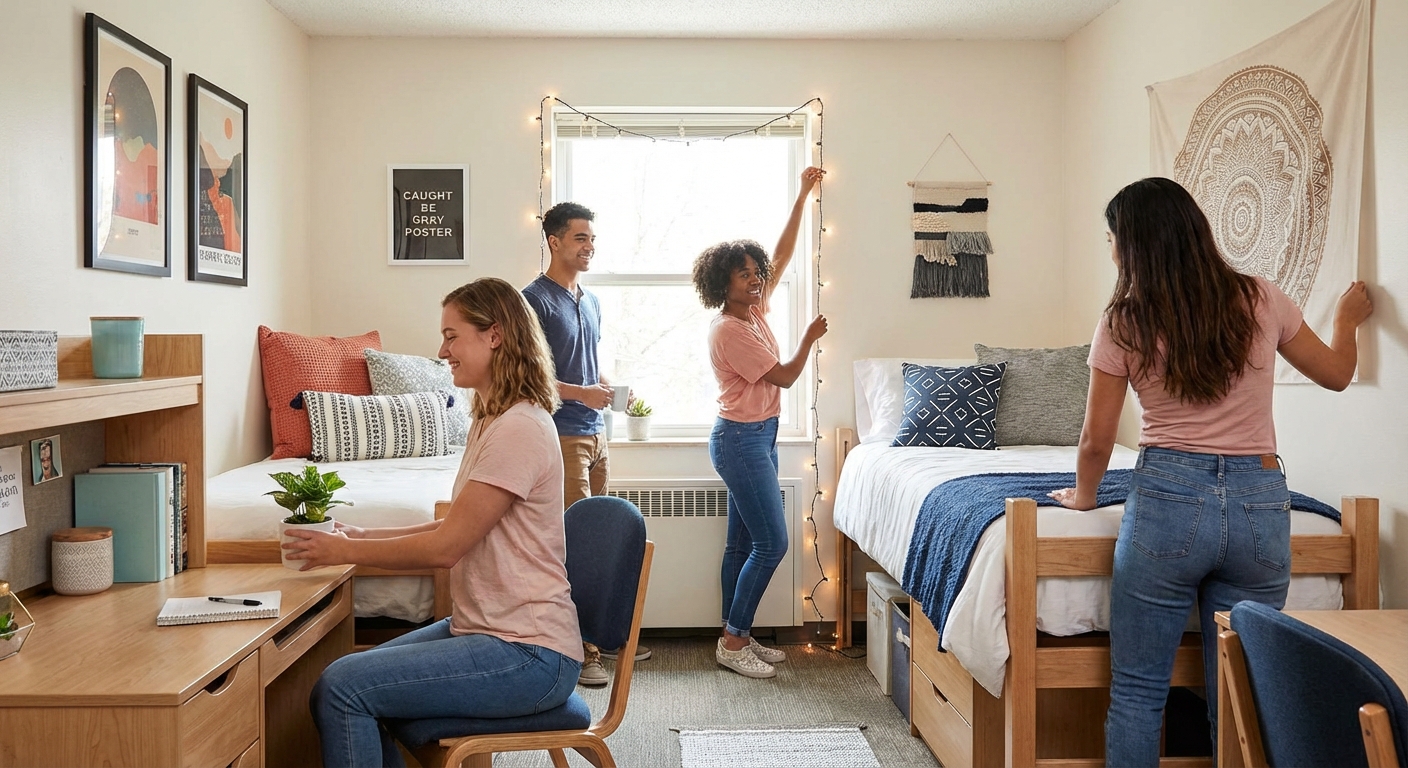
Moving into a dorm room can feel like stepping into a blank, beige box that screams “temporary housing.” But here’s the thing: you’re going to spend most of your waking hours (and sleeping ones) in that space. It deserves to feel like home, not a holding cell. The good news? You don’t need a trust fund to make your room look good. With some creativity and smart spending, you can turn that bland space into somewhere you actually want to hang out.
Decorating a dorm room on a budget means prioritizing multi-functional pieces, DIY projects, and thrift store finds. Focus on removable wall decor, smart lighting, and personal touches that reflect your style. Most upgrades cost under $20, and many are completely free. The key is working with what you have while adding personality through creative, temporary solutions that won’t violate housing rules.
Start With What You Already Own
Before you spend a single dollar, look around your house. That box of fairy lights from last year? Perfect. Old posters? They’ll work. Photos printed from your phone? Even better.
Most students already have items that can instantly improve a dorm room. Throw blankets, decorative pillows, and even that tapestry collecting dust in your closet can transform a space. Bring items that make you feel comfortable and represent who you are.
Your existing belongings cost nothing and carry personal meaning. That’s way more valuable than generic decor from a big box store. Plus, familiar items help combat homesickness during those first few weeks.
Command Strips Are Your Best Friend
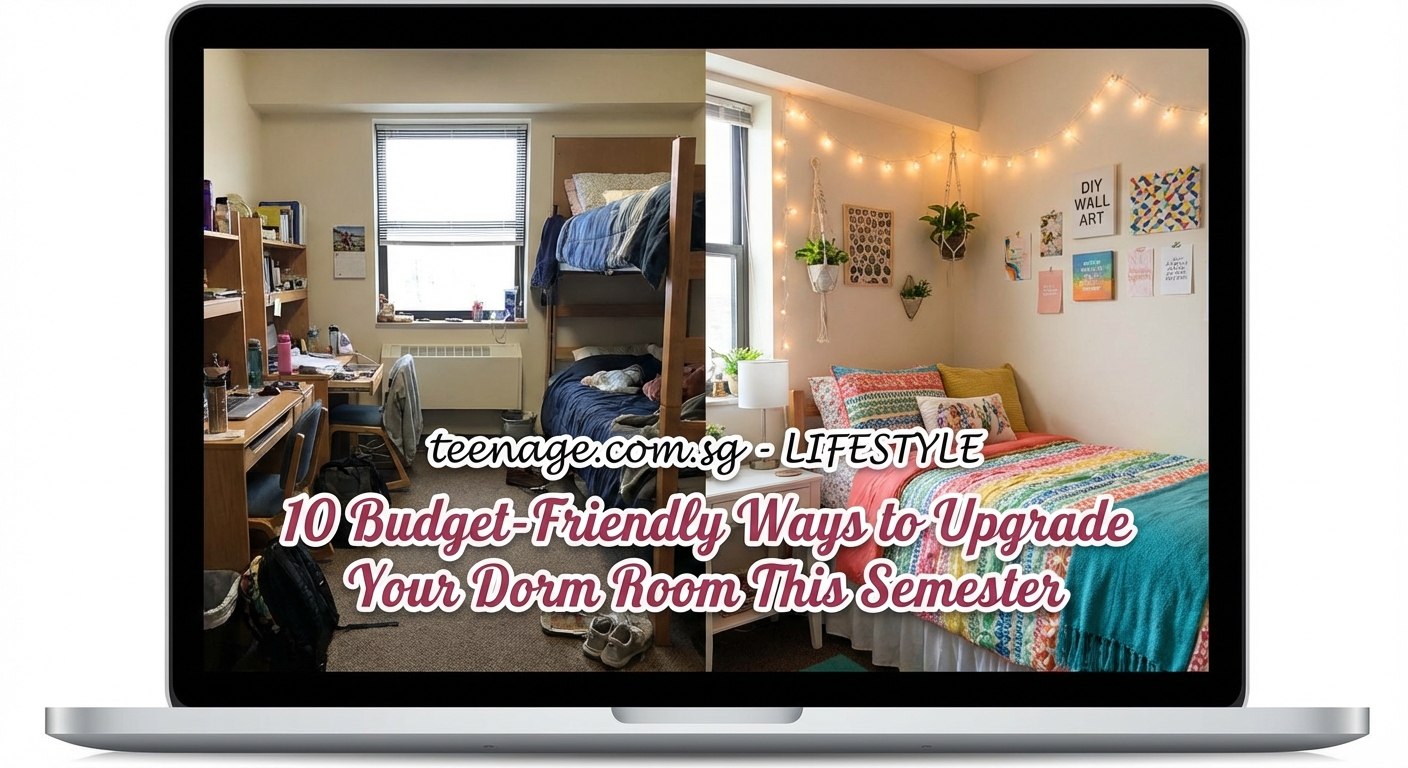
Dorm walls are notoriously finicky. Most housing agreements ban nails, thumbtacks, and anything that leaves permanent marks. Enter command strips and removable adhesive hooks.
These magical strips let you hang almost anything without damaging walls. Posters, string lights, small shelves, mirrors, and even lightweight fabric can go up easily. Just follow the weight limits on the package.
The beauty of command strips is that they’re completely reversible. When you move out, everything comes down cleanly. No lost security deposits, no angry housing coordinators, no stress.
Buy them in bulk online. They’re cheaper that way, and you’ll use more than you think. Keep extras on hand for when inspiration strikes at 2 a.m.
Thrift Stores and Secondhand Shops Are Goldmines
Forget buying everything new. Thrift stores offer incredible finds for dorm rooms at a fraction of retail prices. We’re talking lamps, mirrors, storage bins, picture frames, and decorative items for just a few dollars each.
Check out local Goodwill, Salvation Army, or independent thrift shops near campus. Many college towns have amazing secondhand stores that specifically cater to students. You can also browse Facebook Marketplace, Craigslist, or campus buy/sell groups.
Look for items with good bones. A dated lamp can look modern with a new shade. An old mirror becomes trendy with a fresh coat of spray paint. Wooden crates make perfect storage when stacked or mounted on walls.
Always inspect items carefully before buying. Make sure lamps work, storage pieces are sturdy, and fabric items are clean. Most thrift stores have no-return policies, so examine everything first.
DIY Wall Art Costs Almost Nothing
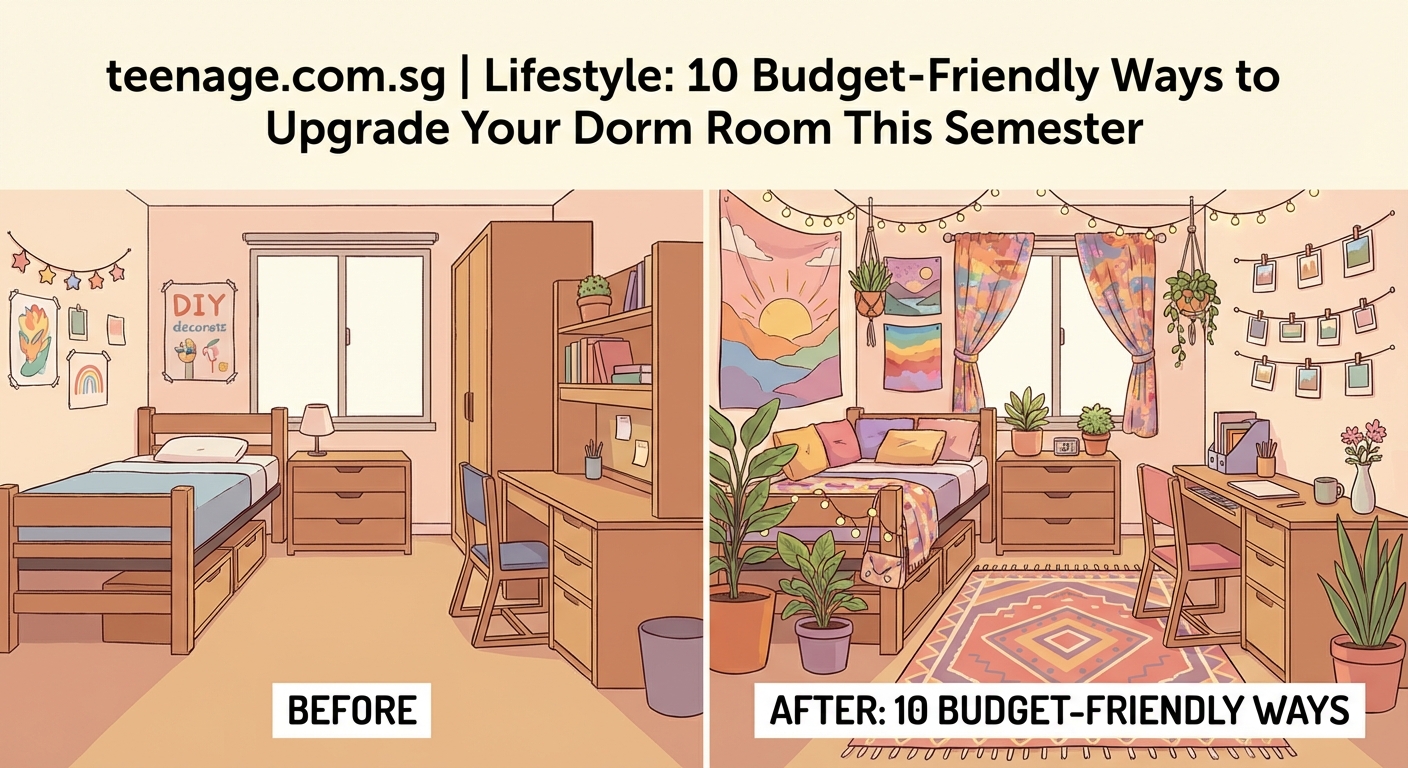
Blank walls make dorm rooms feel institutional and cold. But professional art is expensive, and most dorm-appropriate posters look generic. The solution? Make your own.
Print your favorite photos at a local pharmacy or use an online service. Black and white prints look sophisticated and cost less than color. Arrange them in a grid pattern using command strips for an instant gallery wall.
You can also create abstract art using leftover paint samples from hardware stores (they’re free), washi tape in geometric patterns, or even pages from old books or magazines arranged in frames. Pinterest has endless free printable art that you can download and print at your school library.
Another idea: string up twine or ribbon and clip photos, postcards, or inspirations using mini clothespins. It creates a casual, personalized vibe that feels way more authentic than mass-produced posters.
Lighting Changes Everything
Overhead fluorescent lights are the enemy of cozy dorm vibes. They’re harsh, unflattering, and make everything look like a hospital waiting room.
Invest in alternative lighting sources. String lights are affordable and create instant ambiance. Desk lamps with warm bulbs help during late-night study sessions. Floor lamps (especially from thrift stores) can transform a corner.
LED strip lights are popular right now and relatively cheap. Stick them behind your bed frame, under shelves, or around your desk. Many come with remote controls so you can change colors based on your mood.
Layer your lighting. Combine different sources at different heights to create depth and warmth. Turn off that overhead light and watch your room instantly feel more inviting. If you’re working on creating the right atmosphere for your space, consider checking out how to build a morning routine that actually sticks in college for more tips on making your dorm feel like home.
Storage Solutions That Double as Decor
Dorm rooms are notoriously small. Clutter makes them feel even smaller. Smart storage keeps things organized while adding visual interest.
Under-bed storage bins are essential. Get the kind that slide easily and have lids to keep dust out. Use them for out-of-season clothes, extra bedding, or items you don’t need daily.
Over-the-door organizers work for shoes, accessories, toiletries, or school supplies. They maximize vertical space without taking up floor area. Hanging closet organizers add shelves where none exist.
Make storage visible and attractive. Woven baskets, colorful bins, or vintage crates can hold items while looking intentional. Stack books horizontally to create makeshift side tables. Use mason jars for desk supplies.
Everything should have a designated spot. When your room stays organized, it automatically looks better, regardless of how much you spent on decor.
Plants Bring Life (Literally) to Your Space
Living plants improve air quality, boost mood, and add natural beauty to dorm rooms. They’re also surprisingly affordable and easy to care for if you choose the right varieties.
Succulents and cacti are perfect for beginners. They need minimal water and tolerate neglect. Pothos and snake plants are nearly impossible to kill and thrive in low light. Spider plants are another hardy option that grows quickly.
Buy small plants from grocery stores or home improvement centers. They’re cheaper than specialty plant shops. You can also ask friends or family to share cuttings from their existing plants.
Get creative with containers. Mugs, tin cans, mason jars, or thrifted pots all work. Just make sure there’s drainage (or be careful not to overwater). Group several small plants together for bigger visual impact.
If you forget to water plants or your room has zero natural light, high-quality fake plants are totally acceptable. Modern artificial plants look realistic and require zero maintenance.
Textiles Add Warmth and Personality
Soft textures make hard dorm furniture feel more comfortable and inviting. Textiles are one of the easiest ways to add personality without permanent changes.
Start with your bed. A colorful comforter or duvet cover sets the tone for the entire room. Layer with throw blankets and decorative pillows. Mix patterns and textures for visual interest.
Area rugs define space and cover ugly dorm flooring. They also make getting out of bed more pleasant on cold mornings. Look for affordable options at discount stores or online retailers.
Tapestries or fabric wall hangings create focal points and add color to blank walls. They’re lightweight, easy to hang with command strips, and come in endless designs. You can even use a cool bedsheet or sarong as wall art.
Curtains soften harsh windows and add privacy. If your dorm doesn’t allow curtain rods, use tension rods or clip curtains directly to existing blinds with binder clips.
Smart Shopping Strategies Save Money
Knowing where and when to shop makes a huge difference in your decorating budget. Timing and strategy matter more than you’d think.
Shop after major move-in periods. Late September and early October see huge markdowns on dorm items as stores clear inventory. End-of-semester sales are also goldmines when students sell items they can’t take home.
Use student discounts. Many retailers offer 10-20% off with a valid student ID. Always ask, even if you don’t see signs advertising discounts. The worst they can say is no.
Dollar stores carry surprisingly decent decor items. Picture frames, storage bins, fake plants, and organizational supplies are all available for a fraction of regular retail prices.
Split costs with roommates. If you’re sharing a space, coordinate on items you’ll both use like rugs, storage solutions, or shared decor. It cuts individual costs in half.
Set a realistic budget before shopping and stick to it. Decide what’s most important to you and prioritize those items. Everything else can wait or be DIYed.
The Step-by-Step Decorating Process
Approaching dorm decorating systematically prevents overspending and ensures you create a cohesive space. Here’s how to tackle it:
-
Measure your space and furniture. Know exact dimensions before buying anything. That cute shelf might not fit where you imagined.
-
Choose a color scheme. Pick 2-3 main colors to guide your decisions. This creates visual harmony even with mismatched items.
-
Start with the biggest impact items. Bedding and lighting should come first. They’re the foundation of your room’s vibe.
-
Add functional storage next. Organization makes everything else look better and function smoother.
-
Layer in personal touches. Photos, art, plants, and decorative items come last. They’re the finishing touches that make the space yours.
-
Evaluate and adjust. Live in your space for a week before making final purchases. You’ll discover what you actually need versus what looked good in your head.
-
Leave room to grow. Don’t fill every surface immediately. Part of the fun is adding items throughout the semester as you find things you love.
Common Mistakes and How to Avoid Them
| Mistake | Why It Happens | Better Approach |
|---|---|---|
| Buying everything at once | Excitement and pressure to have a perfect room immediately | Spread purchases over the first month as you identify real needs |
| Ignoring dorm rules | Not reading housing guidelines thoroughly | Check regulations before buying anything permanent or electrical |
| Choosing style over function | Prioritizing aesthetics without considering daily use | Focus on items that serve dual purposes and make life easier |
| Forgetting about roommate preferences | Decorating without communication or compromise | Discuss shared spaces and coordinate on major items together |
| Overspending on trendy items | Following social media aesthetics that don’t match your budget | Invest in classics and add trendy touches through affordable accessories |
What Actually Matters Most
At the end of the day, decorating a dorm room on a budget isn’t about creating an Instagram-perfect space. It’s about making a small room feel like yours during a significant transition in your life.
The best dorm rooms reflect the people living in them. They’re functional first, stylish second. They make studying easier, sleeping better, and hanging out with friends more comfortable.
Don’t compare your space to what you see online. Those perfectly curated rooms often involve serious budgets, professional styling, or aren’t even real dorm rooms. Your room just needs to work for you.
“Your dorm room should support your life, not complicate it. If something doesn’t serve a purpose or bring you joy, you probably don’t need it. The goal is creating a space where you can be yourself, not impressing people on social media.” – College housing advisor
Making Your Space Work for You
Focus on what genuinely improves your daily experience. Maybe that’s better lighting for studying, a cozy reading corner, or a coffee station that saves you money on daily cafe runs.
Think about your actual habits and routines. If you never sit at your desk, don’t stress about making it Pinterest-worthy. If you spend most of your time on your bed, invest in making that area comfortable and functional.
Remember that dorm living is temporary. You’re not decorating a permanent home. Removable, portable, and flexible solutions make more sense than expensive permanent fixtures. When the semester ends, you’ll appreciate items that pack up easily.
Your room will evolve throughout the year. You’ll discover what works and what doesn’t. You’ll find new items, rearrange furniture, and adjust your setup. That’s completely normal and part of the process. For more ideas on making the most of student life, you might find dorm room essentials every student needs to bring helpful as you settle in.
Creating a Space That Feels Like Home
The most important thing about learning how to decorate dorm room on a budget is understanding that small changes make big differences. You don’t need to transform everything overnight or spend hundreds of dollars to create a space you love.
Start with one area. Maybe it’s making your bed more comfortable or improving your desk setup. Build from there as your budget allows. Each small improvement adds up to create a room that feels welcoming and personal.
Bring items that remind you of home, friends, and experiences that matter to you. These personal touches cost nothing but mean everything when you’re adjusting to college life. Photos, souvenirs, favorite books, or even a blanket from home can make a dorm room feel less temporary and more like your own space.
Your dorm room is more than just a place to sleep. It’s your study space, hangout spot, and personal retreat during a busy semester. Making it comfortable and functional doesn’t require a massive budget, just some creativity and intentional choices. Take your time, have fun with the process, and remember that the best rooms are the ones that work for your life, not against it.














Post Comment