How to Actually Stick to a Workout Routine When You Hate Exercise

You know that feeling when everyone around you seems to love their morning runs or gym sessions, and you’re just… not feeling it? Same. The idea of sweating through a workout sounds about as appealing as a surprise exam on Monday morning. But here’s the thing: you don’t have to love exercise to make movement part of your life. You just need to stop trying to force yourself into workouts that make you miserable.
Getting active when you hate exercise means ditching traditional workouts and finding movement you don’t despise. Focus on activities that feel less like punishment and more like living your life. Start with five minutes, track what works, and build habits around what you actually enjoy. The goal isn’t to become a fitness fanatic. It’s to move enough that your body stays healthy without making yourself miserable.
Stop calling it exercise
The word “exercise” comes with baggage. It makes you think of treadmills, burpees, and that one gym teacher who made everyone run laps in the rain. No wonder you hate it.
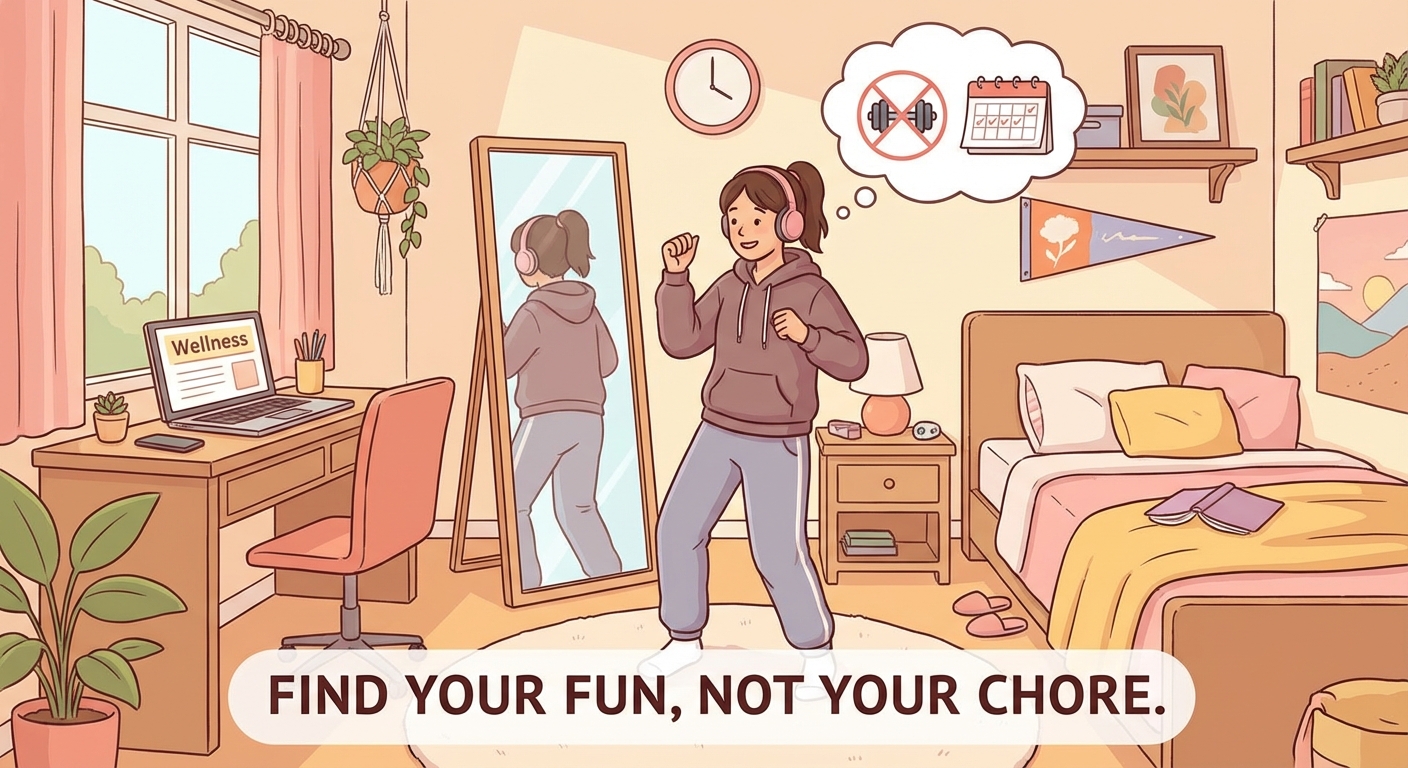
Try thinking about movement instead. Movement is walking to get coffee. Dancing while you’re getting ready. Taking the stairs because the elevator is slow. It counts, and it doesn’t come with the mental weight of “working out.”
When you remove the label, you remove the pressure. You’re not failing at exercise. You’re just living your life in a way that happens to involve moving your body.
Find movement that doesn’t feel like punishment
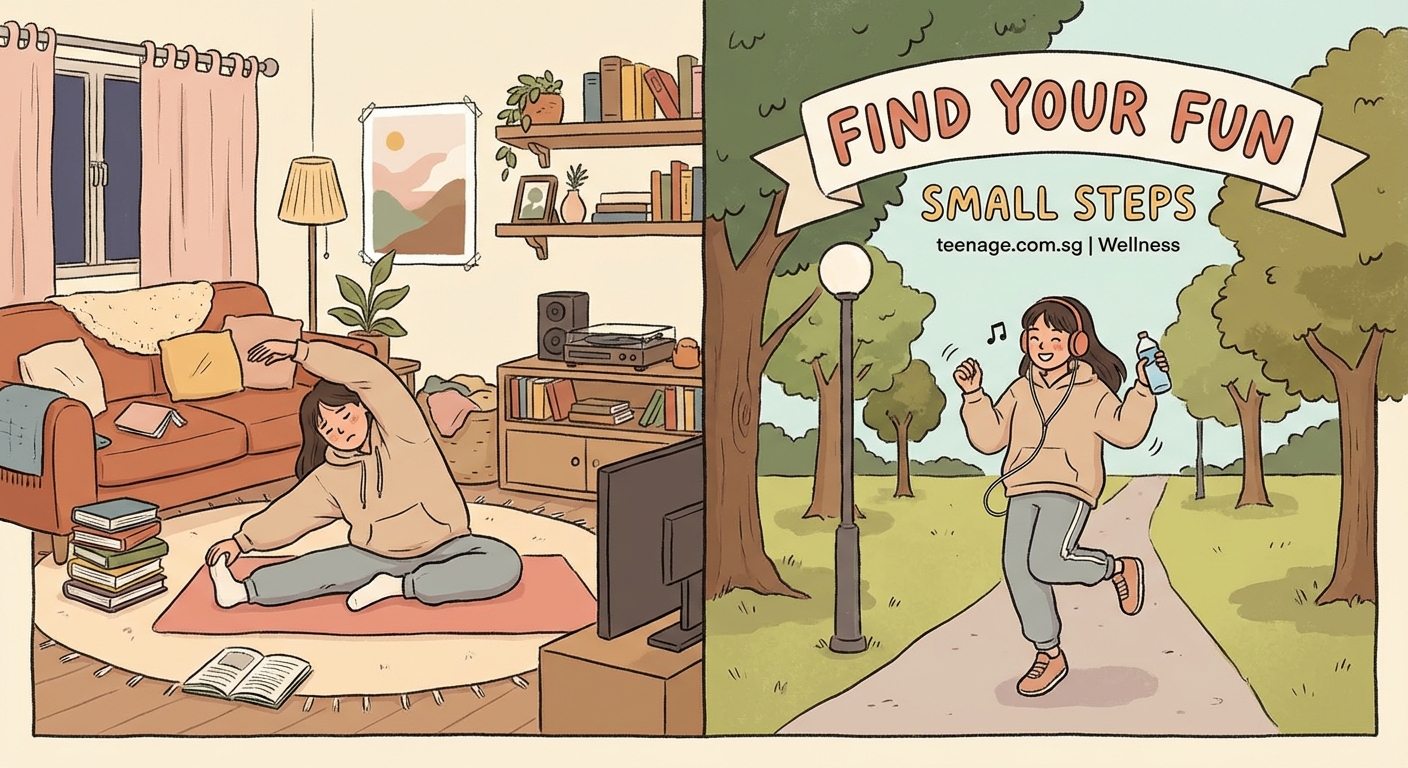
Here’s a list of activities that barely feel like exercise but still get your body moving:
- Walking while listening to your favorite podcast or playlist
- Dancing in your room to music you actually like
- Playing with a pet or younger sibling
- Window shopping at the mall
- Cleaning your room (yes, really)
- Playing active video games like Just Dance or Ring Fit
- Taking photos around your neighborhood
- Gardening or helping with yard work
The trick is picking something you’d do even if it didn’t count as exercise. If you love photography, taking photos at local events gets you moving without feeling like a workout.
Start stupidly small
Most people fail because they go from zero to hero overnight. They decide to work out for an hour every day, burn out in a week, and quit forever.
Don’t do that.
Start with five minutes. Literally five. That’s one song. You can handle one song.
Here’s how to build from there:
- Pick one activity you don’t completely hate.
- Do it for five minutes, three times this week.
- Next week, add two more minutes.
- Keep adding time only when it feels easy.
- If you skip a day, start again without guilt.
The goal isn’t intensity. It’s consistency. Five minutes every day beats an hour once a month.
Make it social (or completely solo)
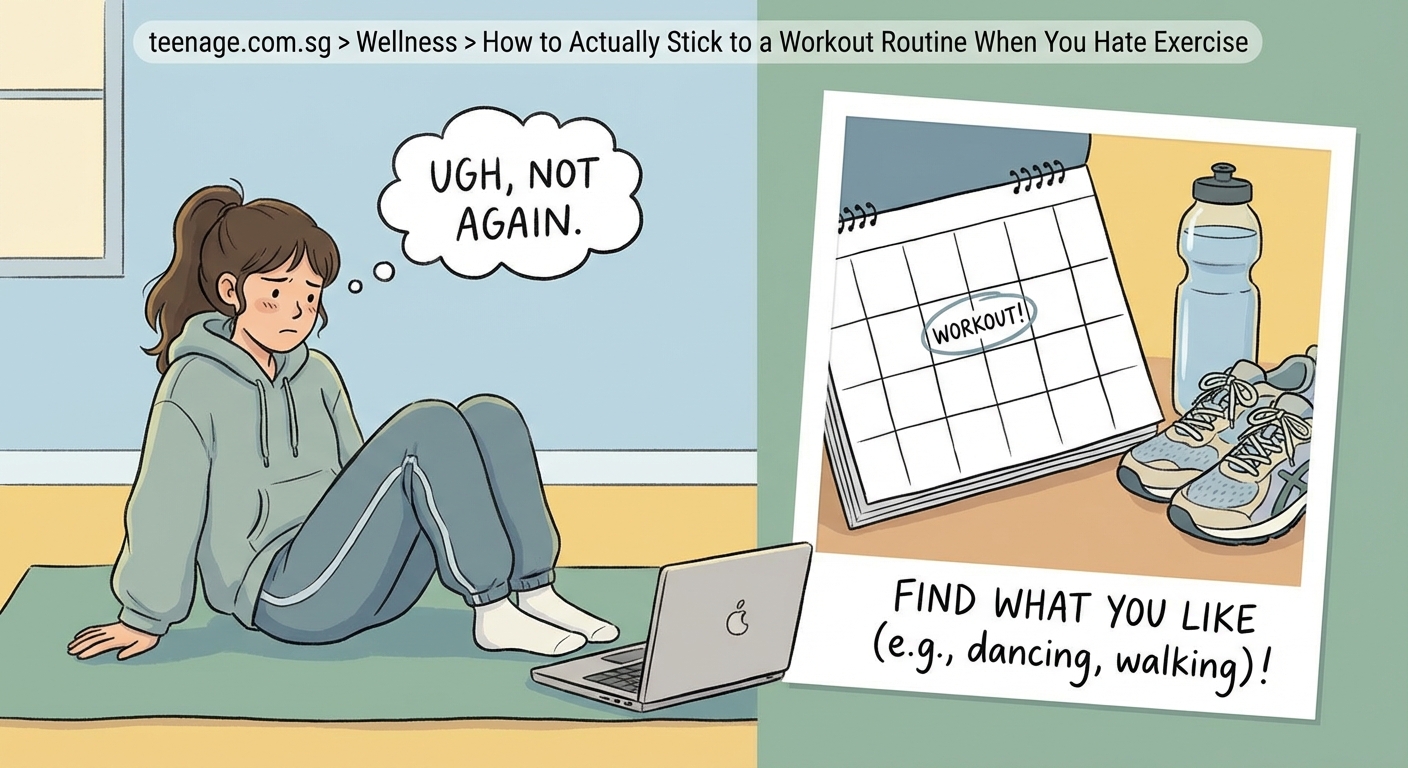
Some people need company to stay motivated. Others would rather eat glass than exercise in front of other humans.
Figure out which one you are.
If you’re social, find a friend who also needs to move more. Walk together after class. Try a new activity together. Make it about hanging out, not working out. Joining clubs or activities can help you stay accountable without the pressure of a formal gym setting.
If you’re solo, protect that. Put on headphones. Go when nobody else is around. Do workouts in your room with the door locked. There’s no rule that says fitness has to be a group activity.
Track what actually works for you
Not all movement is created equal, at least not for your specific brain and body. What works for your friend might make you miserable.
Pay attention to patterns. Keep notes on your phone about what you tried and how you felt after. Not during (everything feels terrible during), but after.
Here’s a simple tracking system:
| Activity | How I Felt After | Would I Do It Again? |
|---|---|---|
| Walking to cafe | Pretty good, not too tired | Yes, especially with music |
| YouTube workout video | Exhausted and annoyed | Maybe a shorter one |
| Dancing in my room | Actually fun | Definitely |
| Playing basketball | Sore but satisfied | Once a week max |
After a few weeks, you’ll see what’s sustainable and what’s just torture with extra steps.
Remove every possible barrier
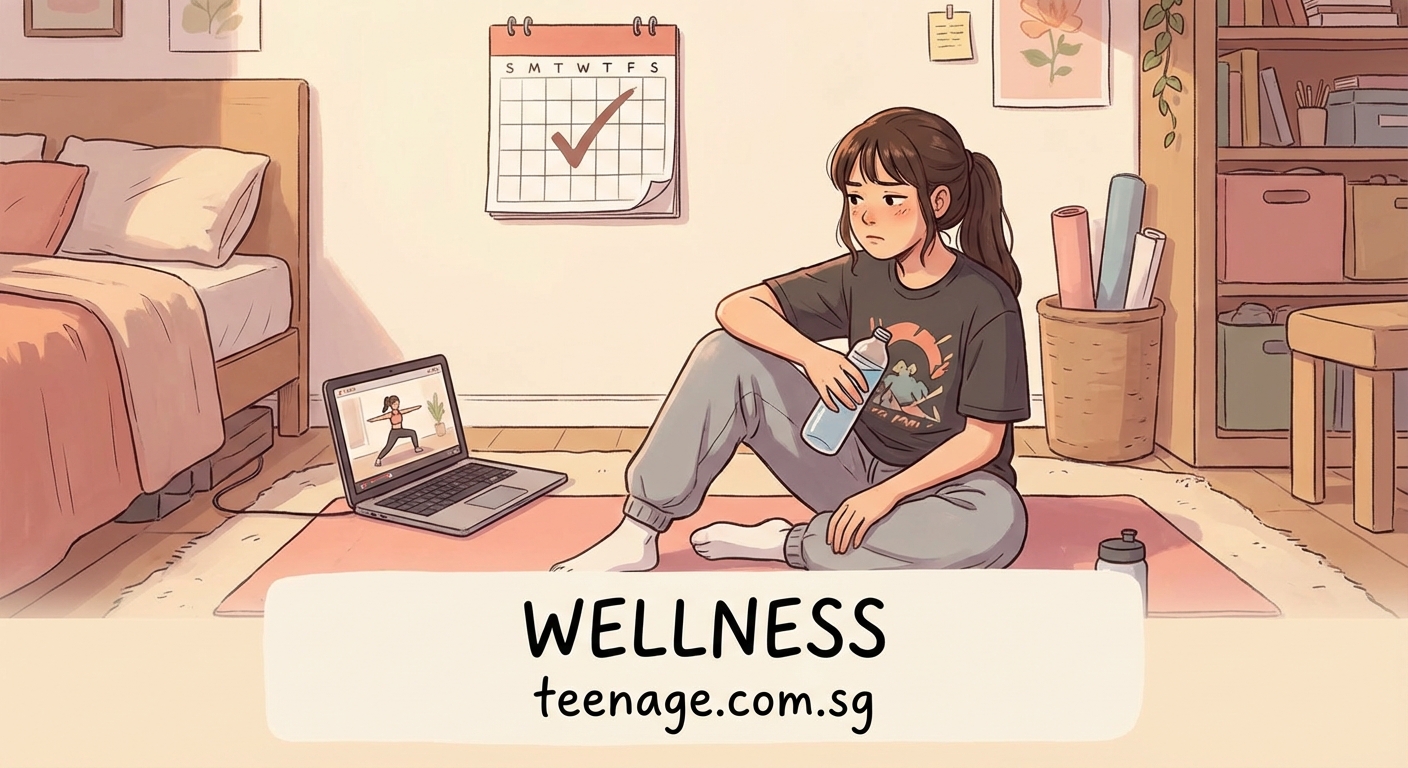
The easier it is to start, the more likely you’ll actually do it. Remove friction wherever you can.
Want to walk more? Sleep in the clothes you’ll walk in. Keep your shoes by the door. Have your playlist ready.
Want to do home workouts? Clear a space in your room. Keep a yoga mat rolled out. Bookmark three videos you can tolerate.
The two-minute rule applies here: if it takes longer than two minutes to start, you probably won’t start at all.
Think about what stops you from moving and fix it:
- Too tired in the morning? Move in the afternoon.
- Hate getting sweaty? Choose low-intensity activities.
- No time? Break it into three five-minute sessions.
- Hate workout clothes? Wear whatever’s comfortable.
Pair movement with something you already love
This is called habit stacking, and it’s stupidly effective. Attach a new habit to something you already do every day.
Here are some examples:
- Listen to your favorite podcast only while walking
- Watch that new K-drama only while stretching or doing light exercise
- Catch up on TikTok only while on a stationary bike
- FaceTime your friends only while walking
The key is making the thing you love dependent on movement. You’re not forcing yourself to exercise. You’re just multitasking.
Accept that some days will suck
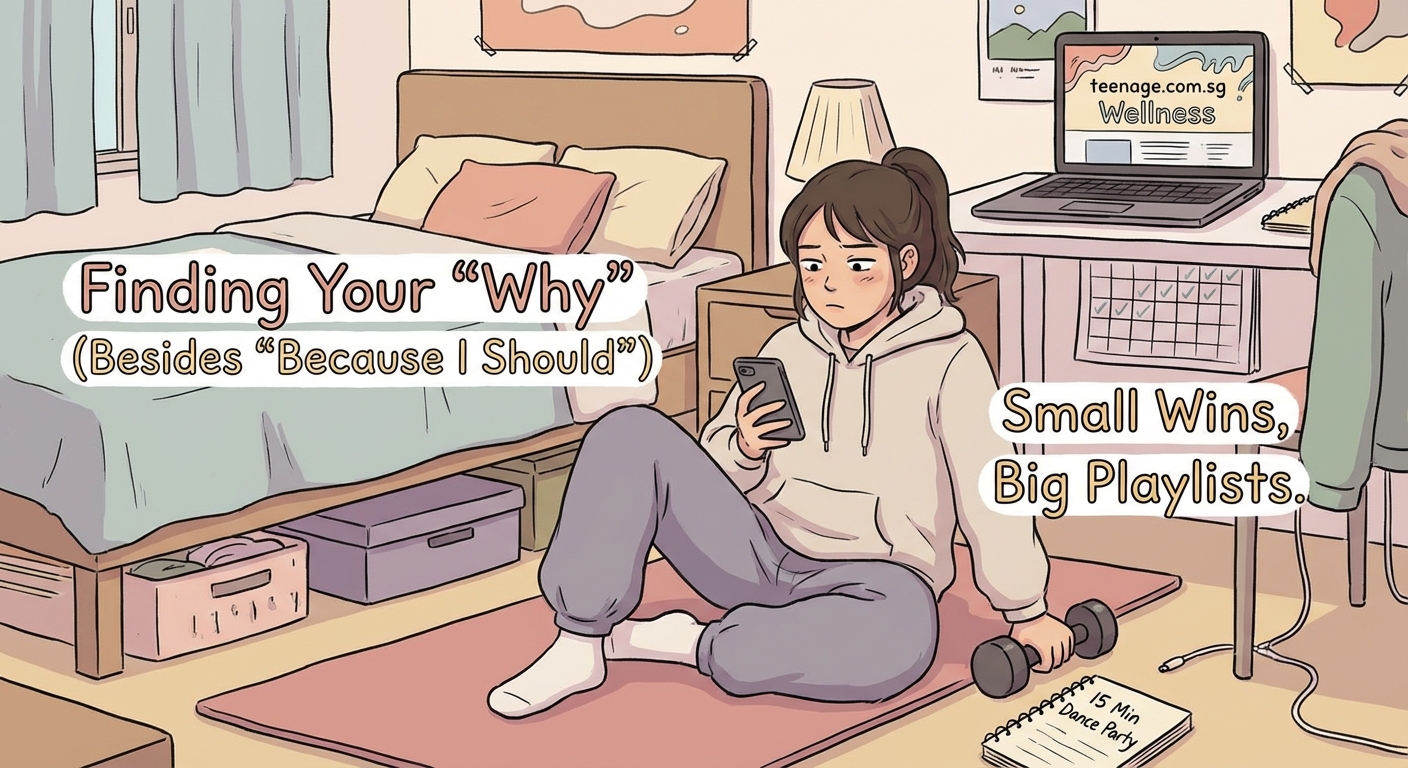
You’re going to have days when you don’t want to move at all. That’s normal. That’s not failure.
On those days, do the absolute minimum. Walk to the bathroom and back. Stretch for 30 seconds. Dance to one song. Something is always better than nothing, and keeping the habit alive matters more than the intensity.
“The best workout is the one you’ll actually do. If that means walking instead of running, or dancing instead of lifting weights, that’s fine. Movement is movement.”
Building sustainable habits means accepting that perfect consistency doesn’t exist. You’ll miss days. You’ll have weeks where everything falls apart. That doesn’t mean you quit. It means you’re human.
Mistakes people make when they hate exercise
Understanding what doesn’t work is just as important as knowing what does. Here are the most common traps:
| Mistake | Why It Fails | What to Do Instead |
|---|---|---|
| Starting too hard | Burns you out in days | Begin with five minutes |
| Copying someone else’s routine | Their preferences aren’t yours | Experiment to find your own |
| Making it complicated | Too many barriers to start | Keep it stupidly simple |
| Punishing yourself | Creates negative associations | Focus on how you feel after |
| Ignoring rest days | Leads to injury and burnout | Rest is part of the process |
| Waiting for motivation | Motivation is unreliable | Build systems, not goals |
Use technology without letting it control you
Apps can help, but they can also make you feel like garbage when you miss a streak or don’t hit arbitrary goals.
Use tech that serves you:
- Step counters to see patterns, not to stress about hitting 10,000 daily
- Playlist apps to make movement more enjoyable
- Video platforms to find workouts you can actually stand
- Calendar reminders to build consistency
Ignore tech that makes you feel worse:
- Apps that shame you for missing days
- Social features that turn movement into competition
- Complicated tracking that becomes a chore
- Anything that makes you obsess over numbers
Finding the right apps can make a difference, but remember that they’re tools, not bosses.
Reframe what “being active” actually means
You don’t need to become an athlete. You don’t need to post gym selfies. You don’t need to run marathons or lift heavy weights.
You just need to move your body enough that it stays functional and healthy. That’s it.
Being active means:
– Taking the stairs sometimes instead of never
– Walking to nearby places instead of always getting a ride
– Standing up and stretching every hour
– Playing active games with friends occasionally
– Doing physical tasks around the house
It doesn’t mean:
– Working out every single day
– Pushing through pain
– Following intense programs
– Eating perfectly to “fuel your workouts”
– Making fitness your entire personality
The goal is to be someone who moves regularly, not someone who loves exercise. Those are two completely different things.
What to do when you fall off track
You will fall off track. Everyone does. The difference between people who stay active long-term and people who quit forever is what happens next.
When you realize you haven’t moved in a week (or a month), don’t spiral. Don’t decide you’ve failed. Don’t start over with some intense new plan.
Just do five minutes today. That’s it. One small action to prove to yourself that you can still do this.
Falling off track isn’t failure. Staying off track because you’re too embarrassed to start again is.
Building a life that includes movement
The end goal isn’t to love exercise. It’s to build a life where movement happens naturally without you having to force it.
That might mean:
– Living somewhere you can walk to places
– Having friends who like active hangouts
– Owning a dog that needs daily walks
– Working a job that keeps you moving
– Having hobbies that involve physical activity
You’re not trying to become a different person. You’re trying to set up your life so that being active takes less effort than being sedentary.
Think long-term. What kind of 30-year-old, 40-year-old, or 50-year-old do you want to be? Someone who can hike with friends, play with future kids, or travel without getting exhausted? You’re building toward that version of yourself, one small movement at a time.
Making peace with movement
Look, you might never love exercise. That’s okay. Most people don’t, no matter what their Instagram posts suggest.
But you can find ways to move that don’t make you miserable. You can build habits that stick without turning fitness into your whole identity. You can be someone who takes care of their body without obsessing over it.
Start with five minutes today. Pick something that doesn’t sound completely terrible. Do it without judging yourself. Then do it again tomorrow, or the day after, or whenever you can manage it.
The point isn’t perfection. It’s progress. And progress, when you hate exercise, looks like showing up even when you don’t want to and finding ways to move that don’t make you want to quit forever. That’s enough.













Post Comment