5 Self-Care Practices That Cost Absolutely Nothing
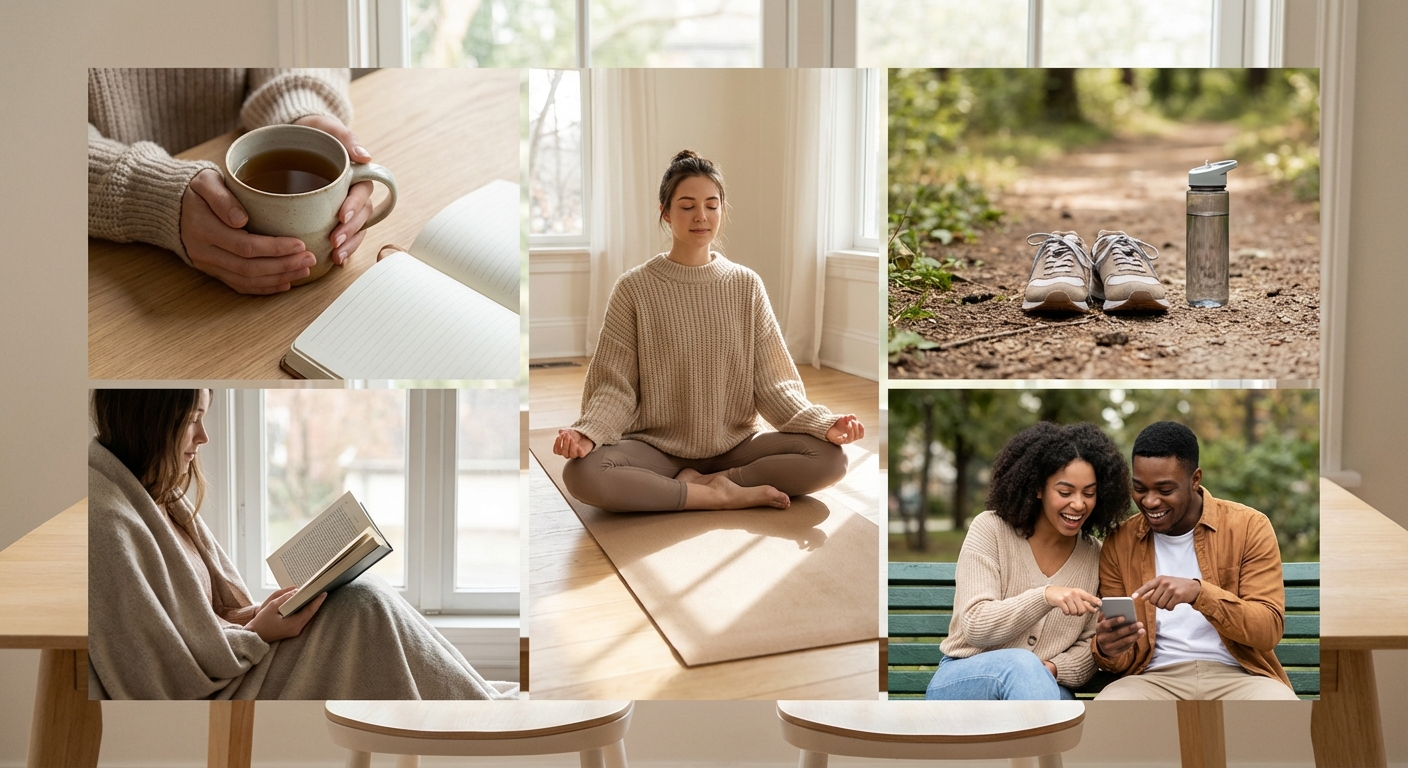
You don’t need a spa membership or expensive products to take care of yourself. When your bank account is running on empty but your stress levels are maxed out, free self care practices can be just as effective as anything money can buy. The best part? These methods are accessible right now, no matter where you are or what you’re dealing with.
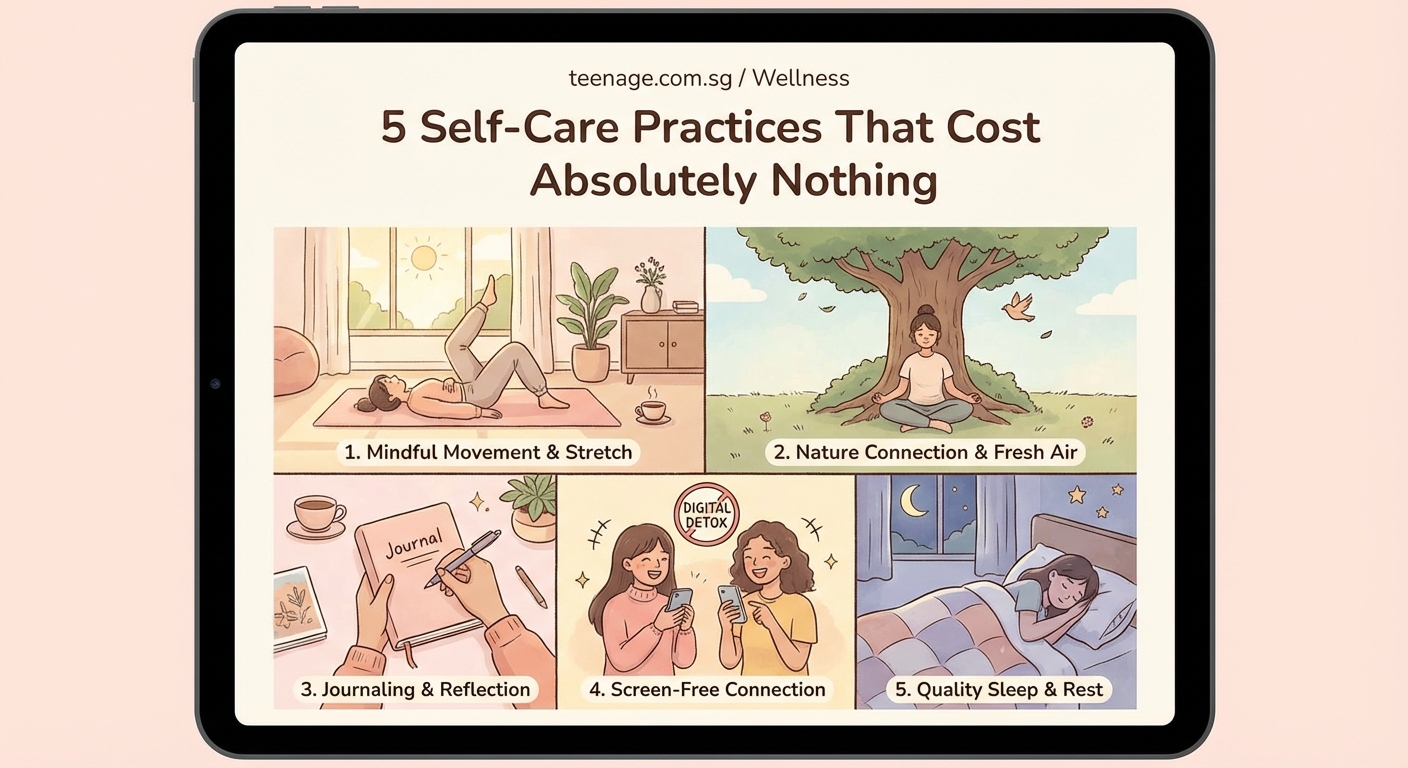
Self care doesn’t require spending money. Five completely free practices include breathwork exercises, movement breaks, digital detoxing, journaling for mental clarity, and connecting with nature. Each method offers measurable benefits for mental health and stress management. These techniques work independently or together, fitting seamlessly into busy schedules without adding financial pressure to already tight budgets.
Breathwork exercises that reset your nervous system
Your breath is the most underrated tool you already own. It costs nothing and works anywhere.
Deep breathing activates your parasympathetic nervous system. That’s the part of your body responsible for calming you down when stress hits. Three minutes of focused breathing can lower your heart rate and reduce cortisol levels.
Try the 4-7-8 technique when you’re feeling overwhelmed:
- Breathe in through your nose for 4 counts
- Hold your breath for 7 counts
- Exhale completely through your mouth for 8 counts
- Repeat this cycle 4 times
This pattern works because the extended exhale signals your body to relax. Students use this before exams. People practice it before job interviews. It works in your dorm room, on the bus, or right before a presentation.
Box breathing is another free option that athletes and military personnel swear by. Breathe in for 4, hold for 4, out for 4, hold for 4. The symmetry helps your mind focus while your body calms down.
“Breathwork is one of the fastest ways to shift your mental state without needing any tools or apps. Your breath is always with you, making it the most accessible form of self care available.” – Dr. Andrew Huberman, Neuroscientist
Set a phone reminder for three breathing sessions daily. Morning, midday, and before bed. Each session takes less time than scrolling through one TikTok video.
Movement breaks that don’t require a gym membership
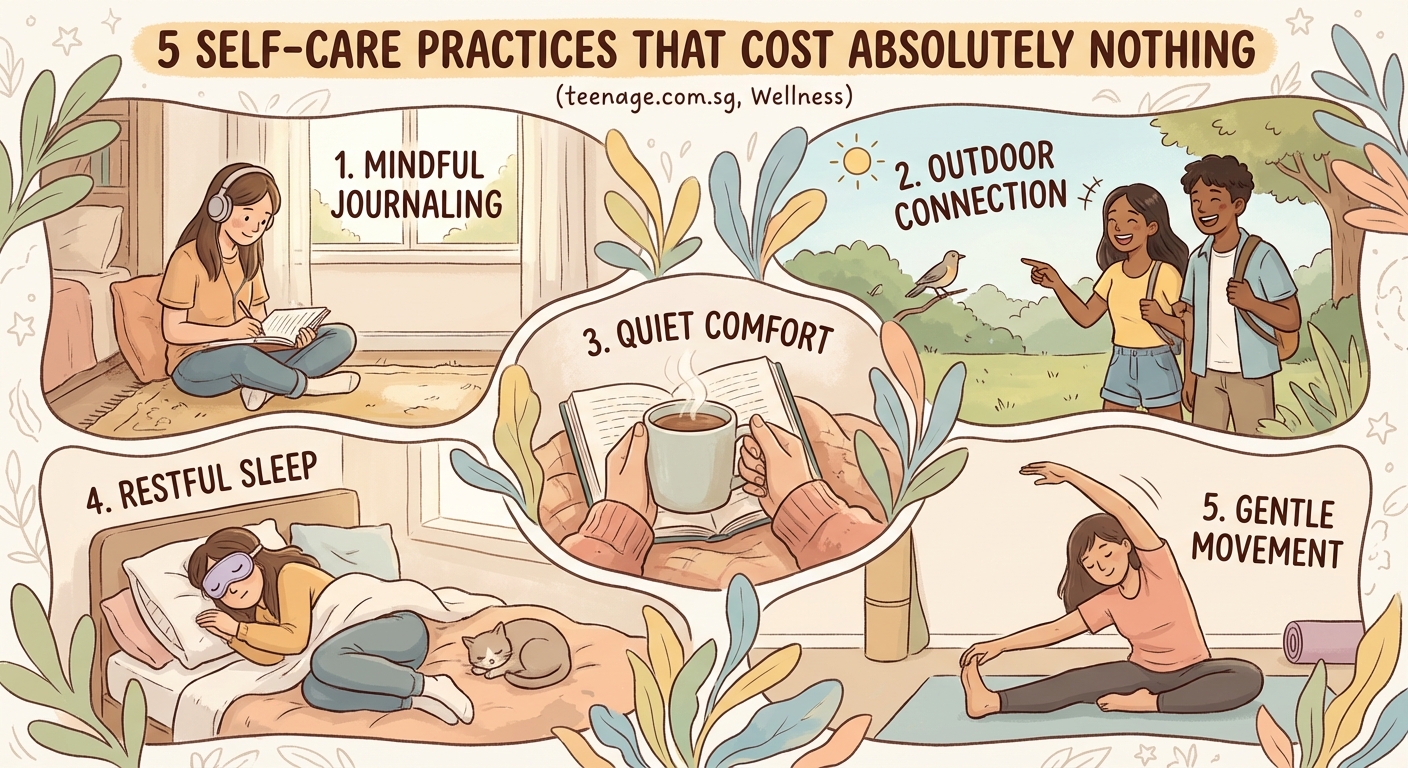
You don’t need workout equipment or a fancy studio to move your body in ways that matter.
Movement releases endorphins. These are natural mood boosters your brain produces for free. Even 10 minutes of movement can improve your mental state for hours afterward.
Here are free movement options that work:
- Walking around your neighborhood or campus
- Dancing to your favorite playlist in your room
- Stretching while watching Netflix
- Taking the stairs instead of the elevator
- Following free yoga videos on YouTube
- Playing with pets at a local park
- Doing bodyweight exercises between study sessions
The goal isn’t to burn calories or build muscle. It’s to get your blood flowing and give your mind a break from whatever’s stressing you out.
Create a 15-minute movement routine you can do in your bedroom. Five minutes of stretching, five minutes of dancing, five minutes of basic exercises like squats or push-ups. No equipment needed. No gym membership required.
If you hate traditional exercise, building a simple morning routine with gentle movement can make it feel less like a chore.
Research shows that people who take regular movement breaks report better focus and lower anxiety levels. The movement doesn’t need to be intense. It just needs to happen.
Digital detox periods that protect your mental energy
Your phone is draining you more than you realize. Taking intentional breaks from screens is free self care that pays massive dividends.
Social media comparison, endless notifications, and information overload all contribute to mental exhaustion. A digital detox doesn’t mean deleting everything. It means creating boundaries.
Start with these small changes:
- Turn off non-essential notifications
- Put your phone in another room while sleeping
- Designate one hour daily as phone-free time
- Delete apps that make you feel worse about yourself
- Use grayscale mode to make scrolling less appealing
- Set app time limits through your phone’s built-in features
One study found that people who took a one-week break from social media reported significantly lower anxiety and depression scores. You don’t need a full week. Even one day makes a difference.
Try a Sunday reset where you avoid social media entirely. Use that time for other free self care activities instead. Read a book from the library. Call a friend. Take a walk. Understanding what your screen time says about your mental health can help you make better choices about your device usage.
The digital world will still be there when you come back. Your mental health needs the break more than you need to see what everyone else is doing.
Journaling practices that clear mental clutter
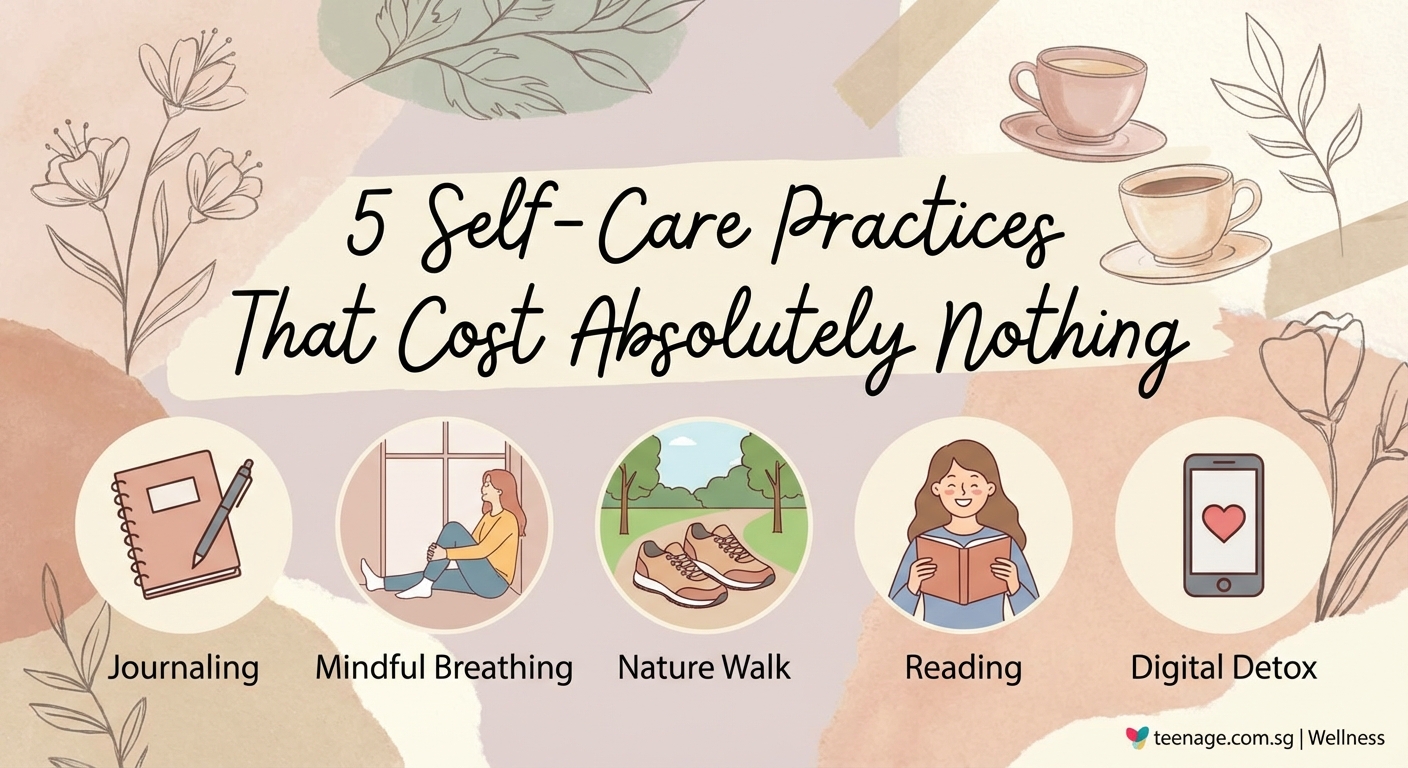
Writing things down is one of the most powerful free tools for processing emotions and reducing stress.
Journaling doesn’t require a fancy notebook or perfect handwriting. You can use any scrap paper, the notes app on your phone, or a free document on your computer. The medium doesn’t matter. The practice does.
Different journaling methods serve different purposes:
| Journaling Type | Best For | Time Needed |
|---|---|---|
| Stream of consciousness | Processing emotions | 10-15 minutes |
| Gratitude lists | Shifting perspective | 5 minutes |
| Brain dumps | Clearing mental clutter | 10 minutes |
| Future self letters | Goal setting | 15-20 minutes |
| Worry time | Managing anxiety | 10 minutes |
Stream of consciousness writing means putting pen to paper and writing whatever comes to mind without editing or judging. This helps get racing thoughts out of your head and onto paper where they feel more manageable.
Gratitude journaling works even when life feels terrible. Write three things you’re grateful for each day. They don’t need to be big. “My bed was comfortable” counts. “I had clean water” counts. Small gratitudes add up.
Brain dumps help when your mind feels too full. Set a timer for 10 minutes and write every single thought, task, worry, or idea bouncing around your head. Getting it all out makes it easier to sort through what actually matters.
If managing exam stress feels overwhelming, journaling about your worries can help you identify which concerns are real and which are just anxiety spiraling.
The act of writing engages different parts of your brain than thinking does. This creates distance between you and your problems, making them easier to solve.
Nature connection that costs nothing but time
Getting outside and connecting with nature is free medicine that most people underuse.
You don’t need to live near mountains or beaches. Any outdoor space works. A local park, your backyard, a tree-lined street, or even a community garden all count as nature exposure.
Research consistently shows that spending time in nature reduces stress hormones, lowers blood pressure, and improves mood. Even 20 minutes outside makes a measurable difference.
Ways to connect with nature for free:
- Sit under a tree and actually look at it
- Watch clouds move across the sky
- Listen to birds without your headphones in
- Walk barefoot on grass
- Watch the sunrise or sunset
- Collect interesting leaves or rocks
- Find a quiet outdoor spot to read
- Observe insects or small animals
- Notice how the air smells different outside
The key is being present. Don’t scroll while you’re outside. Don’t listen to podcasts or music. Just be there. Notice what you see, hear, smell, and feel.
Seasonal changes offer different nature experiences throughout the year. Summer evenings, autumn leaves, winter frost, spring flowers. Each season provides free sensory experiences that ground you in the present moment.
If you live in an urban area with limited green space, even looking at plants through a window or tending to a small indoor plant provides some nature connection benefits. It’s not as powerful as being outside, but it’s better than nothing.
Simple morning habits that include brief outdoor time can set a better tone for your entire day.
Common mistakes people make with free self care
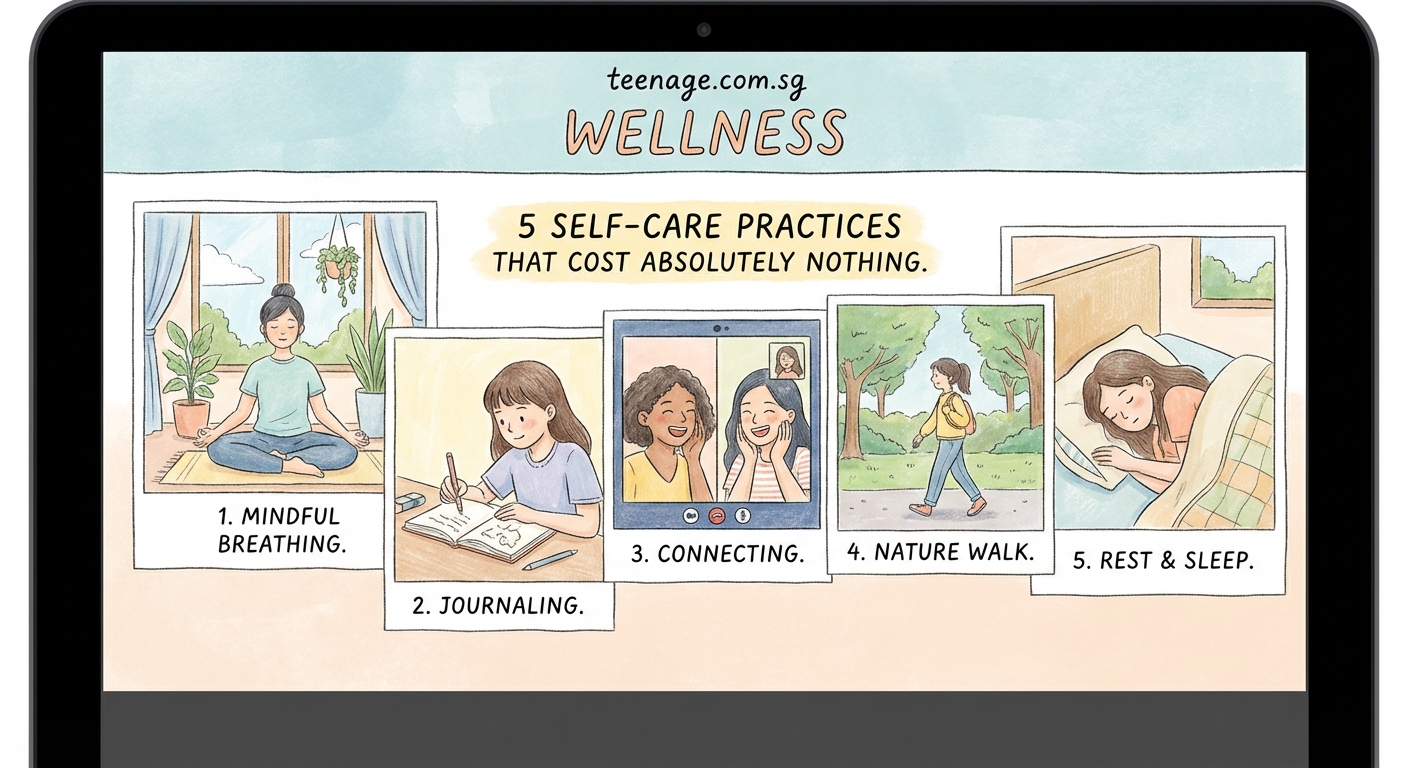
Knowing what doesn’t work is just as important as knowing what does.
Many people try free self care practices once, don’t feel immediately transformed, and give up. That’s the biggest mistake. These practices are cumulative. The benefits build over time with consistent practice.
Other common errors include:
- Trying to do everything at once instead of starting with one practice
- Expecting self care to fix all problems instantly
- Only practicing self care when you’re already in crisis mode
- Judging yourself for “not doing it right”
- Skipping self care because you feel too busy
- Comparing your practice to what others post on social media
Self care isn’t a performance. You don’t need to post about it or make it aesthetic. You just need to do it in whatever way works for your life.
Another mistake is treating self care as selfish. Taking care of your mental health isn’t indulgent. It’s necessary maintenance. You can’t pour from an empty cup, as the saying goes.
Some people also confuse self care with self-soothing. Scrolling TikTok for three hours isn’t self care. It’s avoidance. Real self care sometimes feels uncomfortable in the moment but leaves you feeling better afterward.
Building your personal free self care routine
The best self care routine is one you’ll actually stick to. That means keeping it simple and realistic for your actual life.
Start by choosing just one practice from this article. Not all five. Just one. Do that consistently for two weeks before adding anything else.
Track your practice without making it complicated. Put a checkmark on your calendar each day you do it. After two weeks, you’ll have visual proof of your consistency, which motivates you to keep going.
Here’s a sample daily routine using all five practices:
- Morning: 5 minutes of breathwork right after waking up
- Midday: 15-minute walk or movement break between classes or work tasks
- Afternoon: 30 minutes of digital-free time
- Evening: 10 minutes of journaling before bed
- Anytime: 20 minutes outside when possible
This entire routine costs nothing and takes about 80 minutes total. You can split it throughout your day. You can adjust the timing. You can skip days when life gets chaotic without feeling guilty.
The practices work together. Movement makes journaling easier because physical activity helps process emotions. Nature time makes breathwork more effective because outdoor air helps you breathe deeper. Digital detox creates space for all the other practices.
Balancing school, social life, and self care becomes more manageable when you have a consistent routine that doesn’t drain your wallet.
Remember that self care looks different for everyone. What works for your roommate might not work for you. What works for you in summer might not work in winter. Stay flexible and adjust as needed.
Making free self care stick when motivation fades
Motivation is unreliable. Systems are what keep you going when you don’t feel like it.
Attach your self care practices to existing habits. This is called habit stacking. Breathwork after brushing your teeth. Journaling after making your bed. Movement during your lunch break. Nature time on your walk to class.
When you link new practices to established routines, you don’t need to remember them separately. They become automatic parts of your day.
Set up your environment to support your practices. Keep a journal by your bed. Set your walking shoes by the door. Put your phone charger in another room so you’re not tempted to scroll first thing in the morning.
Find an accountability partner who also wants to prioritize free self care. Text each other when you complete your practices. Share what’s working and what isn’t. Support each other on hard days.
Expect setbacks. You’ll miss days. You’ll fall off track. That’s normal. The difference between people who maintain self care practices and those who don’t isn’t perfection. It’s the ability to start again after stopping.
One missed day doesn’t erase your progress. Just begin again the next day without judgment or negative self-talk.
Self care that fits your actual life
The most expensive self care product in the world won’t help if you can’t afford it or won’t use it consistently. These five free practices work because they’re accessible right now, regardless of your financial situation.
Start small. Pick one practice. Do it today. Then do it again tomorrow. Build from there.
Your mental health matters just as much as anyone else’s, regardless of how much money you have. These self care ideas that cost nothing prove that taking care of yourself doesn’t require spending money you don’t have. It just requires showing up for yourself, even in small ways, even on hard days.
The practices in this article have helped countless people manage stress, reduce anxiety, and improve their overall wellbeing without spending a single dollar. They can do the same for you.














Post Comment