Why Everyone’s Suddenly Making Fan Edits and How You Can Start Too
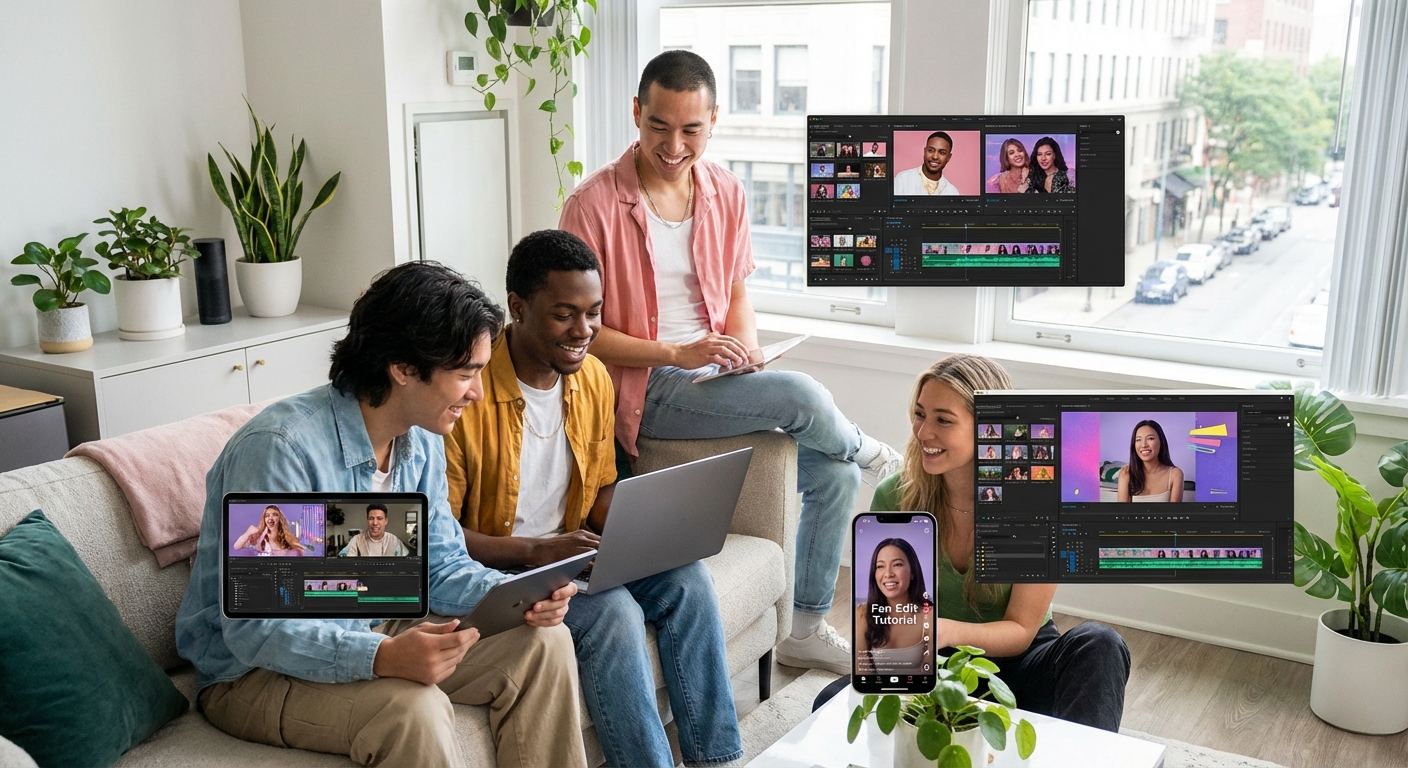
You’ve probably scrolled past them a dozen times today. A dramatic slow-motion clip of your favorite character, perfectly synced to a trending song, with text overlays that somehow capture exactly how you feel about them. That’s a fan edit, and they’ve become one of the most popular forms of creative expression on social media right now.
Fan edits are short video compilations that celebrate characters, celebrities, or moments from shows, movies, and other media. Created by fans using editing apps, these videos combine clips, music, effects, and text to express appreciation or reinterpret content. They’ve exploded on TikTok and Instagram, becoming a core part of modern fandom culture and a creative outlet for millions of young people worldwide.
Understanding what fan edits actually are
Fan edits are user-created videos that remix existing content into something new and personal. Think of them as visual love letters to whatever you’re obsessed with right now.
The basic formula is simple. You take clips from a show, movie, or other source material. You add music that matches the vibe. You layer in transitions, effects, and text. The result is usually 15 to 60 seconds of pure concentrated appreciation for a character, ship (romantic pairing), or moment.
But calling them “simple” doesn’t do them justice. The best fan edits are genuinely artistic. Creators spend hours finding the perfect clips, timing cuts to musical beats, color grading footage, and crafting narratives that might not exist in the original content.
They’re different from fan videos or AMVs (anime music videos) that older fans might remember. Those were typically longer, more narrative-focused, and lived on YouTube. Fan edits are designed for the TikTok and Instagram generation: punchy, emotional, and built for repeat viewing.
Why fan edits have taken over your feed
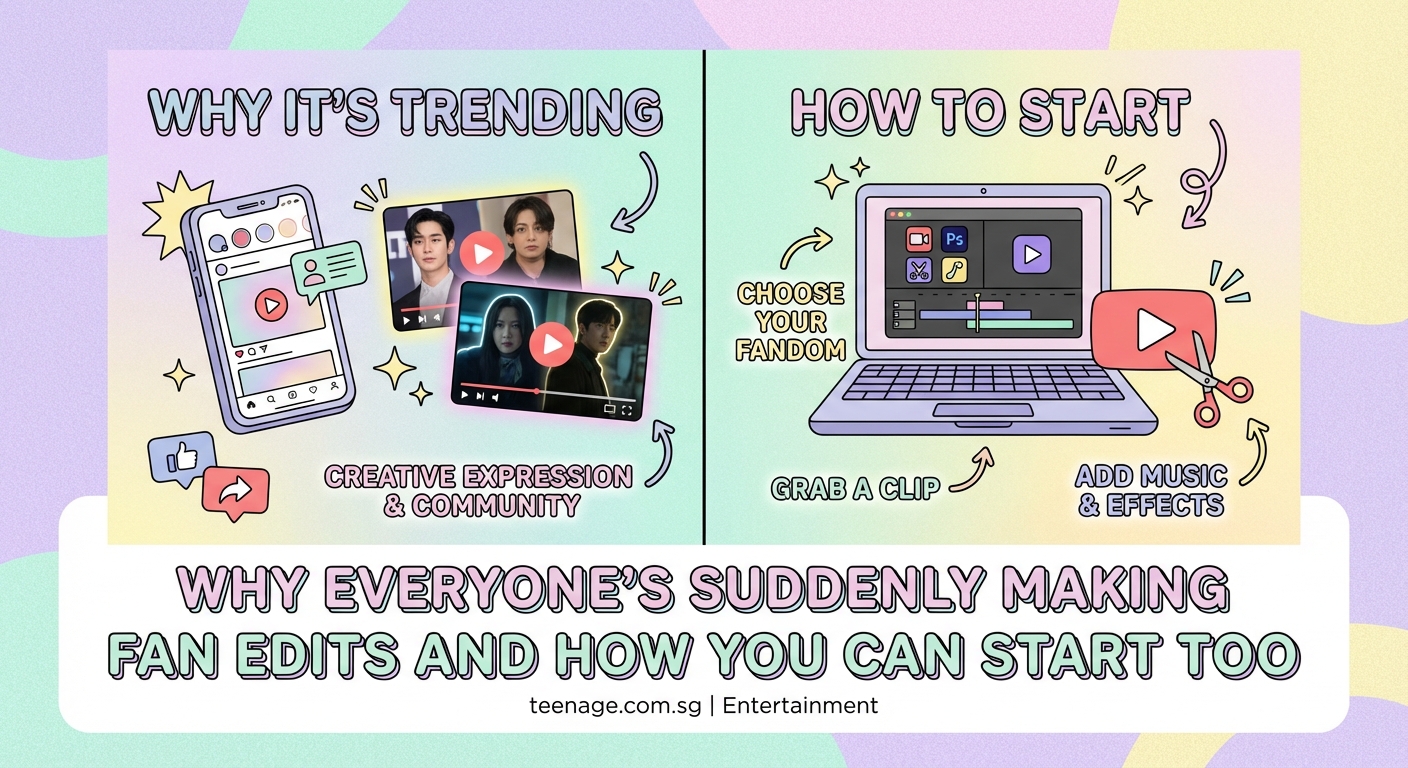
The explosion of fan edits isn’t random. Several factors collided to make them the phenomenon they are today.
Accessibility of editing tools changed everything. Apps like CapCut, VideoLeap, and VN Video Editor put professional-level editing capabilities in everyone’s pocket. You don’t need expensive software or a computer anymore. You can create a polished edit on your phone during lunch break.
Algorithm-friendly format matters too. These short, engaging videos are exactly what platforms like TikTok and Instagram want. They keep people scrolling, they get rewatched, and they inspire others to create their own versions.
Emotional connection drives the whole thing. Fan edits let you express feelings about characters or stories that matter to you. They’re a way to say “this moment destroyed me” or “this character deserves the world” in a format that other fans instantly understand.
The communal aspect can’t be ignored either. When you post an edit, you’re signaling to other fans that you get it. You’re part of the same emotional experience. Comments sections become spaces where people bond over shared obsessions, often with why everyone’s talking about the latest k-drama that just dropped on Netflix or whatever show is currently dominating the cultural conversation.
Different types of fan edits you’ll encounter
Not all fan edits serve the same purpose. The community has developed distinct categories, each with its own conventions and audience expectations.
Character appreciation edits focus on a single character, showcasing their best moments, personality traits, or character development. These often use songs that match the character’s vibe or story arc.
Ship edits highlight romantic relationships or potential pairings. These can get incredibly creative, sometimes finding chemistry or subtext that casual viewers might miss entirely.
Scene packs compile specific types of moments. Funny scenes, sad scenes, badass moments, or even just clips of a character smiling. These serve as resources for other editors while also being entertaining on their own.
Aesthetic edits prioritize visual cohesion over narrative. They might focus on color palettes, specific cinematography styles, or creating a particular mood through careful clip selection and effects.
Thematic edits tell a story or explore a concept. These might recontextualize scenes to create new meaning, explore “what if” scenarios, or highlight themes the original content touches on.
The creative process behind making fan edits
Creating a fan edit involves more than just slapping clips together. There’s a real craft to it, and experienced editors develop sophisticated techniques over time.
Here’s how most creators approach the process:
-
Choose your focus and collect source material. Decide what character, ship, or moment you want to celebrate. Download or screen record high-quality clips from the source material. Organization matters here because you’ll be sorting through potentially hundreds of clips.
-
Select your audio. The song choice makes or breaks an edit. It needs to match the emotional tone you’re going for and have a rhythm that allows for satisfying cuts. Trending sounds can help your edit get discovered, but sometimes a lesser-known track fits better.
-
Map out your edit structure. Before you start cutting, think about pacing. Where do you want emotional peaks? Which clips showcase what you’re trying to express? The best edits have intentional flow, not just random clip sequences.
-
Edit with intention. Cut clips to the beat. Use transitions that enhance rather than distract. Add effects that serve the mood. Layer text that adds meaning without cluttering the screen. Color grade if it helps create visual cohesion.
-
Review and refine. Watch your edit multiple times. Does it flow? Do the cuts feel natural? Is anything too fast or too slow? Small adjustments in timing can make huge differences in how an edit feels.
Technical elements that elevate fan edits
Understanding some key technical concepts helps you create edits that stand out. You don’t need to master everything at once, but knowing what’s possible opens up creative options.
| Element | Purpose | Common Mistakes |
|---|---|---|
| Beat matching | Syncing cuts to musical beats creates satisfying rhythm | Cutting off-beat or ignoring the music entirely |
| Transitions | Smooth movement between clips maintains flow | Overusing flashy transitions that distract from content |
| Color grading | Creates visual cohesion across different clips | Making everything too saturated or using inconsistent filters |
| Velocity changes | Speed ramps add drama and emphasize moments | Overusing slow motion or making speed changes jarring |
| Text overlays | Adds context, emotion, or humor | Using too much text, poor font choices, or bad placement |
| Audio mixing | Balances music with any dialogue or sound effects | Letting dialogue get drowned out or having harsh audio cuts |
The velocity aspect deserves special attention. Speed ramping, where you slow down or speed up footage, has become a signature element of modern fan edits. Done well, it adds incredible impact. A character turning around in slow motion as the beat drops can give viewers actual chills.
Tools and apps that make editing accessible
You don’t need a film degree or expensive equipment to start making fan edits. These apps have democratized the entire process.
CapCut has become the go-to choice for most creators. It’s free, intuitive, and packed with features. The app includes trending templates, but serious editors use it for its robust timeline editing, keyframing capabilities, and effect options.
VideoLeap offers more advanced features for creators ready to level up. The masking tools and layer system give you finer control over effects and compositions.
VN Video Editor appeals to people who want a cleaner interface without sacrificing functionality. It’s particularly good for precise cuts and audio work.
Prequel focuses on filters and effects. Many editors use it for color grading before bringing clips into their main editing app.
InShot works well for beginners. It’s straightforward and covers all the basics without overwhelming new users.
Most editors actually use multiple apps in their workflow. They might color grade in one app, do main editing in another, and add final touches in a third. There’s no single “correct” approach.
How fan edits fit into modern fandom culture
Fan edits represent an evolution in how people engage with media they love. They’re participatory rather than passive, creative rather than purely consumptive.
“Creating fan edits is how I process my feelings about stories and characters. It’s not enough to just watch anymore. I need to interact with the content, reshape it, make it mine in some way. That’s what editing gives me.” – Common sentiment among fan edit creators
This shift matters because it changes the relationship between audiences and content. Fans aren’t just receiving stories; they’re actively reinterpreting and adding to them.
The community aspect runs deep. Edit communities on TikTok and Instagram function as creative collectives where people share techniques, give feedback, and collaborate. Comment sections become masterclasses where experienced editors explain how they achieved specific effects.
There’s also an archival quality to fan edits. They preserve moments and feelings from specific points in a fandom’s lifecycle. An edit created during a show’s original run captures the real-time emotional experience in a way that later retrospectives can’t quite match.
Common challenges new editors face
Starting out with fan editing comes with a learning curve. Knowing what to expect helps you push through the frustrating early stages.
Finding quality source material trips up many beginners. Low-resolution clips look terrible once you start editing them. Learning where to find high-quality versions of your source material saves hours of frustration.
Timing issues plague early edits. New editors often cut too fast, trying to cram too much into a short video. Learning that sometimes holding on a clip for an extra second creates more impact than rapid-fire cutting takes practice.
Effect overload is tempting when you first discover all the cool things editing apps can do. But restraint usually produces better results. Not every transition needs to be a dramatic swirl.
Audio balance causes problems too. Background music drowning out important dialogue, or harsh volume changes between clips, can ruin an otherwise good edit.
Comparison paralysis stops some people before they even start. Seeing incredible edits from experienced creators and thinking “I could never make something that good” prevents people from beginning their own journey.
The truth is that every editor you admire started with terrible first attempts. The difference between them and people who quit is that they kept making edits despite the early results being rough.
The relationship between fan edits and copyright
This is the complicated part. Fan edits exist in a legal gray area that’s worth understanding, even if it doesn’t have easy answers.
Technically, fan edits use copyrighted material without permission. They’re derivative works that could theoretically face takedowns or legal action.
In practice, most studios and creators tolerate fan edits because they recognize the promotional value. A viral edit can drive massive interest in a show or movie. It’s free marketing that comes with genuine enthusiasm.
Platforms handle this differently. TikTok and Instagram sometimes mute audio or remove videos if copyright holders file claims. YouTube is stricter and more likely to take down or demonetize fan content.
Some creators try to minimize risk by:
- Using shorter clips rather than extended scenes
- Transforming the content significantly through editing
- Avoiding monetization
- Crediting the source material
- Removing edits if requested
None of these guarantee protection, but they reflect an attempt to exist respectfully within the space between fan expression and intellectual property rights.
The community generally operates on good faith. Most fan editors genuinely love the source material and want to celebrate it, not profit from someone else’s work.
Why fan edits matter beyond entertainment
Dismissing fan edits as just another internet trend misses their broader significance. They represent a shift in creative expression and media literacy.
Editing skills transfer to other areas. People who start making fan edits often develop genuine video production capabilities. They learn composition, pacing, storytelling, and technical skills that apply to professional work.
Critical engagement with media deepens when you edit it. You notice cinematography choices, acting nuances, and narrative structures you’d miss as a passive viewer. Editing makes you a more sophisticated media consumer.
Creative confidence builds through making and sharing edits. Posting your work and receiving positive feedback from the community encourages further creative exploration. Many people discover broader artistic interests through fan editing.
Community building happens organically. Fan edit communities often become support networks where people form genuine friendships based on shared interests and creative collaboration.
The low barrier to entry matters too. You don’t need special equipment, training, or permission to start creating. That accessibility makes fan editing a genuinely democratic art form.
Getting started with your first fan edit
If you’ve read this far, you’re probably thinking about making your own edit. Here’s how to actually begin.
Start small. Don’t aim for a masterpiece on your first attempt. Pick a character you love and a song that reminds you of them. Find five to ten clips that capture what you want to express.
Download CapCut or another free editing app. Spend 20 minutes just playing with it. Import some clips. Try cutting them to a beat. Add a simple transition. See what happens.
Your first edit will probably be rough. That’s completely normal and expected. Post it anyway, or keep it private if you’re not ready to share. The point is completing something, not creating perfection.
Watch edits you admire and try to identify specific techniques. How did they time that cut? What transition did they use there? Reverse engineering edits you love teaches you faster than any tutorial.
Join the community. Follow other editors. Comment on their work. Ask questions. Most fan editors are incredibly generous about sharing knowledge because they remember being beginners themselves.
Practice consistently. Making one edit a week will improve your skills faster than making one perfect edit a month. Volume matters when you’re learning.
Finding your unique editing style
As you create more edits, you’ll naturally develop preferences and techniques that become your signature style. Some editors are known for specific color grading approaches. Others become famous for particular types of transitions or their skill with velocity changes.
Your style emerges from what you pay attention to and what you value in edits. If you love emotional storytelling, your edits might focus on narrative flow and meaningful clip selection. If you’re drawn to aesthetics, you might develop a distinctive visual treatment.
Don’t force it. Style develops organically as you make more work and discover what feels right to you. Trying to copy someone else’s style exactly usually results in edits that feel hollow.
Experiment with different approaches. Try making an edit that’s completely different from your usual work. Use a genre of music you normally wouldn’t choose. Focus on a different aspect of the source material. These experiments often reveal new directions worth pursuing.
Pay attention to what people respond to in your work. If viewers consistently comment on your color grading or your song choices, that might be a strength worth leaning into.
The future of fan editing
Fan edit culture continues evolving as tools improve and platforms change. AI-assisted editing features are starting to appear in apps, making some technical processes easier while raising questions about what counts as “real” editing.
Vertical video has become the dominant format, optimized for phone screens and platform algorithms. This changes composition choices and how editors think about framing.
Cross-platform posting is becoming more common. Creators make versions of the same edit optimized for TikTok, Instagram Reels, and YouTube Shorts, each with slightly different timing or formatting to match platform expectations.
The line between fan edits and professional content keeps blurring. Some studios now create official content that mimics fan edit aesthetics, recognizing the style’s appeal to younger audiences.
Why this creative movement isn’t going anywhere
Fan edits have become too embedded in how young people interact with media to be a passing trend. They serve real needs: creative expression, community connection, and active engagement with stories that matter to viewers.
The tools keep getting better and more accessible. The community keeps growing and developing more sophisticated techniques. New shows and movies constantly provide fresh material for creative reinterpretation.
Whether you want to try making your own edits or just understand what you’re seeing on your feed, fan edits represent something genuinely interesting happening in digital culture. They’re proof that audiences aren’t passive anymore. We’re all creators now, reshaping the media we consume into something personal and meaningful.
Start with one edit. Pick a character you can’t stop thinking about and a song that captures how they make you feel. Spend an hour playing with clips and cuts. See what happens. You might surprise yourself with what you create.














Post Comment