What’s Really Happening at Singapore’s First-Ever Youth Climate Summit Next Week

Climate change isn’t just something we read about in textbooks anymore. It’s showing up in our daily lives through extreme weather, rising temperatures, and headlines that make us anxious about the future. That’s exactly why the Singapore youth climate summit has become such a big deal for students and young activists across the island.
The Singapore youth climate summit brings together students, educators, and young activists to discuss local climate action through workshops, panel discussions, and networking sessions. Participants learn practical sustainability skills, connect with environmental organizations, and develop actionable projects for their schools and communities. Registration typically opens several weeks before the event, with both in-person and virtual attendance options available for different participation levels.
What makes this summit different from other climate events
Most environmental conferences feel stuffy and corporate. Lots of suits. Lots of jargon. Not a lot of space for actual young voices.
This summit flips that script completely.
The entire event is designed by young people, for young people. Students help plan the agenda. Youth activists lead the workshops. Teen entrepreneurs pitch their green startups.
You won’t sit through boring PowerPoint presentations for hours. Instead, expect interactive sessions where you actually get to work on real solutions. Think design thinking workshops where you brainstorm ways to reduce plastic waste in school canteens. Or breakout rooms where you team up with other students to create climate action plans.
The energy feels more like attending pop-up events than sitting in a lecture hall. There’s music during breaks. Art installations made from recycled materials. Food stalls serving sustainable snacks.
Who should attend the summit
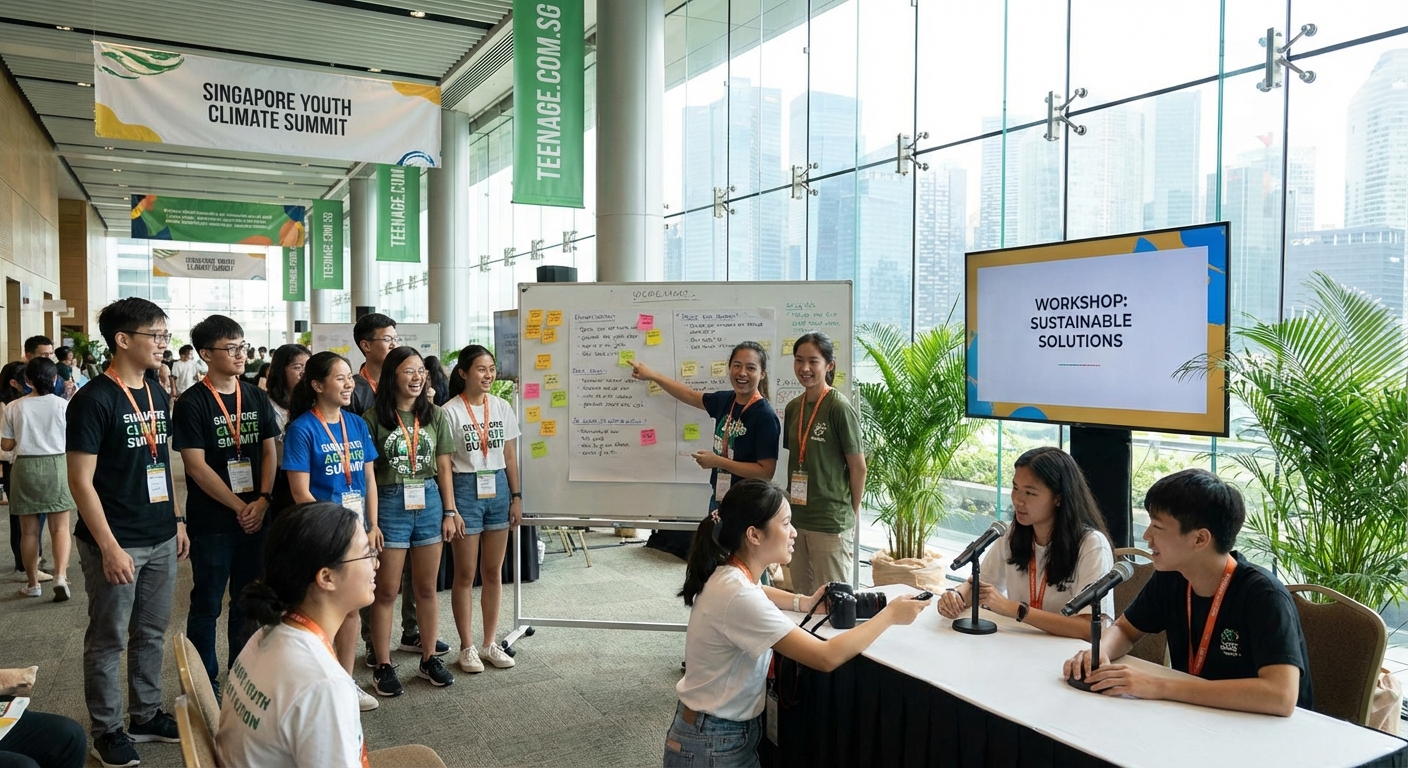
You don’t need to be an environmental science major to show up. The summit welcomes anyone who cares about the planet’s future.
Here’s who you’ll meet:
- High school students working on sustainability projects for their CCAs
- University students studying environmental policy or green technology
- Young professionals starting eco-friendly businesses
- Teachers looking for ways to bring climate education into their classrooms
- Artists using their work to raise awareness about environmental issues
- Tech enthusiasts building apps for tracking carbon footprints
Some attendees arrive with years of activism experience. Others are just starting to learn about climate issues. Both groups find value because the sessions cater to different knowledge levels.
If you’re the type who likes joining clubs and societies, this event connects you with Singapore’s most active environmental groups. You’ll leave with contact info for organizations that match your interests and schedule.
How to register and what it costs
Registration usually opens about six weeks before the summit date. The process takes less than five minutes.
Follow these steps:
- Visit the official summit website and click the registration button
- Fill in your basic details including name, age, school or organization
- Select your preferred workshop tracks based on your interests
- Choose between in-person or virtual attendance
- Submit your registration and check your email for confirmation
Most youth climate summits in Singapore keep costs low to ensure accessibility. Student tickets typically range from free to $15. Some schools sponsor group registrations, so check with your environmental club or student council.
Virtual attendance is usually free. You get access to live-streamed keynote speeches and some online workshops. The in-person experience offers more networking opportunities and hands-on activities, but virtual works great if you have scheduling conflicts or prefer learning from home.
Early bird rates sometimes apply. Register within the first week and you might save a few dollars or get priority access to popular workshop slots.
What happens during the summit
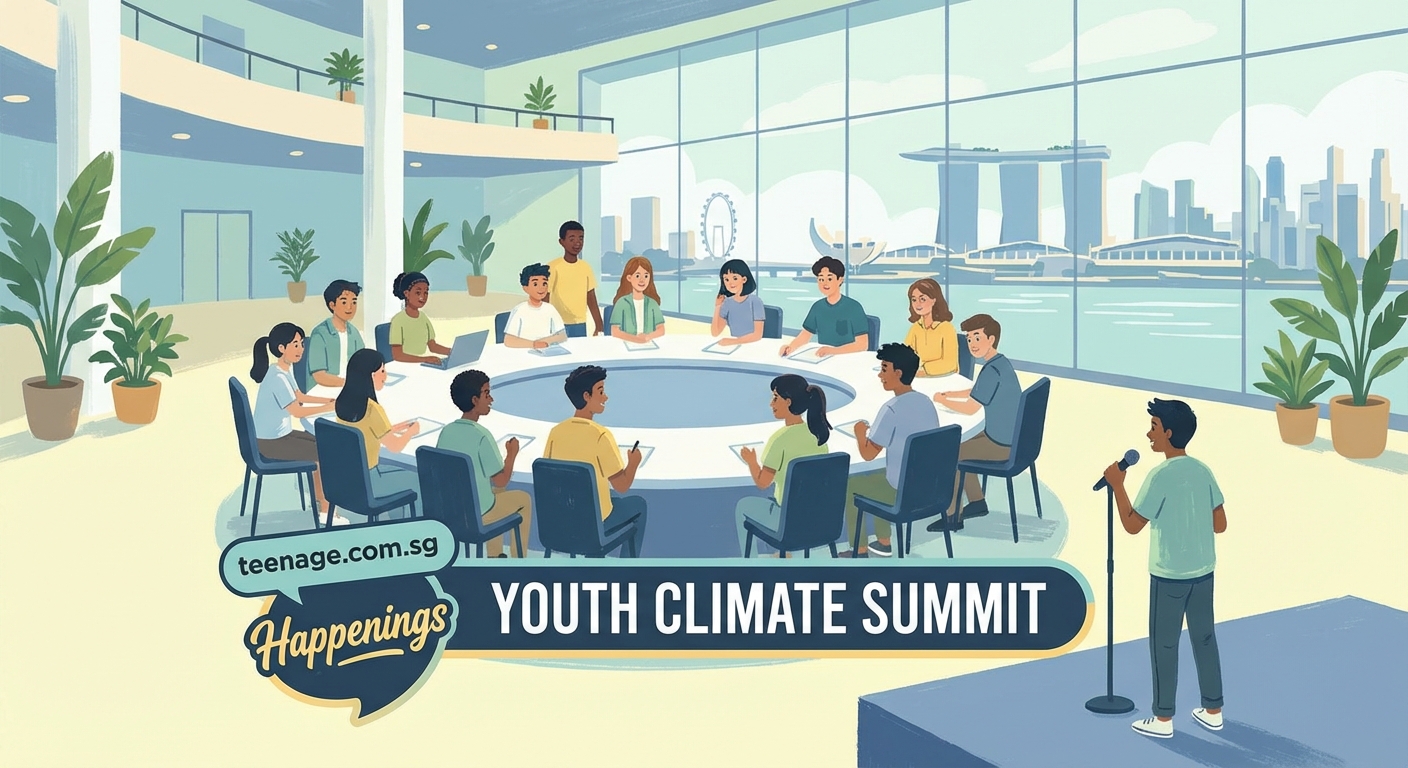
The schedule packs a lot into one or two days. Here’s a typical breakdown:
Morning sessions start with a keynote from a young climate leader. Past speakers have included teen activists who organized beach cleanups, students who convinced their schools to go solar, and young entrepreneurs running zero-waste businesses.
Mid-morning workshops split attendees into smaller groups. You pick your track during registration. Options might include sustainable fashion, urban farming, climate policy advocacy, or green technology innovation.
Lunch breaks aren’t just about eating. Food vendors showcase sustainable cuisine. You’ll find plant-based options, locally sourced ingredients, and creative uses for food that would otherwise go to waste. The networking happens naturally while you’re grabbing food and chatting with people at your table.
Afternoon activities get more hands-on. You might participate in a beach cleanup simulation, learn to build a mini compost bin, or join a design sprint for a climate app. These sessions focus on skills you can actually use.
Evening panels bring together diverse voices. Expect discussions between government officials, business leaders, and youth activists. The format encourages audience questions, so you can challenge ideas and get real answers.
Some summits add entertainment elements. Past events featured eco-fashion shows, performances by musicians who write climate-themed songs, and art exhibitions from students using recycled materials.
Workshop tracks you can choose from
The summit offers multiple learning paths. Pick based on what you want to accomplish.
| Track | Focus | Best For |
|---|---|---|
| Climate Science | Understanding data, research methods, environmental systems | Students interested in STEM careers |
| Activism & Advocacy | Organizing campaigns, public speaking, policy change | Natural leaders who want to mobilize others |
| Sustainable Business | Green entrepreneurship, circular economy, impact investing | Future founders and business-minded students |
| Creative Communication | Climate storytelling, social media campaigns, art activism | Artists, writers, content creators |
| Technology Solutions | Apps, AI for sustainability, renewable energy tech | Coders and tech enthusiasts |
| Local Action | Community projects, school initiatives, neighborhood programs | Students wanting immediate local impact |
Each track runs multiple sessions throughout the day. You’re not locked into one path. Mix and match workshops that interest you.
The sustainable business track teaches practical skills like building a budget for your green startup or pitching to investors. The creative communication sessions help you craft messages that actually make people care, similar to how viral challenges spread awareness for good causes.
Common mistakes to avoid at climate summits
First-time attendees often make these errors:
Showing up without business cards or contact info ready. You’ll meet so many interesting people. Have a way for them to reach you later. Create a simple digital card with your Instagram, email, or LinkedIn.
Only attending sessions in your comfort zone. Branch out. If you’re a science student, try a creative workshop. If you’re an artist, sit in on a policy discussion. The cross-pollination of ideas leads to better solutions.
Not asking questions during panels. Speakers want engagement. Your question might be exactly what others are wondering too. Don’t let imposter syndrome keep you quiet.
Forgetting to bring a reusable water bottle and snacks. Summits can run long. Stay hydrated and energized. Plus, it’s ironic to use single-use plastics at a climate event.
Trying to attend everything. You’ll burn out. Pick a few sessions that truly interest you and give them your full attention rather than rushing between every single workshop.
Not following up with connections afterward. The real value comes from the relationships you build. Message people within a few days while they still remember meeting you.
Skills you’ll actually learn and use
These summits teach practical abilities that transfer to other parts of your life.
You’ll get better at public speaking through small group discussions and presentation opportunities. The confidence you build here helps with acing job interviews or class presentations later.
Project management skills come from the action planning sessions. You learn to break big goals into manageable steps, assign responsibilities, and track progress. These same techniques work for managing group projects at school.
Data literacy improves as you analyze climate statistics and research. Understanding how to read graphs, evaluate sources, and spot misinformation becomes second nature.
Collaboration across different perspectives teaches you to work with people who think differently. The summit brings together science nerds, creative types, policy wonks, and business minds. Learning to communicate across these groups is invaluable.
“The most important thing I learned at the summit wasn’t a specific fact about carbon emissions. It was realizing that my generation has the creativity, energy, and determination to actually solve this crisis. We just need to organize and take action together.” – Former summit participant, 2023
How to prepare before attending
Do a little homework to maximize your experience.
Read up on Singapore’s current climate initiatives. Know about the Green Plan 2030, solar panel installations in HDB estates, and efforts to reduce food waste. This context helps you ask better questions and contribute more to discussions.
Think about your own goals. What do you want to accomplish in the next six months? Starting a school club? Reducing your personal carbon footprint? Launching a green business? Having clear objectives helps you choose the right workshops.
Connect with other attendees beforehand. Many summits have Facebook groups or Discord servers where participants introduce themselves. Start conversations early. Maybe you’ll find someone to grab lunch with or form a project team.
Prepare questions for speakers and panelists. Write them down so you don’t forget in the moment. Good questions show you’re engaged and help everyone learn more.
Pack smart. Bring a notebook for ideas, your phone charger, comfortable shoes for walking between venues, and layers since air conditioning can be intense. Having the right essentials makes the day more comfortable.
Ways to stay involved after the summit ends
The summit is just the beginning. The real impact comes from sustained action.
Join the alumni network. Most summits maintain communities where past participants share updates, collaborate on projects, and support each other’s initiatives. These networks often have their own events throughout the year.
Start or join a climate club at your school. Use what you learned to organize activities like waste audits, tree planting days, or educational campaigns. Many schools will support student-led environmental initiatives if you present a solid plan.
Volunteer with organizations you met at the summit. Environmental groups always need help with beach cleanups, educational programs, fundraising events, and social media management. Regular volunteering builds your resume while making a difference.
Apply for youth climate programs and competitions. Singapore hosts several throughout the year. Your summit experience gives you an edge in applications.
Keep learning. The summit introduces you to topics, but developing life skills requires ongoing education. Follow climate scientists on social media. Read environmental news. Watch documentaries. Stay informed.
Share what you learned. Post about your summit experience on Instagram or TikTok. Write an article for your school newspaper. Give a presentation to your class. Teaching others reinforces your own knowledge and spreads awareness.
Finding balance between climate action and everything else
Caring about the environment shouldn’t mean sacrificing your mental health or other priorities.
Climate anxiety is real. Learning about environmental problems can feel overwhelming. The summit helps by focusing on solutions rather than just doom and gloom. You leave feeling empowered, not paralyzed.
You don’t have to become a full-time activist. Small consistent actions matter more than burning yourself out with unsustainable effort. Maybe you commit to one beach cleanup per month or convince your family to reduce meat consumption one day per week.
Balancing school, social life, and activism takes practice. Set boundaries. It’s okay to say no to some opportunities so you can focus on what matters most to you.
Remember that self-care practices keep you effective long-term. You can’t pour from an empty cup. Taking care of yourself isn’t selfish when it enables you to keep fighting for the planet.
What comes next for youth climate action in Singapore
The momentum is building. More students are demanding climate education in schools. More young entrepreneurs are launching sustainable businesses. More youth voices are influencing policy decisions.
Future summits will likely expand to include more schools, more diverse voices, and more hands-on projects. Some organizers are exploring year-round programs instead of just annual events.
The connections you make at the summit often lead to unexpected opportunities. Past attendees have started successful environmental organizations, won scholarships for environmental studies, landed internships at sustainability companies, and even influenced government policy through youth advisory boards.
Singapore’s position as a regional hub means youth climate initiatives here can inspire similar movements across Southeast Asia. What starts at a local summit can ripple outward to create change at a much larger scale.
Taking your first step toward climate action
You don’t need to have everything figured out before attending the Singapore youth climate summit. Show up curious. Stay open. Be willing to learn.
The planet needs your generation’s fresh perspectives and innovative thinking. Climate change feels like an enormous problem, but it’s made up of millions of smaller challenges that creative young minds can solve.
Register for the next summit. Bring a friend if that makes you more comfortable. Take notes. Ask questions. Connect with people who share your concerns and hopes for the future.
The conversations you have and the skills you gain will stick with you long after the event ends. You might leave with a new project idea, a mentor relationship, or simply the confidence that your voice matters in the fight for a sustainable future.
Climate action isn’t about being perfect. It’s about showing up, learning, trying things, making mistakes, and keeping at it. The summit gives you the tools, community, and inspiration to start that journey.














Post Comment