10 Makeup Mistakes You’re Probably Making (And How to Fix Them)
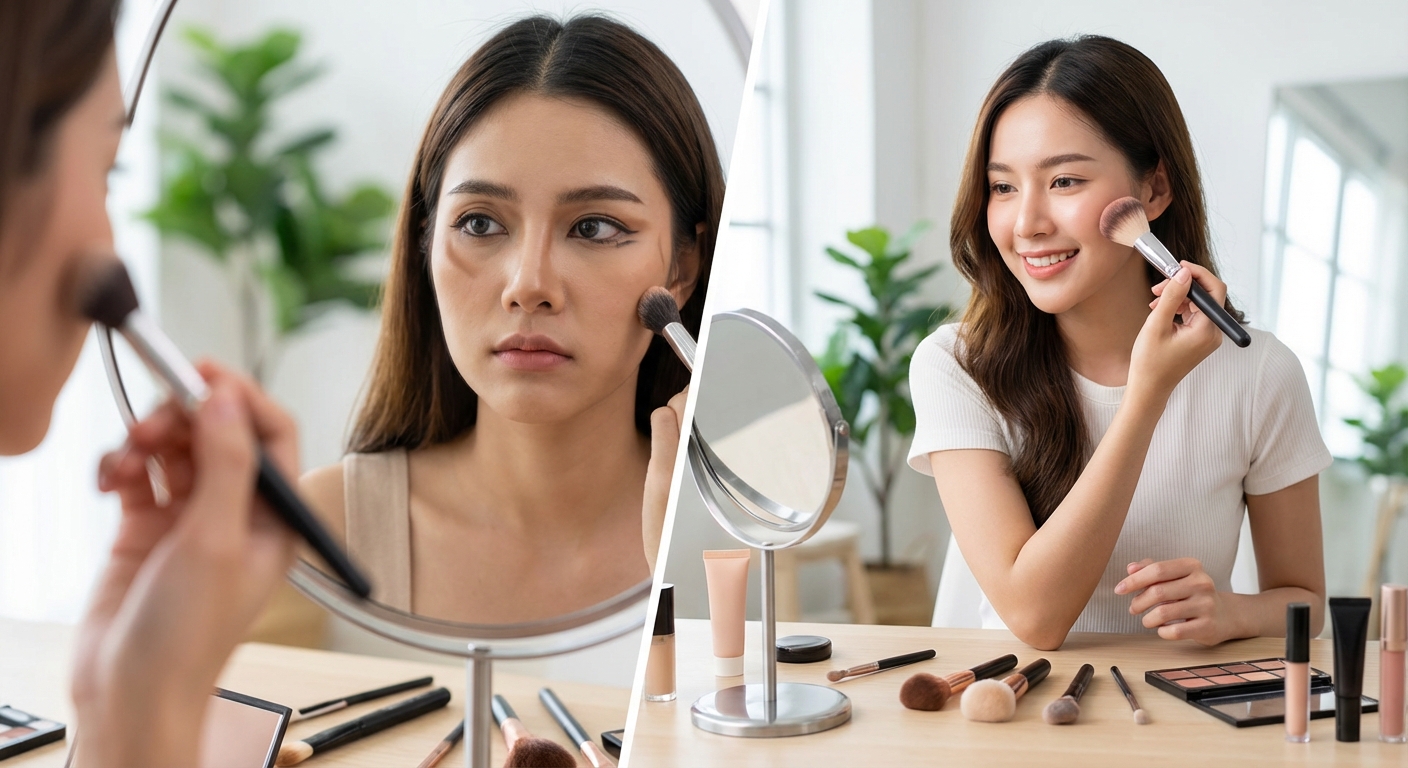
You just spent 45 minutes perfecting your makeup for class, only to catch your reflection in the bathroom mirror and realize something looks off. Your foundation looks cakey. Your eyebrows don’t match. Your lipstick is already bleeding into the fine lines around your mouth.
These frustrating moments happen to everyone, from beauty beginners to people who’ve been doing makeup for years. The good news? Most makeup mistakes and how to fix them come down to simple technique adjustments, not expensive new products.
Common makeup mistakes like wrong foundation shades, skipped primer, harsh contour lines, and clumpy mascara can ruin your look. Simple fixes include proper skin prep, blending techniques, choosing the right tools, and applying products in the correct order. Most issues stem from rushed application or using products incorrectly, not from lacking skill or needing expensive items.
Wrong Foundation Shade Ruins Everything
Picking foundation that doesn’t match your skin tone is the fastest way to look like you’re wearing a mask. Too light and you’ll look washed out in photos. Too dark and there’s an obvious line along your jawline.
The fix starts with testing foundation in natural light, not under harsh store fluorescents. Swatch three shades on your jawline, not your hand or wrist. Your face and hands are often different colors.
Wait 10 minutes before deciding. Foundation oxidizes as it sits on your skin, sometimes turning darker or more orange. What looks perfect initially might shift after a few minutes.
If you already bought the wrong shade, don’t toss it. Mix two foundations together to create your perfect match. A lighter shade for winter and darker for summer means you can blend them during transitional months.
Consider getting color matched at a beauty counter, but always double check in daylight before committing. Store lighting lies.
Skipping Primer Makes Foundation Slip Off
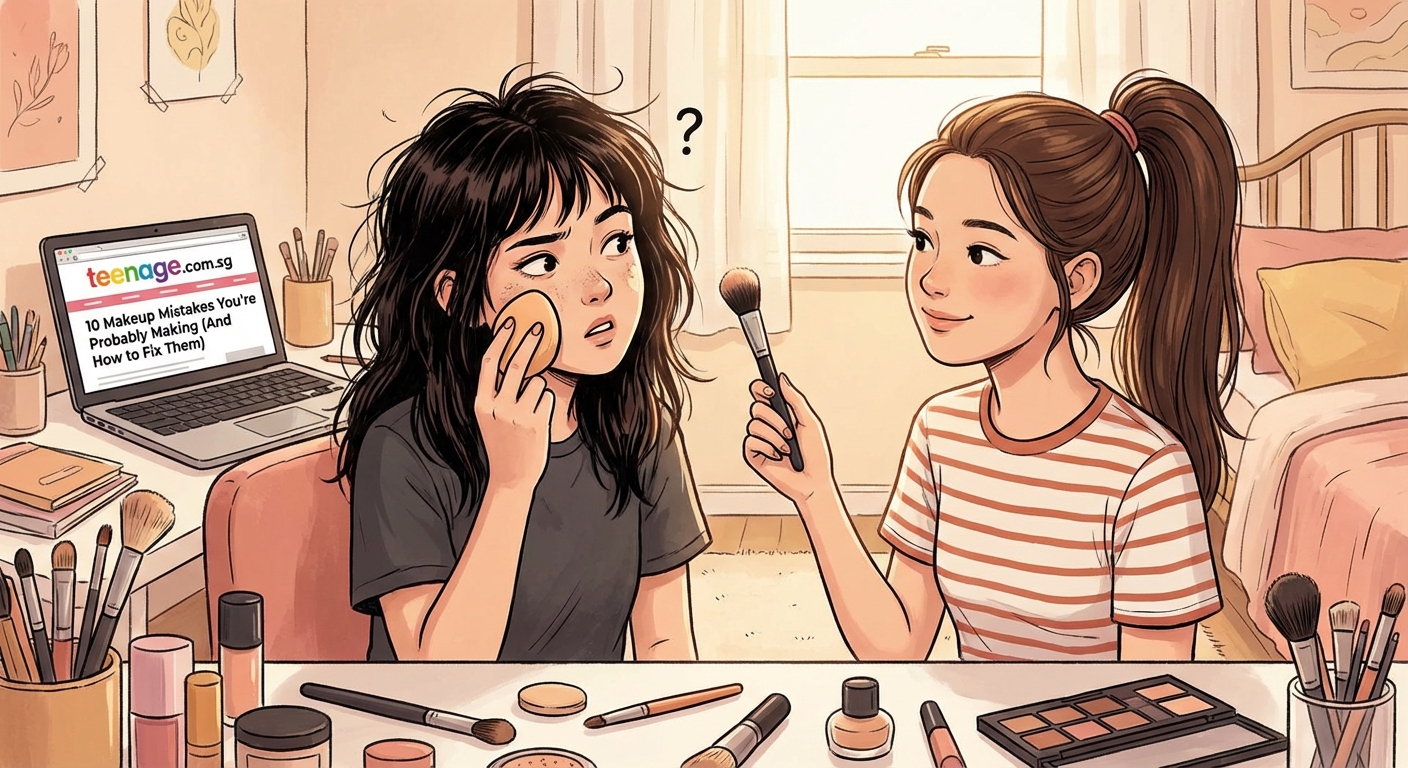
Foundation sliding off your face by lunchtime isn’t about having oily skin. It’s usually because you skipped primer or didn’t let your moisturizer absorb properly.
Primer creates a smooth base and helps makeup grip your skin. Different primers solve different problems. Silicone based primers fill in pores and fine lines. Hydrating primers work for dry patches. Mattifying primers control oil.
Apply primer after moisturizer has fully absorbed, usually after waiting 2 to 3 minutes. Use a pea sized amount for your whole face. More isn’t better and will make your foundation pill.
Focus primer on your T zone if you get oily, or on dry areas if your skin tends to flake. You don’t need to cover every inch of your face.
For a budget option, a thin layer of your skincare products that work for acne-prone skin can double as primer if they create a smooth surface.
Applying Foundation With Your Fingers Creates Streaks
Your fingers work for some makeup steps, but foundation application isn’t one of them unless you have serious technique. Most people end up with streaky, uneven coverage.
Beauty sponges give the most natural finish. Dampen your sponge first so it doesn’t absorb all your product. Bounce the sponge over your skin instead of dragging it. This pressing motion blends without disturbing your skin’s texture.
Brushes work too, but require the right technique. Use stippling motions instead of painting strokes. Buff the foundation in circular motions to blend edges.
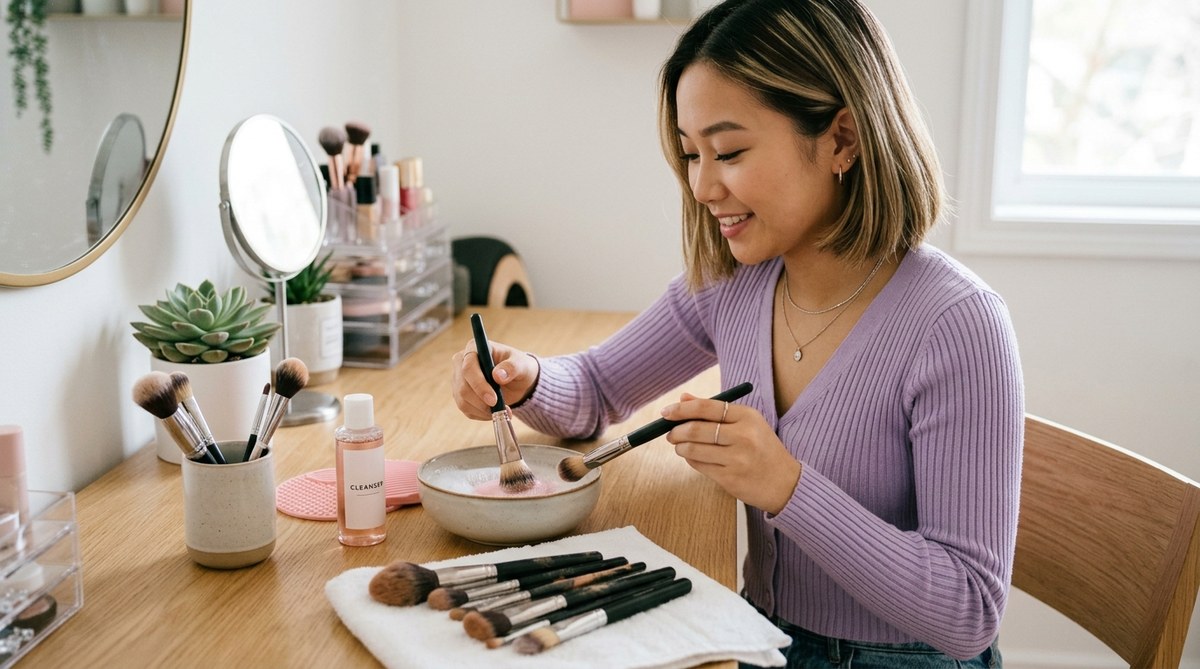
Clean your tools regularly. Dirty sponges and brushes harbor bacteria and create patchy application. Wash sponges after every use with gentle soap. Clean brushes weekly.
| Application Method | Best For | Common Mistake |
|---|---|---|
| Damp beauty sponge | Natural, dewy finish | Using it dry |
| Foundation brush | Full coverage | Painting instead of buffing |
| Fingers | Sheer, light coverage | Applying too much pressure |
| Airbrush | Professional finish | Holding too close to skin |
Concealer That Looks Cakey Under Your Eyes
That crease of concealer sitting in your under eye area makes you look more tired, not less. Cakey concealer usually means you’re using too much product or the wrong formula.
Pick a concealer one or two shades lighter than your foundation for brightening. Any lighter and you’ll look like you forgot to blend. Use a creamy, hydrating formula under eyes. Matte concealers emphasize fine lines and texture.
Apply concealer in an inverted triangle shape under your eye, not just on dark circles. This brightens your whole under eye area and looks more natural.
Set with a light dusting of translucent powder using a fluffy brush. Too much powder creates that dreaded cakey look. Some people skip powder entirely for a more natural finish.
“The biggest concealer mistake I see is people applying it like spackle. You need way less than you think. Build coverage gradually instead of dumping product on your face all at once.” – Professional makeup artist advice
If your concealer still creases, try applying less product and setting with powder using a damp sponge instead of a brush. The moisture helps the powder melt into your skin.
Eyebrows That Don’t Match Each Other
Asymmetrical eyebrows frustrate everyone. One arch sits higher. One tail extends longer. They’re sisters, not twins, but sometimes they look like distant cousins.
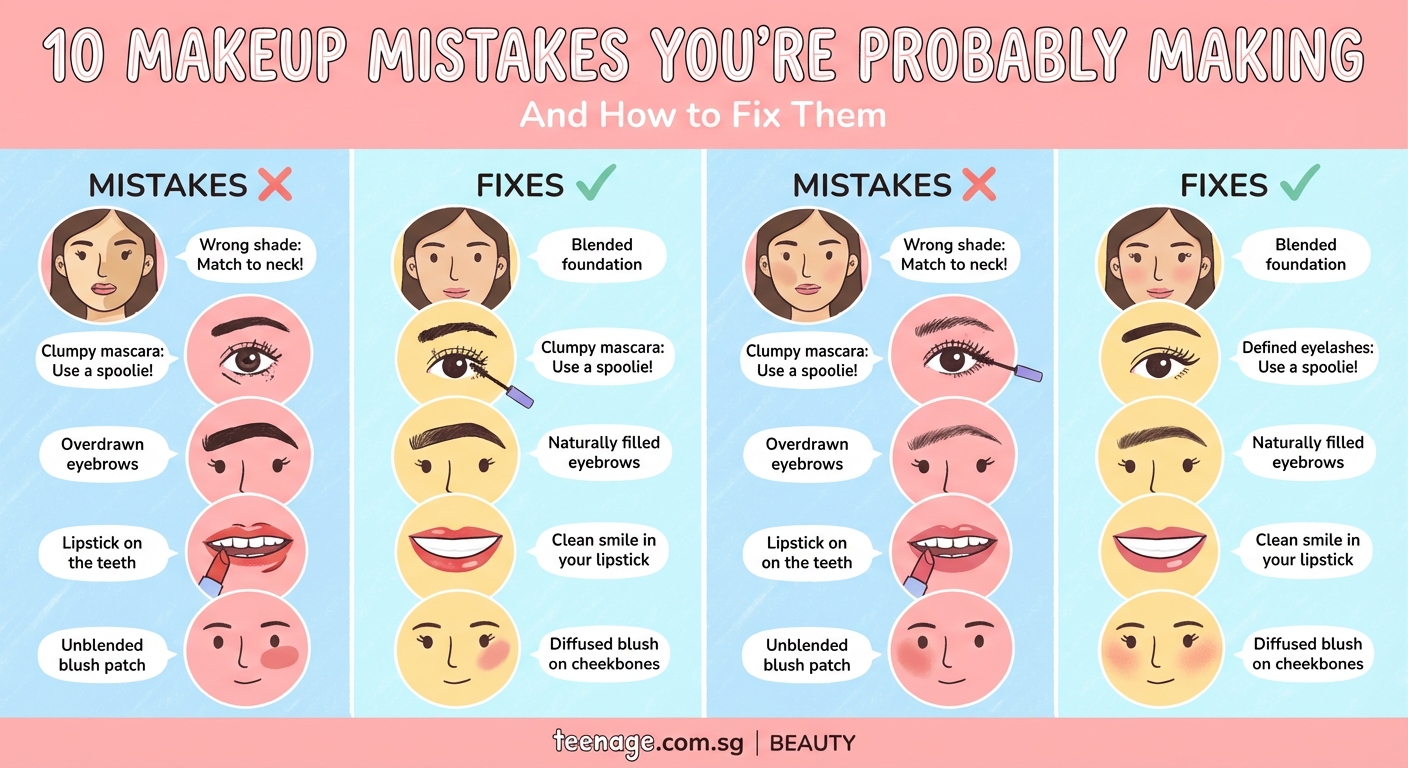
Start by brushing your brows up with a spoolie to see their natural shape. Fill in sparse areas with light, hair like strokes instead of drawing solid lines. Match the direction of your natural hair growth.
Use a shade that matches your brow hair, not your hair color. Black hair doesn’t always mean black brows. Most people need a shade lighter than their hair.
Check symmetry by stepping back from the mirror. Up close, you’ll obsess over tiny differences no one else notices. From normal conversation distance, slight variations disappear.
Common eyebrow mapping mistakes to avoid:
- Starting your brow too far in or out
- Making the arch too high or angular
- Extending the tail too long
- Using too dark a shade
- Forgetting to blend the front of your brows
For a natural look, your brow should start aligned with the inner corner of your eye. The arch should align with the outer edge of your iris. The tail should end at an angle from your nostril through the outer corner of your eye.
Harsh Contour Lines That Look Like Stripes
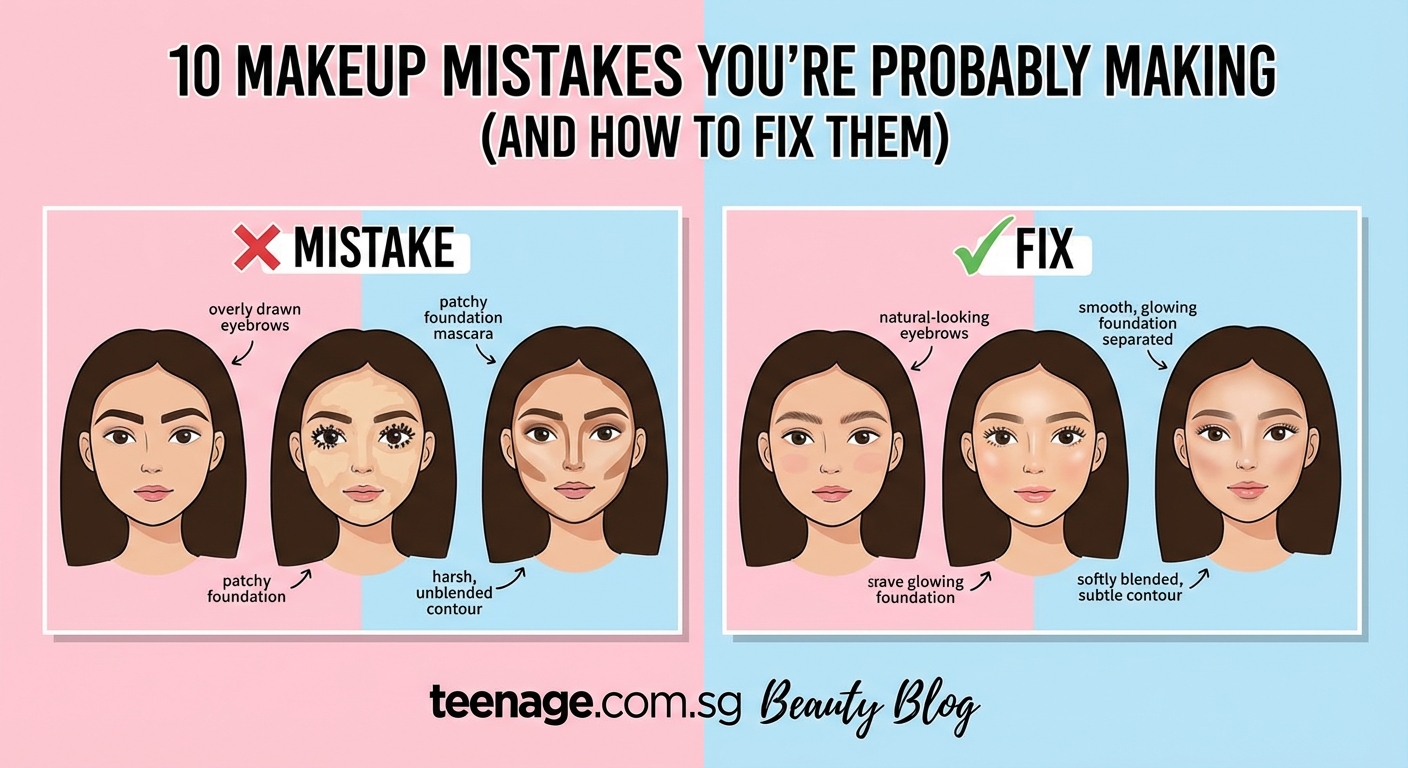
Contour should create subtle shadows, not brown stripes down your cheeks. The Instagram contour trend made everyone think they need to carve out their face like they’re going on stage.
For everyday wear, use a contour shade only one or two shades darker than your skin. Anything darker looks muddy and obvious. Cool toned shades mimic natural shadows better than warm, orange toned bronzers.
Apply contour in the hollows of your cheeks, starting from your ear and blending toward the middle of your cheek. Stop before you reach your nose. Blend immediately before it sets.
The blending step matters more than the application. Use a clean, fluffy brush or damp sponge to blur harsh lines. Blend in circular motions until you can’t see where the contour starts and stops.
If you went too heavy, don’t panic. Dab a bit of foundation or concealer over the area and re-blend. You can also dust translucent powder over harsh lines to soften them.
Blush Placement That Ages You
Blush in the wrong spot drags your face down and adds years. The right placement lifts your features and makes you look fresh.
Smile and apply blush to the apples of your cheeks, then blend up toward your temples. This creates a lifted, youthful effect. Applying blush too low on your face creates a droopy appearance.
Use the right amount. Too much blush looks clownish. Too little and you might as well skip it. Build color gradually. You can always add more, but removing excess is harder.
Cream blushes work better for dry skin and create a natural, dewy finish. Powder blushes suit oily skin and last longer. Apply cream blush before powder products. Apply powder blush after you’ve set your foundation.
For a natural flush, choose shades that mimic your natural blush color. Pinch your cheek and match that shade. Peach and coral tones suit warm undertones. Pink and berry shades complement cool undertones.
Eyeshadow That Creases Within Hours
Eyeshadow settling into your lid crease by midday isn’t inevitable. It happens because of oil buildup or skipping eye primer.
Eye primer is non-negotiable if you want eyeshadow to last. It creates a smooth base, intensifies color, and prevents creasing. Apply a thin layer across your entire lid and let it dry for 30 seconds before applying shadow.
Set your primer with a skin toned eyeshadow or translucent powder. This gives your colorful shadows something to grip onto and makes blending easier.
If you have very oily lids, avoid cream eyeshadows unless you set them with powder shadows on top. Powder formulas last longer on oily skin.
Apply eyeshadow in thin layers instead of packing on color all at once. Building color gradually gives you more control and better blending.
Here’s the correct order for eyeshadow application:
- Apply eye primer and let it dry
- Set primer with powder or nude shadow
- Apply transition shade in your crease
- Add medium shade to your lid
- Place darkest shade in outer corner
- Highlight inner corner and brow bone
- Blend all edges until seamless
Mascara That Clumps and Smudges
Clumpy spider lashes happen when you pump your mascara wand in and out of the tube. This pushes air inside, drying out the formula and creating clumps.
Instead, swirl the wand inside the tube. Wipe excess product off on the tube opening before applying. Less product on the wand means less clumping.
Apply mascara in thin coats, letting each layer dry before adding another. Two to three thin coats beat one thick, goopy layer every time.
Wiggle the wand at your lash roots, then pull through to the tips. This deposits more product at the base and separates lashes as you go.
For bottom lashes, hold the wand vertically and use just the tip. This prevents accidentally swiping mascara on your under eye area.
If you get mascara on your skin, don’t wipe it immediately. Let it dry completely, then flick it off with a clean spoolie or cotton swab. Wiping wet mascara creates a bigger smudge.
Mascara smudging under your eyes usually means you need waterproof formula or setting powder under your lower lash line. A tiny bit of translucent powder creates a barrier.
Lipstick Bleeding Into Fine Lines
Lipstick feathering into the lines around your mouth ages your whole look. This happens more with glossy and liquid formulas than matte lipsticks.
Line your lips with a lip liner that matches your lipstick or natural lip color. This creates a barrier that prevents color from bleeding. Fill in your entire lip with liner before applying lipstick to make the color last longer.
Exfoliate your lips regularly to remove dead skin that makes lipstick apply unevenly. A soft toothbrush works perfectly for gentle lip exfoliation.
Blot your lipstick with a tissue after the first application, dust with translucent powder, then apply a second layer. This setting technique makes lipstick last for hours without feathering.
Matte liquid lipsticks stay put better than creamy bullets, but they can feel drying. Balance comfort and longevity by choosing satin finish formulas that offer some staying power without the desert lips feeling.
For a natural look that still defines your lips, try the technique people use when styling outfits for different occasions: match your lip liner to your natural lip color, fill in completely, then add a sheer gloss or tinted balm on top.
Setting Your Makeup So It Actually Lasts
Skipping setting spray or powder means your carefully applied makeup slides off within hours. Setting products lock everything in place.
Setting powder works for most skin types but can emphasize dry patches. Use a fluffy brush to dust powder only on areas that get oily: T-zone, under eyes, and chin. Skip powder on dry areas.
For oily skin, use a mattifying setting powder. For dry skin, choose a hydrating or luminous powder. For combination skin, use different powders on different areas of your face.
Setting spray adds an extra layer of longevity. Hold the bottle 8 to 10 inches from your face and mist in an X pattern, then a T pattern. This ensures even coverage.
Let your setting spray dry naturally. Don’t touch your face or blend anything after spraying. The spray needs time to work its magic.
Avoid these common setting mistakes:
- Using too much powder, creating a cakey finish
- Applying powder with a flat sponge instead of a fluffy brush
- Spraying setting spray too close to your face
- Touching your face before products fully set
- Skipping setting products to save time
The right setting technique can make budget makeup perform like high end products. It’s not always about what you use, but how you use it.
Making Your Makeup Work for Your Life
Makeup mistakes happen to everyone, but now you know exactly how to fix them. The difference between a makeup look that works and one that doesn’t usually comes down to technique, not talent or expensive products.
Start by fixing one or two mistakes at a time instead of overhauling your entire routine. Maybe you focus on building a simple morning routine that includes proper primer application. Next week, you work on perfecting your foundation blending.
Remember that makeup should make you feel confident, not stressed. If a technique doesn’t work for your face shape, skin type, or lifestyle, skip it. The goal is to find what works for you, not to follow every trend or rule.
Practice these fixes when you’re not rushing out the door. Take time on a free weekend to experiment with different application methods. Take photos in natural light to see what actually works versus what just looks good in your bathroom mirror. Your future self will thank you when you can do your makeup confidently in half the time.













Post Comment