Why Gen Z Is Ditching Hustle Culture and What’s Replacing It

The narrative that working 80 hour weeks equals success is officially over for Gen Z. While millennials were sold the dream of side hustles and rise and grind energy, Gen Z watched burnout destroy mental health and relationships. They saw parents sacrifice everything for jobs that laid them off without warning. Now, this generation is writing new rules about what work should look like, and the shift is changing workplaces everywhere.
Gen Z hustle culture is being replaced by intentional work life balance, boundary setting, and purpose driven careers. This generation prioritizes mental health, flexible schedules, and meaningful work over constant productivity. They’re rejecting toxic workplace norms, demanding fair compensation, and choosing companies that align with their values. The result is a fundamental shift in how young professionals approach career success and personal fulfillment.
What hustle culture actually meant for millennials
Hustle culture promised that if you worked hard enough, success would follow. The reality looked different.
Millennials entered the workforce during economic uncertainty. The 2008 recession taught them that job security was a myth. The solution, according to influencers and motivational accounts, was to work harder. Get a side hustle. Build a personal brand. Sleep when you’re dead.
This mentality created a generation of burned out professionals who wore exhaustion like a badge of honor. Working through weekends became normal. Answering emails at midnight showed dedication. Taking vacation days felt like weakness.
Social media amplified the pressure. Everyone’s highlight reel showed success, productivity, and achievement. Behind the scenes, people were struggling with anxiety, health problems, and strained relationships.
The pandemic exposed how unsustainable this approach really was. When work and home life merged completely, the boundaries that barely existed disappeared entirely. People realized they’d been sacrificing their wellbeing for companies that viewed them as replaceable.
Why Gen Z watched and learned different lessons
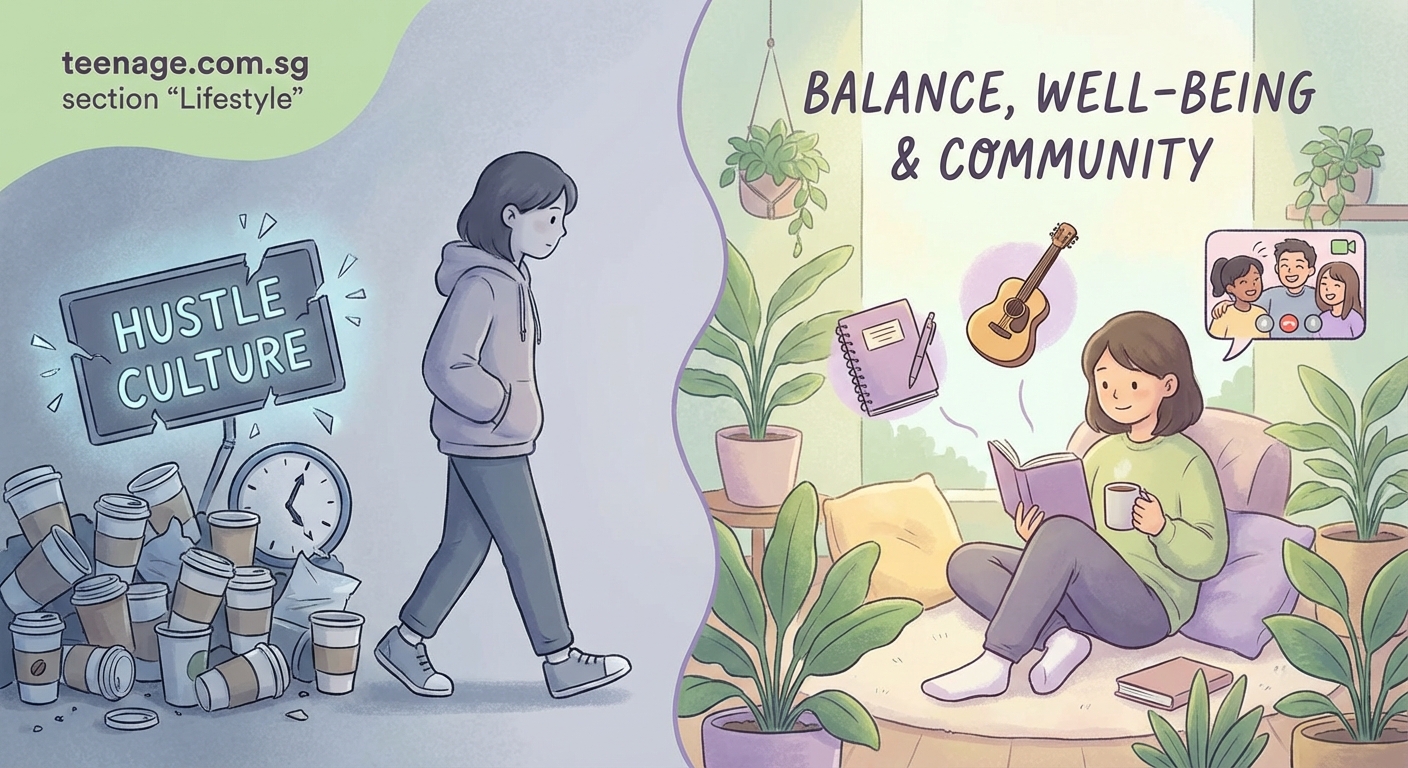
Gen Z grew up watching millennials burn out in real time. They saw the consequences before entering the workforce themselves.
This generation witnessed parents work through recessions, layoffs, and restructures. Loyalty to companies didn’t guarantee job security or fair treatment. The social contract between employer and employee had already broken down by the time Gen Z started looking for work.
They also grew up with mental health conversations becoming more normalized. Therapy isn’t taboo. Burnout is recognized as a real medical condition. Setting boundaries is seen as healthy, not lazy.
Gen Z entered a different job market too. The pandemic proved remote work was possible. Companies that insisted on office presence lost talent to competitors offering flexibility. Workers suddenly had leverage they didn’t before.
This generation also values authenticity over performance. They’re less impressed by someone bragging about working 100 hour weeks and more concerned about whether that person is actually happy. Success metrics are changing from salary and title to fulfillment and balance.
The climate crisis shaped their worldview as well. Many Gen Z professionals question whether climbing corporate ladders matters when the planet’s future feels uncertain. They want work that contributes to solutions, not just profits.
The new values replacing constant grind mentality
Gen Z isn’t anti work. They’re anti exploitation. The values replacing hustle culture focus on sustainability and meaning.
Boundary setting tops the priority list:
- Leaving work at work instead of checking emails constantly
- Actually using vacation days without guilt
- Saying no to projects that exceed capacity
- Protecting personal time for hobbies and relationships
- Refusing to glorify exhaustion as productivity
Mental health awareness drives many decisions. Gen Z professionals recognize that burnout doesn’t just mean feeling tired. It causes anxiety, depression, physical illness, and relationship damage. They’re willing to leave jobs that threaten their wellbeing, even without another position lined up.
Flexibility matters more than impressive office spaces. Remote work options, flexible hours, and results based evaluation trump face time requirements. Gen Z wants to work when and where they’re most productive, not when a manager can physically see them.
Purpose drives career choices. This generation asks what problems their work solves. They gravitate toward companies with clear missions beyond profit maximization. Corporate social responsibility isn’t just marketing, it’s a dealbreaker in hiring decisions.
Fair compensation without exploitation is non negotiable. Gen Z refuses unpaid internships and expects salaries that match cost of living. They’re comfortable discussing pay with coworkers and pushing back on lowball offers. The idea that passion should compensate for poor wages doesn’t fly anymore.
Community and collaboration replace individual competition. Rather than stepping on others to climb ladders, Gen Z professionals value team success and knowledge sharing. They’re more likely to support coworkers than view them as threats.
How Gen Z approaches work differently in practice
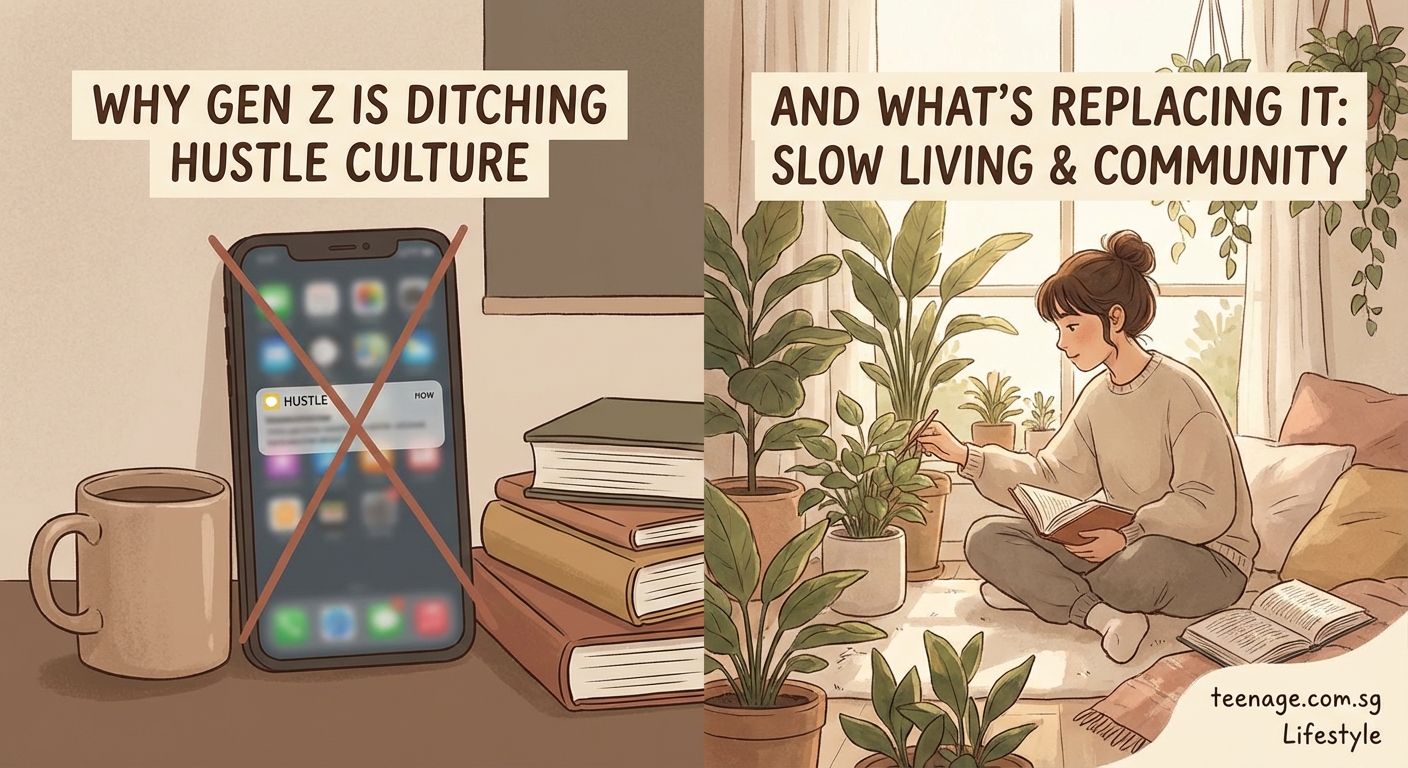
The philosophical shift translates into concrete workplace behaviors that older generations sometimes misinterpret.
Gen Z will turn down promotions if the role requires sacrificing work life balance. A bigger title and modest raise aren’t worth 60 hour weeks. They’d rather stay in positions that allow them to maintain boundaries than climb ladders that demand everything.
They job hop strategically. Staying at one company for decades isn’t the goal. Gen Z professionals move when growth stalls, values misalign, or better opportunities arise. They view their careers as portfolios of experiences, not linear paths.
Transparency is expected, not optional. Gen Z asks direct questions about salary ranges, promotion timelines, and company culture during interviews. They research companies on platforms where current and former employees share honest reviews. They want to know what they’re signing up for before accepting offers.
Work friendships matter, but professional boundaries are clear. Gen Z is friendly with coworkers but less likely to make work their entire social life. They maintain separate friend groups and interests outside the office. When work ends, they actually stop working.
They use technology to work smarter, not longer. Automation tools, AI assistants, and productivity apps help them accomplish tasks efficiently. The goal is finishing work well, not stretching it to fill arbitrary hours.
Sick days are used for mental health, not just physical illness. Gen Z doesn’t power through when they’re struggling emotionally. They take days off to reset, see therapists, or handle personal situations. They’re honest about needing mental health breaks instead of inventing physical symptoms.
The workplace changes Gen Z is demanding
This generation isn’t just changing how they work individually. They’re pushing companies to transform policies and cultures.
Four day work weeks gain traction
More companies are piloting shortened work weeks after Gen Z employees advocate for them. Research shows productivity often stays the same or improves when people work four days instead of five. Gen Z points to this data when negotiating schedules.
Unlimited PTO policies face scrutiny
Gen Z recognizes that “unlimited” vacation often means people take less time off due to unclear expectations. They push for minimum required vacation days instead, ensuring everyone actually rests.
Meeting culture gets reformed
Gen Z questions whether every meeting needs to happen. They advocate for async communication, clear agendas, and optional attendance for meetings that don’t require their input. Their time is valuable, and they protect it.
Performance metrics shift focus
Rather than measuring hours worked or emails sent, Gen Z pushes for outcome based evaluation. Did the project succeed? Did the client get results? Those matter more than whether someone arrived at 8am sharp.
“We’re not lazy. We’re just not willing to destroy our health and relationships for jobs that would replace us in a week if it benefited their bottom line. That’s not entitlement, that’s basic self preservation.” – Anonymous Gen Z professional
Common mistakes companies make with Gen Z talent
Organizations trying to attract and retain Gen Z workers often stumble in predictable ways.
| Mistake | Why it fails | What works instead |
|---|---|---|
| Offering ping pong tables and snacks | Perks don’t compensate for poor pay or toxic culture | Fair salaries, real flexibility, and respectful management |
| Requiring office presence without reason | Gen Z proved remote work succeeds during pandemic | Hybrid options with clear reasoning for in person days |
| Praising overwork as dedication | Glorifying burnout repels this generation | Recognizing efficiency and results over hours logged |
| Vague growth opportunities | Empty promises about future advancement don’t retain talent | Clear promotion paths with timelines and requirements |
| Ignoring social responsibility | Gen Z researches company values and practices | Authentic commitment to environmental and social issues |
The biggest mistake is assuming Gen Z will eventually conform to traditional workplace norms as they age. They won’t. This generation watched those norms fail millennials and learned different lessons.
How to build a career without burning out
Gen Z’s approach to work offers a blueprint for sustainable career development that anyone can adapt.
-
Define success on your own terms. Write down what career success actually means to you, separate from what social media or family expectations suggest. Does it mean a specific title? Certain lifestyle flexibility? Work that helps specific causes? Get clear on your personal definition before chasing someone else’s version.
-
Set boundaries from day one. Establish your work hours and communication preferences immediately in new roles. It’s harder to pull back after setting precedents of constant availability. Start as you mean to continue.
-
Regularly audit your energy. Check in monthly about what’s draining versus energizing you at work. If the balance tips too far toward draining, something needs to change before burnout sets in.
-
Build skills that transfer. Focus on developing abilities that work across industries and roles. This creates options and reduces dependence on any single employer. Gen Z understands that company loyalty is dead, so portable skills matter more than climbing one corporate ladder.
-
Cultivate identity outside work. Invest time in hobbies, relationships, and interests completely separate from your career. When work becomes your entire identity, any professional setback devastates your sense of self. Diversify who you are beyond your job title.
The shift away from gen z hustle culture doesn’t mean lack of ambition. It means sustainable ambition that doesn’t require sacrificing everything else that makes life worth living.
Gen Z professionals still want to excel at their work. They still care about doing quality work and building skills. The difference is they refuse to accept that excellence requires constant availability, poor boundaries, and burnout.
Many people find they can balance school, social life, and self care by applying similar principles to student life. The boundaries that protect professional wellbeing work in academic settings too.
Some Gen Z workers are even exploring side hustles they can start while still in school, but with a crucial difference from millennial hustle culture. These aren’t about working 24/7. They’re about building skills and income streams that align with values and maintain boundaries.
What this means for workplace culture moving forward
The rejection of hustle culture by Gen Z will reshape professional environments for everyone, not just young workers.
Companies that cling to outdated expectations about face time, constant availability, and overwork will struggle to attract talent. Gen Z’s willingness to leave jobs that don’t meet their standards forces organizational change. When enough people refuse to accept certain conditions, those conditions have to evolve.
Older workers benefit from these shifts too. Millennials burning out in their 30s and 40s appreciate Gen Z’s boundary setting. It gives everyone permission to prioritize wellbeing without being labeled uncommitted. The rising tide of better workplace norms lifts all boats.
Remote work and flexibility will continue expanding because Gen Z simply won’t accept jobs that require unnecessary office presence. The pandemic proved most knowledge work can happen anywhere. Trying to force people back to offices full time without compelling reasons will fail.
Mental health support will become standard rather than exceptional. As Gen Z normalizes taking mental health days and seeking therapy, companies will need to provide resources and create cultures where this is truly acceptable, not just policy on paper.
Salary transparency will increase as Gen Z refuses to play games around compensation. More locations are passing pay transparency laws, but Gen Z workers are also just openly discussing salaries with each other and pushing back on unfair practices. This benefits everyone by reducing pay inequity.
The definition of career success will broaden beyond traditional markers. Not everyone wants to be a CEO or executive. Gen Z is creating space for alternative success paths that prioritize impact, creativity, flexibility, or other values beyond climbing hierarchies.
Building work that actually works for humans
The movement away from gen z hustle culture represents something bigger than generational preferences. It’s a correction after decades of work consuming more of people’s lives than sustainable.
Technology was supposed to make work easier and create more leisure time. Instead, it tethered people to jobs 24/7. Email, Slack, and smartphones meant work never really ended. Gen Z is using that same technology to set boundaries, work efficiently, and reclaim personal time.
The shift challenges assumptions about what productivity means. Hustle culture equated busy with productive. Gen Z recognizes that constant activity often masks inefficiency. They’d rather work focused hours and produce quality results than perform busyness for managers.
This generation understands that humans aren’t machines. We need rest, connection, purpose, and variety to thrive. Building careers that acknowledge human needs rather than fighting against them creates better outcomes for everyone.
The changes Gen Z is pushing for don’t just benefit them. They create healthier workplace cultures where people of all ages can build sustainable careers. Parents can actually attend school events. People managing chronic illnesses can work without hiding their needs. Anyone dealing with mental health challenges can seek help without career penalties.
Companies resisting these changes will find themselves at a competitive disadvantage. The best talent, regardless of generation, will choose organizations that treat people like humans rather than resources to extract maximum value from until they break.
Gen Z isn’t killing hustle culture out of laziness or entitlement. They’re replacing it with something more sustainable because they watched the alternative destroy too many lives. That’s not weakness. That’s wisdom.
The future of work looks like humans setting terms that allow them to thrive professionally without sacrificing everything else that makes life meaningful. And that future is already here.














Post Comment