Why You’re Always Tired Even After Sleeping 8 Hours and How to Fix It

You went to bed on time. You slept a full eight hours. Yet you woke up feeling like you barely slept at all.
That frustrating reality hits harder when you’re doing everything “right” but still dragging through your day. The truth is, sleep quality matters just as much as sleep quantity, and dozens of hidden factors can sabotage your rest even when you clock the recommended hours.
Sleeping eight hours doesn’t guarantee quality rest. Poor sleep architecture, sleep disorders like apnea, nutrient deficiencies, stress hormones, inconsistent schedules, and environmental factors all disrupt restorative sleep cycles. Fixing fatigue requires addressing sleep quality through better routines, medical screening when needed, and lifestyle adjustments that support deep, uninterrupted rest rather than just counting hours in bed.
Your Sleep Cycles Are Getting Interrupted
Eight hours in bed doesn’t mean eight hours of actual restorative sleep. Your brain cycles through different sleep stages throughout the night, and each one serves a specific purpose.
Light sleep, deep sleep, and REM sleep all play distinct roles in physical recovery and mental restoration. When these cycles get disrupted, even repeatedly throughout the night, you miss out on the deepest, most restorative phases.
Sleep fragmentation happens when you partially wake up without fully realizing it. You might not remember these micro-awakenings, but they prevent you from reaching or maintaining deep sleep stages. Your fitness tracker might show eight hours, but the actual quality tells a different story.
Common disruptors include:
- Needing to use the bathroom multiple times
- Partner movement or snoring
- Pets jumping on the bed
- Temperature fluctuations in your room
- Noise from traffic, neighbors, or electronics
- Light from street lamps or devices
Each interruption forces your brain to restart the sleep cycle progression. If this happens frequently enough, you never accumulate sufficient deep sleep, leaving you exhausted despite adequate duration.
Sleep Disorders Are More Common Than You Think
Millions of people have undiagnosed sleep disorders that silently destroy sleep quality. These conditions don’t always announce themselves with obvious symptoms.
Sleep apnea tops the list. This disorder causes your breathing to stop and start repeatedly throughout the night. Your brain briefly wakes you to restart breathing, often without you remembering. The result? Fragmented sleep that leaves you drained.
Warning signs include:
- Loud snoring
- Gasping or choking sounds during sleep
- Morning headaches
- Dry mouth when you wake up
- Difficulty staying asleep
Restless leg syndrome creates uncomfortable sensations in your legs that make you need to move them constantly. This urge intensifies when you’re trying to rest, making it nearly impossible to fall into deep sleep.
Periodic limb movement disorder causes involuntary leg twitches or jerks during sleep. You won’t notice them, but they fragment your sleep cycles just like apnea does.
“Many people with sleep disorders have adapted to feeling tired for so long that they don’t realize their fatigue isn’t normal. They assume everyone feels this way after sleeping.” – Sleep Medicine Specialist
If you suspect a sleep disorder, talk to your doctor about a sleep study. These conditions are treatable once properly diagnosed.
Your Sleep Environment Is Working Against You
The space where you sleep has enormous impact on sleep quality. Small environmental factors add up to major disruptions.
Temperature plays a bigger role than most people realize. Your body needs to drop its core temperature to initiate and maintain deep sleep. A room that’s too warm prevents this natural cooling process.
The ideal bedroom temperature sits between 60 and 67 degrees Fahrenheit. Anything above 70 degrees can significantly impair sleep quality, even if you don’t consciously notice discomfort.
Light exposure matters just as much. Even small amounts of light can suppress melatonin production and signal your brain that it’s time to wake up. This includes:
- LED displays on electronics
- Light seeping under doors
- Street lights through curtains
- Phone notifications lighting up your screen
Your mattress and pillows also deserve scrutiny. An uncomfortable sleeping surface creates pressure points that cause you to shift positions frequently, disrupting sleep cycles. Most mattresses need replacement every 7 to 10 years, but many people use them far longer.
Noise pollution affects sleep even when it doesn’t fully wake you. Consistent background noise from traffic, neighbors, or a snoring partner keeps your brain in lighter sleep stages.
Stress and Mental Health Are Stealing Your Rest
Your mind doesn’t shut off just because your body lies down. Stress, anxiety, and depression profoundly impact sleep architecture.
Elevated cortisol levels from chronic stress keep your nervous system in alert mode. Your brain stays partially activated, preventing the deep relaxation necessary for restorative sleep. You might sleep for eight hours, but your body never fully enters recovery mode.
Racing thoughts create a similar problem. When your mind keeps processing worries, plans, or problems, it maintains brain activity that interferes with deep sleep stages.
Depression often causes both insomnia and hypersomnia, but even when you sleep enough hours, the quality suffers. Depression alters sleep architecture, reducing time spent in deep sleep while increasing lighter, less restorative stages.
Anxiety can cause hyperarousal, a state where your body remains on high alert even during sleep. Your nervous system stays activated, ready to respond to perceived threats, preventing true rest.
Managing stress requires active strategies:
- Practice a wind-down routine for 30 to 60 minutes before bed
- Write down tomorrow’s tasks to clear your mind
- Try progressive muscle relaxation or breathing exercises
- Consider therapy if stress or anxiety feels unmanageable
- Avoid checking work emails or engaging with stressful content before sleep
Sometimes improving sleep quality means addressing underlying mental health challenges. The connection runs both ways: poor sleep worsens mental health, and mental health issues degrade sleep quality.
Your Diet and Hydration Habits Need Adjustment
What you eat and drink throughout the day directly affects how well you sleep at night. Timing matters as much as content.
Caffeine has a half-life of about five hours, meaning half the caffeine from your afternoon coffee is still in your system five hours later. That 3 PM pick-me-up could still be affecting your brain at 11 PM, preventing deep sleep even after you fall asleep.
Alcohol creates a different problem. While it might help you fall asleep faster, it disrupts sleep cycles later in the night. Alcohol suppresses REM sleep and causes more frequent awakenings during the second half of the night.
Heavy meals close to bedtime force your digestive system to work hard when your body should be focusing on rest and recovery. This metabolic activity keeps your core temperature elevated and can cause discomfort that fragments sleep.
Blood sugar crashes during the night can also wake you up or keep you in lighter sleep stages. Eating too little, especially if you skip dinner or eat very early, might cause middle-of-the-night hunger that disrupts rest.
Dehydration affects sleep quality too, but drinking too much liquid right before bed means multiple bathroom trips that break up your sleep cycles.
| Timing | What to Avoid | Better Choices |
|---|---|---|
| 6+ hours before bed | Caffeine from coffee, tea, energy drinks | Herbal tea, water |
| 3-4 hours before bed | Large meals, spicy foods | Light snacks if needed |
| 2-3 hours before bed | Alcohol | Chamomile tea, warm milk |
| 1 hour before bed | Large amounts of liquid | Small sips only if thirsty |
Nutrient Deficiencies Are Sabotaging Your Energy
Your body needs specific nutrients to produce the hormones and neurotransmitters that regulate sleep and energy. Deficiencies in key vitamins and minerals can leave you exhausted even after adequate sleep.
Iron deficiency causes fatigue that persists regardless of sleep duration. Your body needs iron to produce hemoglobin, which carries oxygen to your tissues. Without enough oxygen delivery, every cell in your body struggles to generate energy.
Vitamin D deficiency links strongly to both poor sleep quality and daytime fatigue. This vitamin plays roles in sleep regulation that scientists are still understanding, but the connection is clear in study after study.
Magnesium helps regulate neurotransmitters that promote relaxation and sleep. Deficiency can cause restless sleep, frequent waking, and difficulty reaching deep sleep stages. Many people don’t get enough magnesium from their diets.
B vitamins, especially B12, are essential for energy production at the cellular level. Deficiency causes persistent tiredness that sleep can’t fix.
Getting tested for deficiencies makes sense if you’ve ruled out other causes. Blood tests can identify problems with:
- Iron and ferritin levels
- Vitamin D
- Vitamin B12
- Magnesium
- Thyroid hormones
Supplementing without testing can be wasteful or even harmful, but correcting actual deficiencies often produces dramatic improvements in energy levels.
Your Sleep Schedule Is Too Inconsistent
Your body runs on an internal clock called the circadian rhythm. This biological timing system regulates when you feel alert and when you feel sleepy.
Going to bed and waking up at wildly different times confuses this system. Your circadian rhythm can’t establish a consistent pattern, leaving you fighting your biology even when you get enough hours.
Weekend sleep schedule changes create “social jet lag.” Staying up late Friday and Saturday, then sleeping in Sunday morning, then trying to sleep early Sunday night for Monday morning creates the same physiological disruption as traveling across time zones.
Your body doesn’t distinguish between actual jet lag and schedule-induced circadian disruption. Both leave you feeling exhausted and foggy.
Shift work creates even bigger problems. Working nights or rotating shifts forces you to sleep when your biology wants to be awake, preventing truly restorative rest even when you sleep the right number of hours.
Fixing schedule inconsistency requires commitment:
- Choose a consistent wake time and stick to it every day, including weekends
- Go to bed at the same time each night, even if you don’t feel tired initially
- Get bright light exposure within 30 minutes of waking
- Dim lights and reduce screen time for 1-2 hours before bed
- Give your body at least two weeks to adjust to a new schedule
Consistency matters more than perfection. Even reducing schedule variability by an hour or two can improve sleep quality significantly.
Medical Conditions Are Affecting Your Sleep Quality
Numerous health conditions cause persistent fatigue despite adequate sleep duration. Some are obvious, others fly under the radar for years.
Thyroid disorders, both hypothyroidism and hyperthyroidism, profoundly affect energy levels and sleep quality. Your thyroid regulates metabolism, and when it’s not functioning properly, everything from energy production to sleep architecture gets disrupted.
Chronic pain conditions make it nearly impossible to achieve deep, restorative sleep. Even if you sleep eight hours, constant discomfort keeps you in lighter sleep stages and causes frequent position changes that fragment sleep cycles.
Autoimmune conditions like lupus, rheumatoid arthritis, and multiple sclerosis often cause debilitating fatigue that persists regardless of sleep. The inflammation and immune system dysfunction affect energy production at the cellular level.
Diabetes and blood sugar regulation problems can cause both nighttime disruptions and daytime exhaustion. Blood sugar spikes and crashes affect sleep quality and energy stability throughout the day.
Heart conditions reduce your body’s ability to deliver oxygen efficiently, leaving you tired even when you’re resting. Conditions like heart failure or arrhythmias can significantly impact sleep quality.
Chronic fatigue syndrome and fibromyalgia are characterized by persistent, unexplained exhaustion that doesn’t improve with rest. These conditions remain poorly understood but very real for those experiencing them.
If you’ve addressed sleep hygiene, schedule consistency, and environmental factors but still feel exhausted, medical evaluation becomes essential. Your doctor can screen for underlying conditions and refer you to specialists when needed.
Medications Might Be the Hidden Culprit
Many common medications affect sleep quality as a side effect. You might not connect your prescription to your fatigue, but the timing often tells the story.
Antidepressants can either improve or worsen sleep depending on the type and individual response. SSRIs sometimes suppress REM sleep or cause restless sleep. Other antidepressants cause daytime drowsiness even after a full night’s rest.
Blood pressure medications, particularly beta blockers, are known for causing fatigue and sometimes vivid dreams or nightmares that disrupt sleep quality.
Allergy medications, especially older antihistamines, can leave you feeling groggy the next day even though they help you fall asleep. The sedating effects linger longer than you’d expect.
Steroids like prednisone often cause insomnia or restless sleep, leaving you exhausted despite time in bed.
Pain medications, particularly opioids, suppress deep sleep and REM sleep while increasing lighter sleep stages. You might sleep for hours but never feel truly rested.
Stimulant medications for ADHD can interfere with sleep if taken too late in the day, and some people experience rebound fatigue as the medication wears off.
Never stop medications without consulting your doctor, but do discuss sleep side effects. Alternative medications or adjusted timing might solve the problem without compromising treatment for your primary condition.
Your Body Needs More Than Just Sleep
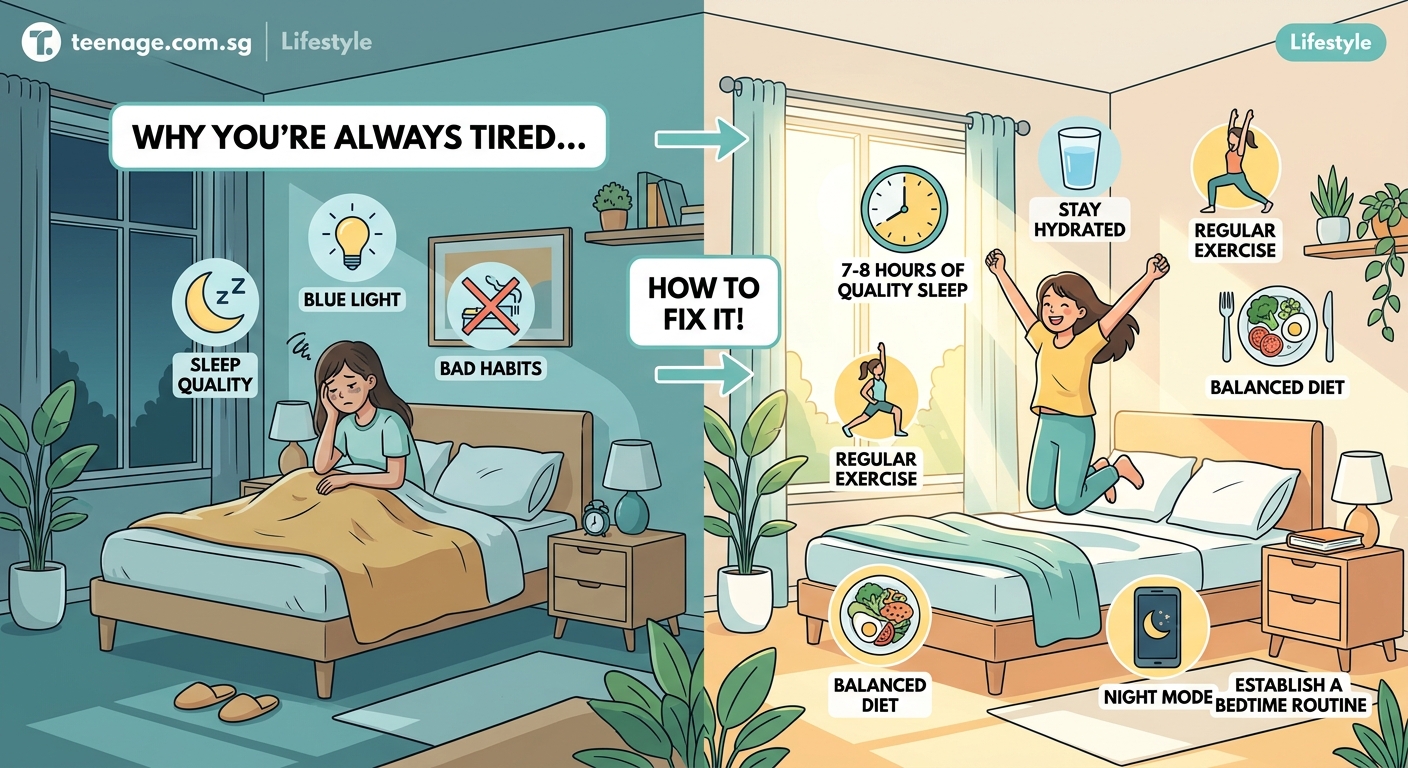
Rest involves more than just sleeping enough hours. Physical recovery, stress management, and mental restoration all contribute to how energized you feel.
Physical activity paradoxically improves energy levels. Sedentary lifestyles lead to deconditioning, where your cardiovascular system becomes less efficient at delivering oxygen and nutrients. Regular movement improves this efficiency, making you feel more energetic even though you’re expending energy.
However, overtraining creates the opposite problem. Intense exercise without adequate recovery depletes your body’s resources and elevates stress hormones that interfere with sleep quality. Just like studying too hard without breaks leads to diminishing returns, overtraining leaves you exhausted despite sleeping enough.
Mental rest matters too. Constant stimulation from screens, social media, work demands, and information overload keeps your brain in active mode. Your mind needs genuine downtime, not just sleep.
Chronic stress depletes your adrenal system over time. Your body produces stress hormones that keep you alert during the day but interfere with deep sleep at night. You end up tired but wired, sleeping poorly and waking exhausted.
Social connection and emotional well-being also influence energy levels. Loneliness, relationship stress, and lack of meaningful connection can leave you feeling drained even when you’re physically rested.
Making Changes That Actually Work
Understanding why you’re tired is only useful if you act on it. Start with the easiest, highest-impact changes first.
Begin by tracking your sleep for one to two weeks. Note when you go to bed, when you wake up, how you feel in the morning, and any factors that might have affected your sleep. Patterns will emerge that point toward specific problems.
Optimize your sleep environment before anything else. This requires minimal effort but produces significant results:
- Block all light sources with blackout curtains and tape over LED displays
- Lower your bedroom temperature to 65-67 degrees
- Use a white noise machine if you can’t eliminate noise
- Evaluate your mattress and pillows honestly
Establish a consistent sleep schedule next. Pick a wake time you can maintain seven days a week and stick to it religiously for at least two weeks. Your body will adjust its natural sleep drive to match this pattern.
Address obvious dietary issues. Cut caffeine after noon and see how you feel. Reduce alcohol consumption, especially within three hours of bedtime. Eat dinner at a consistent time that allows 2-3 hours of digestion before sleep.
If basic changes don’t help within a few weeks, see your doctor. Request screening for:
- Sleep disorders like apnea
- Thyroid function
- Vitamin D, B12, and iron levels
- Blood sugar regulation
Be specific about your symptoms. “I’m tired” is vague. “I sleep eight hours but wake up exhausted, struggle to focus by mid-afternoon, and feel like I never fully wake up” gives your doctor much more to work with.
Consider a sleep study if you snore, gasp during sleep, or your partner reports concerning breathing patterns. Sleep apnea is incredibly common and highly treatable once diagnosed.
Getting Your Energy Back for Good
Persistent fatigue despite adequate sleep duration isn’t something you have to accept as normal. Your body is sending clear signals that something needs attention.
The solution rarely involves just one change. Most people need to address multiple factors, from sleep environment and schedule consistency to underlying medical conditions and stress management. Start with the easiest modifications and work your way through more complex interventions as needed.
Pay attention to how your body responds to each change. Give adjustments at least two weeks before deciding they’re not working. Sleep improvement often happens gradually rather than overnight.
Your energy levels affect everything from your mood and relationships to your performance at school or work. Investing time and effort into understanding and fixing your sleep quality pays dividends across every area of your life. You deserve to wake up feeling actually rested, and with the right approach, you can get there.














Post Comment