Why Singapore’s Thrift Flip Market Is the New Weekend Hotspot for Gen Z
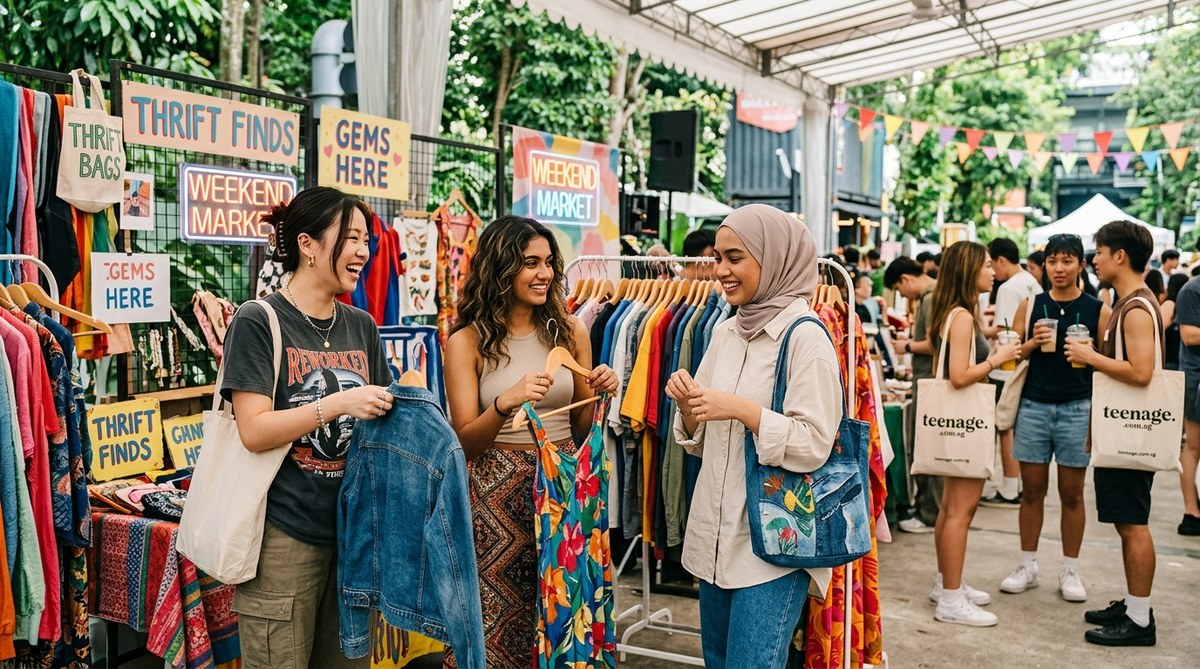
Saturday morning in Singapore. You scroll through your phone, bored with the same mall stores and the same fast fashion racks. Then a friend sends you a location pin for a warehouse in Joo Chiat. You show up, and it’s packed with people your age digging through racks of vintage denim, oversized blazers, and Y2K accessories. A DJ plays in the corner. Someone is screen printing a tote bag live. You grab a floral button up for eight dollars. By Sunday, you’ve listed it on Depop for thirty five and it sells within hours. Welcome to the thrift flip market, the weekend ritual that’s taken over Gen Z in Singapore.
The thrift flip market in Singapore is more than a weekend hobby. It combines sustainable fashion, creative expression, and a side hustle all in one. Gen Z shoppers are flocking to these markets because they offer unique pieces at low prices, the chance to resell for profit, and a community that values originality over fast fashion. This guide covers where to go, how to flip, and what mistakes to avoid so you can make the most of every market visit.
What Makes the Thrift Flip Market Different
Thrifting has been around for decades. But the thrift flip market is a new beast. It’s not just about buying second hand clothes. It’s about seeing potential in a piece that others overlook, buying it for a steal, and then “flipping” it. Flipping can mean reselling it online for a higher price. It can also mean altering the item, adding embroidery, changing the fit, or dyeing it a new color, and then wearing it as a one of a kind piece.
The thrift flip market Singapore Gen Z crowd has turned this into a full weekend activity. Markets like the one at The Artground or Clarity Coffee’s weekend pop ups are social events. You go with friends. You hunt for treasures. You take mirror selfies in the fitting room. You leave with a bag full of clothes that cost less than a single item at Zara. And if you choose to flip, you leave with extra cash in your digital wallet.
How to Start Flipping Thrifted Clothes
You don’t need a sewing machine or a background in fashion to start. You just need an eye for potential and a little patience. Here is a simple process to get you into the thrift flip market mindset.
-
Set a budget before you walk in. Decide how much you’re willing to spend total. Cash is king at these markets, so bring small bills. A good rule is to cap yourself at thirty dollars for your first visit. That forces you to be selective.
-
Look for quality fabric and structure. Check the seams, the zippers, and the material tag. Natural fibers like cotton, linen, and wool hold up better and are easier to alter. Avoid anything with stains that won’t come out or fabric that feels too thin.
-
Focus on items that are one size fits all or easy to tailor. Oversized blazers, wide leg trousers, and flowy dresses are forgiving. A vintage silk scarf or a leather belt can be flipped with zero sewing required.
-
Take good photos for reselling. Natural light is your best friend. Lay the item flat on a clean surface or wear it for a fit check. Write a description that mentions the brand (if visible), the era, and any unique details like embroidery or buttons.
-
List on the right platform. Carousell is huge in Singapore for local buyers. Depop works well for a younger audience. Instagram stories and Telegram groups are also powerful for moving inventory fast. Price your item at three to four times what you paid, then be open to negotiation.
Where to Find the Best Thrift Flip Markets in Singapore
The scene changes every month, but a few spots have become consistent favorites among the thrift flip market Singapore Gen Z community.
- The Weekend Market at The Working Capitol: A rotating lineup of vintage sellers, local designers, and food stalls. Expect queues on Saturday afternoons.
- Clarity Coffee’s pop up events: They host themed thrift markets in their Kallang space. The Y2K edition in early 2026 was packed with butterfly tops and low rise jeans.
- Bugis Street’s vintage stalls: Not a formal market, but the basement level has a handful of vendors who sell preloved clothes at negotiable prices. Great for sourcing bulk items to flip.
- Telegram groups like “Singapore Thrift Finds”: Sellers post hauls directly. You can buy without leaving your dorm. Some of the best flips come from these groups because the prices are lower than physical markets.
For more ideas on where to spend your weekend, check out our list of 10 Must-Attend Pop-Up Events in Singapore This Month That Gen Z Can’t Miss.
Thrifting vs Flipping: Which One Is for You?
Some people just want a unique wardrobe without breaking the bank. Others treat thrifting as a side hustle. Both approaches are valid. Here is how they differ.
| Activity | Goal | Time Investment | Potential Earnings |
|---|---|---|---|
| Thrifting for personal wear | Build a unique closet on a budget | One afternoon per month | Savings on retail prices |
| Flipping for resale | Make money while curating inventory | Several hours per week for sourcing, photos, and shipping | 50 to 200 percent markup per item |
| Altering and upcycling | Create custom pieces that can’t be found in stores | Varies by project; simple alterations take 30 minutes | High value per piece, but slower to sell |
| Collecting vintage for investment | Find rare pieces that appreciate over time | Requires knowledge of brands and eras | Can be significant, but requires patience |
If you are new to the scene, start with thrifting for yourself. Learn what brands and cuts you like. Once you have a feel for pricing and demand, try flipping one or two items. If they sell within a week, scale up.
Common Mistakes New Flippers Make
The thrift flip market has a learning curve. Here are the biggest mistakes beginners make and how to avoid them.
- Buying items with visible damage. Small stains can sometimes be removed with a stain stick. But holes, broken zippers, and missing buttons are harder to fix unless you know how to sew. Skip them unless the piece is truly rare.
- Overpricing based on emotion. You might love a vintage band tee, but the market decides the price. Check sold listings on Depop or Carousell before you set your price.
- Not factoring in shipping costs. On platforms like Carousell, you might offer free shipping. If you do, build that cost into the item price. A five dollar tee becomes a loss if shipping costs four dollars.
- Skipping the smell test. Thrifted clothes can carry musty odors from storage. A good wash with vinegar or a fabric spray usually fixes it. But if the smell is deeply embedded (think mildew), it might not sell.
“The best flips come from pieces that are 80 percent perfect. You don’t need to find a flawless item. You need something with good bones that you can improve with a simple wash, a hem, or a new button.”
Rui En, vintage seller at The Weekend Market
How to Style Your Thrifted Finds for Maximum Impact
You found a great piece. Now you need to wear it in a way that feels current. The thrift flip market Singapore Gen Z aesthetic leans into mixing old with new. Here are three easy outfit formulas.
- Oversized blazer + fitted tank top + baggy jeans. The blazer adds structure. The tank and jeans keep it casual. Add chunky sneakers or loafers.
- Vintage band tee + midi skirt + platform boots. This combo works for a night out or a casual date. Tuck the tee in loosely.
- Silk scarf as a top + high waisted trousers. Fold a large silk scarf diagonally, tie it behind your neck, and tuck the ends into your waistband. It’s a zero sewing top that looks expensive.
For more styling inspiration, read our guide on 7 Styling Hacks That Make Thrifted Clothes Look Expensive.
The Sustainability Angle
Gen Z cares about the planet, but the thrift flip market isn’t just about being eco friendly. It’s about rejecting the idea that you need to spend a lot to look good. Fast fashion creates waste and often relies on unethical labor. By buying second hand and flipping what you don’t wear, you keep clothes out of landfills. You also send a message that style doesn’t have to come from a brand new polybag.
If you’re curious about how this fits into bigger lifestyle shifts, check out our piece on Why ‘Underconsumption Core’ Is the Biggest Teen Trend of 2026.
How to Spot a Good Flip
Not every second hand item is worth buying. You need to train your eye. Here are the signals that a piece has flip potential.
- Recognizable brand names. Even if the item is worn, a label like Levis, Carhartt, or Ralph Lauren adds resale value.
- Unique prints or patterns. Vintage floral, geometric patterns, and band graphics attract buyers.
- Solid construction. Double stitched seams, metal zippers, and lined jackets are signs of quality.
- Current trend alignment. In 2026, that means oversized fits, leather (real or faux), and anything from the 1990s or early 2000s.
Avoid fast fashion brands like Forever 21 or Shein unless the piece is in perfect condition and extremely cheap. Those brands have low resale value.
Building Your Thrift Flip Kit
You don’t need a studio. But a few tools make the process smoother.
- A fabric shaver to remove pilling
- A lint roller
- A basic sewing kit with needles and thread in neutral colors
- Fabric scissors
- A measuring tape for listing accurate dimensions
- A ring light or a spot with good natural light for photos
These items cost under twenty dollars total and will pay for themselves after your first two flips.
When Flipping Becomes a Side Hustle
Some Gen Z shoppers in Singapore have turned thrift flipping into a regular source of income. They source on Saturdays, photograph on Sundays, and ship out during the week. The math works because the margins are high. A ten dollar vintage jacket can sell for forty dollars. A five dollar silk blouse can go for twenty five. The key is consistency. Post new items every week. Engage with buyers. Build a reputation for honest descriptions and fast shipping.
If you want to explore other ways to earn while studying, take a look at 10 High-Paying Side Hustles You Can Start While Still in School.
Your Next Weekend Plan
You now know what the thrift flip market is and how to participate. So here is your challenge. Next Saturday, pick one market from the list above. Bring ten dollars and an open mind. Find one item that speaks to you. Buy it. Wear it. Or list it. See how it feels to be part of a community that values creativity over consumption. The thrift flip market Singapore Gen Z movement is not a passing trend. It is a new way to dress, earn, and connect. And your next great find is waiting on a rack somewhere in the city.









Post Comment