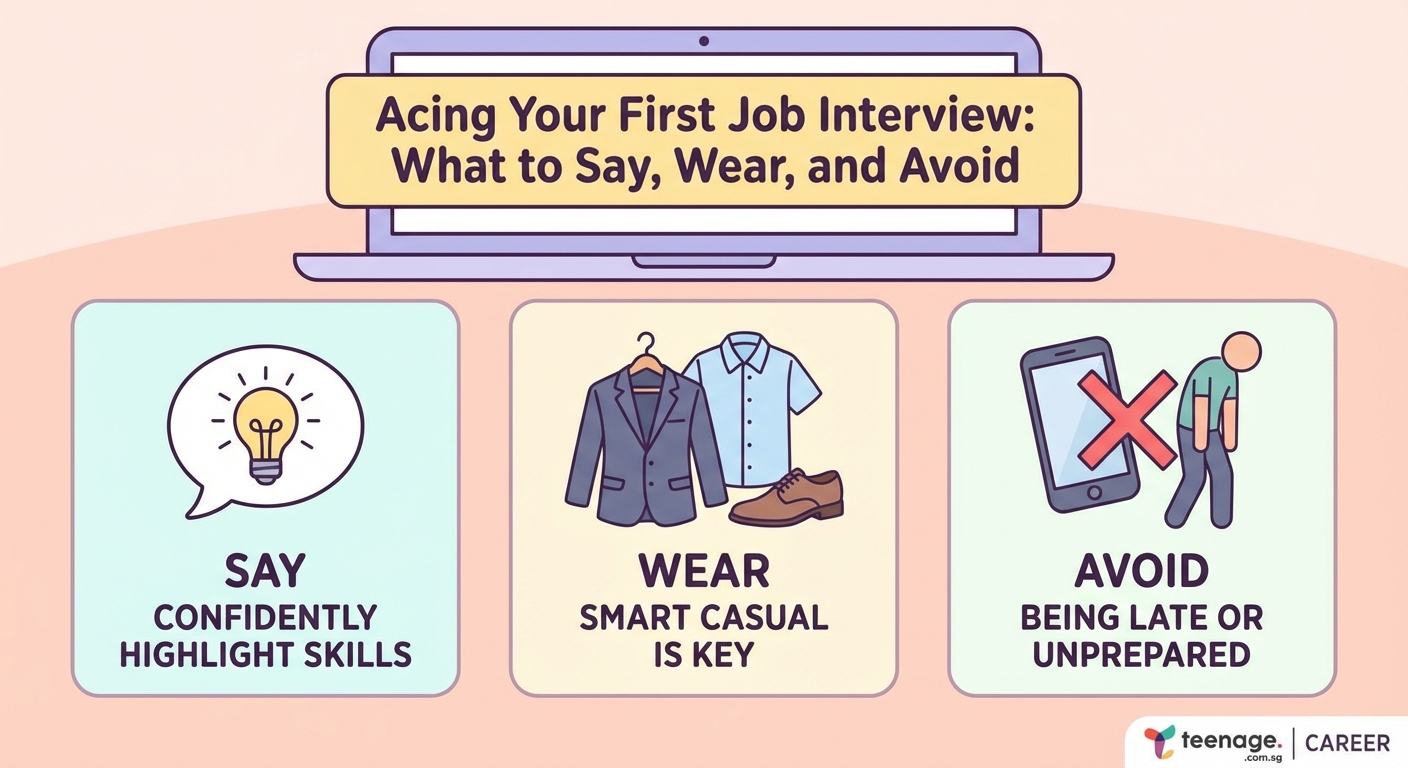
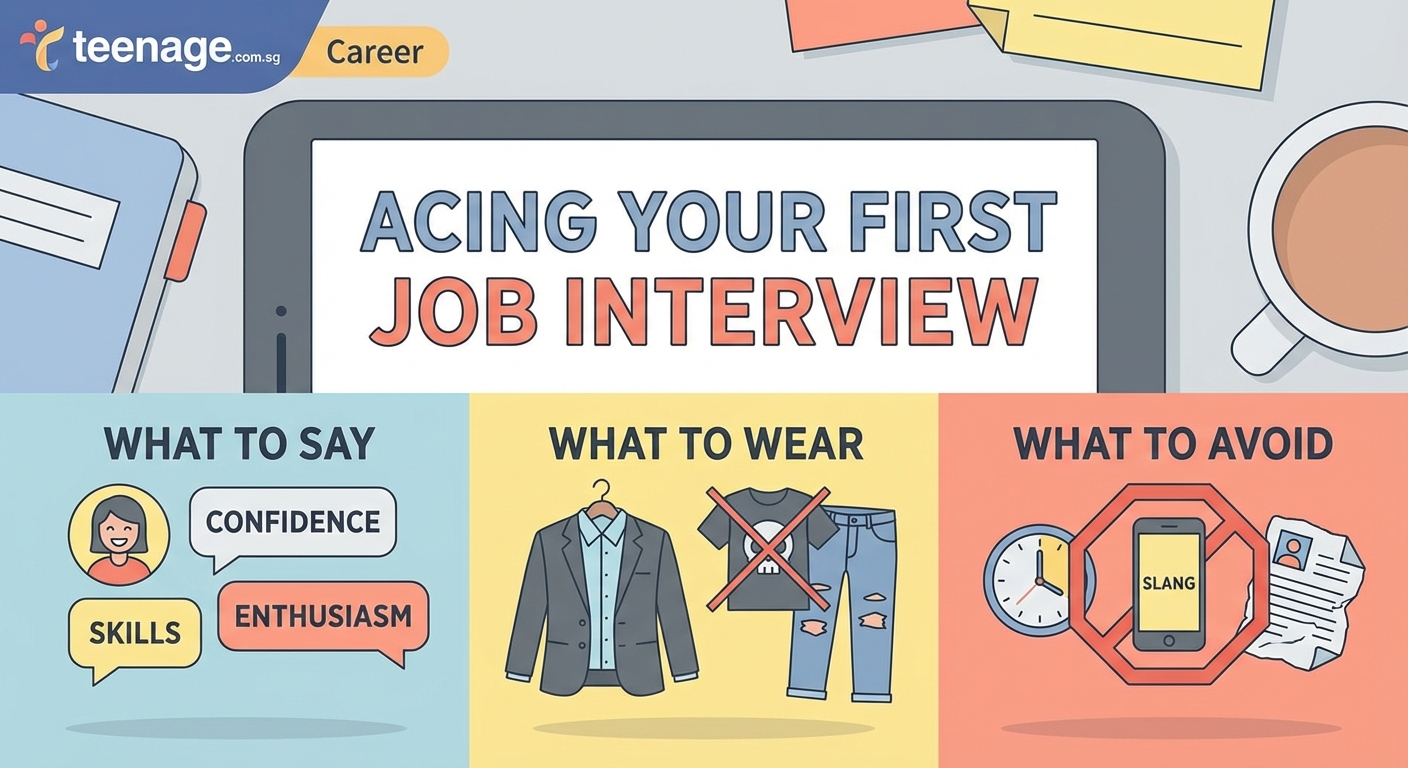
Acing Your First Job Interview: What to Say, Wear, and Avoid

Walking into your first job interview is nerve-wracking enough without worrying about whether your outfit is sending the wrong message. You want to look professional, but not like you borrowed your parent’s work clothes. You want to seem confident, but not overdressed for a casual startup. Getting what to wear to a job interview right can feel like solving a puzzle with missing pieces, especially when every company seems to have different expectations.
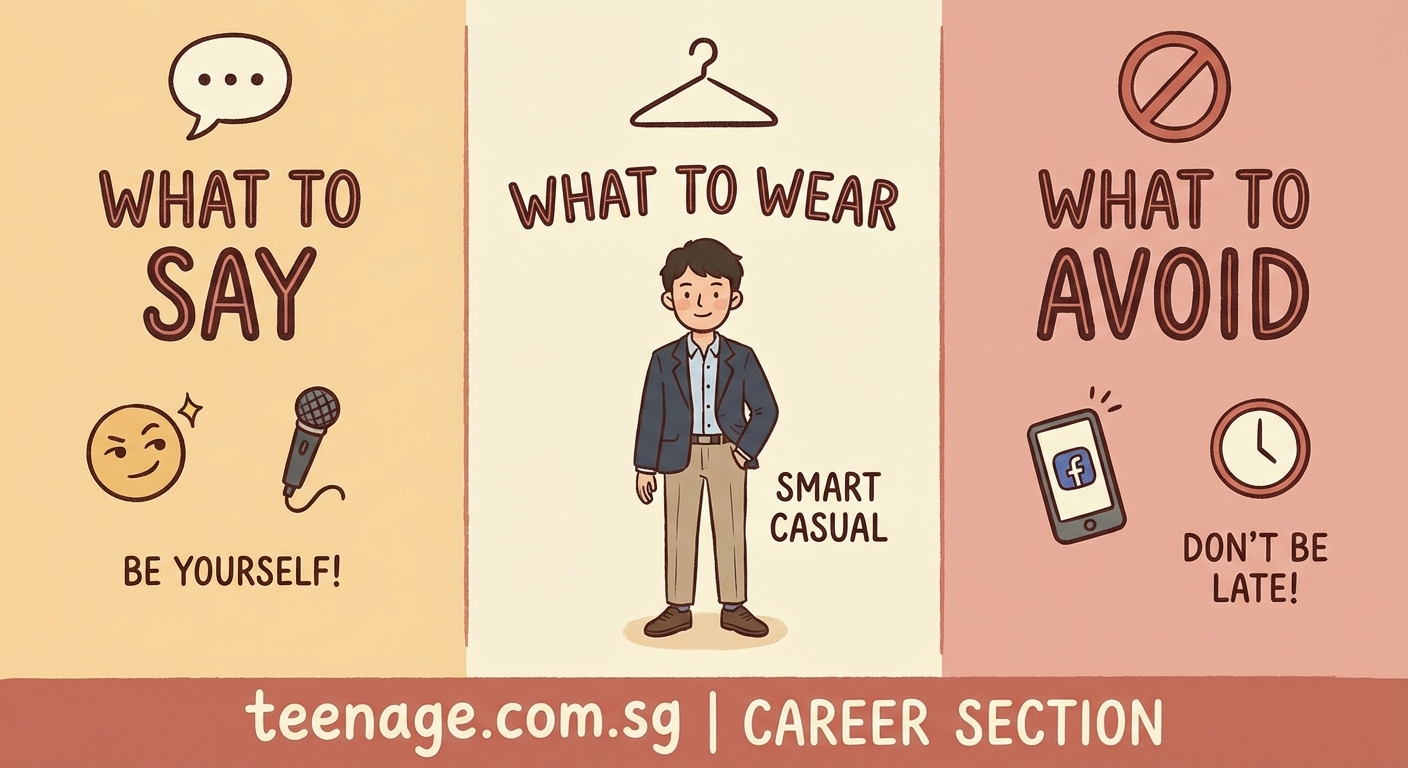
Choosing what to wear to a job interview depends on the company culture and role type. Business casual works for most entry-level positions: clean button-up or blouse, neutral trousers or skirt, closed-toe shoes. Research the company beforehand, avoid loud patterns or excessive accessories, and always prioritize comfort and confidence. When in doubt, slightly overdressing beats showing up too casual every single time.
Understanding different interview dress codes
Not all interviews require the same level of formality. A tech startup might find a full suit too stiff, while a law firm could see jeans as disrespectful.
Here are the main dress code categories you’ll encounter:
Business professional means full suit and tie for guys, pantsuit or conservative dress for everyone else. Think banking, law, corporate finance. This is the most formal tier.
Business casual sits in the middle. Button-up shirts, blouses, slacks, knee-length skirts, loafers or flats. Most retail, office, and entry-level corporate roles fall here.
Smart casual allows more personality. Clean jeans (dark wash, no rips), polo shirts, casual dresses, clean sneakers. Common at creative agencies, cafes, and some tech companies.
Casual is rare for interviews but exists at very relaxed startups. Even then, avoid gym clothes and flip-flops.
“When you’re unsure about the dress code, aim one level more formal than what current employees wear daily. You can always dress down later, but you can’t undo a first impression.” – Career counselor at a Singapore polytechnic
How to research the company dress code before your interview
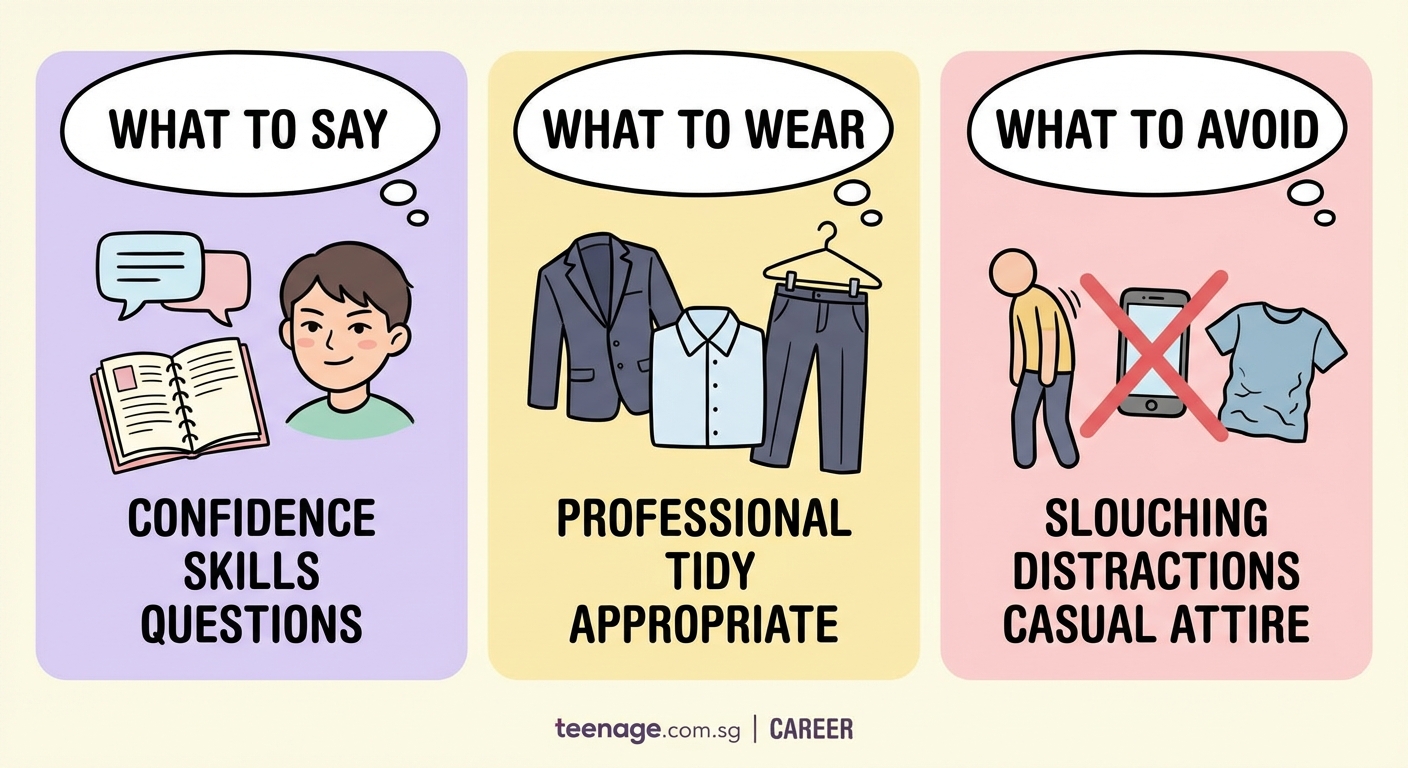
Don’t guess. Do your homework instead.
- Check the company’s social media and website. Look at team photos, behind-the-scenes content, event pictures. What are employees actually wearing?
- Read the job posting carefully. Sometimes it mentions dress code expectations or company culture clues.
- Visit the office if possible. Walk by during lunch hours and observe people coming and going.
- Ask the recruiter directly. Most appreciate the question. Try: “Could you share what the typical dress code is so I can dress appropriately?”
- Look up employee reviews on Glassdoor. People often mention company culture and expectations there.
If you’re applying somewhere trendy like one of Singapore’s newest cafe openings, checking their Instagram will tell you everything you need to know about their vibe.
What to wear for different types of entry-level interviews
Different industries have different expectations. Here’s a breakdown.
Retail and food service interviews
Clean, neat, and approachable wins here.
- Dark jeans or khakis
- Plain t-shirt or polo (no logos or graphics)
- Clean sneakers or casual shoes
- Minimal jewelry
- Hair pulled back if long
Many retail managers care more about hygiene and friendliness than formal attire. Show you understand customer service through your presentation.
Corporate office interviews
Business casual is your safest bet.
For everyone:
– Button-up shirt or blouse in solid colors or subtle patterns
– Dress pants or knee-length skirt
– Closed-toe shoes (loafers, oxfords, flats, low heels)
– Minimal accessories
– Light, professional makeup if you wear it
Avoid anything too tight, too short, or too revealing. The focus should stay on your qualifications, not your outfit.
Creative industry interviews
You can show more personality here, but don’t go wild.
- Clean, well-fitted jeans (dark wash)
- Interesting blouse or patterned shirt
- Blazer to elevate the look
- Clean sneakers or ankle boots
- One statement accessory
Creative fields value self-expression, but professionalism still matters. Think “I have style” not “I just rolled out of bed.”
Tech and startup interviews
Smart casual usually works, but research first.
- Chinos or dark jeans
- Casual button-up or nice sweater
- Clean sneakers or casual leather shoes
- Minimal accessories
Some tech companies pride themselves on being ultra-casual. Even then, showing up in a hoodie and gym shorts reads as “I don’t care” rather than “I fit in.”
Building your interview outfit on a student budget
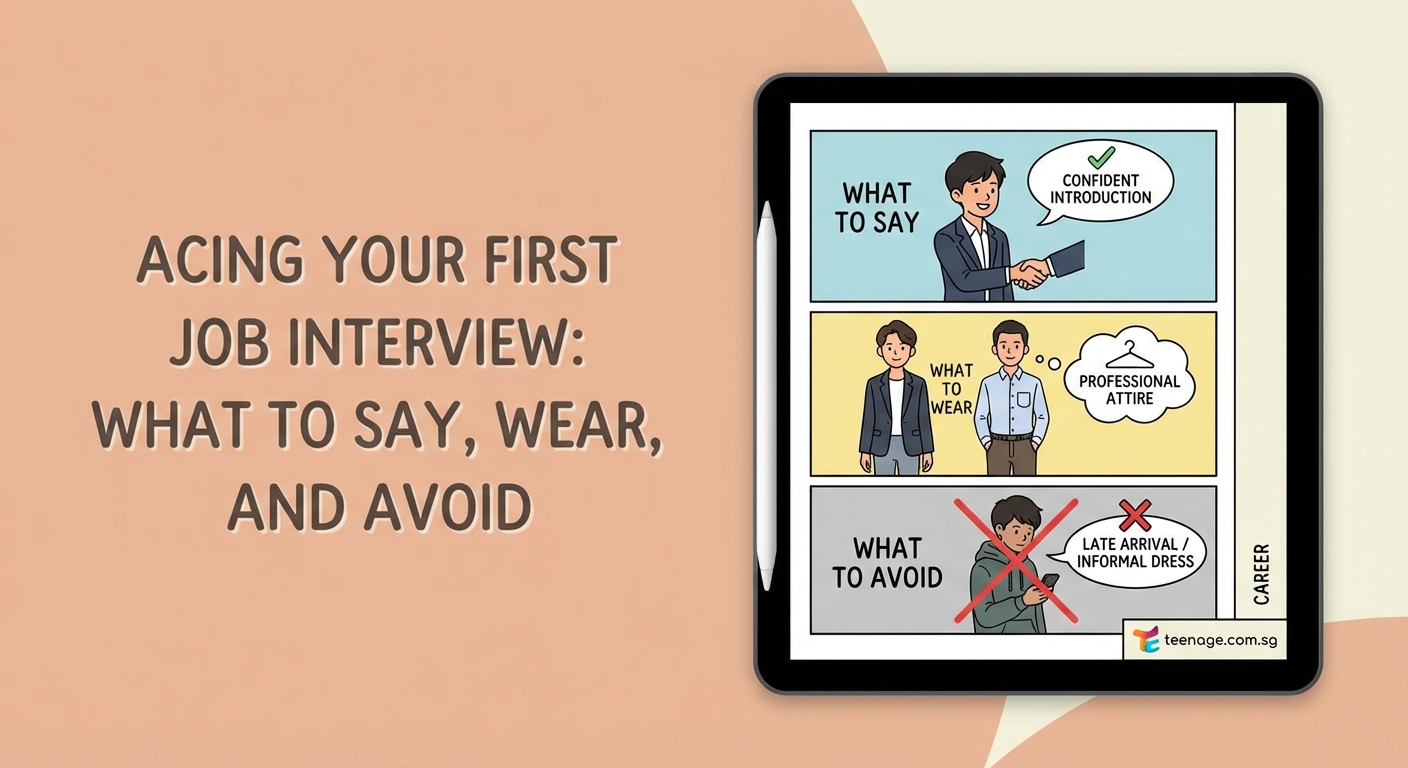
You don’t need to spend hundreds to look professional.
Check out thrift stores and secondhand shops first. You can find quality pieces for a fraction of retail prices. Styling thrifted clothes properly can make them look just as polished as expensive brands.
Budget-friendly shopping tips:
- Buy basics in neutral colors (black, navy, gray, white) that mix and match
- Invest in one good pair of shoes you can wear multiple ways
- Borrow from friends or family for one-time interviews
- Hit end-of-season sales at mainstream stores
- Check Carousell and other secondhand platforms for barely-worn professional clothes
If you’re building a work wardrobe from scratch, creating a capsule wardrobe helps you get more outfits from fewer pieces.
Common interview outfit mistakes to avoid
Some choices seem harmless but can cost you the job.
| Mistake | Why It’s a Problem | Better Alternative |
|---|---|---|
| Wearing strong perfume or cologne | Can trigger allergies or headaches | Skip fragrance entirely |
| Showing up in wrinkled clothes | Looks careless and unprepared | Iron or steam everything the night before |
| Wearing flip-flops or sandals | Too casual for almost any interview | Closed-toe shoes always |
| Overdoing accessories | Distracts from your qualifications | One or two simple pieces max |
| Visible logos and brand names | Can seem immature or flashy | Plain, solid colors work better |
| Athletic wear or gym clothes | Shows lack of effort | Even casual interviews need real clothes |
| Clothes that don’t fit properly | Uncomfortable and unprofessional | Get items tailored if needed |
The night before checklist
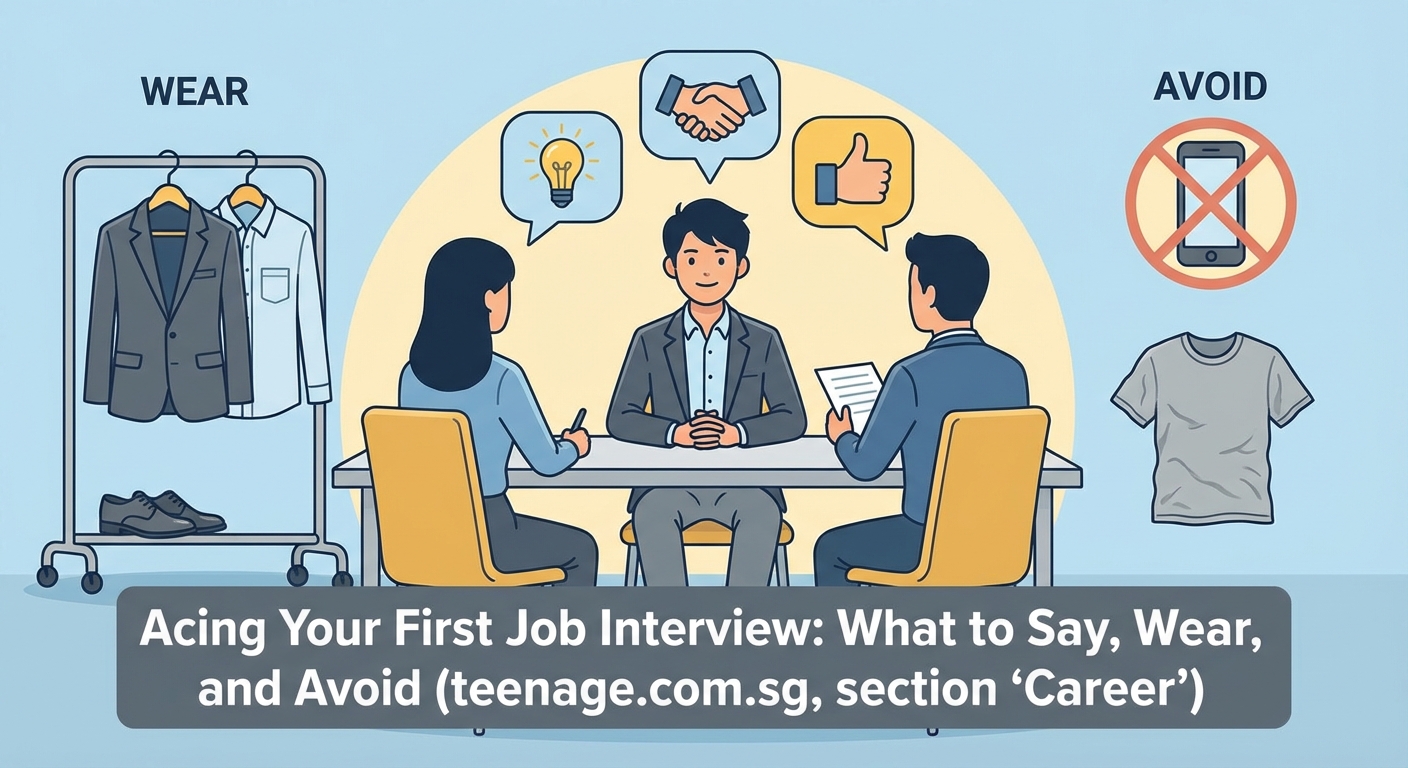
Scrambling the morning of your interview adds unnecessary stress.
Do this the evening before:
- Lay out your entire outfit, including shoes and accessories
- Check for stains, wrinkles, loose threads, missing buttons
- Iron or steam everything
- Polish your shoes if needed
- Charge your phone fully
- Pack a small bag with resume copies, pen, breath mints
- Set out your keys, wallet, and anything else you’ll need
Try on the complete outfit one more time. Walk around. Sit down. Make sure nothing rides up, falls down, or feels uncomfortable.
What to do if you realize your outfit is wrong
You walk in and immediately notice everyone is way more casual (or formal) than you.
Don’t panic.
If you’re overdressed, remove your blazer or tie. Roll up your sleeves slightly. You’ll still look put-together but less stiff.
If you’re underdressed, there’s less you can do physically, but you can address it directly. When you meet the interviewer, try: “I wasn’t sure about the dress code, so I erred on the side of casual. I appreciate you taking the time to meet with me anyway.”
Acknowledging it shows self-awareness. Then move the conversation forward by focusing on your qualifications and enthusiasm for the role.
Grooming and hygiene matter just as much as clothes
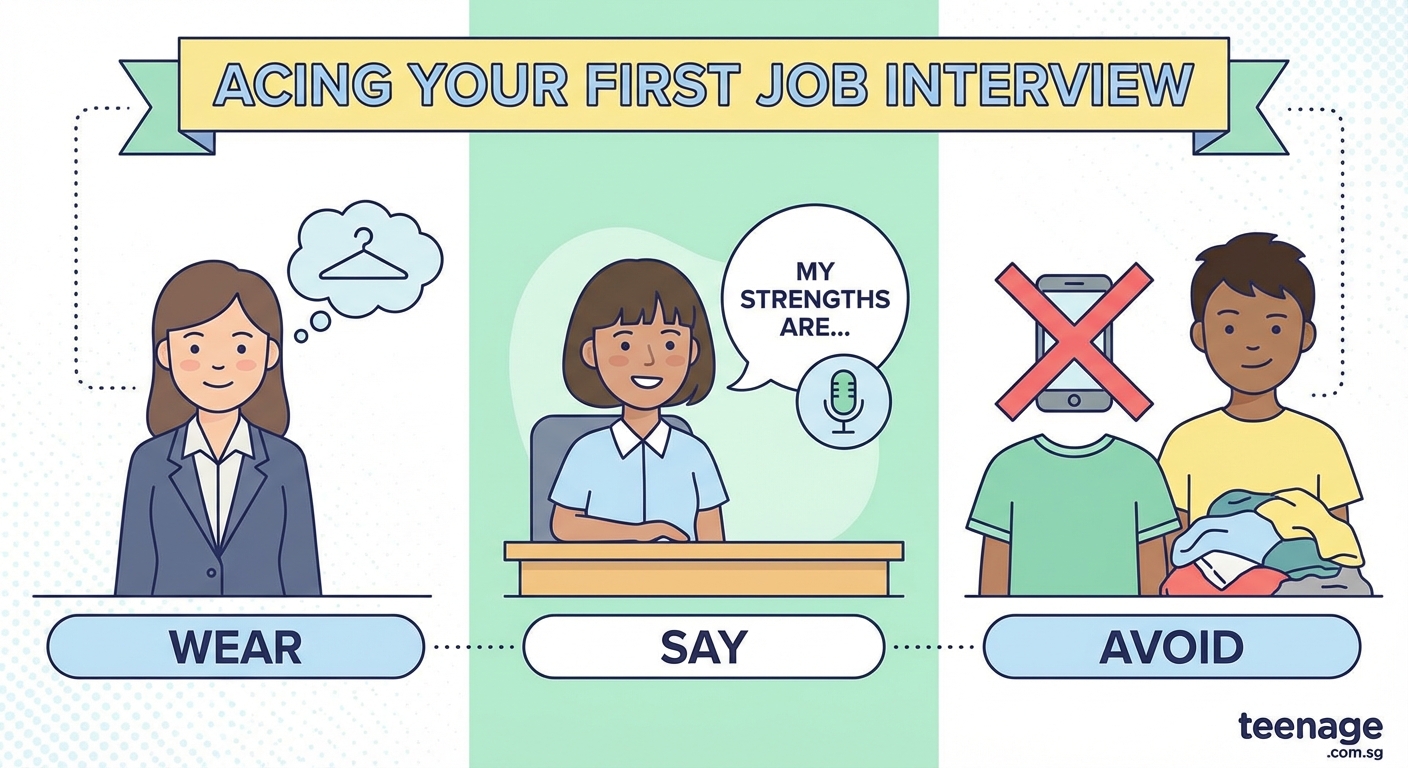
Your outfit is only part of the picture.
Make sure you:
- Shower the morning of the interview
- Brush your teeth (bring mints or gum for right before)
- Style your hair neatly (doesn’t have to be fancy, just clean and intentional)
- Trim your nails
- Avoid chipped nail polish
- Keep facial hair groomed
- Go easy on makeup (if you wear it)
These details seem small, but they add up to an overall impression of someone who takes care of themselves and respects the opportunity.
If you’re dealing with skin concerns, having a simple morning routine can help you feel more confident walking in.
What about accessories and personal items
Less is more here.
Keep:
– Simple watch
– Small earrings or one ring
– Professional bag or backpack
– Portfolio or folder for documents
Leave at home:
– Large, noisy jewelry
– Baseball caps or beanies
– Sunglasses on your head
– Visible piercings in unconventional places (unless the industry is very casual)
– Headphones around your neck
Your phone should be on silent and tucked away. Visible AirPods or earbuds, even if not in use, look unprofessional.
Dressing for virtual interviews
Video interviews have different rules.
Focus on what the camera sees:
- Solid-colored top (avoid white, which can wash you out)
- No busy patterns that create weird visual effects on screen
- Good lighting on your face
- Neat hair and grooming
- Clean, uncluttered background
Technically you could wear pajama pants since they won’t show, but getting fully dressed helps you get in the right mindset. Plus, you never know when you might need to stand up unexpectedly.
Outfit ideas you can actually copy
Here are three complete outfit formulas that work for most entry-level interviews.
Formula 1: Classic business casual
– White or light blue button-up shirt
– Navy or black dress pants
– Brown or black leather shoes
– Optional: blazer in coordinating color
– Simple watch
Formula 2: Modern professional
– Solid-colored blouse or polo
– Dark gray or khaki chinos
– Loafers or ankle boots
– Minimal jewelry
– Structured tote or messenger bag
Formula 3: Smart creative
– Dark jeans (no rips or fading)
– Patterned button-up or nice sweater
– Blazer or cardigan
– Clean white sneakers or casual leather shoes
– One interesting accessory (watch, earrings, or necklace)
Mix and match based on what you already own and what fits the company culture you researched.
Confidence is your best accessory
Here’s the truth: your outfit matters, but it’s not everything.
An interviewer who rejects you solely because you wore brown shoes instead of black probably isn’t someone you want to work for anyway. What matters more is that you show up prepared, enthusiastic, and ready to talk about why you’re right for the role.
That said, dressing appropriately removes one potential barrier. It shows you understand professional norms and respect the opportunity. It lets the interviewer focus on your skills and personality instead of wondering why you showed up in a graphic tee.
Choose something that makes you feel confident and comfortable. Practice answering common interview questions in your outfit so nothing feels awkward or restrictive. The more comfortable you are, the more your personality and qualifications can shine through.
Your outfit is just the beginning
Figuring out what to wear to a job interview gets easier with experience. Your first one might feel like you’re playing dress-up in someone else’s clothes. By your fifth, you’ll know exactly what works for you and different situations.
Remember that every interview, whether you get the job or not, teaches you something. You learn what questions to expect, how to talk about yourself, and yes, what to wear next time.
Start building your interview wardrobe now with a few versatile basics. Take care of them. Keep them clean and ready to go. Then when an opportunity pops up, you can focus on preparing your answers instead of panicking about your outfit.
You’ve got this. Now go show them what you can do.













Post Comment