Best Late Night Food Spots Near Campus That Won’t Wreck Your Wallet
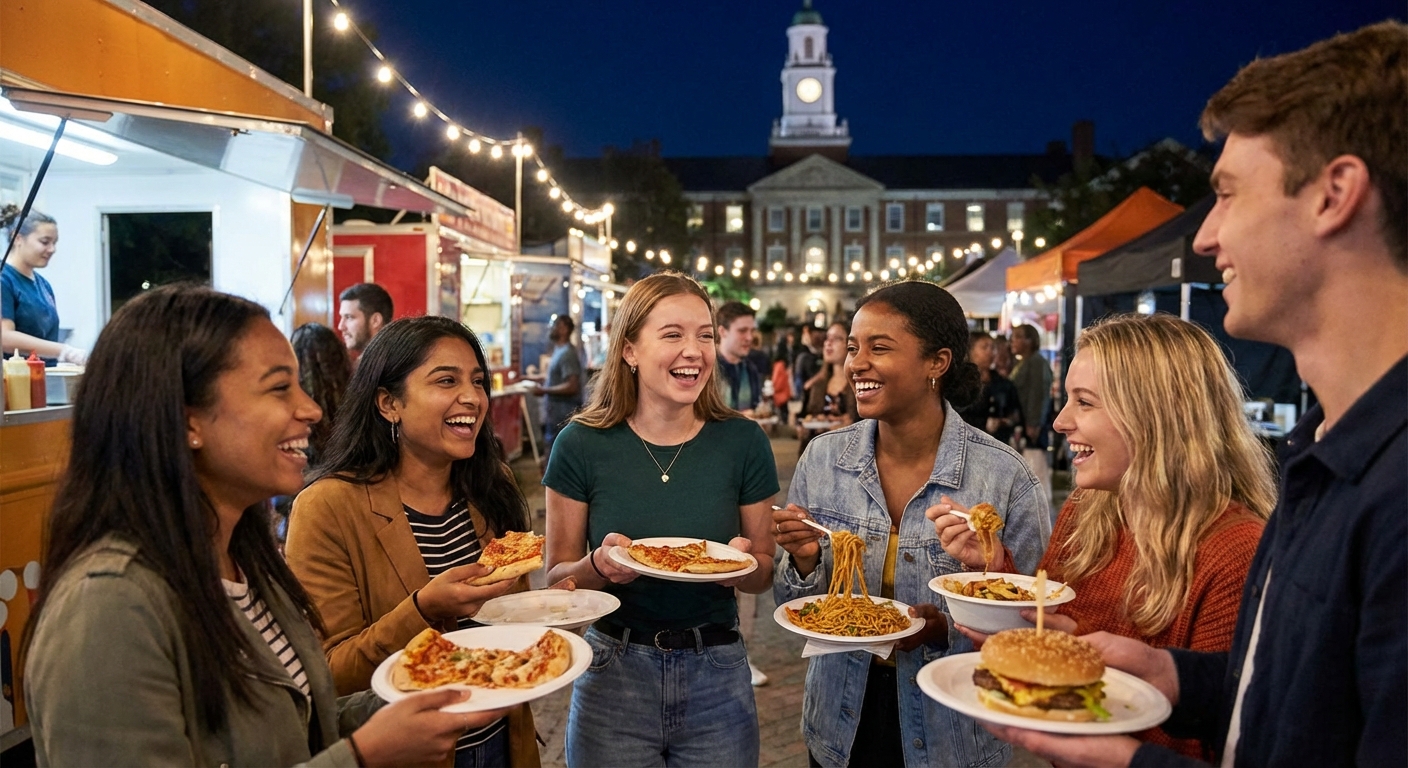
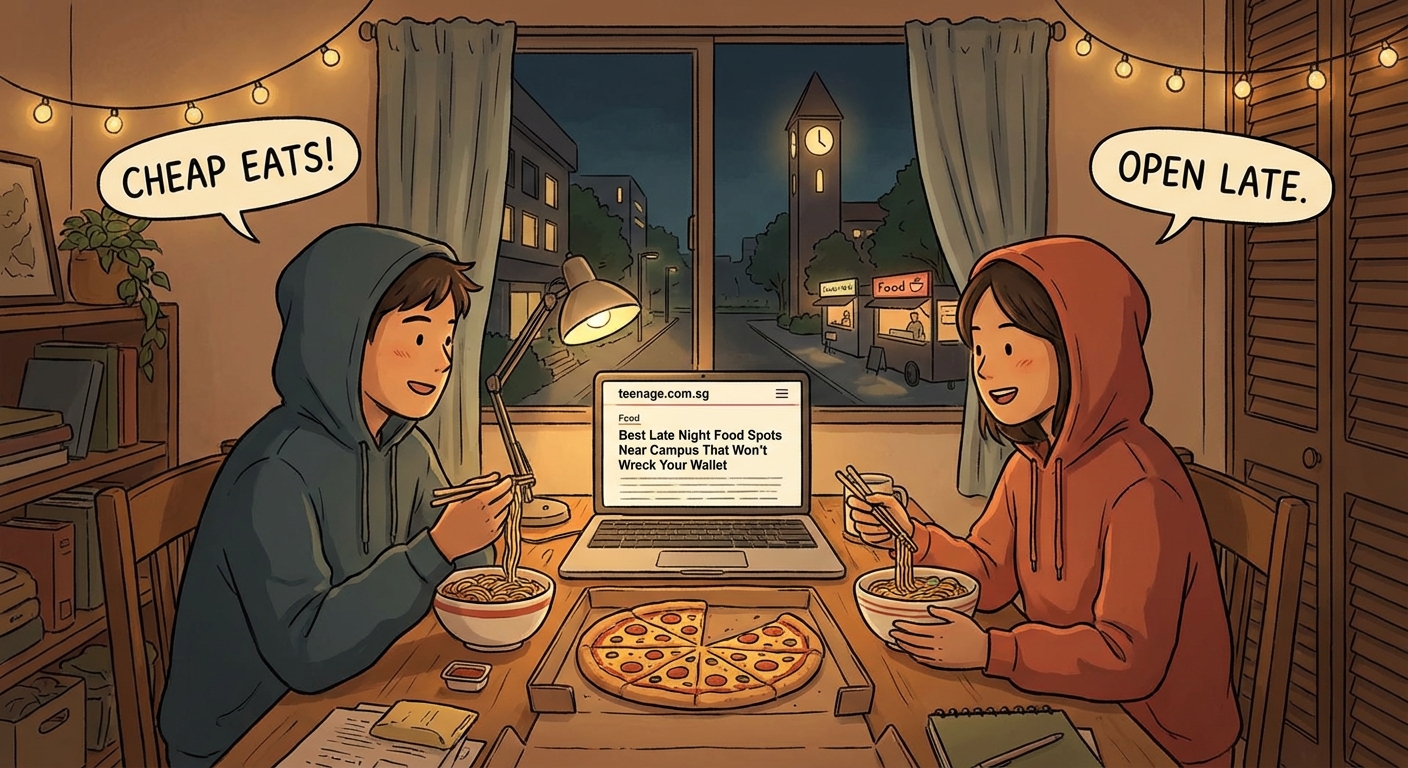
It’s 11 PM and your stomach is growling louder than your study playlist. You just wrapped up three hours of cramming for tomorrow’s exam, and the dining hall closed ages ago. Sound familiar? Every college student knows that hunger doesn’t follow a schedule, especially when you’re pulling all-nighters or coming back from a friend’s place.
Finding good late night food near campus that doesn’t drain your bank account can feel impossible. But trust me, once you know where to look, you’ll never go hungry again.
Late night food near campus doesn’t have to be expensive or unhealthy. From 24-hour diners and food trucks to convenience stores with surprisingly good options, budget-conscious students have plenty of choices. Knowing operating hours, having backup spots, and keeping reusable containers handy can save you money while keeping you fed during those long study sessions and spontaneous hangouts with friends.
Why Late Night Eating Matters for Students
College life runs on a different clock than the rest of the world. Classes end at weird times. Study groups go until midnight. Social events start when most restaurants are closing.
Your brain needs fuel to function, especially during finals week. Skipping meals because nothing’s open isn’t just uncomfortable. It actually hurts your academic performance.
The problem is that most campus dining options shut down by 8 or 9 PM. Delivery apps charge ridiculous fees after dark. And cooking in a tiny dorm kitchen at 1 AM? Not happening.
That’s why knowing your late night food options is basically a survival skill.
The Best Types of Late Night Food Spots Near Campus
Not all late night spots are created equal. Some will save your wallet. Others will leave you broke before midterms even hit.
24-Hour Diners and Chain Restaurants
These are your reliable friends. They’re always open, prices stay consistent, and you know exactly what you’re getting.
Most college towns have at least one 24-hour diner within walking or bus distance. The menu usually includes breakfast all day, burgers, sandwiches, and coffee that keeps you awake for round two of studying.
Chain restaurants like Denny’s, IHOP, or Waffle House typically offer student discounts if you ask. Some even have special late night menus with smaller portions at lower prices.
The key is finding the spot closest to campus. Walking 20 minutes at midnight isn’t fun, especially in winter.
Food Trucks and Street Vendors
Food trucks are absolute game changers for late night eating. They park near campus specifically because they know students need food at weird hours.
Prices are usually lower than sit-down restaurants. Portions are generous. And the food is actually good, not just convenient.
The best food trucks rotate locations, so follow them on Instagram or TikTok. They’ll post their schedule and sometimes offer follower-only deals.
Taco trucks, Korean BBQ trucks, and burger stands are common near college campuses. Cash is king with most vendors, so hit the ATM beforehand.
Convenience Stores with Hot Food Sections
Don’t sleep on convenience stores. Seriously.
Places like 7-Eleven, Circle K, and regional chains have stepped up their game. Hot food sections now include pizza, chicken tenders, sandwiches, and even pasta.
The quality won’t blow your mind, but it’s hot, filling, and cheap. A full meal usually costs under $5.
Some stores near campus stock better options because they know their customer base. The 7-Eleven by my old dorm had fresh sushi rolls and actually decent salads.
Plus, you can grab snacks for later. Stock up on ramen, granola bars, and energy drinks while you’re there.
Campus Late Night Programs
Many universities run late night food programs specifically for students. These are criminally underused.
Student unions often keep cafes or food courts open until midnight or later during exam periods. Prices are subsidized, so you’re paying way less than off-campus options.
Some schools partner with local restaurants to offer delivery or pickup deals exclusively for students. Check your student portal or campus app.
Greek life organizations and student clubs sometimes host late night food events. Free pizza, anyone?
If your school has these programs and you’re not using them, you’re literally leaving free or cheap food on the table. Just like how students should know about how to score free tickets to Singapore’s biggest youth festivals and concerts, finding campus food deals requires staying informed.
How to Find the Best Late Night Food Options
Walking around at midnight hoping to stumble on open restaurants is not a strategy. Here’s how to actually find good spots.
Step 1: Map Out Operating Hours
Create a note in your phone listing every nearby food spot and their hours. Include phone numbers in case their website is wrong.
Update this list at the start of each semester. Restaurants change their schedules, especially around holidays and summer break.
Step 2: Join Campus Food Groups
Every college has Facebook groups, Discord servers, or group chats dedicated to food recommendations. Join them.
Students share real-time updates about which spots are open, what’s good, and where the deals are. It’s like having hundreds of food scouts working for you.
Step 3: Test Different Spots Before You’re Desperate
Don’t wait until you’re starving at 2 AM to try a new place. Visit potential spots during normal hours first.
Check the menu, prices, and vibe. See how long orders take. Figure out if they accept card or need cash.
When you actually need late night food in a pinch, you’ll already know exactly where to go.
Step 4: Build a Rotation
Eating the same thing every night gets old fast. Have at least 3-4 reliable spots in rotation.
This also gives you backup options when your first choice is randomly closed or packed with other students.
Step 5: Keep Emergency Supplies in Your Dorm
Sometimes nothing is open, or you’re too tired to leave. Keep instant noodles, canned soup, peanut butter, bread, and shelf-stable snacks in your room.
A mini fridge and microwave are worth the investment. Heat up leftovers instead of ordering expensive delivery.
Budget-Friendly Late Night Eating Strategies
Being smart about late night food can save you hundreds of dollars per semester.
-
Split orders with roommates. Many late night spots have huge portions meant for sharing. One large pizza feeds three people easily.
-
Skip the drinks. Fountain sodas and bottled drinks jack up the bill. Drink water at the restaurant and keep drinks in your dorm.
-
Use student discounts. Always ask if they offer student pricing, even if it’s not advertised. Flash your student ID.
-
Order pickup instead of delivery. Delivery fees and tips add $5-10 to every order. Walk or bike to pick up food yourself.
-
Check for app-only deals. Many restaurants offer exclusive discounts through their mobile apps. Download them and enable notifications.
-
Buy in bulk when possible. If a food truck offers a deal on multiple items, get extra and save leftovers for tomorrow.
-
Avoid peak hours. Some spots raise prices or add surcharges during busy times like Friday and Saturday nights.
Just like students learn to manage their money with how to build a capsule wardrobe on a student budget, smart late night eating requires planning ahead.
What to Look for in a Good Late Night Food Spot
Not every open restaurant is worth your time or money. Here’s what separates the great spots from the mediocre ones.
| Quality | What to Look For | Red Flags |
|---|---|---|
| Price | Meals under $10, combo deals, student discounts | Hidden fees, mandatory tips, inflated late night pricing |
| Location | Within 15-minute walk or on bus route | Sketchy area, no lighting, far from campus |
| Speed | Food ready in 10-15 minutes | Long waits, understaffed, slow service |
| Quality | Fresh ingredients, hot food, good reviews | Stale food, health code violations, consistently bad reviews |
| Hours | Consistent schedule, open past midnight | Randomly closes early, unreliable hours |
| Atmosphere | Student-friendly, clean, safe | Unwelcoming to students, dirty, uncomfortable |
The best late night spots check most of these boxes. If a place fails on multiple points, keep looking.
Safety Tips for Late Night Food Runs
Getting food at midnight is different from grabbing lunch at noon. Stay safe out there.
Always go with at least one other person if possible. There’s safety in numbers, especially in less populated areas.
Stick to well-lit routes. Take the longer path if it means staying on busy, illuminated streets.
Let your roommate know where you’re going and when you expect to be back. Share your location on your phone.
Trust your gut. If a spot or situation feels off, leave. No food is worth risking your safety.
Keep your phone charged. A dead phone at 1 AM is a nightmare waiting to happen.
Use campus safety escorts if your school offers them. Many universities provide walking escorts for students after dark.
Common Late Night Food Mistakes to Avoid
Everyone makes these mistakes at first. Learn from others instead of your bank account.
Mistake 1: Ordering delivery every time. Those fees add up to hundreds per semester. Walk to pick up food when possible.
Mistake 2: Not checking hours before heading out. Nothing’s worse than walking 20 minutes to a closed restaurant. Call ahead or check Google.
Mistake 3: Eating out every single night. Your body and wallet both need breaks. Keep easy food in your dorm for some nights.
Mistake 4: Ignoring food safety. Leftovers sitting in a hot backpack for hours? That’s food poisoning waiting to happen. Use insulated bags or eat immediately.
Mistake 5: Always going to the same spot. Branch out. You might find better or cheaper options nearby.
Mistake 6: Forgetting to tip appropriately. If someone’s serving you food at 2 AM, tip them fairly. But don’t feel pressured by inflated suggested tips on tablets.
Making the Most of Food Apps and Loyalty Programs
Technology makes finding and saving on late night food easier than ever.
Download apps for restaurants you visit frequently. Most offer points programs where you earn free food after certain purchases.
Set up notifications for deals. Apps send alerts about limited-time discounts, usually during slower hours.
Compare prices across apps before ordering. The same restaurant might have different deals on their own app versus third-party delivery services.
Use cashback apps like Rakuten or student discount platforms. Stack these with restaurant deals for maximum savings.
Join email lists. Yes, your inbox will get cluttered, but you’ll get exclusive coupons and early access to promotions.
“The students who save the most money on food are the ones who plan ahead and use every discount available. It’s not about being cheap, it’s about being smart with limited resources.” – Campus dining coordinator at a major university
Healthy Late Night Options That Actually Exist
Late night food doesn’t have to mean greasy burgers every time. Healthier options exist if you know where to look.
Many 24-hour grocery stores have salad bars and pre-made healthy meals. Grab a container and fill it with vegetables, proteins, and whole grains.
Some food trucks specialize in healthier fare like grain bowls, smoothies, or Mediterranean food. These are becoming more common near college campuses.
Convenience stores stock fruit, yogurt, nuts, and protein bars. Not exciting, but better than chips and candy.
If you’re ordering from a restaurant, modify your order. Ask for vegetables instead of fries. Choose grilled over fried. Skip heavy sauces.
Staying healthy matters just as much as staying fed. Similar to the ultimate guide to balancing school, social life, and self-care, your food choices impact your overall college experience.
Building Your Personal Late Night Food Guide
Create a customized list that works specifically for your campus, schedule, and preferences.
Start with a spreadsheet or note with these columns: restaurant name, type of food, price range, hours, distance from dorm, and personal rating.
Add notes about what to order. Some menu items are better than others at the same restaurant.
Include backup options for different scenarios. What’s open on Sunday nights? What about during winter break when most places close?
Update your guide throughout the semester. New spots open, old favorites close, and hours change.
Share your guide with friends. They’ll add their discoveries, and everyone benefits.
This personalized resource becomes invaluable, especially during stressful times when you can’t think straight but need to eat.
When to Meal Prep Instead of Eating Out
Sometimes the best late night food strategy is having food already ready in your dorm.
Meal prepping doesn’t have to be complicated. Make a big batch of something on Sunday that lasts all week.
Rice bowls, pasta dishes, and sandwiches are easy to prepare in advance. Store them in containers and grab one when hunger hits.
Invest in a good lunch box and ice pack. This lets you bring food to the library or study spaces.
Students who balance how to meal prep on a budget when you’re always busy with classes with strategic late night eating save the most money overall.
Calculate how much you spend on late night food each month. If it’s over $100, meal prepping even twice a week will cut that significantly.
Group Orders and Splitting Costs
Late night food gets way cheaper when you coordinate with others.
Before heading to the library for a study session, ask your group if anyone wants to split an order later. Pool money for one large order instead of everyone buying individually.
Many restaurants offer family meals or party platters that cost less per person than individual orders. A large pizza feeds four people for $3 each instead of $8 per person for personal pizzas.
Use group payment apps like Venmo or Splitwise to handle money easily. No awkward cash exchanges or IOUs.
Rotate who places the order. This spreads out the effort of picking up food or dealing with delivery.
Set clear expectations about splitting costs fairly. Don’t be the person who orders the most expensive thing and then suggests splitting evenly.
Seasonal Considerations for Late Night Eating
Your late night food strategy needs to adapt throughout the year.
Fall semester: Restaurants are fully staffed and hours are consistent. This is the best time to try new spots and build your rotation.
Winter: Cold weather makes walking to food spots miserable. Stock your dorm with more emergency supplies. Consider delivery more often despite the cost.
Spring semester: Hours might extend as weather improves. Food trucks return or add locations. Take advantage of outdoor eating options.
Summer: Many spots reduce hours or close completely when most students leave. If you’re staying on campus, research which places remain open.
Exam periods: Expect longer wait times everywhere. More students are eating late, so popular spots get packed. Order earlier or have backup plans.
Holidays: Most places close or have reduced hours during Thanksgiving, winter break, and spring break. Plan accordingly if you’re staying on campus.
Making Late Night Food Part of Your Routine
The students who handle late night eating best treat it as a normal part of college life, not an emergency every time.
Set a realistic weekly budget for eating out. If you know you’ll need late night food three times per week, plan for it financially.
Build food runs into your study schedule. Taking a break to grab food can actually help you focus better when you return.
Make it social when possible. Late night food trips with friends become some of your best college memories.
Don’t feel guilty about needing to eat at odd hours. Your schedule is different, and that’s okay.
Keep track of what works and what doesn’t. If a certain spot always makes you feel sick, stop going there no matter how convenient it is.
Your Late Night Food Game Plan
Finding reliable late night food near campus transforms from a stressful scramble into a manageable part of college life once you have a system.
Start by mapping out your top three spots this week. Visit them, check their hours, and try their most popular items. Build from there.
Join campus food groups and follow local food trucks on social media. Set up your apps and loyalty programs now, before you’re desperate and hungry.
Most importantly, remember that every college student deals with this. You’re not alone in needing tacos at midnight or breakfast at 2 AM. The spots near campus exist specifically because students like you need them.
Your late night food strategy is as personal as your study habits. What works for your roommate might not work for you. Experiment, adjust, and find your rhythm. Before you know it, you’ll be the one giving recommendations to confused freshmen wondering where to eat after the dining hall closes.













Post Comment