Dorm Room Essentials Every Student Needs to Bring
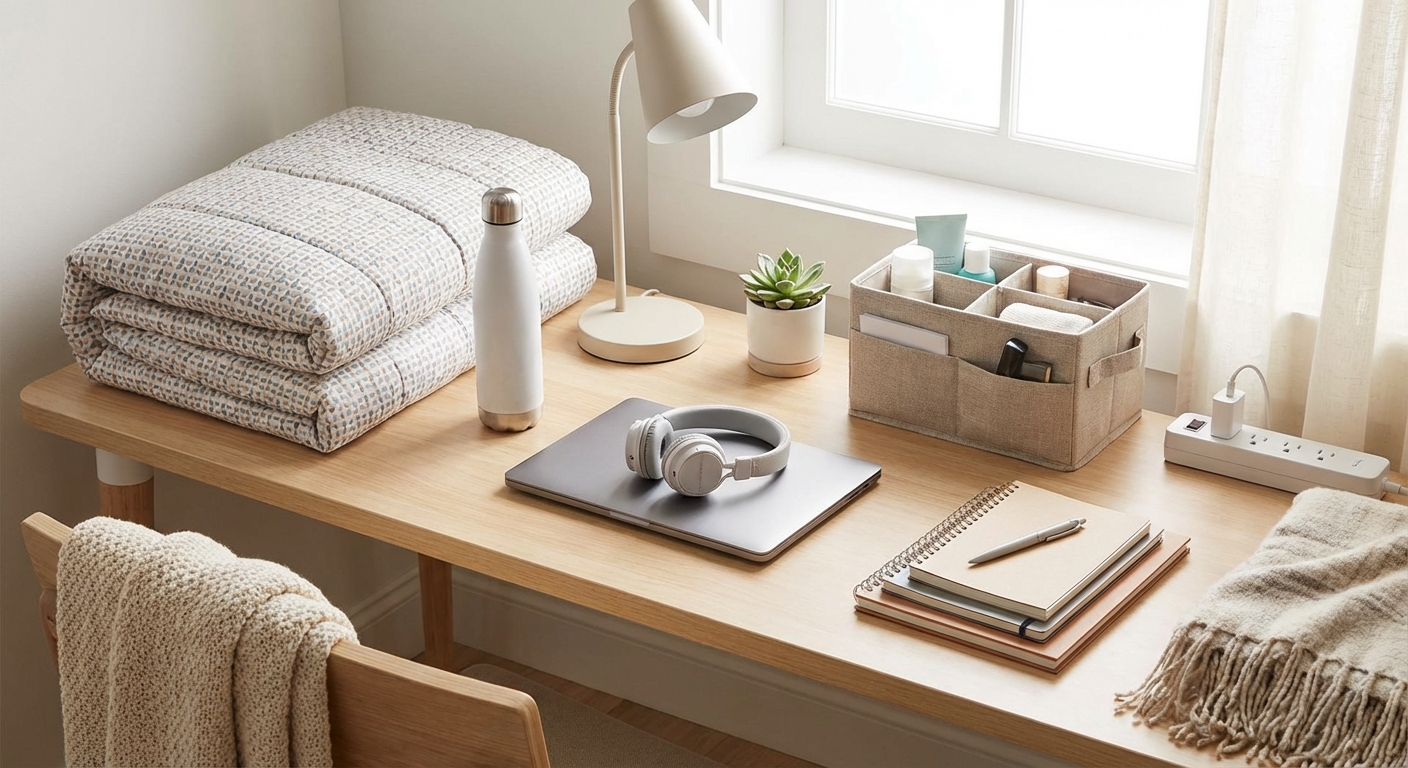
Moving into your first dorm room feels like packing your entire life into a few suitcases and storage bins. You’re excited, nervous, and probably staring at an empty room wondering how you’ll transform it into a space that feels like home. The truth is, what you bring can make or break your first semester experience.
This guide covers all the dorm room essentials you need for college, organized by category. From bedding and storage to study supplies and personal care items, you’ll find a comprehensive checklist plus tips on what to skip, what to share with roommates, and how to maximize limited space without overpacking.
Bedding and Sleep Essentials
Your bed becomes your sanctuary in college. It’s where you’ll crash after late night study sessions, binge shows on weekends, and recover from whatever college throws at you.
Start with these basics:
- Twin XL sheets (most dorms use this size, not regular twin)
- Comforter or duvet with cover
- Mattress topper (dorm mattresses are notoriously uncomfortable)
- Pillows (bring at least two)
- Mattress protector
- Extra blanket for cold nights
Most students underestimate how much time they spend in bed during college. Your dorm bed isn’t just for sleeping. It’s your couch, your study spot when your desk feels too formal, and where friends gather to hang out.
A quality mattress topper makes a huge difference. Those dorm mattresses have seen hundreds of students before you. A three inch memory foam topper transforms your bed from barely tolerable to actually comfortable.
“I didn’t think a mattress topper mattered until my roommate got one and I tried her bed. Ordered mine the next day. Best $50 I spent freshman year.” – Sarah, sophomore at NYU
Storage Solutions That Actually Work
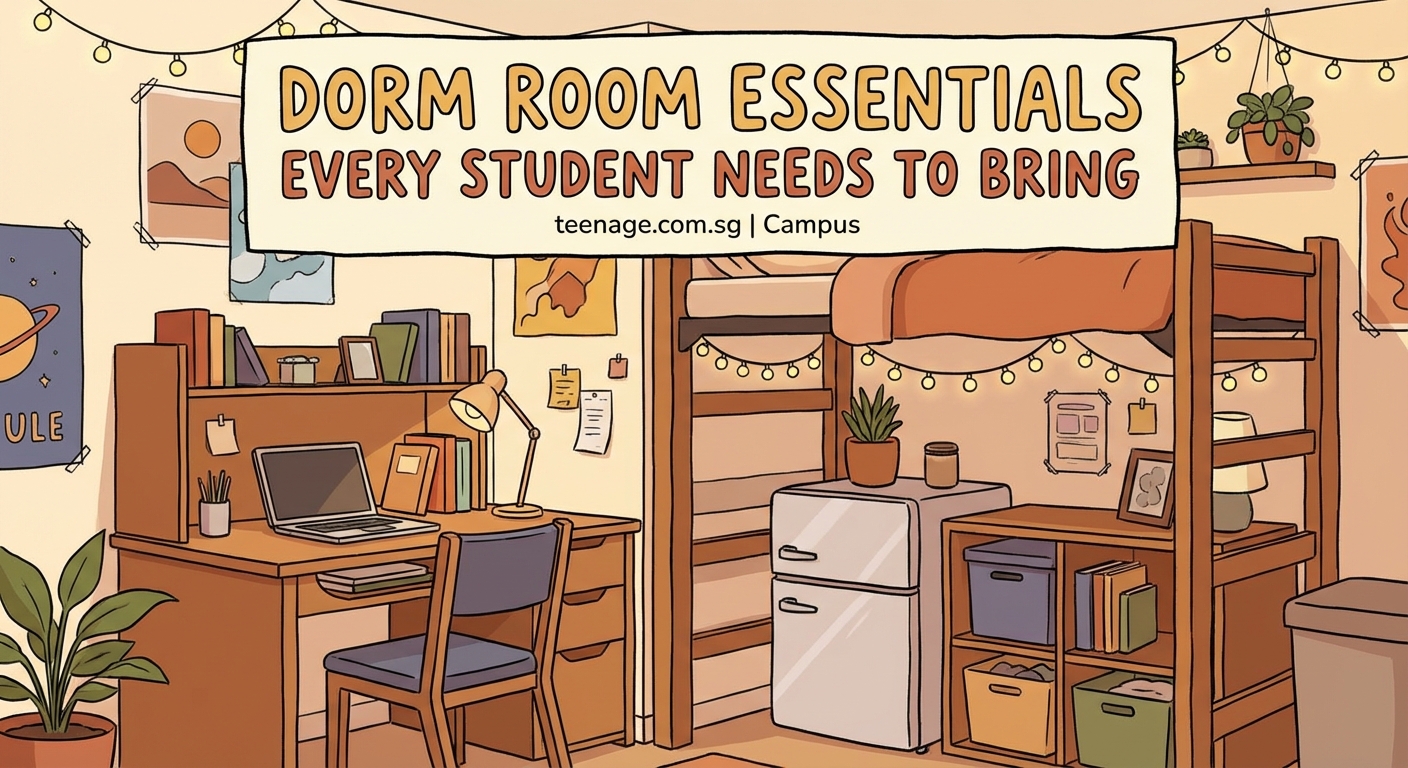
Dorm rooms are tiny. Like, smaller than you think tiny. Storage becomes a game of vertical thinking and creative solutions.
Here’s what you need:
- Under bed storage containers (measure your bed height first)
- Over the door hooks and organizers
- Desk organizers and drawer dividers
- Hanging closet organizers
- Storage ottoman that doubles as seating
- Command hooks (buy more than you think you need)
The biggest mistake freshmen make is bringing too many clothes and not enough ways to store them. Your closet space is probably half what you have at home.
Think vertical. Use the back of your door. Stack bins under your bed. Hang organizers in your closet for shoes, accessories, and folded clothes.
Coordinate with your roommate before buying furniture items. You don’t need two mini fridges or two floor lamps. Split the cost on shared items and use that saved money for things you each need individually.
Study and Desk Setup
Your desk becomes command central for assignments, projects, and those 2am paper writing sessions. Set it up right from day one.
Essential desk items:
- Desk lamp with adjustable brightness
- Laptop stand or riser
- Notebooks and folders
- Pens, pencils, highlighters
- Sticky notes (you’ll use more than you think)
- Scissors and tape
- Stapler
- Phone charger and backup cable
- Power strip with surge protection
That last one is critical. Dorm rooms never have enough outlets. A power strip with at least six outlets and USB ports saves you constantly unplugging things.
Get a good desk lamp. Overhead lighting in dorms is usually harsh and unflattering. A warm desk lamp makes studying feel less institutional and helps when your roommate is sleeping but you need to work.
Consider a small desk fan too. Dorm temperatures are unpredictable. Some rooms are freezing while others feel like saunas, sometimes in the same building.
Kitchen and Food Storage
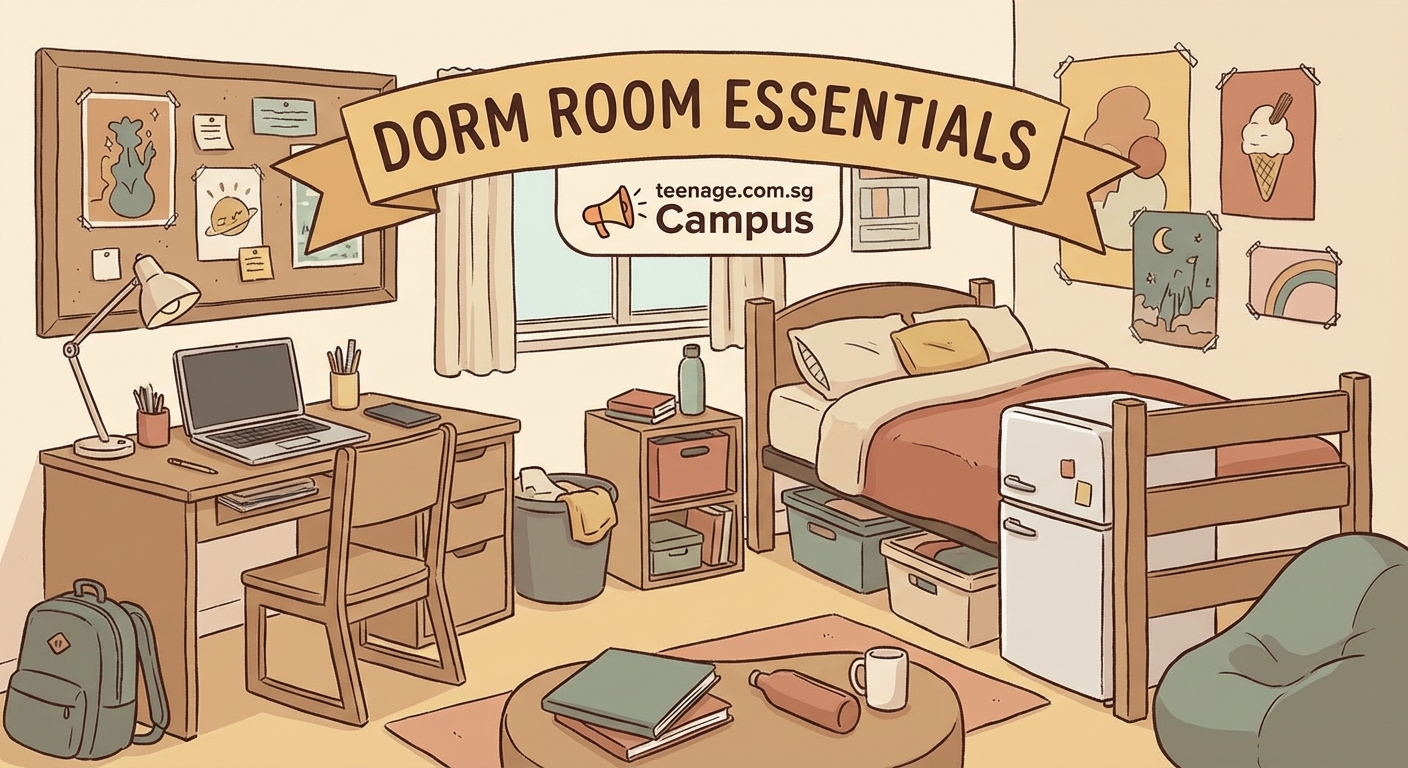
Most dorms don’t allow full kitchens in rooms, but you’ll still need ways to store and prepare food. Late night hunger hits different in college.
Basic kitchen essentials:
- Mini fridge (coordinate with roommate)
- Microwave (check dorm rules first)
- Reusable water bottle
- Coffee maker or electric kettle
- Plates, bowls, utensils
- Mugs for coffee and tea
- Food storage containers
- Can opener
- Dish soap and sponge
Some schools provide microwaves in common areas, so check before buying one. Same with fridges. Know your dorm’s rules about what appliances are allowed.
Stock easy snacks. Granola bars, instant oatmeal, microwave popcorn, and ramen become staples. Keep some non-perishable foods in your room for when dining halls are closed or you just don’t feel like leaving.
A good water bottle saves money and trips to vending machines. Fill it before class and you’re set for hours. If you’re into meal planning when classes get busy, having proper storage containers makes a difference.
Bathroom and Personal Care Items
Whether you have a private bathroom or share a communal one down the hall, you need supplies ready from day one.
Bathroom essentials:
- Shower caddy (get one with drainage holes)
- Flip flops for shower
- Towels (at least three)
- Toiletries and skincare products
- First aid kit with basic medications
- Toilet paper (dorms run out constantly)
- Tissues
- Cleaning wipes
- Hand sanitizer
- Laundry bag or hamper
For communal bathrooms, a shower caddy you can carry is essential. Get one that drains water so your stuff doesn’t sit in puddles. Shower shoes are non-negotiable. Trust me on this.
Bring more towels than you think you need. You won’t do laundry as often as you should. Having backup towels means you’re covered when everything else is dirty.
Stock up on basic medications. Headache medicine, cold medicine, allergy pills, and stomach remedies. The campus health center isn’t always open when you need it. Having a small first aid kit in your room handles minor issues without a trip across campus.
If you’re working on building a simple skincare routine, keep it minimal in the dorm. Space is limited and you don’t need your entire collection.
Clothing and Laundry Needs
Pack smart. You have limited closet space and probably won’t wear half of what you bring.
Clothing checklist:
- One week of everyday outfits
- Workout clothes
- Pajamas
- Underwear and socks (two weeks worth)
- Jacket and rain gear
- One nice outfit for presentations
- Comfortable shoes and sneakers
- Laundry detergent pods
- Stain remover pen
- Drying rack for delicates
The one week rule works because you’ll do laundry weekly anyway. Bringing more just clutters your space. Choose versatile pieces that mix and match.
Laundry pods are easier than liquid detergent in dorms. They don’t spill in your caddy and you can’t use too much. Grab a stain remover pen too. Spills happen and treating them immediately saves your favorite clothes.
A small drying rack is clutch for items you can’t throw in the dryer. It folds flat and stores easily. Some dorms charge for dryers, so air drying when possible saves money over time.
If you’re interested in creating outfit combinations that work, focus on bringing pieces that serve multiple purposes.
Electronics and Tech Setup
You’re bringing your whole digital life to college. Protect it and set it up properly.
Tech essentials:
- Laptop and charger
- Phone and charger
- Backup charging cables
- External hard drive for backups
- Headphones or earbuds
- Extension cords and power strips
- Laptop lock and cable
- Portable charger
- HDMI cable
Back up your important files. Use an external hard drive or cloud storage. Computer crashes happen at the worst times, usually right before papers are due.
Get a laptop lock if you have a valuable computer. Dorm theft isn’t super common, but it happens. A simple cable lock deters opportunistic theft when you leave your door unlocked for a minute.
Headphones are essential for roommate harmony. You’ll have different schedules. Good headphones let you watch videos or listen to music without disturbing anyone.
A portable charger saves you when you’re stuck in the library all day. Phone batteries die fast when you’re using them constantly for notes, messages, and breaks between studying.
Room Decor and Comfort Items
Your dorm room should feel like yours, not just a place you sleep. Small touches make a big difference in how comfortable you feel.
Decor essentials:
- Photos of friends and family
- String lights or LED strips
- Small plants (real or fake)
- Posters or wall art
- Area rug
- Throw pillows
- Fan for air circulation
- Mirror (if not provided)
Check your dorm’s rules about wall decorations. Most don’t allow nails or thumbtacks. Command strips and poster putty become your best friends.
String lights add warmth without taking up space. They’re also great for when you want softer lighting than the harsh overhead fluorescents.
A small rug makes your room feel cozier and gives you something soft to step on when you get out of bed. Choose something easy to clean or vacuum.
Plants brighten up any space. If you’re worried about keeping them alive, get a succulent or snake plant. They’re nearly impossible to kill. Or just grab a realistic fake plant and call it a day.
For more ideas on making your dorm room feel like home, small changes create big impacts.
Cleaning and Maintenance Supplies
Dorms get messy fast. Having cleaning supplies on hand means you can tackle spills and clutter before they become problems.
Cleaning essentials:
- All purpose cleaner spray
- Disinfecting wipes
- Paper towels
- Small vacuum or handheld sweeper
- Microfiber cloths
- Trash bags
- Air freshener or odor eliminator
- Lint roller
You don’t need a full cleaning arsenal, just basics for maintaining your space. Disinfecting wipes handle most quick cleanups. Keep them near your desk for wiping down surfaces.
A small handheld vacuum or sweeper is worth it. Crumbs and dust accumulate quickly in small spaces. A two minute vacuum makes your room feel cleaner instantly.
Trash bags seem obvious but students forget them constantly. Buy a box and keep them under your sink or in your closet. Running out of trash bags when your bin is overflowing is not fun.
What Not to Bring
Just as important as knowing what to pack is knowing what to leave home. These items take up valuable space without adding value.
Skip these:
- Iron and ironing board (use wrinkle release spray)
- Bulky furniture (your room is furnished)
- Entire book collection (libraries exist)
- Kitchen appliances beyond basics
- Excessive decorations
- More than two pairs of shoes per category
- Printer (campus printing is usually free or cheap)
Printers seem practical but they’re more trouble than they’re worth. Ink is expensive, they jam constantly, and most campuses offer free printing. Save the space and use campus resources.
You also don’t need your entire wardrobe. Seriously. Bring favorites and essentials. You can swap things out when you go home for breaks.
Coordinating With Your Roommate
Before you both show up with the same items, have a conversation about who’s bringing what.
| Item | Why Coordinate | Solution |
|---|---|---|
| Mini fridge | Takes up floor space | One person brings, both split cost |
| Microwave | Limited counter space | Decide who has one or buy together |
| TV | Expensive and space consuming | Share cost if you both want one |
| Furniture | Rooms are small | Discuss before buying extra seating |
| Cleaning supplies | Wasteful to duplicate | Create a shared supply stash |
Reach out to your roommate over summer. Most schools share contact info once roommate assignments are made. A simple text asking about coordinating big items prevents duplicate purchases.
Some things you definitely want your own of: bedding, towels, toiletries, school supplies, and personal items. Share the big stuff that benefits you both.
The First Week Survival Kit
Some items you won’t think you need until you desperately need them. Pack these just in case essentials.
Emergency items:
- Duct tape and zip ties
- Batteries (various sizes)
- Flashlight
- Sewing kit
- Tool kit with basics
- Extra phone charger
- Umbrella
- Reusable bags
- Snacks for move in day
Move in day is chaotic. Having snacks and water bottles in your car saves trips to find food while you’re unpacking. You’ll be too busy to sit down for a real meal.
A basic tool kit helps with furniture assembly and random fixes. Nothing fancy, just a screwdriver, hammer, and pliers cover most needs.
Making Your Space Work for You
Once you have everything moved in, arrange it thoughtfully. Your room layout affects how you feel and function in the space.
Consider these tips:
- Position your desk near natural light if possible
- Keep frequently used items within arm’s reach
- Create distinct zones for sleeping, studying, and hanging out
- Use your vertical space with shelves and hooks
- Keep walkways clear so you’re not climbing over stuff
The way you arrange furniture affects your daily routine. If your desk faces a wall, you might feel boxed in while studying. Try angling it toward the room or window if space allows.
Keep your study area separate from your sleep area when possible. This helps your brain associate your desk with work and your bed with rest. When everything happens in the same spot, it’s harder to focus or relax.
Don’t be afraid to rearrange as the semester goes on. What works in September might not work in November. Your needs change as you settle into college life and figure out your routine.
If you’re trying to establish good morning habits, having an organized space makes it easier to stick to routines.
Shopping Smart and Staying on Budget
College is expensive enough without overspending on dorm supplies. Shop strategically and you’ll save hundreds.
Budget shopping tips:
- Check what your dorm provides before buying anything
- Shop sales in July and August
- Use student discounts everywhere
- Buy generic brands for basics
- Check thrift stores for furniture and decor
- Split costs with your roommate on shared items
- Wait to buy things until you know you need them
Don’t buy everything at once. Get the essentials first. After a few weeks, you’ll know what you actually need versus what seemed important before you moved in.
Target, Walmart, and Amazon run huge back to school sales. Sign up for their emails and watch for deals. Bed Bath & Beyond sends those 20% off coupons constantly. Use them.
College bookstores mark everything up. Seriously, buy your supplies literally anywhere else. The only thing worth getting at the bookstore is items with your school logo if you want that.
Your Dorm Room Becomes What You Make It
The items you bring matter, but they’re just stuff. What transforms a dorm room into your space is how you use it and the memories you create there. Your first year of college brings changes, challenges, and growth you can’t predict yet.
Start with this list. Adjust it based on your needs and your school’s specific rules. Talk to your roommate. Pack smart. And remember that you can always buy things after you arrive if you realize you need them. It’s better to start minimal and add items than to show up with a packed car full of things that won’t fit.
Your dorm room is your home base for this new chapter. Make it comfortable, functional, and yours. The rest will fall into place.














Post Comment