How to Deal With Friendship Breakups When You’re Still Seeing Them Every Day

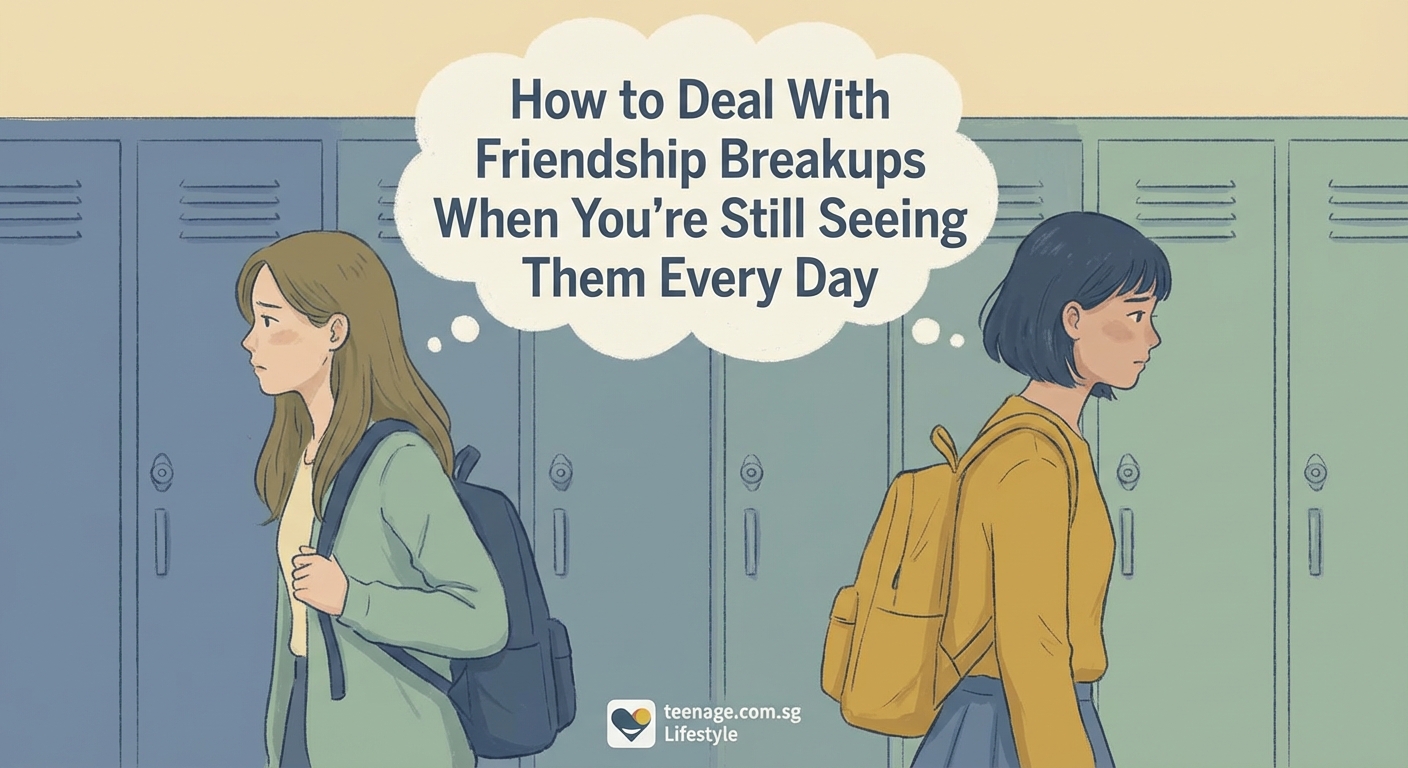
Losing a close friend can hurt just as much as a romantic breakup. Sometimes even more.
You shared inside jokes, late night conversations, and memories you thought would last forever. Now everything feels different. Awkward silences replace easy laughter. Group chats feel tense. You catch yourself editing what you say, wondering if they’ll see it.
The worst part? You still have to see them. Same classes. Same lunch period. Same friend group. There’s no clean break, no fresh start in a new city. Just the daily reminder that things aren’t the same anymore.
Getting over a friendship breakup takes time and intentional healing, especially when you see them regularly. Focus on processing your emotions without judgment, establishing clear boundaries, rebuilding your identity outside the friendship, and gradually opening yourself to new connections. Healing isn’t linear, but with patience and self-compassion, you’ll move forward stronger than before. The pain lessens with each passing day.
Understanding why friendship breakups hit differently
Friendship breakups don’t get the same recognition as romantic ones. Nobody sends you sympathy texts or brings you ice cream. People expect you to just move on.
But friendships shape who we are. Your close friends know your fears, your dreams, your embarrassing moments. They’ve seen you at your worst and loved you anyway.
When that connection breaks, you lose more than a person. You lose a witness to your life. Someone who got your references. A person who understood why certain songs make you cry or why you hate surprise parties.
The grief is real. The confusion is normal. You’re not overreacting.
Let yourself feel everything (yes, everything)
Your first instinct might be to push the feelings down. Act like nothing happened. Scroll through social media until you’re numb. Stay busy enough that you don’t have time to think.
That only delays the healing.
Give yourself permission to be sad. Angry. Confused. Relieved. All of it at once if that’s what comes up.
Cry in the shower. Write angry journal entries you’ll never send. Listen to sad songs on repeat. Talk to other friends about it. Process it however feels right for you.
Just don’t stay stuck there forever. Feel it, acknowledge it, then gradually start letting it go.
“Grief is the price we pay for love. When we lose someone important to us, the depth of our pain reflects the depth of our connection. Honor that pain instead of running from it.”
Create clear boundaries for daily interactions
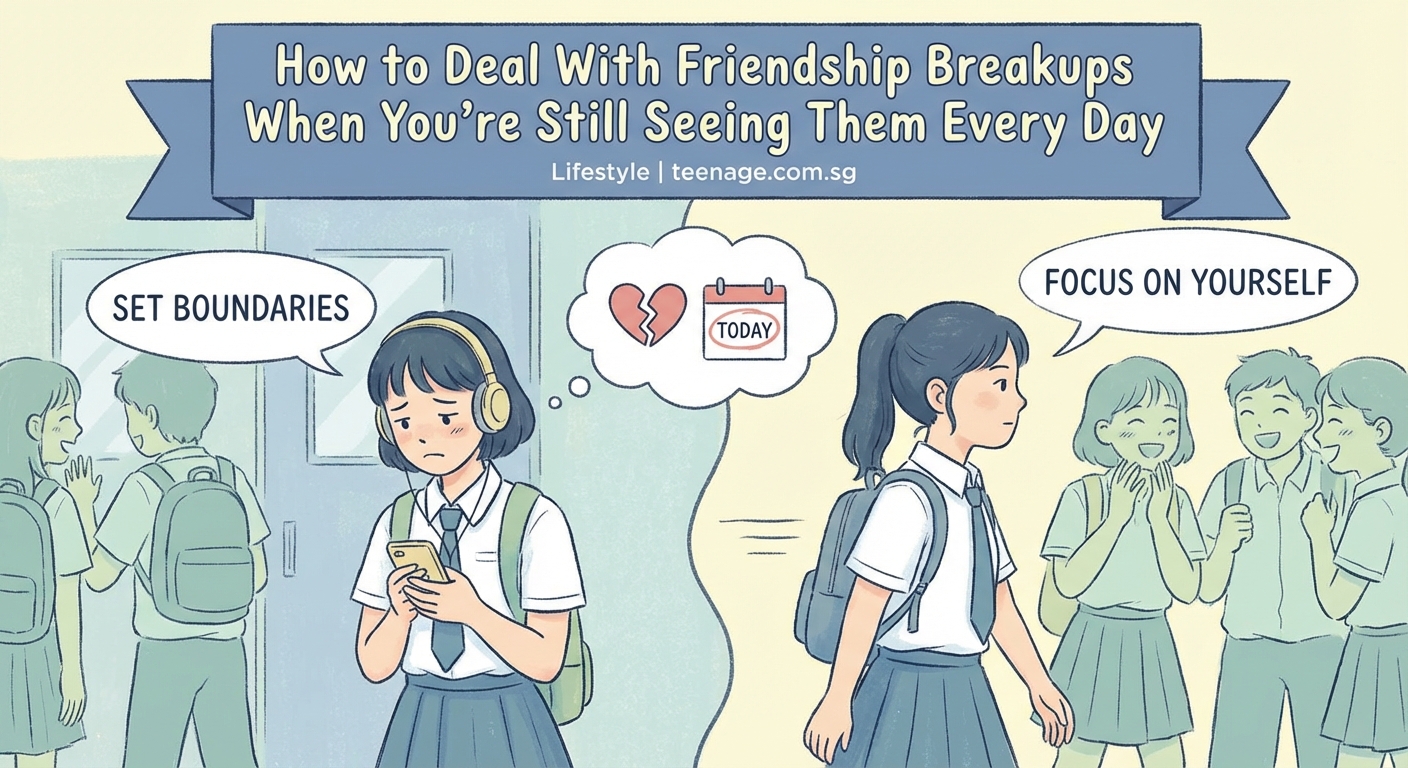
Seeing your former friend every day requires a game plan. You can’t avoid them completely, but you can protect your peace.
Here’s how to set boundaries that actually work:
-
Decide on your communication level. Will you say hi in passing? Keep it to group settings only? Go completely neutral? Pick what feels manageable and stick to it.
-
Adjust your social media. Mute their stories. Unfollow if you need to. You don’t owe anyone access to your feed, and you don’t need constant updates about their life right now.
-
Protect your mutual friends. Tell them you’re not asking them to pick sides, but you’d appreciate not hearing constant updates about your ex-friend. Real friends will respect that.
-
Change your routine if possible. Take a different route to class. Sit in a new spot at lunch. Small changes can give you breathing room while emotions are still raw.
-
Have a script ready. When people ask what happened, have a simple response prepared. “We grew apart” or “We’re taking some space” works fine. You don’t owe anyone the full story.
The goal isn’t to be cold or dramatic. It’s to give yourself space to heal without constant reminders of what you lost.
Stop replaying the ending in your head
Your brain will want to analyze everything. Every conversation. Every text. Looking for the exact moment things went wrong.
What did I do? What did they do? Could I have fixed it? Should I have said something different?
This mental loop doesn’t help. It just keeps you stuck in the past.
Instead, try this: when you catch yourself spiraling, write down the thought. Get it out of your head and onto paper. Then close the notebook and do something else.
Go for a walk. Text another friend. Watch something that makes you laugh. Do something that helps manage stress without burning yourself out mentally.
The thoughts will come back. That’s normal. Just keep redirecting your attention. Eventually, they’ll come less often.
Rediscover who you are outside the friendship
Close friendships shape our identity. You probably picked up their phrases. Liked the music they introduced you to. Made plans around their schedule.
Now you get to figure out who you are without that influence.
This isn’t about erasing the friendship or pretending it didn’t matter. It’s about remembering you existed before them and you’ll keep existing after.
Try things they weren’t interested in. Reconnect with hobbies you dropped. Make plans with other people. Say yes to invitations you might have skipped before.
You might discover you actually hate boba tea and only drank it because they loved it. Or maybe you realize you want to join that club they thought was lame.
Small discoveries like this remind you that you’re a whole person, not half of a friendship.
What helps vs what makes it worse
Not all coping strategies are created equal. Some genuinely help you heal. Others just numb the pain temporarily.
| What Actually Helps | What Makes It Worse |
|---|---|
| Talking to other trusted friends | Venting to anyone who’ll listen |
| Writing in a journal | Posting cryptic social media messages |
| Giving yourself time to be sad | Forcing yourself to “get over it” |
| Setting clear boundaries | Playing games to make them jealous |
| Focusing on other relationships | Immediately replacing them with someone new |
| Processing why it ended | Obsessing over who was “right” |
| Taking care of yourself | Neglecting sleep, food, or hygiene |
| Gradually moving forward | Pretending you never cared |
The healthy options feel harder in the moment. They require you to sit with discomfort instead of avoiding it. But they actually move you toward healing instead of just distracting you from pain.
Build new connections (when you’re ready)
You don’t need to replace your former friend. That’s not how relationships work.
But you do need connection. Humans aren’t built for isolation.
Start small. Sit with different people at lunch. Join a new group chat. Show up to that event you usually skip. Strike up a conversation with someone in your class.
Not every new connection will become a close friendship. That’s fine. You’re building a wider support network, not searching for a clone of what you lost.
Some practical ways to meet new people:
- Join a club or activity you’ve been curious about
- Volunteer for something you care about
- Take a class outside your usual subjects
- Attend events happening around Singapore that match your interests
- Say yes when acquaintances invite you somewhere
The goal isn’t to fill a void. It’s to remind yourself that friendship is still possible. That you’re capable of connecting with people. That this one ending doesn’t define your social future.
Recognize the signs you’re healing
Healing isn’t linear. Some days you’ll feel fine, then something small will hit you with a wave of sadness.
That’s normal. It doesn’t mean you’re back at square one.
Here are signs you’re actually making progress, even when it doesn’t feel like it:
- You can see them without your heart racing
- You stop checking their social media obsessively
- You go hours or days without thinking about them
- You can talk about the friendship without crying
- You feel genuinely happy about your own life again
- You’re interested in making new friends
- You can remember good times without feeling bitter
- You’ve stopped waiting for them to apologize or come back
These moments might be brief at first. A few minutes here, an hour there. Gradually, they stretch longer. The good days outnumber the bad ones.
One day you’ll realize you’ve moved on without even noticing when it happened.
Handle the mutual friend situation
Shared friend groups are complicated. Everyone feels caught in the middle, even if you’re not asking them to pick sides.
Be honest but fair. Don’t trash talk your former friend to mutual connections. Don’t make people choose. Don’t turn every hangout into a therapy session about the breakup.
If someone brings them up, it’s okay to say “I’d rather not talk about that right now” and change the subject.
If mutual friends stay close with both of you, that’s their choice. It doesn’t mean they’re betraying you. Good friends can care about multiple people with complicated relationships.
The mature move is to show up for group activities when you can handle it, skip them when you can’t, and trust your real friends to understand either way.
Sometimes you’ll need to step back from certain friend groups for a while. That’s okay too. Protecting your mental health isn’t selfish.
What to do if they want to reconnect
Maybe they text you months later. Maybe they approach you at school. Maybe mutual friends hint that they miss you.
You don’t owe them a second chance. You also don’t have to stay angry forever.
Before responding, ask yourself:
- Why did the friendship end in the first place?
- Have those issues actually changed?
- Am I considering this because I miss them or because I feel guilty?
- Can I trust them again?
- Do I even want this friendship back?
If you decide to talk, keep expectations low. Meet somewhere neutral. Keep it short. See how you feel afterward.
Sometimes friendships can be rebuilt into something new. Sometimes the conversation gives you closure. Sometimes you realize you were right to move on.
All of those outcomes are valid. Trust your gut.
Moving forward without forgetting
Getting over a friendship breakup doesn’t mean erasing the person from your history. They were part of your life. They mattered. That’s okay to acknowledge.
You can appreciate what the friendship gave you while accepting that it’s over. You can remember good times without wanting to go back. You can wish them well from a distance without being in their life.
Healing means carrying the lessons without carrying the pain. It means being grateful for what was without being bitter about what isn’t anymore.
The friendship shaped you, but it doesn’t define you. You’re still growing, still changing, still becoming who you’re meant to be.
Your life after this friendship
Right now, it probably feels like this pain will last forever. Like you’ll never find another friend who gets you the same way. Like something essential is missing.
But you’re more resilient than you think. You’ve survived hard things before. You’ll survive this too.
The space this friendship left won’t stay empty. New people will come into your life. You’ll build new memories. You’ll find your people, the ones who stick around, the ones who show up when things get hard.
This ending is making room for new beginnings. Better friendships. Healthier connections. People who choose you consistently, not just when it’s convenient.
Take your time. Be patient with yourself. Focus on building habits that support your mental health while you heal. Lean on the people who are still here. Trust that better days are coming.
They are. You just have to keep moving forward, one day at a time.














Post Comment