How to Meal Prep on a Budget When You’re Always Busy with Classes
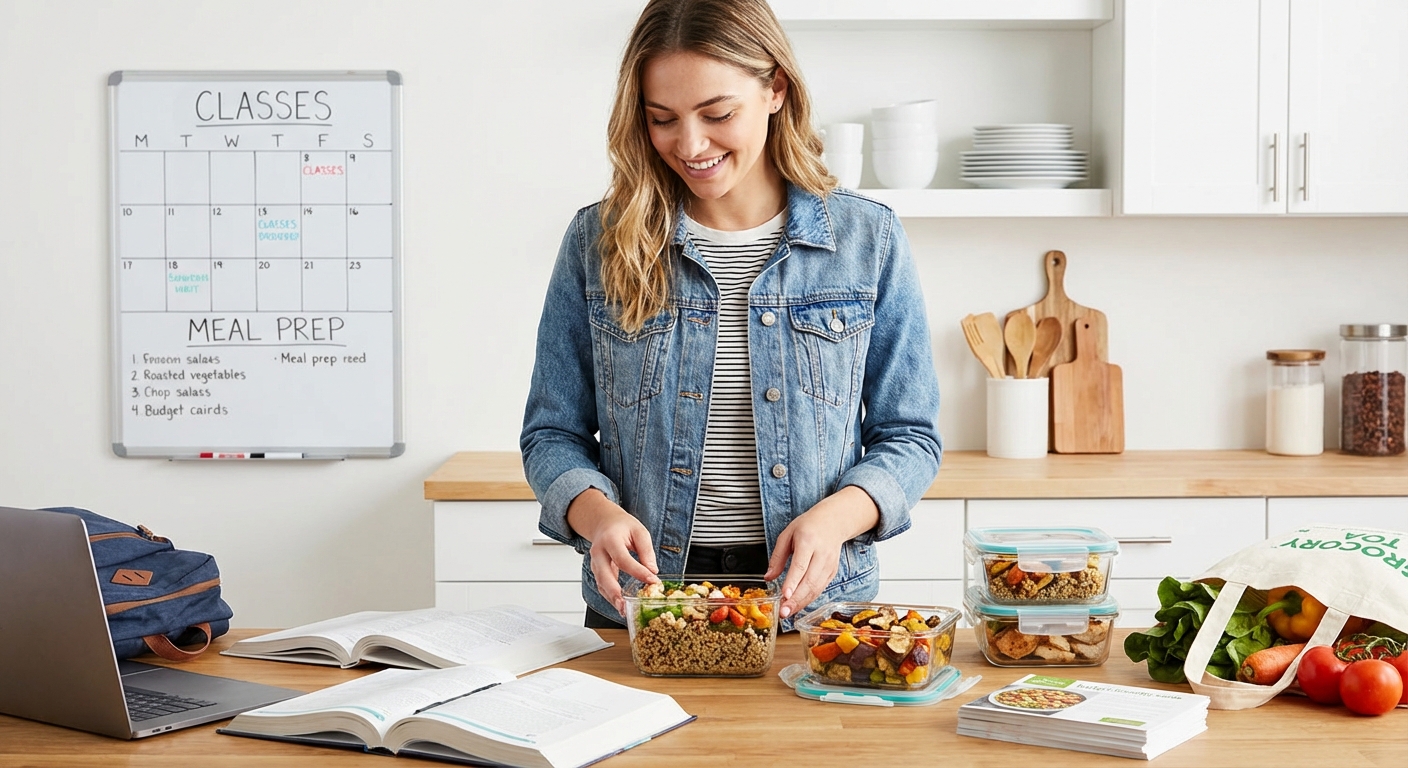
Between back-to-back lectures, group projects, and trying to maintain some sort of social life, cooking feels like the last thing you have energy for. You’re probably surviving on instant noodles, overpriced campus food, or delivery apps that are slowly draining your bank account. But here’s the thing: meal prep doesn’t have to mean spending your entire Sunday cooking or buying expensive ingredients you’ll only use once.
Meal prep for busy college students on a budget starts with simple planning, strategic grocery shopping, and batch cooking basics that last all week. Focus on versatile ingredients, reusable containers, and recipes that require minimal skills. With just two hours on the weekend, you can prepare affordable, healthy meals that save time and money throughout your busiest weeks.
Why meal prep actually works for students
Most students skip meal prep because they think it’s complicated or time consuming. But the reality is way different.
When you prep meals ahead of time, you’re not cooking seven separate dinners. You’re making one or two big batches that cover multiple days. That’s less time standing in front of a stove, less money spent on takeout, and fewer nights staring into an empty fridge wondering what to eat.
The financial impact adds up fast. One delivery meal can cost $15 to $20. Do that three times a week and you’re spending over $200 a month just on dinner. Compare that to buying groceries once and cooking in bulk, where you can eat well for under $50 a week.
Plus, when you have ready-made meals waiting in your fridge, you’re way less likely to make impulsive food decisions when you’re exhausted after a long day of classes.
Getting started with the basics
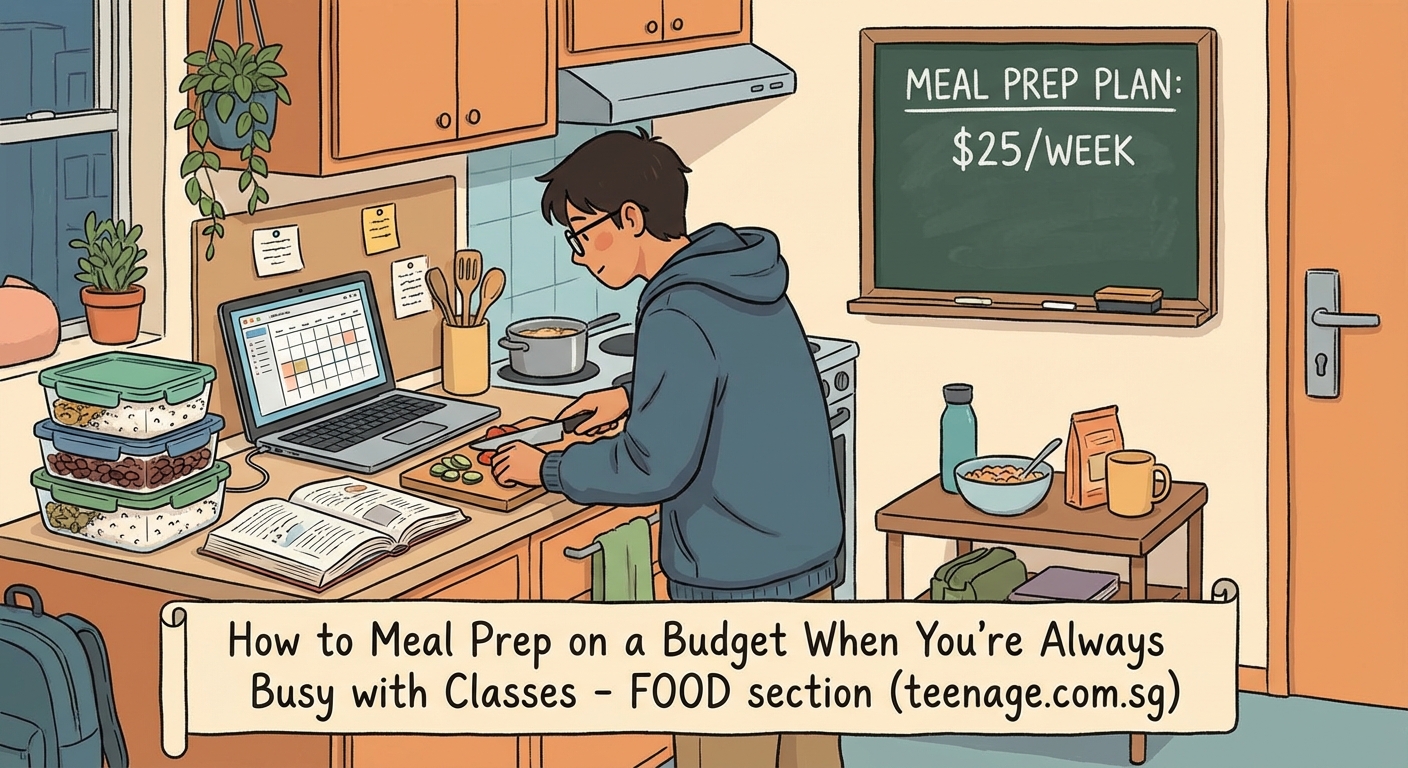
You don’t need fancy equipment or a fully stocked kitchen. Most dorms and student apartments have enough to get you going.
Here’s what you actually need:
- A few reusable containers with lids (glass or plastic works)
- One decent pot and one pan
- A cutting board and a sharp knife
- Measuring cups and spoons
- Storage bags or wrap
That’s it. You can find most of this stuff at discount stores or even borrow from home. Skip the expensive meal prep container sets marketed on social media. Regular containers from the dollar store work just fine.
Start small. Don’t try to prep every meal for the entire week on your first attempt. Pick one meal (usually lunch or dinner) and prep that for three or four days. Once you get comfortable with the routine, you can expand.
Smart grocery shopping strategies
Your grocery bill is where meal prep either saves you money or becomes just as expensive as eating out. The difference comes down to how you shop.
Buy these versatile staples:
- Rice (white, brown, or both)
- Pasta and noodles
- Canned beans and chickpeas
- Eggs
- Frozen vegetables
- Chicken thighs or ground meat
- Potatoes and sweet potatoes
- Oats
- Peanut butter
- Canned tomatoes
These ingredients are cheap, last a long time, and work in dozens of different recipes. A bag of rice costs a few dollars and gives you 20+ servings.
Shop sales and compare unit prices. That big bag of chicken might look expensive at $12, but if it gives you protein for 10 meals, you’re paying $1.20 per meal. That’s way cheaper than a $8 sandwich from campus.
Frozen vegetables are just as nutritious as fresh ones and they won’t go bad in three days. Buy them in bulk and use what you need without waste.
Avoid pre-cut, pre-marinated, or “convenience” versions of foods. You’re paying extra for someone else to do five minutes of work. Buy whole vegetables and cut them yourself.
The Sunday meal prep routine
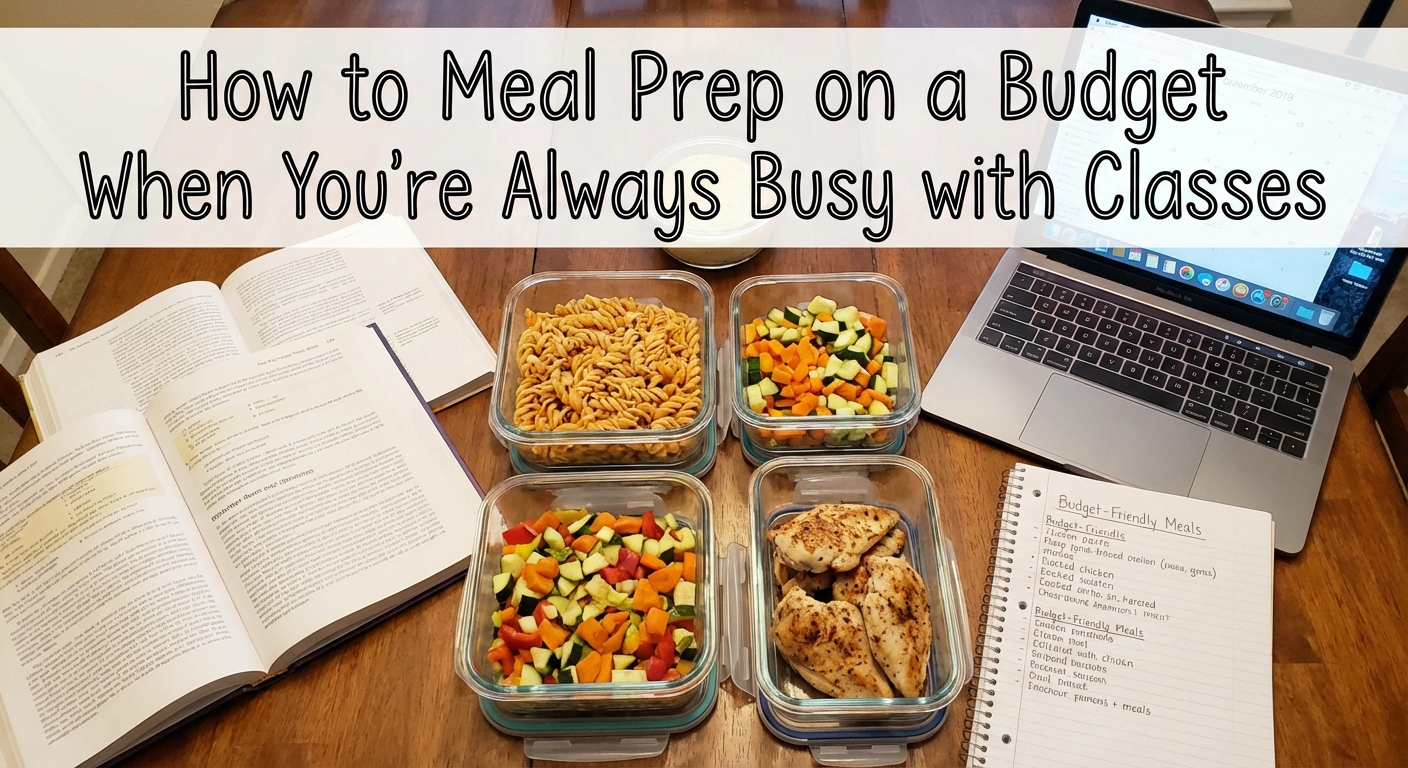
Pick one consistent day each week for meal prep. Most students choose Sunday afternoon, but any day works as long as you stick to it.
Follow this simple process:
-
Plan your meals (15 minutes). Write down what you want to eat for the week. Keep it simple. Three different meals that you’ll rotate is plenty.
-
Make your grocery list (10 minutes). Check what you already have. Only buy what you need. Stick to the list at the store.
-
Prep your ingredients (30 minutes). Wash and chop vegetables. Cook your grains. Season and prepare proteins.
-
Cook in batches (45 minutes). Make everything at once. Use multiple burners. While rice cooks, roast vegetables. While chicken bakes, prepare a sauce.
-
Portion and store (20 minutes). Divide everything into containers. Label them with dates if you want to stay organized.
Total time: about two hours. That’s less time than watching a movie, and it sets you up for the entire week.
If you’re looking for ways to stay organized with your time, check out how to build a morning routine that actually sticks in college for more scheduling tips.
Easy meal prep recipes that actually taste good
Forget bland chicken and rice. These recipes are simple, cheap, and you’ll actually want to eat them.
Burrito bowl base: Cook a big pot of rice. Season ground beef or turkey with taco seasoning. Prep black beans, corn, salsa, and shredded cheese. Mix and match throughout the week. Add different toppings to keep it interesting.
Stir fry station: Cook rice or noodles. Chop whatever vegetables are on sale (bell peppers, broccoli, carrots). Cook chicken or tofu in batches. Make a simple sauce with soy sauce, garlic, and a bit of honey. Combine when you’re ready to eat.
Pasta prep: Cook a pound of pasta. Make a big batch of meat sauce or marinara. Store separately. Reheat portions as needed. Add frozen vegetables when reheating for extra nutrition.
Sheet pan dinners: Put chicken thighs, potatoes, and vegetables on a baking sheet. Season with oil, salt, pepper, and whatever spices you like. Bake at 400°F for 35 minutes. Done.
Overnight oats: Mix oats, milk, yogurt, and fruit in containers. Make five at once. Grab one each morning. No cooking required.
These aren’t complicated recipes. They’re basic combinations that work because they’re flexible and forgiving.
Storage and food safety tips
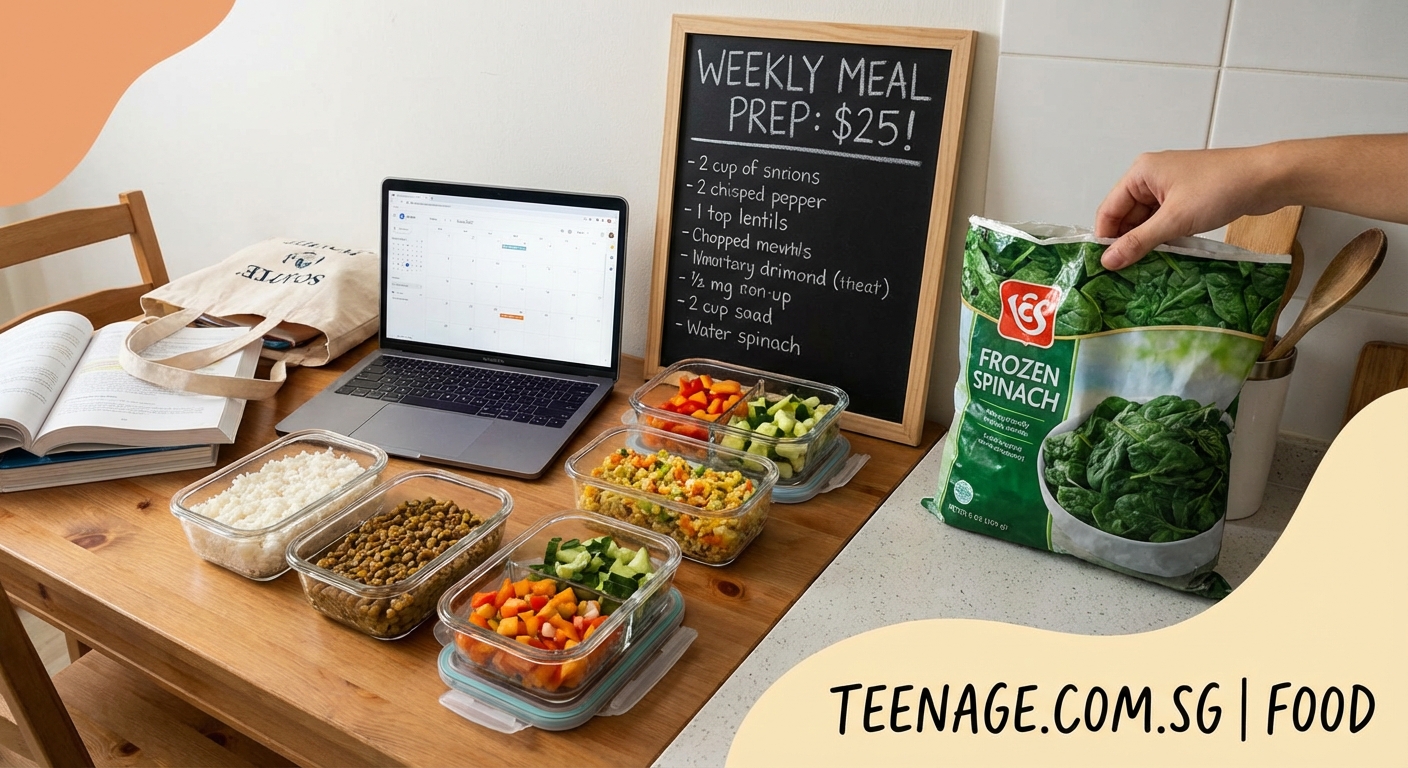
Cooked food lasts three to four days in the fridge. If you’re prepping for longer than that, freeze half your portions.
Most cooked meals freeze well. Rice, pasta, meat, and casseroles all reheat fine after freezing. Just let them thaw in the fridge overnight before reheating.
Label containers with the date you cooked them. It sounds unnecessary until you’re staring at three identical containers wondering which one is older.
Store food in the coldest part of your fridge (usually the back). Keep raw meat on the bottom shelf so it can’t drip onto other food.
Reheat food to steaming hot, especially meat. Microwaves heat unevenly, so stir halfway through and let it sit for a minute before eating.
If something smells off or looks weird, throw it out. Food poisoning is not worth the $3 you’ll save by eating questionable leftovers.
Common mistakes and how to avoid them
| Mistake | Why it happens | How to fix it |
|---|---|---|
| Making too much variety | Trying to prep seven different meals | Stick to two or three recipes per week |
| Not seasoning enough | Worried about making food too spicy | Season boldly. You can always add less when eating |
| Storing everything together | Trying to save containers | Keep components separate so textures stay good |
| Skipping vegetables | They seem expensive or time consuming | Buy frozen. They’re cheap and already prepped |
| Giving up after one bad week | First attempt didn’t go perfectly | Start smaller. One meal for three days is still progress |
The biggest mistake is trying to make meal prep Instagram-perfect. Those color-coordinated containers with six tiny portions of different foods? That’s not realistic for most students.
Your meal prep can be messy, simple, and repetitive. As long as it’s edible, affordable, and saves you time, you’re doing it right.
Adapting meal prep to your schedule
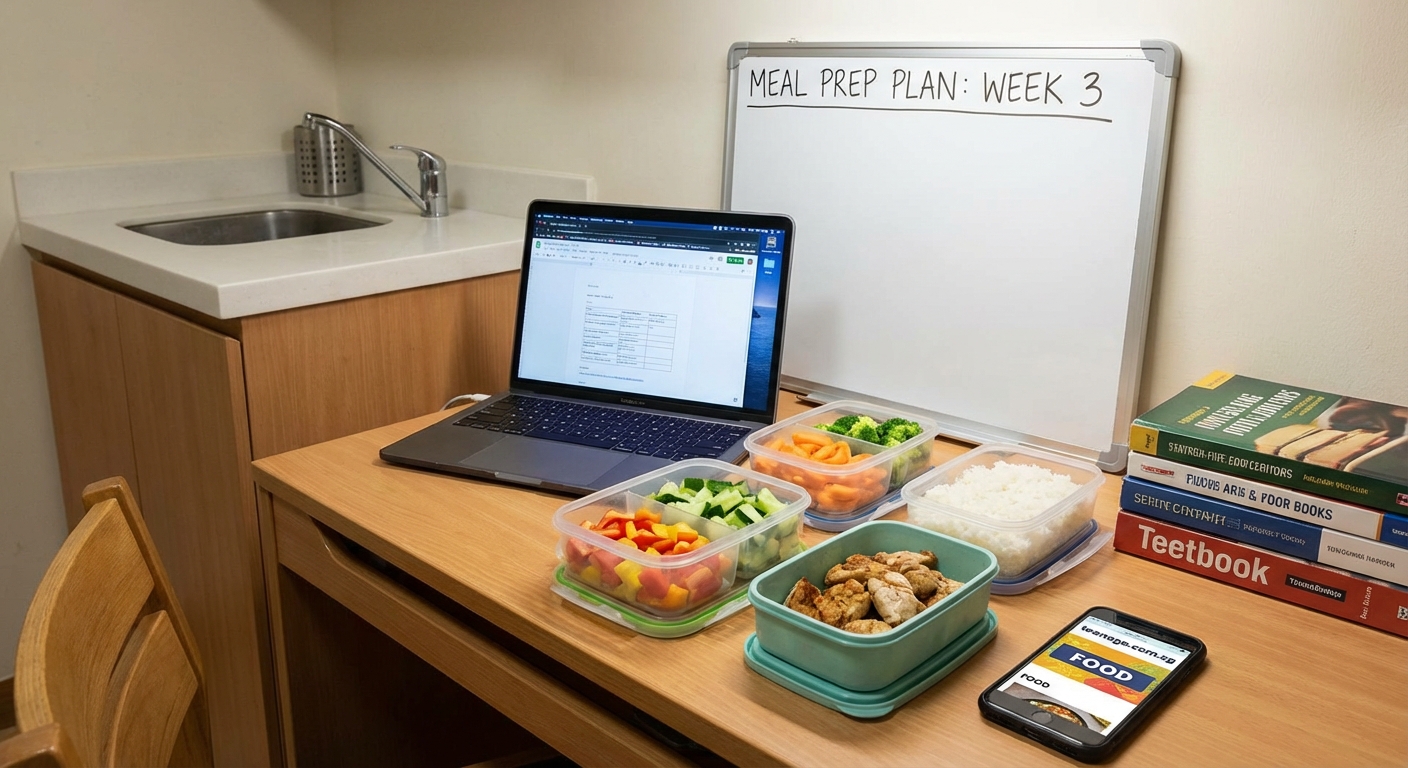
Not every week looks the same. Some weeks you have three exams and zero free time. Other weeks are lighter.
During busy weeks, lean on simpler meals. Sandwiches, wraps, and salads require almost no cooking. Prep the ingredients and assemble when you’re ready to eat.
If you can’t dedicate two hours on one day, split it up. Prep proteins on Sunday, cook grains on Monday, chop vegetables on Tuesday. Breaking it into smaller tasks makes it less overwhelming.
Share the work with roommates. If you’re all prepping at the same time, you can split ingredients, share equipment, and make bigger batches. Plus, cooking with friends makes it way less boring.
Some students prefer prepping just lunches and keeping dinners flexible. Others prep dinners and grab something simple for lunch. Figure out which meal stresses you out most and start there.
When you’re juggling everything else in college life, time management becomes crucial. Learning to balance school, social life, and self-care helps meal prep fit into your routine naturally.
Budget breakdown for one week
Here’s what one week of meal prep actually costs for one person:
- Rice (2 pounds): $2
- Chicken thighs (3 pounds): $9
- Frozen mixed vegetables (2 bags): $4
- Pasta (1 pound): $1.50
- Pasta sauce (1 jar): $2
- Eggs (1 dozen): $3
- Oats (container): $3
- Bananas (bunch): $2
- Peanut butter (jar): $3
- Bread (loaf): $2
Total: $31.50
That covers breakfast, lunch, and dinner for seven days. Less than $5 per day. Compare that to one meal from a delivery app.
You’ll spend more in your first week because you’re buying pantry staples like oil, salt, and spices. But those last for months, so your weekly cost drops after the initial investment.
“I used to spend $15 a day on food without thinking about it. Once I started meal prepping, I cut my food budget in half and actually ate healthier. The first few weeks felt like work, but now it’s just part of my routine.” – Third year student
Making meal prep sustainable long term
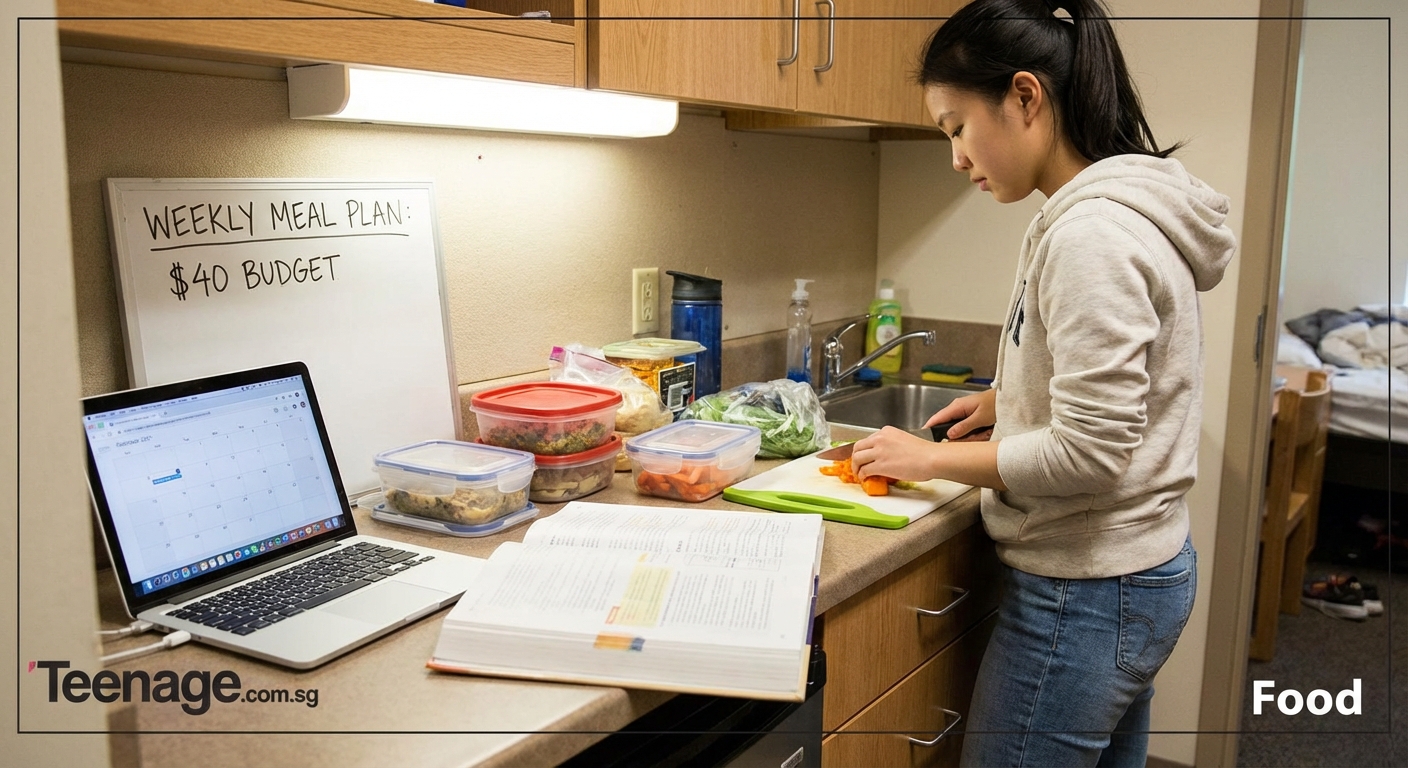
The only meal prep system that works is one you’ll actually stick with. If you hate every minute of it, you’ll quit after two weeks.
Find recipes you genuinely like eating. Don’t force yourself to eat grilled chicken and steamed broccoli every day if you find it boring. Make food that tastes good to you.
Change things up every few weeks. Even if you find three recipes you love, you’ll get tired of them eventually. Rotate in new options to keep meals interesting.
Prep snacks too. Cut up fruit, portion out nuts, make energy balls, or prep vegetable sticks with hummus. Having healthy snacks ready prevents you from buying expensive junk food between meals.
Accept that some weeks won’t go perfectly. You might forget to prep, run out of time, or just not feel like cooking. That’s fine. Order food when you need to and get back to prepping next week.
Track what you’re actually eating and wasting. If you keep throwing out the same ingredient, stop buying it. If you run out of something every week, buy more next time.
The goal isn’t perfection. It’s having enough ready-made food that you’re not stressed, broke, or living off instant ramen.
Your next steps for better eating habits
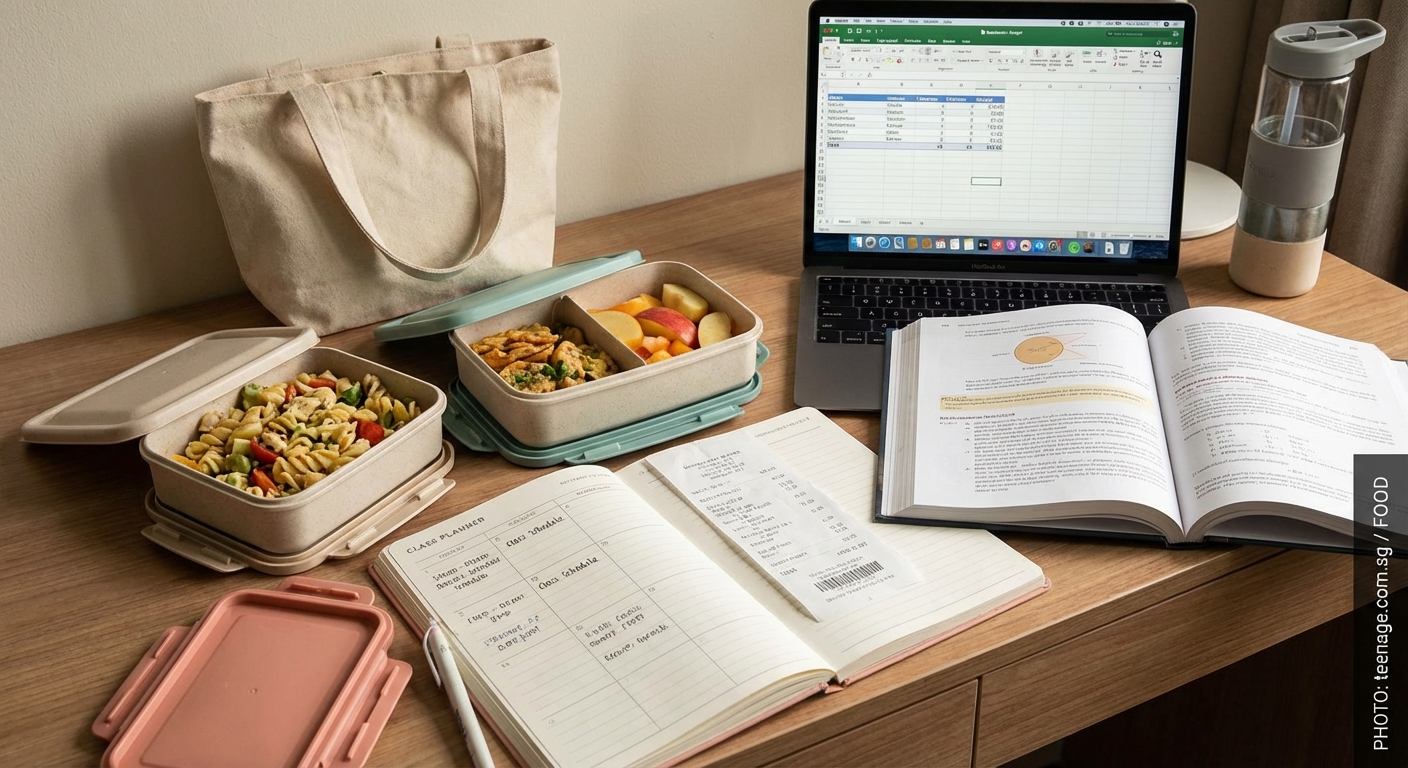
Meal prep for busy college students on a budget doesn’t require special skills or tons of free time. Start with one simple recipe this weekend. Cook enough for three days. See how it goes.
Most students who try meal prep once realize it’s way easier than they expected. The hard part is starting, not the actual cooking. Once you have a system that works for your schedule and taste preferences, it becomes automatic.
Your future self will thank you when you’re pulling a ready-made lunch out of the fridge instead of spending $12 on campus food you don’t even like that much. Small changes in how you eat add up to major savings and way less stress throughout the semester.













Post Comment