How to Spot Fake Tech Reviews Before You Waste Your Money
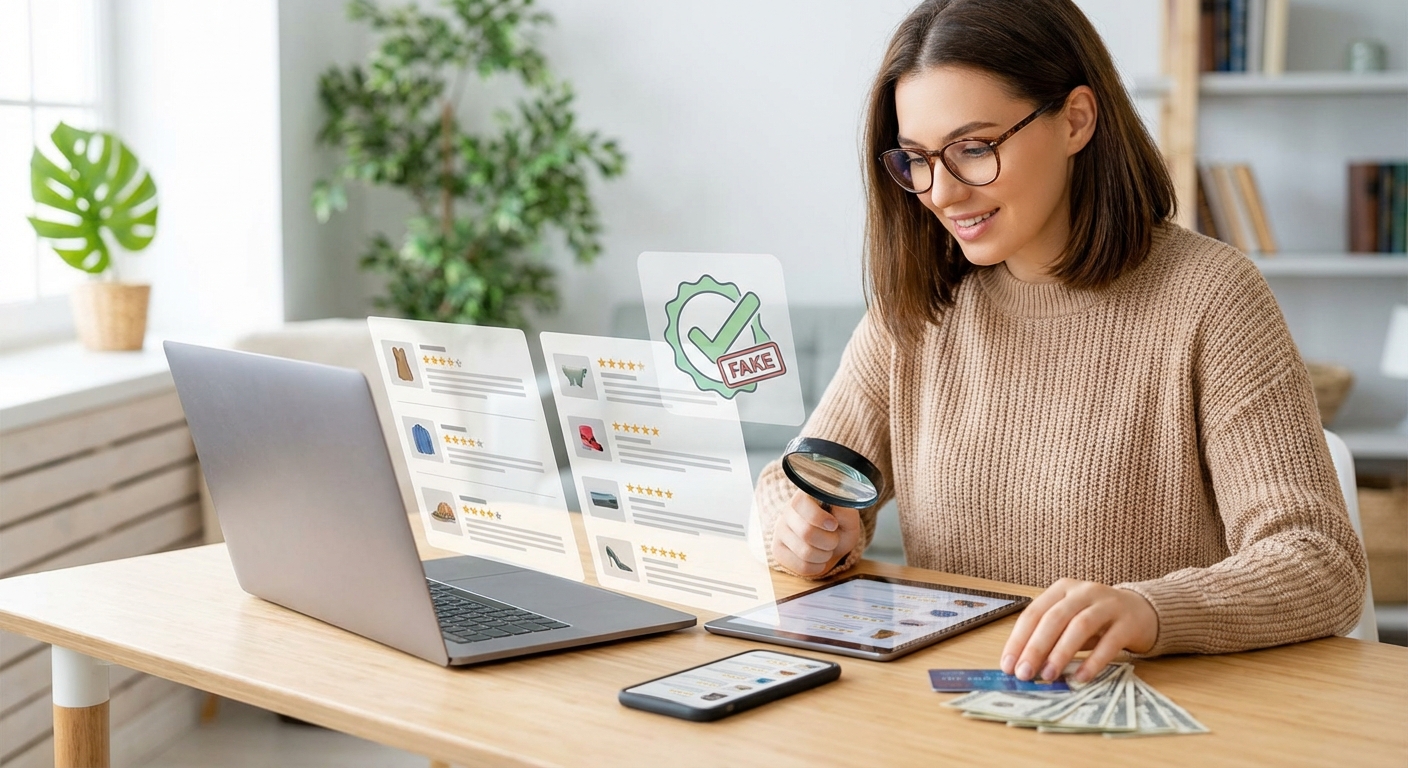
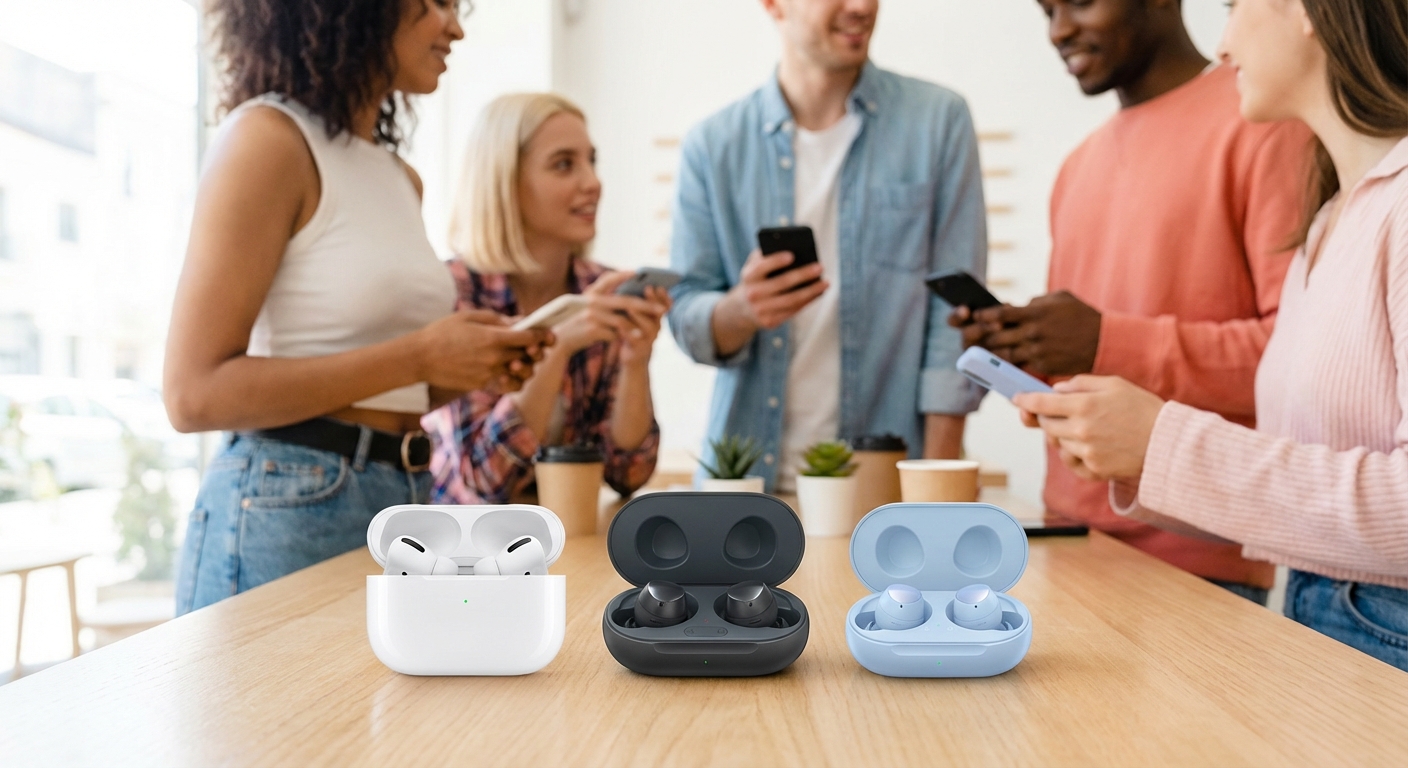
You’re about to drop $200 on those wireless earbuds everyone’s raving about. Five stars across the board. Hundreds of glowing reviews. Then you get them, and the sound quality is garbage. The battery dies in two hours. You’ve been fooled by fake reviews, and you’re not alone.
Fake reviews cost shoppers billions annually. Learning to spot suspicious patterns like generic language, identical posting dates, and overly perfect ratings protects your wallet. Check reviewer profiles, read negative feedback carefully, and watch for red flags like excessive emoji use or vague descriptions. These simple verification steps take minutes but save you from expensive mistakes and buyer’s remorse.
Why fake reviews are everywhere now
Companies know reviews influence purchases. Studies show over 90% of shoppers read reviews before buying tech products. That creates massive incentive to game the system.
Some brands pay for positive reviews. Others create fake accounts to trash competitors. Review farms exist solely to pump out fabricated feedback for cash.
The problem got so bad that new regulations now ban fake reviews in many countries. But enforcement is tough. Millions of fraudulent reviews still slip through every day.
Your phone, laptop, headphones, or gaming gear purchase could be influenced by lies. That’s why you need to know what to look for.
The language patterns that give away fake reviews

Real people write like real people. They mention specific features. They describe actual experiences. They sometimes make typos.
Fake reviews sound like marketing copy. They’re too perfect. Too generic. Too enthusiastic without substance.
Here’s what to watch for:
- Excessive use of the product’s full name repeatedly
- Overly formal language that sounds robotic
- Generic phrases like “great product” or “highly recommend” with zero details
- Perfect grammar and spelling (real reviews often have minor errors)
- Repetitive sentence structures across multiple reviews
One dead giveaway is when five different “customers” use nearly identical phrasing. If three reviews all say “this product exceeded my expectations in every way,” that’s suspicious.
Real example: A budget phone had 47 five-star reviews posted within three days. Nearly all used the phrase “amazing value for money” and “exceeded expectations.” None mentioned specific features like camera quality, battery life, or screen brightness.
Check the timing and patterns
Fake review campaigns follow predictable patterns. Companies often buy reviews in bulk, leading to obvious clusters.
Look at the review timeline. Are there sudden spikes? Did 30 five-star reviews appear on the same day? That’s a red flag.
Natural review patterns show steady trickle over time. A product might get 2-3 reviews one week, 5 the next, then 1 the following week. Random and irregular.
Fake patterns show:
- Massive clusters on specific dates
- All reviews within a short window (like 48 hours)
- Perfect five-star reviews followed by a suspicious gap
- Reviews appearing before the official release date
Also watch the rating distribution. Real products typically have a mix. Some people love it. Some hate it. Few things get universal praise.
If you see 95% five-star reviews and almost nothing else, be skeptical. Even genuinely great products have disappointed customers who expected something different.
The reviewer profile tells the real story
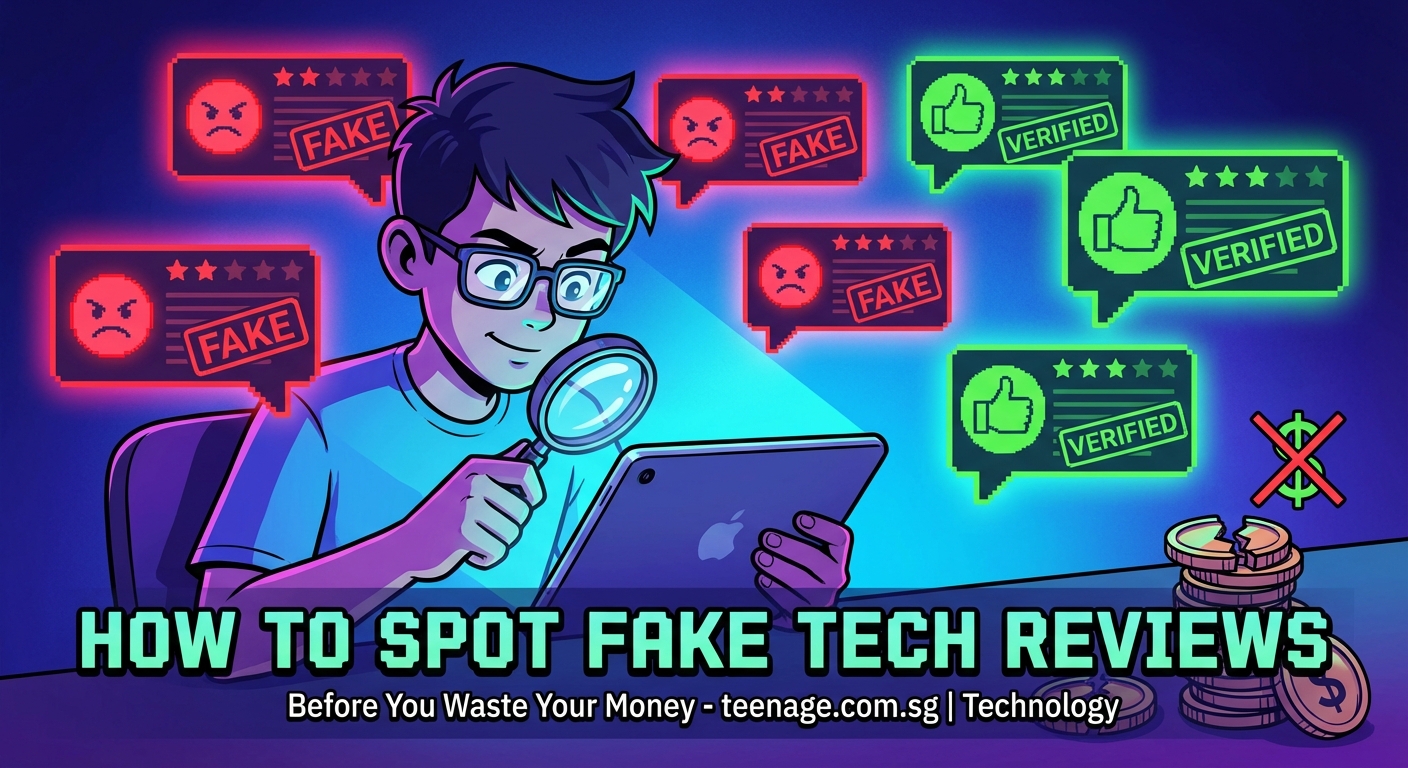
This step takes 30 seconds and catches most fakes.
Click on the reviewer’s name or profile. What else have they reviewed?
Fake accounts typically show one of these patterns:
- Only one review ever posted (created just for this)
- Dozens of five-star reviews posted on the same day
- Reviews for completely random, unrelated products
- Generic username like “Customer4782” or “Buyer_2024”
- No profile photo or information
Real reviewers usually have a history. They’ve reviewed different products over months or years. Their feedback varies. Some products get five stars, others get three.
A legitimate reviewer might review a phone case, then running shoes two months later, then a book. That’s normal shopping behavior.
A fake account reviews a blender, phone charger, dog toy, and laptop stand all on March 15th. All five stars. All generic praise. That’s a paid reviewer working through a list.
What negative reviews actually reveal
Never ignore the one-star and two-star reviews. They’re often more honest than the glowing feedback.
But even negative reviews can be fake. Competitors sometimes post bad reviews to hurt rival products.
Here’s how to read negative feedback properly:
Legitimate negative reviews mention:
– Specific problems (battery died after three weeks)
– What they expected versus what they got
– Attempts to contact customer service
– Comparison to similar products they’ve used
– Photos of the actual issue
Fake negative reviews show:
– Vague complaints (“terrible quality”)
– Overly dramatic language (“worst purchase ever”)
– No specific details about what went wrong
– Attacks on the company rather than the product
– Posted right after a competitor’s product launched
One clever trick: Look for reviews that mention minor annoyances alongside praise. “Great sound quality but the case is a bit bulky” sounds real. “Absolutely perfect in every way” sounds fake.
The emoji and photo red flags
Excessive emojis are a warning sign. Real reviewers occasionally use them. Fake reviewers overdo it.
If every review has 5-10 emojis scattered throughout, that’s suspicious. It’s a tactic to make generic text seem more enthusiastic and personal.
Photos are trickier. They used to be a sign of authenticity. Not anymore.
Some fake reviewers now include photos, but look closely:
- Is it a stock photo or professional product shot?
- Does it show the product in actual use or just the box?
- Are multiple “different” reviewers posting identical photos?
- Does the photo match what the review describes?
Real customer photos are usually lower quality. Taken with phone cameras in normal lighting. Sometimes blurry. Often showing the product in someone’s home or hand.
Professional-looking photos with perfect lighting and staging? Probably provided by the company.
The verification badge matters (sometimes)
Many platforms now mark “verified purchase” reviews. This means the person actually bought the product through that site.
This helps, but it’s not foolproof. Some reviewers buy products just to leave fake reviews, then return them. Others receive free products in exchange for reviews.
Still, verified purchases are generally more trustworthy than unverified ones.
Prioritize reading verified reviews first. If a product has 200 reviews but only 30 are verified purchases, focus on those 30.
“The best defense against fake reviews is skepticism combined with pattern recognition. No single red flag proves a review is fake, but multiple warning signs together paint a clear picture.” – Consumer protection researcher
Your step-by-step verification process
Here’s your practical checklist for every product you research:
- Check the overall rating distribution (beware of too many five stars)
- Read the most recent reviews first (fake campaigns are often recent)
- Click on 3-5 reviewer profiles to check their history
- Look at the review timeline for suspicious clusters
- Read several negative reviews for specific complaints
- Search for the product name plus “scam” or “fake reviews” on other sites
- Cross-reference reviews on multiple platforms (Amazon, Best Buy, Reddit)
This process takes five minutes. It’s saved me from countless bad purchases.
Platform-specific tactics that work
Different sites have different vulnerabilities. Adjust your approach based on where you’re shopping.
| Platform | What to Check | Common Fake Pattern |
|---|---|---|
| Amazon | Verified purchase badge, reviewer rank | Vine reviews that are overly positive |
| Tech forums | Post history, join date, contribution count | New accounts with only positive posts |
| YouTube reviews | Channel history, sponsor disclosure | Affiliate links without honest criticism |
| Account age, karma, comment history | Brand new accounts praising products | |
| Brand websites | Review filtering options | Only positive reviews get approved |
Brand websites are the least trustworthy. They control what gets published. Always check third-party sites for balance.
Reddit can be great for honest opinions, but watch for astroturfing. Marketing teams create fake accounts that look real over time, building karma before promoting products.
The tools that help you spot fakes
Several browser extensions and websites analyze reviews for you. They’re not perfect, but they help.
Fakespot and ReviewMeta are two popular options. They scan review patterns and give products grades based on review authenticity.
These tools check:
- Reviewer history and behavior
- Language patterns across reviews
- Timeline clustering
- Rating distribution anomalies
- Deleted review tracking
I’ve found them useful for a second opinion, especially on expensive purchases. But don’t rely on them completely. Your own judgment combined with these tools works best.
What to do when you can’t tell
Sometimes you genuinely can’t determine if reviews are real. The product is new. Reviews seem mixed. No obvious red flags but no strong confirmation either.
In these situations:
- Wait a few weeks for more reviews to appear
- Check YouTube for video reviews from established channels
- Search Reddit for discussions about the product
- Look for professional reviews from tech sites
- Consider buying from retailers with easy return policies
If you’re researching something expensive like a laptop or phone, waiting is worth it. New products often get review manipulation during launch periods. After a month or two, genuine user feedback starts dominating.
For smaller purchases under $50, the risk is lower. You might decide to try it with the option to return if it disappoints.
Why this matters for your budget
Falling for fake reviews doesn’t just mean getting a bad product. It means wasting money you could spend on something that actually works.
That $80 you spent on hyped-up headphones could’ve gone toward study materials that actually help or upgrading your space in ways that matter.
As a student or young adult, every purchase counts. You’re probably not swimming in disposable income. Getting scammed by fake reviews means dealing with returns, waiting for refunds, and starting your research over.
The time cost adds up too. Buying the wrong product means researching again, ordering again, and waiting again.
Trust your instincts when something feels off
After checking all the technical signs, listen to your gut.
If something feels too good to be true, it probably is. If every review sounds like it was written by the same person, it probably was. If the product claims to solve every problem perfectly, it probably doesn’t.
Real products have flaws. Real reviews mention them. Real customers have varied experiences.
When reviews are suspiciously uniform in their praise, that’s your signal to dig deeper or walk away.
I’ve passed on products that had decent ratings simply because the reviews felt manufactured. Usually, I later found complaints about those products on Reddit or tech forums.
Your skepticism is a feature, not a bug. Use it.
Making smarter purchases from here on
Now you know what to look for. You can spot generic language, suspicious timing, fake profiles, and manipulated ratings.
You have a verification checklist. You know which platforms to trust more and which tools can help.
This knowledge works for any product category. Tech, fashion, home goods, or anything else. The same patterns appear everywhere.
Next time you’re about to buy something based on glowing reviews, take five minutes to verify. Click those profiles. Check that timeline. Read the negative feedback.
Those five minutes could save you from regret, wasted money, and the frustration of dealing with junk you don’t need. Your future self will thank you for being careful now.












Post Comment