Is Social Media Ruining Your Sleep? Here’s What Experts Say
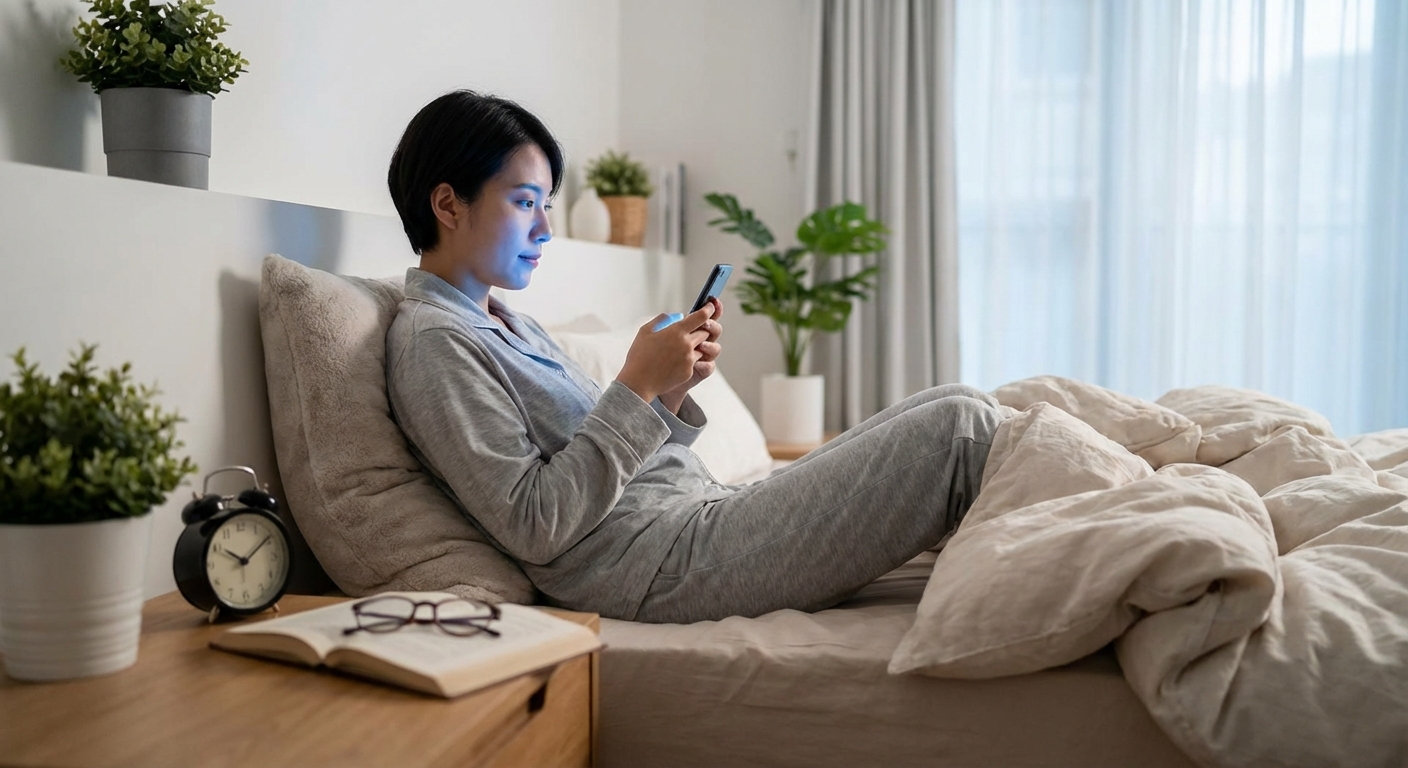
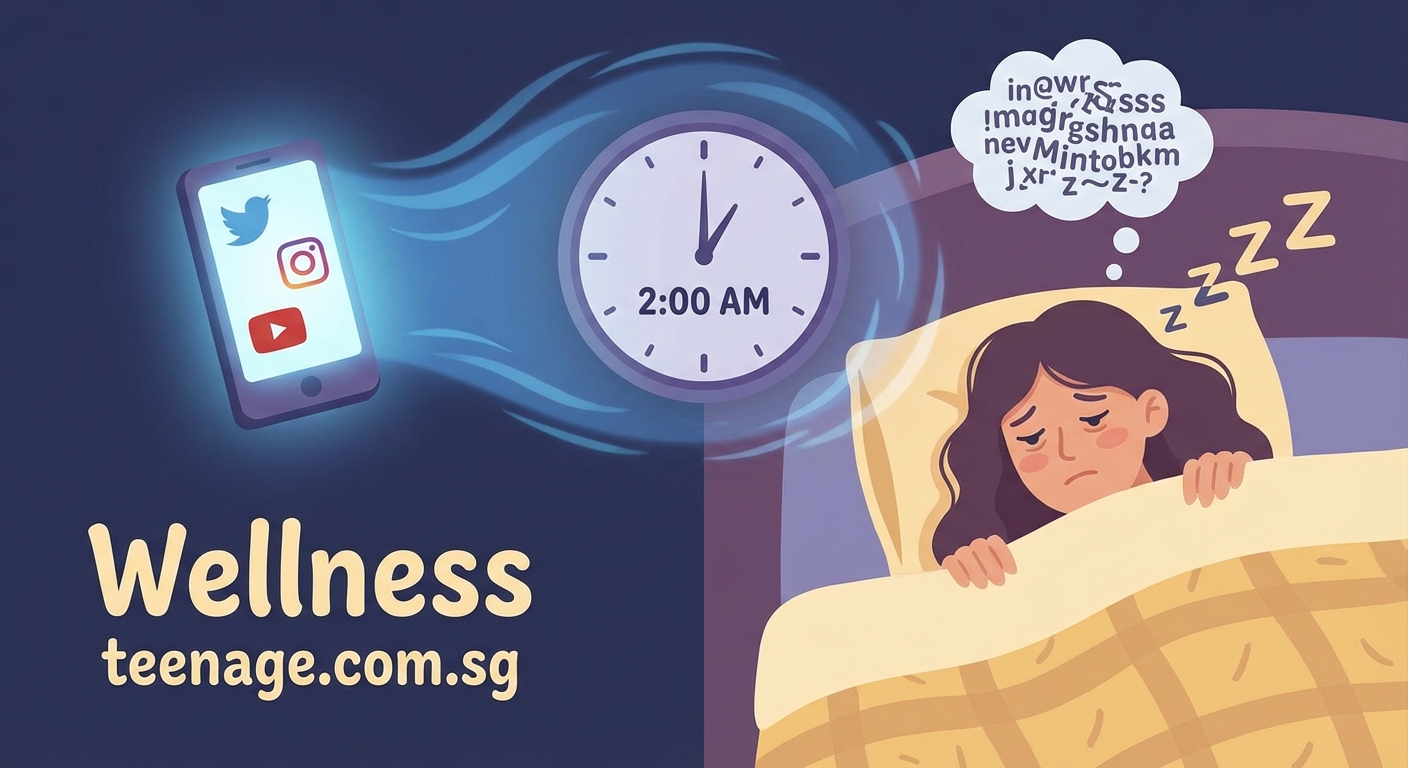
You’ve been lying in bed for an hour. Your eyes are tired, but your brain won’t shut off. You tell yourself you’ll just check Instagram one more time, then TikTok for five minutes, then maybe see what’s trending on Twitter. Before you know it, it’s 2 AM and you’re watching someone make miniature food in Japan.
Sound familiar? You’re not alone. And yes, your social media habit might actually be wrecking your sleep.
Social media affects sleep through blue light exposure, mental stimulation, and emotional activation that disrupts your natural sleep cycle. Research shows that people who check social media before bed take longer to fall asleep, experience poorer sleep quality, and wake up feeling less rested. Simple changes like setting screen time boundaries, using night mode, and creating phone-free bedtime routines can significantly improve your sleep within days.
The science behind screens and sleep
Your brain has a built-in clock called the circadian rhythm. It tells your body when to feel awake and when to feel sleepy.
This system relies heavily on light exposure. Natural sunlight during the day keeps you alert. Darkness at night triggers melatonin production, the hormone that makes you drowsy.
But here’s the problem. Your phone screen emits blue light, which mimics daylight. When you scroll through social media at night, your brain thinks it’s still daytime. Melatonin production gets suppressed. Your body stays in alert mode.
A 2019 study published in the Journal of Clinical Sleep Medicine found that people who used social media within 30 minutes of bedtime took 23% longer to fall asleep compared to those who didn’t. They also reported feeling less rested the next morning.
The blue light issue is real, but it’s not the only culprit.
Why social media is designed to keep you awake
Social media platforms are built to maximize engagement. That means keeping you on the app as long as possible.
Every feature is engineered for this purpose:
- Infinite scroll that never ends
- Autoplay videos that start without clicking
- Push notifications that trigger curiosity
- Algorithm-curated content that shows you exactly what you’re most likely to watch
- Stories that disappear, creating FOMO if you don’t check them now
These design choices create a psychological pull that’s hard to resist. You tell yourself you’ll watch one more video, but the app serves up another perfectly tailored piece of content. And another. And another.
Your brain releases small hits of dopamine with each new post, story, or notification. This reward system keeps you engaged far longer than you intended.
By the time you finally put your phone down, your mind is overstimulated. Your thoughts are racing. Your body is tense. Sleep feels impossible.
The emotional toll of late night scrolling
Beyond the technical aspects of blue light and dopamine, social media affects sleep through emotional activation.
Late night scrolling often exposes you to:
- Stressful news stories
- Drama in your social circle
- Comparison with others’ highlight reels
- Political arguments
- Upsetting content that triggers anxiety
Your nervous system doesn’t distinguish between real threats and digital ones. Reading about someone’s perfect life while you’re lying in bed feeling stressed about tomorrow’s exam triggers the same stress response as a real-life confrontation.
This emotional activation puts your body in fight-or-flight mode. Your heart rate increases. Cortisol levels rise. Your muscles tense up.
None of these physiological responses are conducive to sleep. In fact, they’re the exact opposite of what your body needs to relax and drift off.
“The content we consume right before bed becomes the last input our brain processes before trying to shut down. If that input is emotionally charged, anxious, or overstimulating, we’re essentially asking our brain to go from 100 to 0 in seconds. That’s not how sleep works.” – Dr. Michael Breus, Clinical Psychologist and Sleep Specialist
How to tell if social media is affecting your sleep
Not everyone experiences the same level of sleep disruption from social media. But there are clear warning signs.
You might have a problem if you:
- Regularly check your phone within 30 minutes of trying to sleep
- Find yourself scrolling for “just five more minutes” repeatedly
- Feel more alert after using your phone than before
- Have trouble falling asleep even when you’re physically tired
- Wake up feeling unrested despite getting enough hours in bed
- Experience racing thoughts about things you saw online
- Feel anxious or stressed after your nighttime scroll session
If three or more of these apply to you, your social media habits are likely impacting your sleep quality.
The good news? You can fix this without giving up social media entirely.
Practical steps to protect your sleep
Making changes doesn’t require extreme measures. Small adjustments can create significant improvements.
Start with these evidence-based strategies:
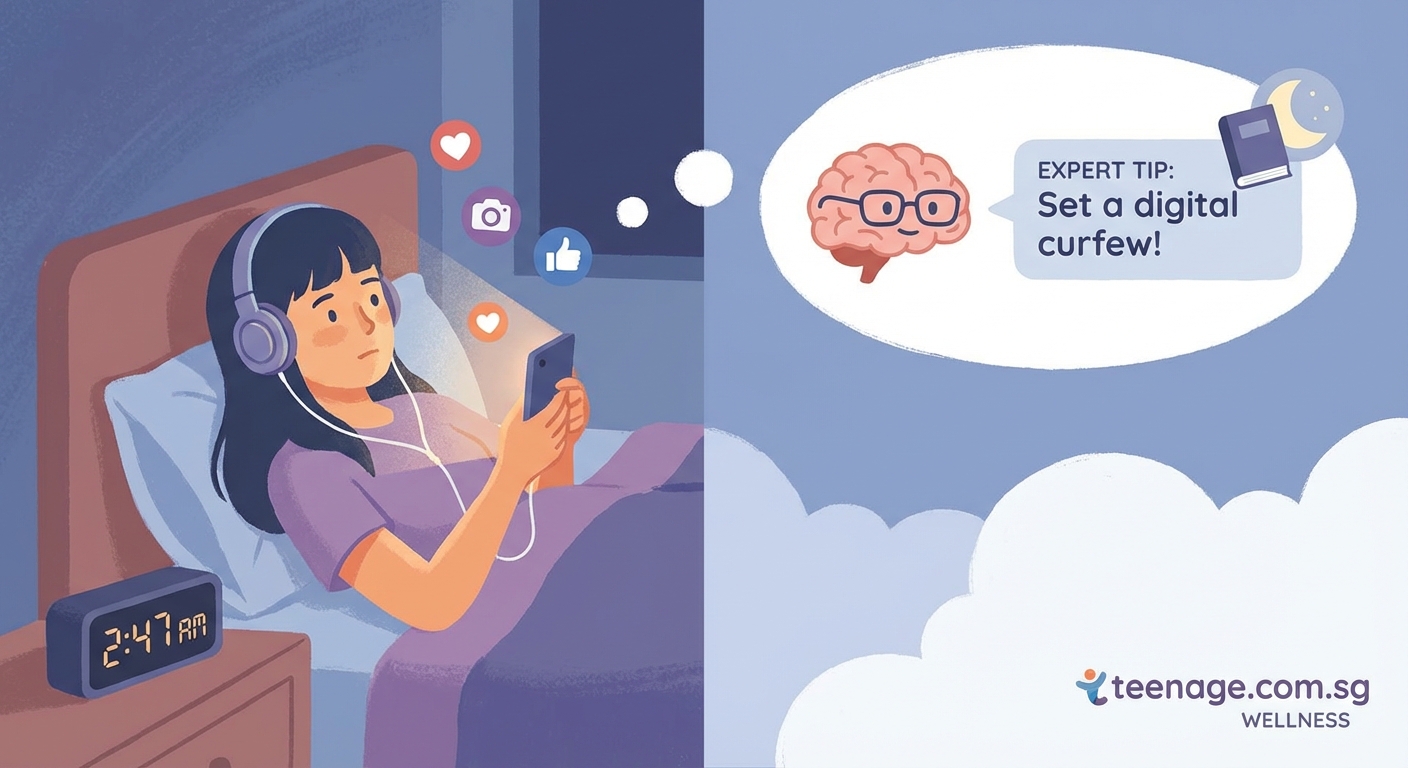
Set a digital curfew
Choose a specific time to stop using social media each night. Ideally, this should be at least one hour before bed.
Put your phone in another room or in a drawer. Out of sight really does mean out of mind.
If you need your phone for an alarm, buy a cheap alarm clock instead. They cost less than $15 and remove the temptation entirely.
Use built-in tools to your advantage
Both iOS and Android have screen time features that let you set app limits. Use them.
Set Instagram, TikTok, and other social apps to shut off at your chosen cutoff time. When the app blocks you, don’t override it.
Enable Do Not Disturb mode during sleep hours. This prevents notifications from lighting up your screen or making sounds that might wake you.
Create a replacement routine
The hardest part of breaking a social media habit isn’t stopping. It’s filling the time you used to spend scrolling.
Replace your nighttime scroll with activities that actually promote sleep:
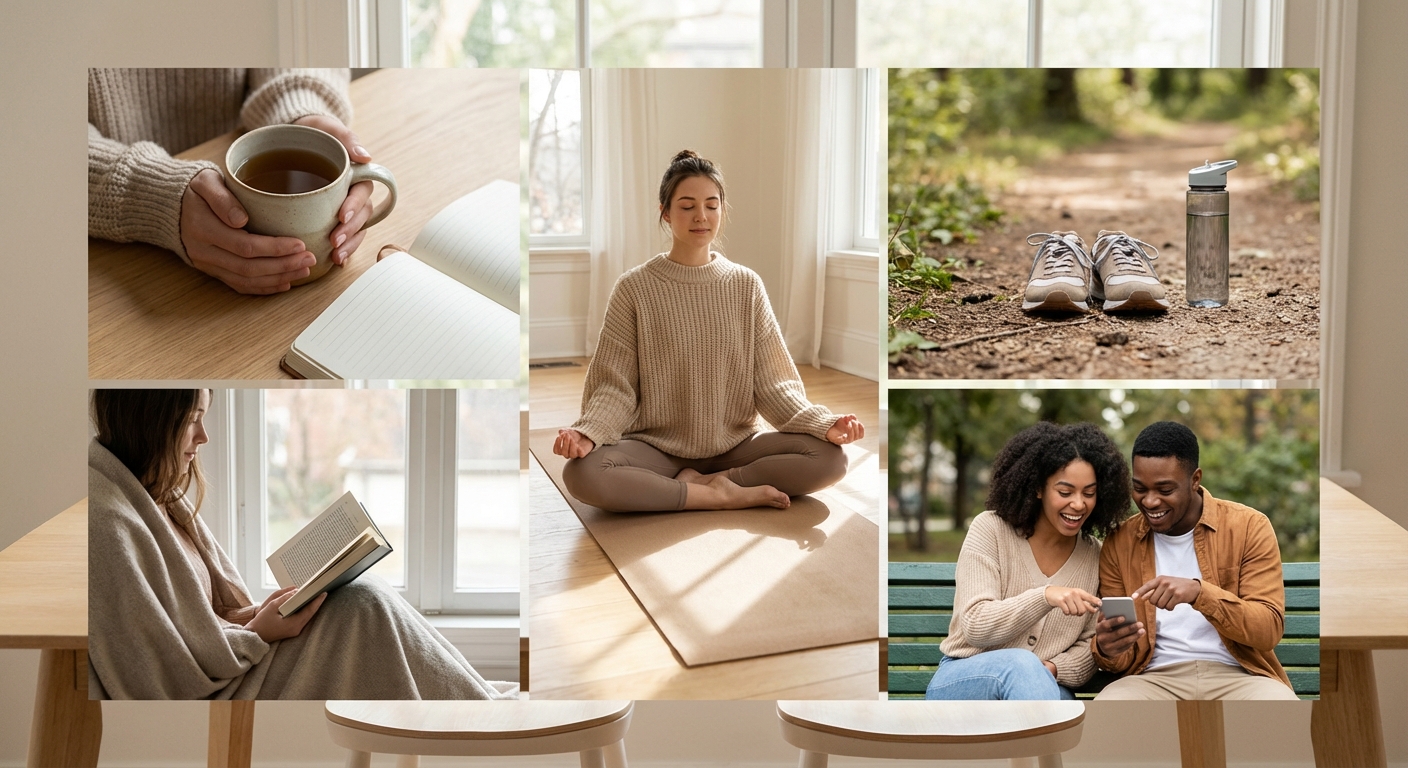
- Read a physical book (not on a screen)
- Write in a journal about your day
- Do gentle stretching or yoga
- Listen to calming music or a sleep podcast
- Practice breathing exercises
These activities give your mind something to do without the stimulation that disrupts sleep. If you’re interested in building better routines overall, check out how to build a morning routine that actually sticks in college for more habit-forming strategies.
Optimize your phone settings
If you absolutely must use your phone before bed, minimize the damage:
| Setting | What to Do | Why It Helps |
|---|---|---|
| Night Shift / Blue Light Filter | Turn on automatically 2 hours before bed | Reduces blue light exposure that suppresses melatonin |
| Screen Brightness | Lower to 30% or less in evening | Less intense light means less circadian disruption |
| Notifications | Disable for social apps after 8 PM | Removes triggers that pull you back to your phone |
| Grayscale Mode | Enable in evening hours | Makes content less visually appealing and engaging |
These technical adjustments won’t solve the problem alone, but they reduce the impact when you do use your phone.
What happens when you actually change your habits
The benefits of reducing nighttime social media use show up faster than you might expect.
Most people notice improvements within 3-5 days:
- Falling asleep 15-30 minutes faster
- Fewer middle-of-the-night wake-ups
- Feeling more refreshed in the morning
- Better focus and mood during the day
- Reduced anxiety levels
After two weeks, these changes typically become even more pronounced. Your body reestablishes its natural sleep rhythm. Your brain learns to wind down without digital stimulation.
One study tracked college students who committed to a phone-free hour before bed. After just one week, participants reported a 32% improvement in sleep quality and a 28% reduction in daytime fatigue.
The connection between sleep and overall wellbeing is massive. Better sleep improves your mood, concentration, immune function, and even your skin. For more on this connection, read why you’re always tired and it’s not just late night scrolling.
Common mistakes people make when trying to sleep better
Knowing what to do is one thing. Actually doing it consistently is another.
Watch out for these pitfalls:
Mistake 1: Going cold turkey without a plan
Telling yourself you’ll just stop using your phone at night rarely works. You need specific strategies and replacement activities.
Mistake 2: Keeping your phone on your nightstand “just in case”
The temptation is too strong. Physical distance is essential.
Mistake 3: Only making changes on weeknights
Your body doesn’t know the difference between Tuesday and Saturday. Consistency matters more than perfection.
Mistake 4: Expecting instant results
Your sleep patterns took time to develop. They’ll take time to change. Give yourself at least a week before judging whether something works.
Mistake 5: Focusing only on blue light
Blue light filters help, but they don’t address the psychological stimulation and emotional activation that social media creates. You need to tackle the whole problem.
Understanding your personal sleep triggers
Not all social media use affects everyone the same way. Some platforms or types of content might disrupt your sleep more than others.
Pay attention to patterns:
- Does watching TikTok videos make you more wired than scrolling Instagram?
- Do certain topics (news, drama, work-related content) make it harder to sleep?
- Are there specific people whose posts trigger anxiety or comparison?
- Does engaging (commenting, messaging) affect you differently than passive scrolling?
Track your habits for a week. Note what you do on your phone before bed and how well you sleep. You might discover that certain apps or activities are worse offenders than others.
This awareness lets you make targeted changes rather than blanket restrictions.
The role of FOMO in nighttime scrolling
Fear of missing out drives a lot of late-night social media use. You worry that if you don’t check now, you’ll miss something important.
Here’s the reality check you need: Nothing on social media is so urgent that it can’t wait until morning.
That viral video? It’ll still be there tomorrow. Probably with even more views.
Your friend’s story? They’ll post another one. And another. And another.
The trending topic? If it’s actually important, you’ll hear about it through multiple channels.
The drama in your group chat? It can wait. And honestly, you’ll probably handle it better with a good night’s sleep anyway.
FOMO is a feeling, not a fact. It’s manufactured by app design to keep you engaged. Recognizing this helps you resist the pull.
Creating a sleep-friendly bedroom environment
Your phone habits matter, but so does your overall sleep environment. Combine both for maximum impact.
Make your bedroom a sleep sanctuary:
- Keep it cool (around 65-68°F is ideal)
- Use blackout curtains or an eye mask
- Remove or cover any LED lights from devices
- Consider white noise or a fan for consistent sound
- Reserve your bed for sleep only (not work, eating, or extended phone time)
When your bedroom is optimized for sleep and you’ve removed the digital distractions, falling asleep becomes significantly easier. Managing stress is also crucial, which is why the ultimate guide to managing exam stress without burning out includes sleep hygiene tips alongside study strategies.
What to do when you can’t fall asleep
Even with perfect habits, some nights you’ll still struggle to fall asleep. When that happens, don’t reach for your phone.
Instead, try the 20-minute rule:
If you’ve been lying in bed for 20 minutes without falling asleep, get up. Go to another room. Do something calm and boring in dim light. Read something dull. Fold laundry. Organize a drawer.
Return to bed only when you feel genuinely sleepy.
This prevents your brain from associating your bed with wakefulness and frustration. It also removes the temptation to scroll through social media “just until I get tired,” which inevitably makes things worse.
The bigger picture of digital wellness
Sleep is just one piece of how social media affects your wellbeing. But it’s an important one because poor sleep creates a cascade of other problems.
When you’re sleep-deprived, you’re more likely to:
- Feel anxious and depressed
- Make poor food choices
- Skip exercise
- Perform worse academically or at work
- Get sick more often
- Experience more conflicts in relationships
Protecting your sleep by managing social media use isn’t about being anti-technology. It’s about using technology in ways that support your health rather than undermine it.
Understanding what your daily screen time says about your mental health can provide additional context for why these boundaries matter.
Making changes that actually stick
You’ve read the information. You understand how social media affects sleep. Now comes the hardest part: actually changing your behavior.
Here’s how to make it stick:
Start small. Don’t try to overhaul your entire nighttime routine at once. Pick one change (like putting your phone in another room) and do that consistently for a week before adding more changes.
Tell someone. Share your goal with a friend or roommate. Accountability helps. Even better, find someone who wants to make the same change and do it together.
Track your progress. Keep a simple log of what time you stop using your phone and how you sleep. Seeing improvement motivates you to continue.
Forgive slip-ups. You’ll have nights where you fall back into old patterns. That’s normal. Don’t use one bad night as an excuse to give up entirely. Just start again the next day.
Focus on how you feel. Pay attention to the difference in your energy, mood, and focus when you sleep well versus when you don’t. This tangible benefit is more motivating than abstract health advice.
Your sleep is worth protecting
Social media isn’t going anywhere. The apps will still be there tomorrow, and the day after, and the day after that. The content will keep flowing. The notifications will keep coming.
But your sleep? That’s limited. You get one shot at tonight’s rest. And how well you sleep tonight affects everything about tomorrow.
Your focus in class or at work. Your patience with friends and family. Your ability to handle stress. Your physical health. Your mood. Your creativity. Your decision-making.
All of it depends on sleep.
The choice isn’t between social media and sleep. It’s between mindless scrolling and feeling good. Between temporary entertainment and long-term wellbeing. Between what’s easy right now and what serves you better overall.
You already know what you need to do. The information is here. The strategies work. The only question is whether you’re ready to prioritize your rest over your feed.
Start tonight. Put your phone in another room at 10 PM. Read a book. Do some stretches. Let your mind wind down naturally. See how you feel tomorrow morning.
Your future self will thank you for it.












Post Comment