Should You Join a Club or Society? Here’s What Students Really Think

You’re staring at the club fair flyer on your dorm wall. Part of you wants to sign up for everything. The other part just wants to survive your classes and maybe get some sleep. If you’re wondering whether joining a club in college is actually worth your time, you’re not alone. Thousands of freshmen ask themselves this same question every semester.
Joining a club in college can significantly improve your social life, resume, and mental health, but only if you choose activities that genuinely interest you and fit your schedule. Most students recommend starting with one or two clubs during your first semester, attending a few meetings before committing, and being honest about your time constraints. The right club becomes a support system, not another source of stress.
Why students actually join clubs
Let’s get real about what drives people to join clubs in the first place.
Most students join because they’re looking for friends. Moving to a new campus where you barely know anyone feels isolating. Clubs give you a built-in group of people who share at least one interest with you.
Some join to build their resume. Career-focused clubs, professional societies, and leadership positions look good on job applications. Employers want to see that you did more than just attend lectures.
Others join because they’re genuinely passionate about something. Maybe you’ve been dancing since you were five, or you’re obsessed with environmental issues, or you love playing board games. College clubs let you keep doing what you love.
And then there are students who join because they’re bored. Classes don’t fill up your entire day, and scrolling through social media gets old. Clubs give structure to your free time.
What students say about the benefits
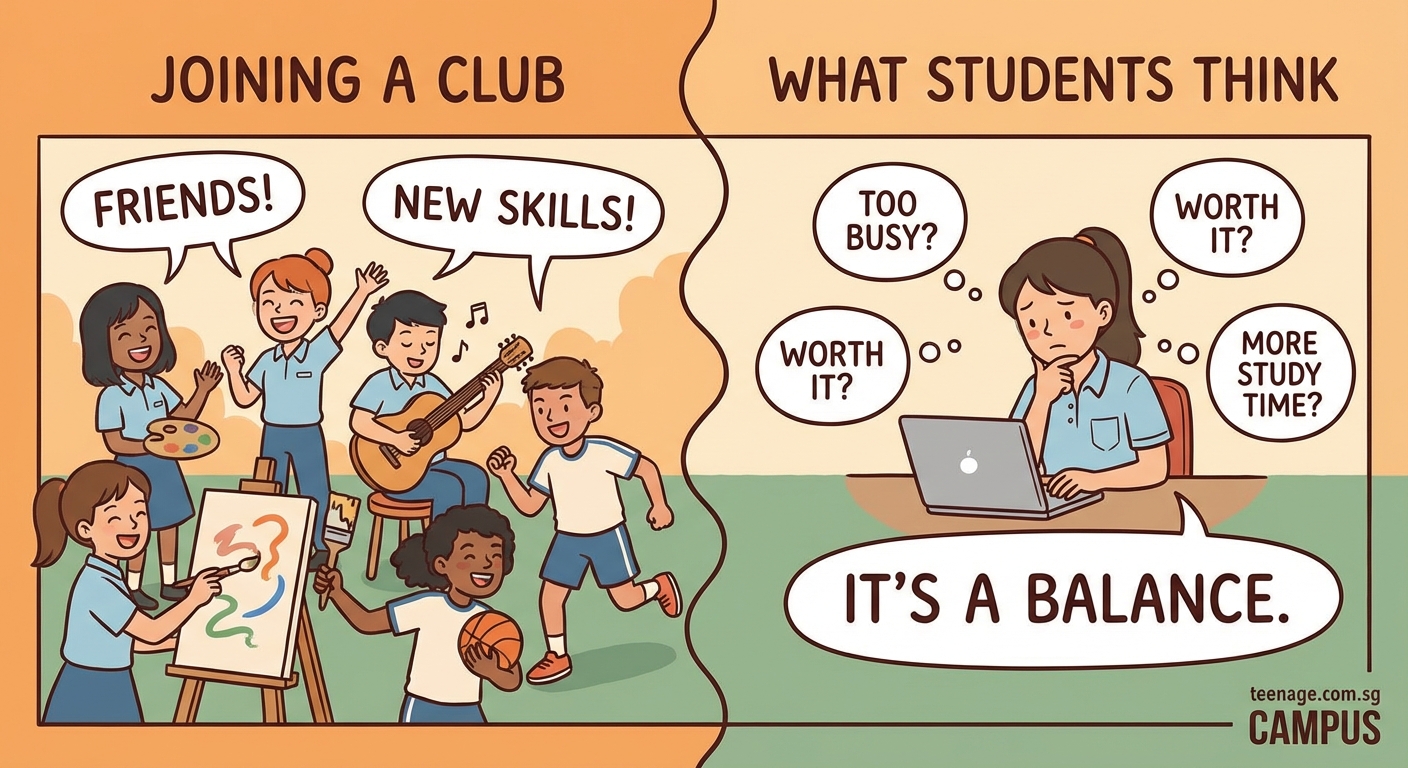
The students who recommend joining clubs tend to mention the same advantages over and over.
You’ll meet people outside your major. Your engineering classes might be full of other engineering students, but the photography club introduces you to art majors, business students, and psychology nerds. These connections matter more than you think.
You’ll learn skills that classes don’t teach. Event planning, budget management, conflict resolution, public speaking. These aren’t usually part of your curriculum, but they’re exactly what employers ask about in interviews.
You’ll have something to look forward to. When your week is packed with assignments and exams, knowing you have a club meeting or event gives you something fun on the calendar.
You’ll find your people. There’s a difference between classmates and actual friends. Clubs create the repeated casual interactions that turn strangers into people you genuinely care about.
Students who joined clubs often say it made their college experience feel complete. How to survive your first week of college without losing your mind becomes way easier when you already have a few friendly faces to text.
The honest downsides nobody mentions at club fairs
But let’s talk about what students wish they’d known before joining.
Time commitment is real. That club that meets “just once a week” also expects you to attend events, help with fundraisers, and maybe serve on a committee. What sounds like two hours per week can easily become five or six.
Not all clubs are well-run. Some have disorganized leadership, unclear meeting times, or drama that makes high school look calm. You might show up excited and leave wondering why you bothered.
Pressure to overcommit is intense. When everyone around you is in three clubs, has a part-time job, and still maintains a 4.0, you feel like you should be doing the same. Spoiler alert: most of those people are stressed out of their minds.
Some clubs cost money. Membership fees, special equipment, travel expenses for competitions. These costs add up fast when you’re already dealing with textbook prices and building a capsule wardrobe on a student budget.
FOMO is a thing. Once you’re in one club, you’ll hear about all the other cool clubs you’re missing. It’s impossible to do everything, but that doesn’t stop the feeling that you’re somehow missing out.
How to decide if clubs are right for you

Here’s a practical way to figure out whether joining makes sense for your situation.
1. Check your current schedule honestly
Write down your actual commitments. Classes, study time, work hours, sleep (yes, sleep counts). Look at what’s left. If you have less than five free hours per week, adding a club might push you over the edge.
2. Identify what you’re hoping to gain
Are you lonely and need friends? Looking for resume builders? Want to stay active? Different clubs serve different purposes. A social club won’t help your career as much as a professional organization, and a competitive team requires more commitment than a casual hobby group.
3. Attend meetings before officially joining
Most clubs let you visit a few times before committing. Go to at least two meetings. The first one might be weird because everything’s new. The second one shows you what the club actually feels like.
4. Talk to current members privately
Pull aside someone who’s been in the club for a while. Ask them how much time they really spend on it. Ask what they wish they’d known before joining. People are usually honest when you ask one-on-one.
5. Start small
Join one club. See how it goes. You can always add more later. It’s way easier to join a second club in October than to quit three clubs in November because you’re overwhelmed.
The types of clubs that students recommend most
Different clubs work for different people, but some categories consistently get positive reviews.
| Club Type | Best For | Time Commitment | Resume Value |
|---|---|---|---|
| Academic/Professional | Career building, networking | Medium to High | Very High |
| Sports/Fitness | Staying active, stress relief | High | Medium |
| Creative Arts | Self-expression, portfolio building | Medium | Medium to High |
| Cultural/Identity | Finding community, celebrating heritage | Low to Medium | Medium |
| Service/Volunteer | Making impact, meeting diverse people | Medium | High |
| Hobby/Interest | Fun, low-pressure socializing | Low to Medium | Low to Medium |
Academic and professional clubs connect you with people in your field. The pre-med society, accounting club, or engineering organization often brings in alumni speakers, organizes career panels, and helps with internship searches.
Sports and fitness clubs range from competitive teams to casual recreational groups. You don’t need to be an athlete to join most of them. Ultimate frisbee, hiking club, and yoga groups welcome beginners.
Creative arts clubs include everything from theater to photography to music. These are great if you want to keep creating but didn’t choose an arts major.
Cultural and identity-based clubs help students connect with others who share their background or identity. These often become crucial support systems, especially for students from underrepresented groups.
Service and volunteer clubs organize community projects. They look great on resumes and actually make you feel like you’re contributing something meaningful.
Hobby and interest clubs are just for fun. Board game club, anime club, cooking club. Zero pressure, maximum enjoyment.
Common mistakes students make with clubs
Learning from other people’s mistakes saves you time and stress.
-
Joining too many at once. Three to five clubs sounds manageable until you realize they all have events the same week. Start with one or two maximum.
-
Staying in clubs out of guilt. You’re allowed to quit. If a club isn’t working for you after giving it a fair shot, leave. Your time matters.
-
Only joining resume-builder clubs. If you hate every meeting, the resume line isn’t worth it. You’ll burn out fast.
-
Never trying leadership roles. Being a regular member is fine, but if you enjoy the club, consider running for a position. Leadership experience actually does matter for jobs and grad school.
-
Ignoring red flags. If the club culture feels toxic, if leaders are dismissive, if meetings are consistently disorganized, trust your gut and find something better.
-
Forgetting why you joined. When clubs stop being enjoyable or useful, it’s okay to reevaluate. Your needs change throughout college.
What to do if you’re still unsure
Some students need more time to figure out the club situation. That’s completely normal.
Give yourself the first few weeks of the semester to settle in. Attend your classes, figure out your study routine, and get comfortable with campus. Once you have that foundation, clubs become easier to fit in.
Check if your school has a club fair or activities expo. Walking around and talking to representatives gives you a feel for what’s available. Grab flyers, follow social media accounts, and note which ones genuinely interest you.
Remember that clubs aren’t your only option for getting involved. Study groups, part-time jobs, informal friend groups, and campus events all contribute to your college experience. Some students thrive without joining a single official club.
If you’re dealing with anxiety about social situations, consider starting with something low-key. A large club where you can blend in might feel less intimidating than a small, tight-knit group. Or try an activity-based club where the focus is on doing something together rather than just talking.
The ultimate guide to balancing school, social life, and self-care can help you think through how clubs fit into your bigger picture.
How to make the most of club membership
If you do decide to join, these strategies help you get maximum benefit with minimum stress.
Show up consistently. You don’t have to attend every single meeting, but regular attendance helps you actually get to know people. The students who come once a month never really become part of the group.
Participate actively. Sitting silently in the back doesn’t help you make connections. You don’t need to be the loudest person in the room, but contribute when you can.
Follow through on commitments. If you volunteer to help with an event or take on a task, do it. Reliability makes you someone people want to work with.
Connect with people outside meetings. Exchange numbers, grab lunch together, study at the library. The real friendships happen in the spaces between official club activities.
Don’t be afraid to suggest ideas. Most clubs appreciate members who bring fresh perspectives. If you think something would be cool, mention it.
Balance involvement with boundaries. It’s okay to say no to extra responsibilities. Protecting your time and energy isn’t selfish.
Signs you’ve found the right club
You’ll know a club is working for you when certain things start happening naturally.
You look forward to meetings instead of dreading them. Even when you’re tired or busy, the thought of skipping makes you a little sad.
You’ve made at least one or two genuine friends. People who you’d hang out with even if the club didn’t exist.
You feel more confident about something. Maybe you’re better at public speaking now, or you’ve learned a new skill, or you understand your career field better.
Your stress levels are manageable. The club adds to your life instead of making everything harder.
You have stories to tell. When people ask what you’ve been up to, you actually have interesting things to share beyond “just studying.”
Time passes differently during club activities. You’re engaged enough that an hour feels like twenty minutes.
“I almost didn’t join the environmental club because I thought I was too busy. Turns out, having that one thing I was genuinely excited about made me better at managing everything else. I studied more efficiently because I knew I had club meetings to get to. And the people I met became my closest friends. Best decision I made freshman year.” – Third-year environmental science major
Alternatives if traditional clubs aren’t your thing
Not everyone thrives in the standard club format. Here are other ways to get involved.
Intramural sports offer the athletic experience without the intense commitment of varsity teams. Games are usually once a week, and the vibe is much more relaxed.
Student employment gives you both money and connections. Working at the library, gym, or student center puts you in contact with lots of different people.
Research opportunities with professors can be incredibly valuable, especially if you’re considering grad school. You build a close relationship with a faculty member and gain hands-on experience in your field.
Informal groups form around dorms, classes, or shared interests. Sometimes the best “club” is just the group of people who always eat dinner together on Thursdays.
Online communities related to your school can provide connection without the in-person time commitment. Many schools have active Discord servers, subreddits, or Facebook groups.
One-time events let you participate without ongoing commitment. Attend the occasional workshop, concert, or lecture series without joining anything official.
The bottom line on clubs and your college experience
Should you join a club in college? For most students, yes, but with careful thought about which one and when.
Clubs can genuinely improve your college experience. They provide friendship, purpose, and skills that classes alone don’t offer. The key is choosing something that actually interests you and fits your realistic schedule.
Don’t join because you think you’re supposed to. Don’t join just to impress future employers. Don’t join because everyone else is doing it.
Join because something about a club genuinely appeals to you. Join because you want to meet people who care about the same things you do. Join because you’re curious and want to try something new.
And if you join and it’s not working? Leave. Try something else. Or take a break from clubs entirely. Your college experience belongs to you, not to some imaginary checklist of what students are “supposed” to do.
The students who are happiest with their club involvement are the ones who treated it as an experiment rather than a commitment. They tried things, kept what worked, and dropped what didn’t. They listened to themselves instead of trying to be someone they’re not.
Start small, stay honest about your limits, and remember that you can always adjust. College gives you four years to figure this out. You don’t need to have it all solved in the first semester.














Post Comment