Singapore’s Newest Night Market Just Launched and It’s Perfect for Thrifting on a Budget
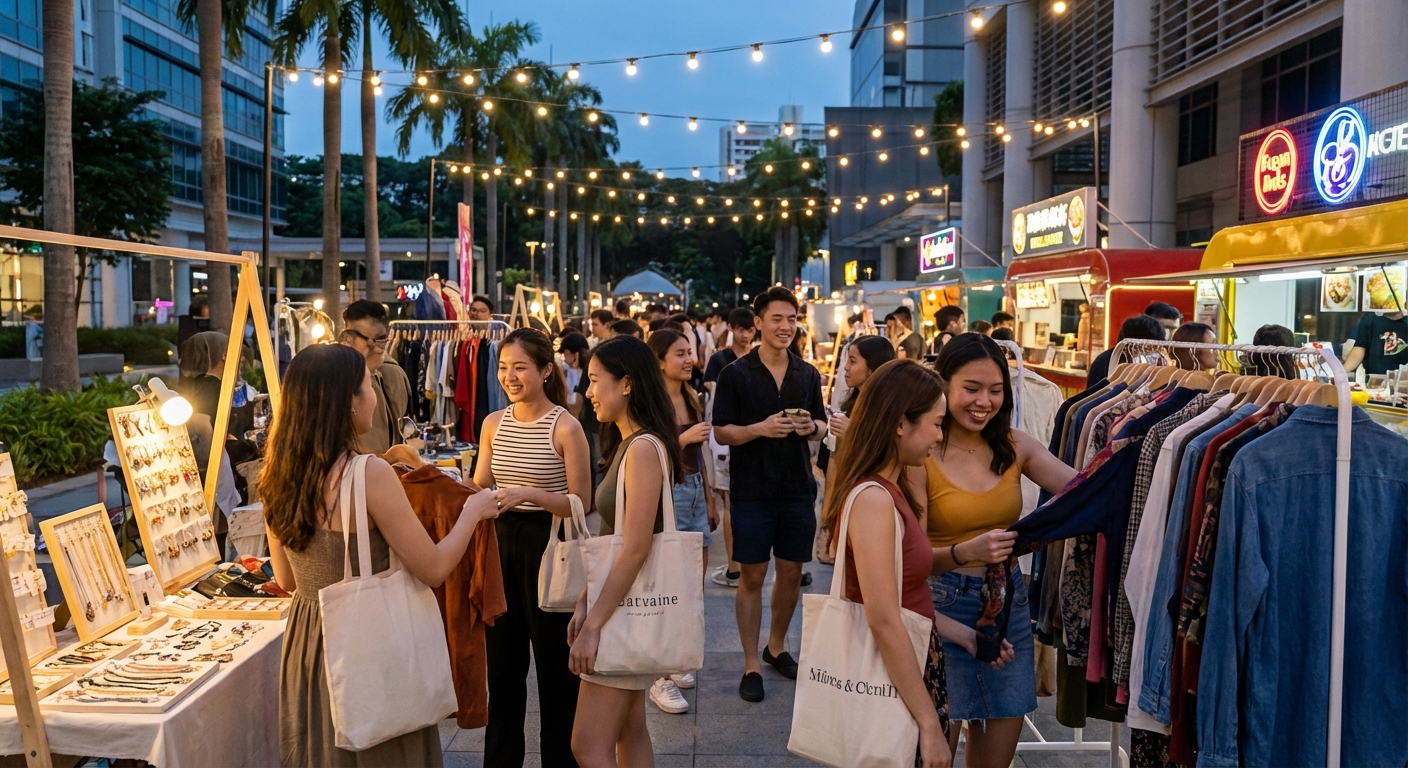
Shopping at night markets in Singapore hits different when you’re trying to stretch your budget. The smell of street food mixing with fabric from vintage tees, the glow of string lights, and the thrill of finding a unique piece for under $10 make these spots essential for anyone who loves a good deal.
Night markets across Singapore offer budget-friendly shopping for clothing, accessories, and unique finds. Popular spots like Bugis Street and newer pop-up markets provide affordable alternatives to mall shopping. Visit during weekday evenings for smaller crowds, bring cash for better deals, and arrive early for the best selection. Most markets operate late into the night, making them perfect for students and young professionals.
Where to find the best night markets around Singapore
Bugis Street remains the most famous option for night market shopping. Located right next to Bugis MRT, this multi-level market stretches across several blocks.
You’ll find hundreds of stalls selling everything from graphic tees to phone cases. Prices start incredibly low, sometimes just a few dollars for accessories.
The market operates daily from late morning until 10 PM or later. Peak hours fall between 6 PM and 9 PM on weekends.
Newer markets have started popping up around the city. Orchard Road now hosts monthly night market events that bring street market vibes to the shopping district.
These temporary markets usually run on specific weekends. They feature local designers, thrift sellers, and vintage collectors.
Chinatown also offers night market experiences, especially along the side streets near the main tourist area. Stalls set up in the evenings selling clothing, bags, and souvenirs at competitive prices.
What you can actually buy at these markets

The clothing selection varies wildly between stalls. Some sell trendy pieces that look similar to fast fashion brands. Others specialize in vintage imports from Japan, Korea, or Thailand.
T-shirts typically cost between $5 and $15. Dresses range from $10 to $30 depending on quality and style.
Accessories make up a huge portion of market inventory:
- Phone cases and pop sockets
- Jewelry including earrings, necklaces, and rings
- Bags ranging from totes to crossbody styles
- Sunglasses and caps
- Hair accessories and scrunchies
- Keychains and pins
Footwear options include sneakers, sandals, and boots. Quality varies significantly, so inspect items carefully before buying.
Some markets also sell home decor items like posters, fairy lights, and small plants. These make great dorm room additions without breaking your budget.
Vintage and secondhand clothing stalls offer the most unique finds. You might score a retro band tee or a one-of-a-kind jacket that nobody else will have.
How to shop smart and get the best deals
Timing matters when you want first pick of the good stuff. Arriving right when stalls open gives you access to the full inventory before popular items sell out.
For Bugis Street, weekday evenings between 5 PM and 7 PM offer the best combination of selection and manageable crowds. Weekends get packed, making it harder to browse comfortably.
Cash remains king at most night markets. Many vendors prefer cash transactions and some don’t accept cards at all. Having exact change can sometimes help with negotiations.
Speaking of negotiations, don’t be afraid to ask for better prices, especially when buying multiple items. Vendors often give discounts for bulk purchases.
“I always buy at least three items from the same stall. That’s when I ask if they can do a better price. Most times they’ll knock off a few dollars or throw in something small for free.” – Regular Bugis Street shopper
Check items thoroughly before purchasing. Look for loose threads, missing buttons, or fabric defects. Most stalls have a strict no-return policy.
Try things on whenever possible. Sizes can run small or large depending on where items were manufactured. If there’s no fitting room, wear fitted clothes underneath so you can try pieces over them.
Compare prices between stalls. The same or similar items often appear at multiple vendors with different price points. Walking through the entire market once before buying helps you spot the best deals.
Step by step guide to your first night market visit

Planning your trip properly makes the experience way more enjoyable. Here’s how to prepare:
- Check the operating hours and days for your chosen market online or through social media
- Bring a reusable tote bag for carrying purchases since plastic bags may cost extra
- Wear comfortable shoes because you’ll be walking and standing for extended periods
- Set a budget before you go and bring that amount in cash
- Eat beforehand or budget extra for street food because shopping hungry leads to impulse buys
- Charge your phone fully for photos, price comparisons, and navigation
- Plan your route home, especially if you’re shopping late when public transport becomes less frequent
Once you arrive, take a lap around the entire market first. This prevents you from buying something in the first section only to find a better version later.
Take photos of items you like with their prices. This helps when comparing similar pieces from different stalls.
Don’t feel pressured to buy immediately. Vendors might say an item is the last one, but similar pieces usually exist elsewhere.
Group your purchases strategically. If you find multiple items you want from different stalls, note their locations and circle back after you’ve seen everything.
Common mistakes that waste your money
Buying without trying leads to disappointment. That cute top might look great on the hanger but fit completely wrong on your body type.
Ignoring fabric quality costs you in the long run. Super cheap items might fall apart after one wash. Feel the material and check the stitching before committing.
Getting distracted by shiny objects happens to everyone. Stick to your style and actual needs rather than buying something just because it’s cheap.
Not checking for defects means you might get home and find a stain or tear you didn’t notice. Always inspect items in good lighting.
| Smart Shopping Habit | Money-Wasting Mistake |
|---|---|
| Try items on before buying | Assuming sizes match your usual fit |
| Inspect quality and stitching | Grabbing items without close examination |
| Compare prices across stalls | Buying from the first vendor you see |
| Stick to your budget and list | Impulse buying everything that looks cute |
| Ask about bulk discounts | Paying full price for multiple items |
| Bring exact cash amounts | Overspending because you brought extra money |
Forgetting to negotiate when appropriate leaves money on the table. While not every vendor will budge on price, many will, especially for multiple items or near closing time.
Skipping the smaller, less obvious stalls means missing hidden gems. The best vintage pieces often come from the quieter corners of the market.
Making your thrifted finds work with your wardrobe
Buying random pieces that don’t match anything you own creates closet clutter. Before purchasing, think about at least three outfits you could create with the item.
Basics in neutral colors give you the most versatility. A simple black tee or white button-up from a night market pairs with everything you already own.
Statement pieces work best when you can style them multiple ways. That bold patterned jacket should work with jeans, skirts, and dresses in your current rotation.
Some shoppers take photos of their closet before heading to the market. This helps avoid buying duplicates or pieces that clash with your existing style.
Accessories from night markets can completely transform outfits you’re bored with. New earrings or a different bag breathe fresh life into clothes you’ve worn dozens of times.
If you’re into the outfit formulas that work for every body type approach, night markets provide affordable pieces to experiment with different looks without major financial commitment.
What to know about pop-up and seasonal markets
Temporary markets appear throughout the year, often tied to holidays or special events. These usually feature curated vendors rather than permanent stalls.
Pop-ups tend to have higher quality items with correspondingly higher prices. You’re paying for more unique, often locally-made pieces.
Follow market organizers on Instagram to stay updated on upcoming events. Most announce dates and locations a few weeks in advance.
Seasonal markets around Chinese New Year, Christmas, or National Day offer themed items alongside regular merchandise. These can be great for gifts or festive wear.
Some pop-ups focus specifically on sustainable fashion or vintage clothing. These attract sellers who carefully curate their inventory rather than selling mass-produced items.
Registration sometimes required for popular pop-up markets, especially those with limited space. Check event pages early to secure your spot if needed.
Staying safe while shopping late
Night markets generally maintain good safety standards, but staying aware helps avoid problems. Keep your belongings close and your bag zipped.
Crowded areas attract pickpockets. Keep your phone and wallet in front pockets or a crossbody bag you can see.
Shop with friends when possible. It’s more fun and provides extra security, especially if you’re staying out late.
Stick to well-lit, busy areas. Avoid wandering into empty side streets or parking areas alone.
Plan your journey home before you go. Know the last train timing or have ride-sharing apps ready. Getting stranded late at night creates unnecessary stress.
If something feels off about a vendor or situation, trust your instinct and move along. Plenty of other stalls exist where you’ll feel comfortable.
Stay hydrated, especially during warmer months. Markets can get stuffy and crowded, leading to dehydration faster than you’d expect.
How night market shopping compares to other options
Mall shopping offers air conditioning and return policies but comes with much higher prices. A basic tee at a mall might cost $30 while a similar one at a night market runs $8.
Online thrifting through apps provides convenience but you can’t see or feel items before buying. Night markets let you inspect quality in person.
Branded thrift stores like those in Chinatown offer curated selections with slightly higher prices than night markets. You’re paying for the sorting and cleaning someone else did.
Fast fashion retailers provide trendy pieces at moderate prices. Night markets often stock similar styles for less, though quality varies more.
The experience itself differs significantly. Night markets offer atmosphere, energy, and the thrill of the hunt that online shopping can’t match.
For students and young professionals on tight budgets, night markets provide the best value for building a wardrobe. You can outfit yourself completely for what one or two mall purchases would cost.
Building a night market shopping strategy
Regular shoppers develop systems that maximize their time and money. Start by identifying what you actually need versus what catches your eye.
Create a wishlist before you go. Maybe you need new workout clothes or accessories for an upcoming event. Having specific goals prevents aimless wandering and overspending.
Set a firm budget and stick to it. Bring only that amount in cash so you physically can’t overspend.
Visit the same markets regularly to learn which vendors restock when. Some bring new inventory weekly while others change stock monthly.
Build relationships with vendors you like. Regular customers sometimes get early access to new items or better prices.
Take notes on your phone about which stalls had what you wanted. This helps on return visits when you remember seeing something perfect but can’t recall where.
Consider the cost per wear when evaluating purchases. A $15 jacket you’ll wear constantly offers better value than a $5 top you’ll wear once.
Mixing night market finds with your current style
You don’t need to overhaul your entire wardrobe with thrifted pieces. Start by adding one or two items that complement what you already wear.
Night market accessories work especially well for testing new styles. A statement necklace or bold bag lets you experiment without committing to a full outfit change.
Layering thrifted pieces with your existing clothes creates unique combinations. A vintage jacket over your regular jeans and tee instantly elevates the look.
Don’t worry about brand names or labels. Focus on fit, color, and how pieces make you feel. Some of the best outfits mix high and low price points seamlessly.
Use night market shopping to try trends you’re curious about without investing heavily. Want to test the oversized blazer trend? Grab one for $12 instead of $80.
Tech and gadgets at night markets
Beyond clothing, many markets sell phone accessories, earbuds, and small electronics. Prices beat retail stores significantly.
Quality varies dramatically with tech items. Inspect charging cables carefully and test items when possible before buying.
Phone cases cost a fraction of mall prices. You can buy multiple designs to switch based on your mood without guilt.
Portable chargers, phone stands, and cable organizers make practical purchases. These functional items work just as well as expensive versions for basic needs.
Be cautious with anything requiring safety certifications like chargers or batteries. Stick to reputable-looking vendors and avoid deals that seem too good to be true.
Screen protectors and phone grips from night markets work perfectly fine for most users. Save your money for things that matter more.
Food and refreshments while you shop
Most night markets have food stalls or sit near hawker centers. Taking breaks to eat helps you shop with more focus.
Budget extra for snacks and drinks beyond your shopping money. Trying local street food adds to the whole experience.
Bubble tea shops and dessert stalls cluster around popular markets. These make great meeting points if you’re shopping with friends who want to split up.
Eating before making purchases helps avoid hunger-driven impulse buys. Shop on a full stomach for better decision-making.
Some markets allow outside food while others prefer you buy from their vendors. Check the vibe and follow local customs.
Staying fed and hydrated keeps your energy up for thorough browsing. Marathon shopping sessions require fuel.
Social media and night market culture
Instagram-worthy spots exist throughout most markets. Colorful stalls, neon signs, and unique architecture create perfect photo backgrounds.
Many vendors now have social media accounts where they post new inventory. Following your favorite stalls means you can see what’s coming before you visit.
Some markets have become destinations partly because of social media exposure. The aesthetic appeal draws crowds beyond just serious shoppers.
Taking photos of your finds and sharing them helps friends discover good vendors. Tag locations and stalls to support small businesses.
The community aspect of night market shopping grows through social platforms. People share tips, favorite stalls, and upcoming market dates.
Just remember to be respectful when photographing. Ask vendors before taking close-ups of their products or stall setups.
Sustainable shopping at night markets
Buying secondhand and vintage items from markets reduces fashion waste. You’re giving clothes a second life instead of supporting fast fashion production.
Many younger shoppers choose thrifting partly for environmental reasons. It aligns with values around sustainability and conscious consumption.
The durability of vintage pieces often exceeds modern fast fashion. Older items were made to last, meaning your thrifted jacket might outlive new purchases.
Repairing and altering market finds extends their life even further. A simple hem or button replacement transforms an okay piece into a perfect one.
Supporting local vendors and small businesses creates a more sustainable economy than funneling money to massive corporations.
The slow fashion movement encourages exactly this type of thoughtful, budget-friendly shopping that night markets facilitate naturally.
Planning visits around your schedule
Students can hit markets after classes during weekday evenings when crowds thin out. This timing offers better browsing conditions.
Weekend mornings at markets that open early provide fresh inventory with fewer people. You sacrifice sleeping in but gain shopping advantages.
Some markets stay open past midnight on weekends. Night owls can shop after dinner or even after hanging out with friends.
Plan market trips around your paycheck schedule. Going right after you get paid means you can actually buy things you find.
Coordinate with friends to make it a regular social activity. Monthly thrifting sessions become something to look forward to.
Avoid major holidays when markets get absolutely packed. The day before or after a holiday offers better conditions.
Why night markets matter for young shoppers
These markets provide independence for teens and young adults building their personal style. You can afford to experiment and make mistakes.
The skills you develop through market shopping serve you well long-term. Learning to assess quality, negotiate, and budget creates lifelong habits.
Night markets offer social spaces beyond malls and cafes. They’re places to hang out, people-watch, and enjoy the energy of the city.
For many, these markets represent a more authentic Singapore experience than air-conditioned shopping centers. They connect you to local culture and street life.
The confidence that comes from finding amazing deals and unique pieces builds over time. You develop an eye for value and quality that transfers to all shopping.
Most importantly, night markets prove you don’t need tons of money to look good and feel confident. Style comes from creativity and smart choices, not expensive labels.
Making night market shopping a regular habit
Once you experience the thrill of scoring an amazing find for almost nothing, regular mall shopping feels wasteful. Night markets become your default for basics and accessories.
Set aside a specific budget each month for market shopping. Even $20 or $30 can get you several new pieces to refresh your wardrobe.
Keep a running list on your phone of items you need. When you visit markets, you’ll shop with purpose instead of randomly browsing.
Learn the rhythm of your favorite markets. Understanding when new stock arrives or when vendors discount items helps you time visits strategically.
Connect with other market shoppers to share tips and favorite finds. The community makes the hobby more enjoyable and helps everyone find better deals.
Document your purchases and cost savings. Seeing how much you’ve saved compared to retail prices reinforces the value of this shopping method.
Your night market adventure starts now
Singapore’s night markets offer something special that online shopping and malls can’t replicate. The energy, the deals, and the satisfaction of finding that perfect piece make every visit worthwhile.
Start with one market visit this week. Bring a small budget, comfortable shoes, and an open mind. You don’t need to buy anything on your first trip. Just walk through, get a feel for the layout, and observe how experienced shoppers navigate the stalls. The confidence to bargain and the eye for quality develop with practice. Whether you’re furnishing a new dorm room, building a wardrobe from scratch, or just want to add some unique pieces to your current rotation, night markets deliver affordable options that don’t sacrifice style. Your next favorite outfit piece is probably waiting at a stall right now, priced at a fraction of what you’d expect to pay.














Post Comment