Singapore’s Underground Music Scene Is Exploding Right Now and Here’s Where to Catch the Best Shows
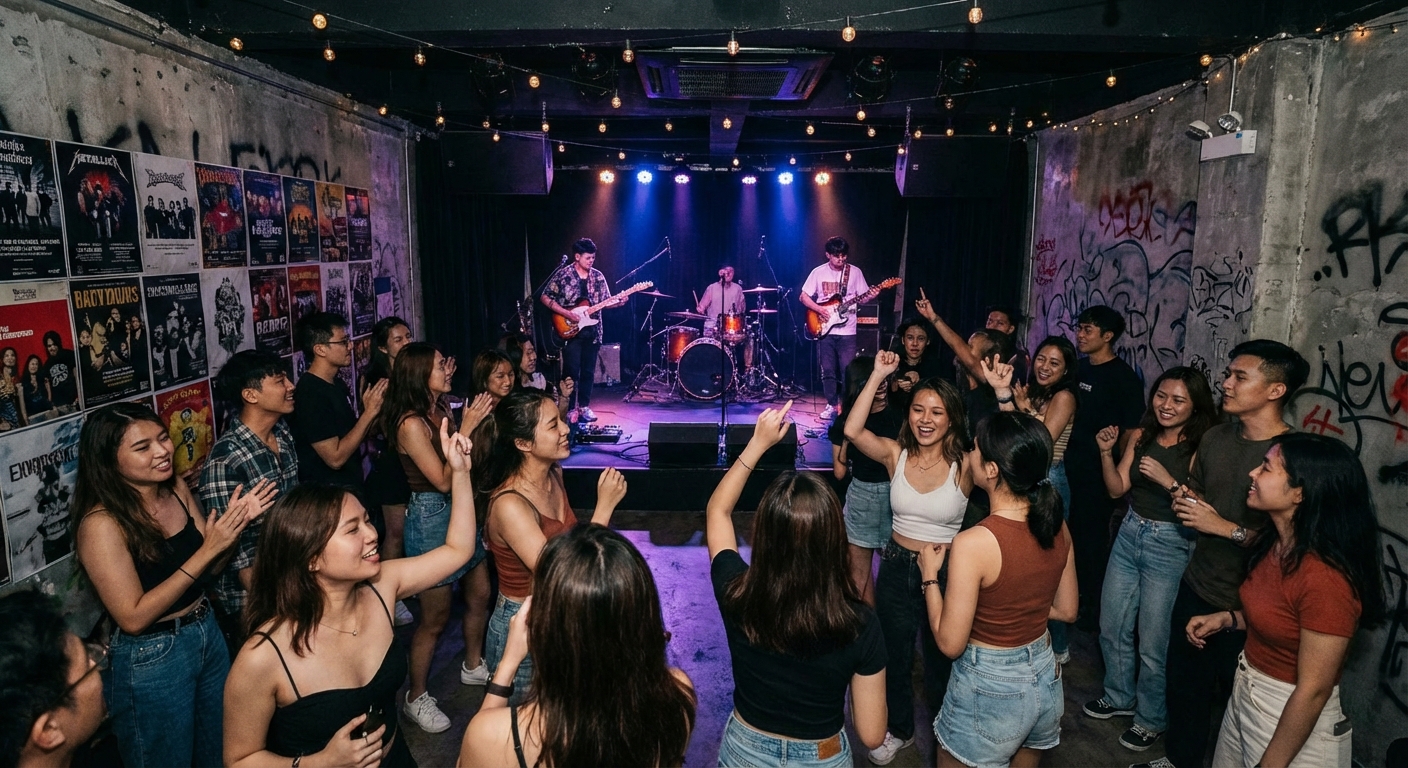
Singapore’s nightlife isn’t just about rooftop bars and glitzy clubs. Tucked away in shophouses, industrial spaces, and converted studios, a thriving underground music scene pulses with raw energy every weekend. Local bands, experimental DJs, and genre-defying artists are creating sounds you won’t hear on the radio, and the crowds showing up are here for the music, not the Instagram shots.
Singapore’s underground music scene offers authentic experiences through intimate venues, diverse genres from post-punk to experimental electronic, and a passionate community of local artists. Expect cover charges between $10 and $30, late-night performances starting after 9pm, and a welcoming atmosphere where music matters more than appearances. Follow venue social media for show announcements and arrive early for popular acts.
What makes Singapore’s underground scene different
The mainstream club circuit runs on predictable formulas. Underground venues operate differently.
Shows happen in spaces never designed for concerts. A coffee shop transforms into a punk venue after sunset. An art gallery becomes a techno sanctuary on Friday nights. A recording studio opens its doors for experimental noise performances.
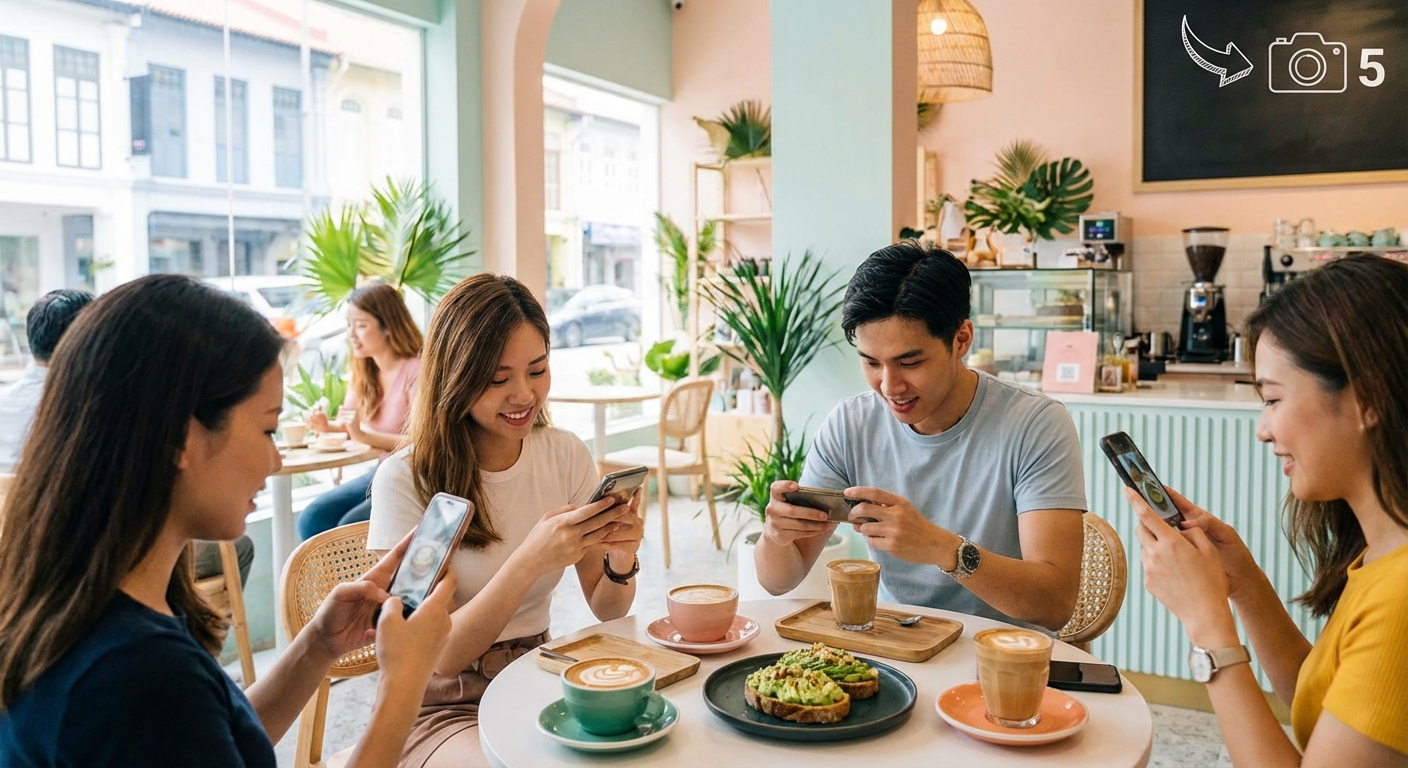
The audiences know the difference. People come to listen, not to be seen. Phones stay in pockets during sets. Conversations pause when bands start playing. This respect for the music creates an energy you won’t find in commercial venues.
Ticket prices stay reasonable because these aren’t corporate operations. Most shows charge between $10 and $30 at the door. The money goes directly to artists and venue costs, not shareholder profits.
Finding shows before they sell out
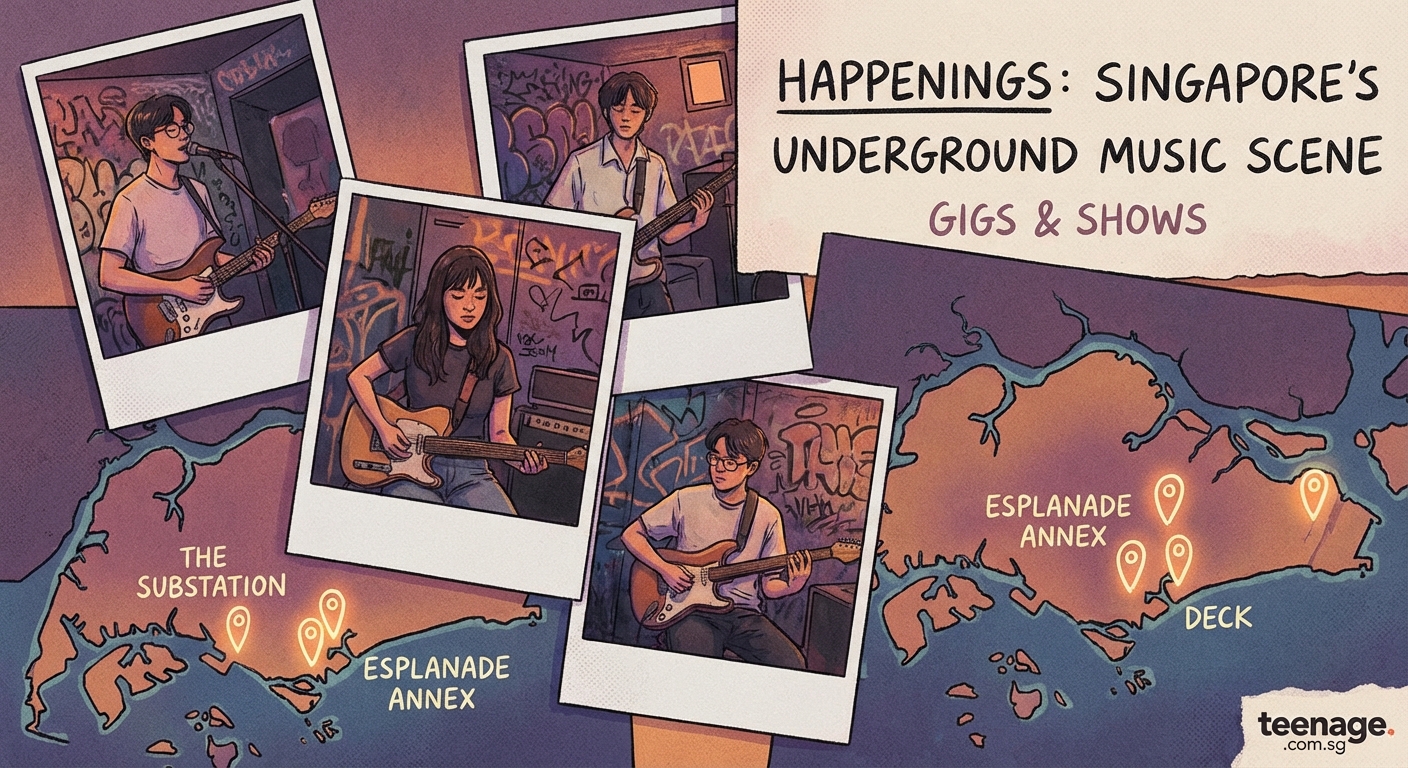
Underground events don’t advertise on billboards. You need to know where to look.
Instagram remains the primary announcement platform. Venues, promoters, and bands post show details days or weeks in advance. Turn on notifications for your favorite spots to catch announcements early.
Telegram groups connect scene regulars. Members share event flyers, last-minute lineup changes, and venue updates. Ask around at shows to get invited to active groups.
Physical flyers still matter. Check notice boards at independent record stores, vintage clothing shops, and campus bulletin boards. Some promoters prefer analog promotion to maintain the underground vibe.
Step-by-step guide to planning your first underground show
- Choose a genre or venue that interests you and follow their social media accounts
- Check event details carefully for age restrictions, dress codes, and door policies
- Arrive 30 minutes before doors open for popular acts to guarantee entry
- Bring cash for cover charges and merch since many venues don’t accept cards
- Respect the space by keeping conversations quiet during performances
- Support artists by buying physical releases or merchandise after the show
Venue types and what to expect
Different spaces cater to different sounds and crowds.
Shophouse venues host intimate shows in converted residential spaces. Expect low ceilings, minimal stage setups, and audiences standing close to performers. These spaces work best for acoustic acts, indie rock, and singer-songwriters. Capacity rarely exceeds 80 people.
Industrial spaces provide room for louder, heavier sounds. Concrete floors, high ceilings, and warehouse aesthetics suit punk, metal, and experimental electronic music. Sound systems hit harder here. Crowds move more freely. Capacity ranges from 100 to 300 depending on the space.
Multi-purpose studios blend art galleries, rehearsal spaces, and performance venues. Programming varies wildly from week to week. You might catch a noise performance one Friday and a jazz trio the next. These spaces attract the most adventurous audiences.
Pop-up locations appear and disappear based on availability. Rooftops, parking garages, and abandoned buildings host one-off events. These shows carry more risk of cancellation but offer unique experiences. Always have a backup plan.
Genre diversity beyond the obvious
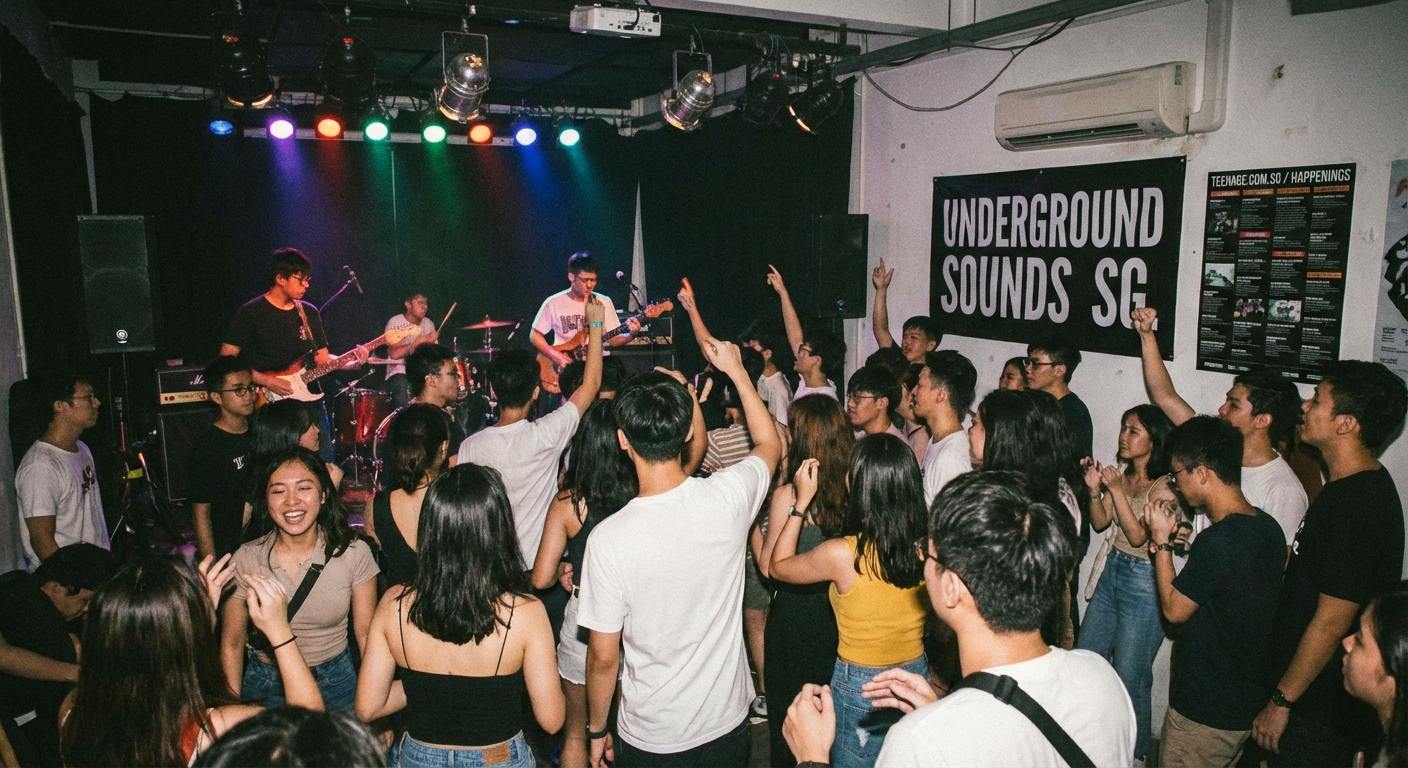
The Singapore underground music scene spans far more than rock and electronic.
Post-punk bands channel ’80s energy through modern anxieties. Shoegaze acts create walls of distorted guitars and dreamy vocals. Math rock groups perform technical compositions that challenge traditional song structures.
Electronic music splits into countless micro-genres. Ambient producers craft soundscapes for focused listening. Breakcore artists push tempo and complexity to extremes. Footwork DJs blend Chicago traditions with Southeast Asian influences.
Experimental and noise artists reject conventional musicality entirely. Performances might involve modified instruments, feedback loops, or field recordings. These shows test boundaries and provoke reactions.
Jazz and improvisation communities gather for late-night sessions. Musicians collaborate spontaneously, building compositions in real time. The lack of rehearsal creates genuine surprise for performers and audiences alike.
“The underground scene gives local artists space to fail, experiment, and grow without commercial pressure. That freedom produces the most honest music you’ll hear in Singapore.” — Veteran sound engineer and scene regular
Building your underground music wardrobe
Dress codes don’t exist, but certain style choices fit the culture better.
Comfort beats fashion at underground shows. You’ll stand for hours on concrete floors. Sneakers make more sense than heels. Check out how to style sneakers for every occasion beyond the gym for versatile options that work at shows and beyond.
Band merch and thrifted pieces dominate the aesthetic. Vintage tees, worn denim, and DIY modifications show you understand the scene’s anti-commercial values. If you’re building a versatile collection on limited funds, how to build a capsule wardrobe on a student budget offers strategies that apply to alternative fashion too.
Layer for temperature swings. Venues get hot when packed but might be freezing when you arrive early. A light jacket you can tie around your waist solves this problem.
Common mistakes new attendees make
Learning underground venue etiquette takes time. Avoid these errors.
| Mistake | Why it’s a problem | Better approach |
|---|---|---|
| Talking during quiet sets | Ruins the performance for everyone nearby | Save conversations for between bands |
| Recording entire songs | Distracts from live experience and annoys artists | Capture 15-second clips maximum |
| Blocking the front if you’re tall | Prevents shorter fans from seeing | Stand toward the back or sides |
| Leaving immediately after headliners | Misses opening acts and scene connections | Arrive for the first band |
| Expecting club amenities | Underground venues are bare-bones operations | Bring what you need |
Supporting the scene beyond attendance
Buying tickets helps, but artists need more sustained support.
Purchase physical releases directly from musicians. CDs, cassettes, and vinyl provide better profit margins than streaming. Many bands sell limited runs that become collectibles.
Share show photos and videos thoughtfully. Tag artists and venues. Write genuine captions about performances. This organic promotion reaches potential new fans more effectively than paid advertising.
Volunteer when venues need help. Sound techs, door staff, and setup crews often come from the community. Contributing your time builds relationships and deepens your connection to the scene.
Introduce friends who’d appreciate the music. Underground communities grow through personal recommendations, not marketing campaigns. Bring people who’ll respect the space and artists.
Timing your visits throughout the year
Singapore’s music calendar follows predictable patterns.
January through March sees increased activity as students return from holidays. Venues book more shows to meet demand. This period offers the most variety for newcomers wanting to sample different genres.
June and July slow down during exam periods and summer travel. Some venues reduce programming or close temporarily. Use this time to catch up on recorded releases from artists you’ve seen live.
September through November brings peak season. Touring international acts visit Singapore as part of Asian tours. Local bands release new material and play album launch shows. Competition for audience attention intensifies.
December splits between festive events and year-end breaks. Some venues host special holiday-themed shows. Others shut down for two weeks while everyone travels.
Safety and practical considerations
Underground venues operate differently than licensed clubs.
Exits might not be clearly marked. When you enter a new space, identify at least two ways out. Note where emergency equipment is stored.
Alcohol policies vary by venue. Some spaces serve beer and wine. Others maintain strictly dry policies. Many operate in legal gray areas regarding liquor licensing. Bring your own drinks only if explicitly permitted.
Transportation requires planning. Underground venues cluster in areas poorly served by late-night public transit. Budget for Grab rides home or coordinate carpools with friends.
Bag policies tend toward minimal security. Most venues don’t search bags or require ID checks beyond age verification. This relaxed approach depends on mutual trust. Don’t abuse it.
Connecting with the community
The underground scene rewards genuine participation.
Start conversations between sets. Ask people about bands they recommend. Share what brought you to the show. Most regulars remember feeling like outsiders initially and welcome newcomers who show real interest.
Follow the musicians, not just the venues. Artists often promote their own shows and collaborate across different spaces. Building these connections helps you discover new acts before they gain wider attention.
Join post-show hangouts when invited. Many venues have nearby spots where crowds gather after performances. These informal sessions build friendships and scene knowledge.
Respect boundaries and read social cues. Underground communities value authenticity but also privacy. Don’t pry into personal details or assume familiarity too fast.
Creating playlists that capture the vibe
Documenting your underground music journey helps you remember discoveries.
After attending shows, search for recorded versions of songs you heard. Add them to a dedicated playlist. Over months, this collection becomes a personal archive of your scene experience.
The process mirrors how to build the ultimate spotify playlist for every mood, but focuses specifically on local and underground artists. Your playlist becomes a tool for introducing friends to Singapore’s alternative music landscape.
Include tracks from different venues and genres. The variety reflects the scene’s actual diversity better than genre-specific collections.
Budget management for regular attendance
Frequent show-going requires financial planning.
- Set a monthly entertainment budget and track spending
- Prioritize artists you genuinely want to support over completionist attendance
- Volunteer for venue work to earn free entry and build connections
- Share transportation costs by attending shows with friends
- Buy merch strategically rather than impulsively at every show
- Pre-game responsibly if venues allow outside drinks to reduce costs
Why this scene matters for Singapore’s culture
Underground music spaces preserve artistic freedom in a highly regulated city.
These venues let artists experiment without commercial viability concerns. Failure becomes acceptable, even expected. This creative safety net produces innovations that eventually influence mainstream music.
The scene connects diverse communities. Students, working professionals, tourists, and lifers gather around shared musical interests. These interactions cross social boundaries that normally separate people in Singapore.
Local talent development happens here. Musicians learn stagecraft, build audiences, and refine their sound through repeated performances. Many artists who now fill larger venues started in underground spaces.
Making the most of every show
Your experience depends on the energy you bring.
Arrive with open expectations. The band might sound nothing like their recordings. The venue might be smaller or stranger than you imagined. These surprises often become the best memories.
Stay present during performances. Put your phone away. Watch how musicians interact. Notice crowd reactions. These details create richer experiences than any photo or video.
Support opening acts with the same attention you give headliners. Every established artist started as someone’s opener. Your early support might mean everything to a developing musician.
Leave feedback when artists ask. Genuine reactions help musicians understand what connects with audiences. Be honest but constructive.
Your next steps into the scene
Start small and build gradually. Pick one venue or genre that interests you. Attend a few shows. Let familiarity grow naturally.
The Singapore underground music scene rewards curiosity and respect. Show up consistently. Listen actively. Support artists directly. Connect with fellow fans authentically.
These spaces exist because people care enough to create and maintain them. Your participation, however small it seems, helps sustain something valuable and rare. The next show might introduce you to your new favorite band, a lifelong friend, or a sound you never knew you needed.












Post Comment