The Ultimate Guide to Mixing Prints Without Looking Overdone

Pattern mixing sounds intimidating until you realize it’s just about following a few simple rules. The truth is, combining prints can make your outfits look more interesting and put-together than wearing solids ever could. You just need to know which patterns play well together and how to balance them without creating visual chaos.
Mixing patterns successfully comes down to three core principles: varying the scale of your prints, sticking to a cohesive color palette, and balancing bold pieces with simpler ones. Start with two patterns before adding more, use neutrals to break up busy prints, and always let one pattern take the lead while others play supporting roles. Confidence matters just as much as the actual combination you choose.
Why Pattern Mixing Works Better Than You Think
Most people stick to solid colors because they’re safe. But that safety comes at a cost. Your outfits end up looking flat and forgettable.
Pattern mixing adds depth and personality. It shows you put thought into your look instead of just grabbing whatever was clean. Plus, it’s actually easier than you think once you understand the basic framework.
The key is learning which patterns complement each other and which ones clash. Spoiler: there are way fewer clashing combinations than you’ve been led to believe.
The Golden Rules for Combining Prints
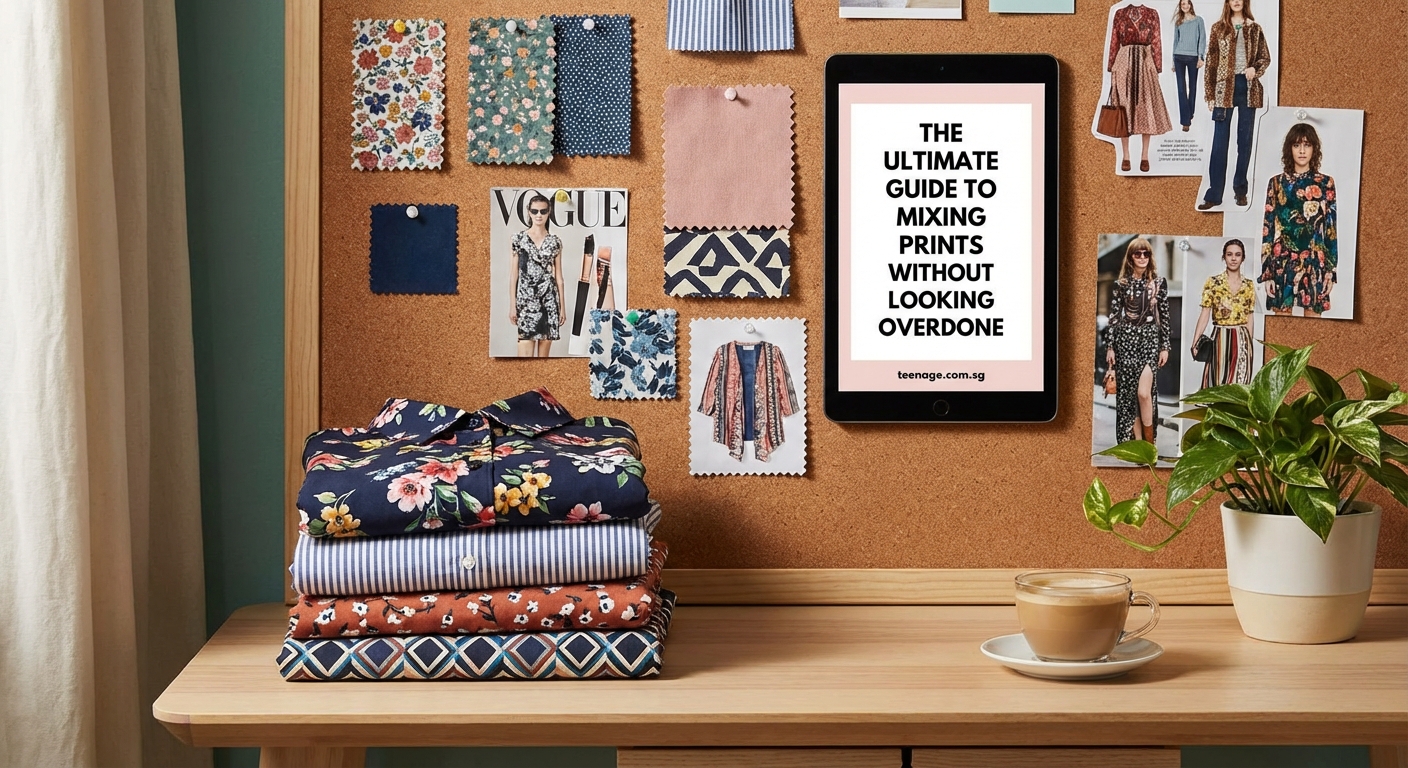
Let’s break down the essential principles that make pattern mixing work. These aren’t arbitrary fashion rules. They’re based on visual balance and color theory.
Rule 1: Vary Your Scale
This is the most important rule. If all your patterns are the same size, they compete for attention and create visual noise.
Pair a large-scale print with a medium or small one. Think oversized florals with thin pinstripes, or bold geometric shapes with delicate polka dots.
Your eye needs somewhere to rest. Different scales create natural focal points and prevent that “busy” look everyone’s afraid of.
Rule 2: Share at Least One Color
Your patterns should have at least one color in common. This creates cohesion even when the prints themselves are completely different.
A striped shirt with navy and white pairs beautifully with a floral skirt that has navy flowers. The shared color acts like glue holding the look together.
You can also use a neutral color as your connector. Black, white, beige, or gray can bridge patterns that don’t share any other colors.
Rule 3: Let One Pattern Lead
One print should be the star while others play backup. This hierarchy prevents your outfit from looking chaotic.
If you’re wearing a bold leopard print skirt, pair it with a subtle striped top. The stripes add interest without competing with the leopard.
Think of it like music. You need a melody and harmony, not two melodies fighting for attention.
Step-by-Step Guide to Your First Mixed Print Outfit
Ready to actually try this? Here’s exactly how to build a pattern-mixed outfit from scratch.
-
Start with your boldest pattern piece. This could be printed pants, a patterned dress, or a statement skirt.
-
Choose a second pattern in a smaller scale that shares at least one color with your first piece. A thin stripe, small check, or tiny polka dot works well.
-
Add a solid neutral piece to break things up. This could be a blazer, cardigan, or solid-colored shoes.
-
Check your overall balance in the mirror. If it feels too busy, swap one patterned piece for a solid.
-
Accessorize with mostly solid pieces. One patterned accessory is fine, but keep bags and shoes simple.
This formula works whether you’re building outfit formulas that work for every body type or just trying something new on a random Tuesday.
The Best Pattern Combinations to Start With
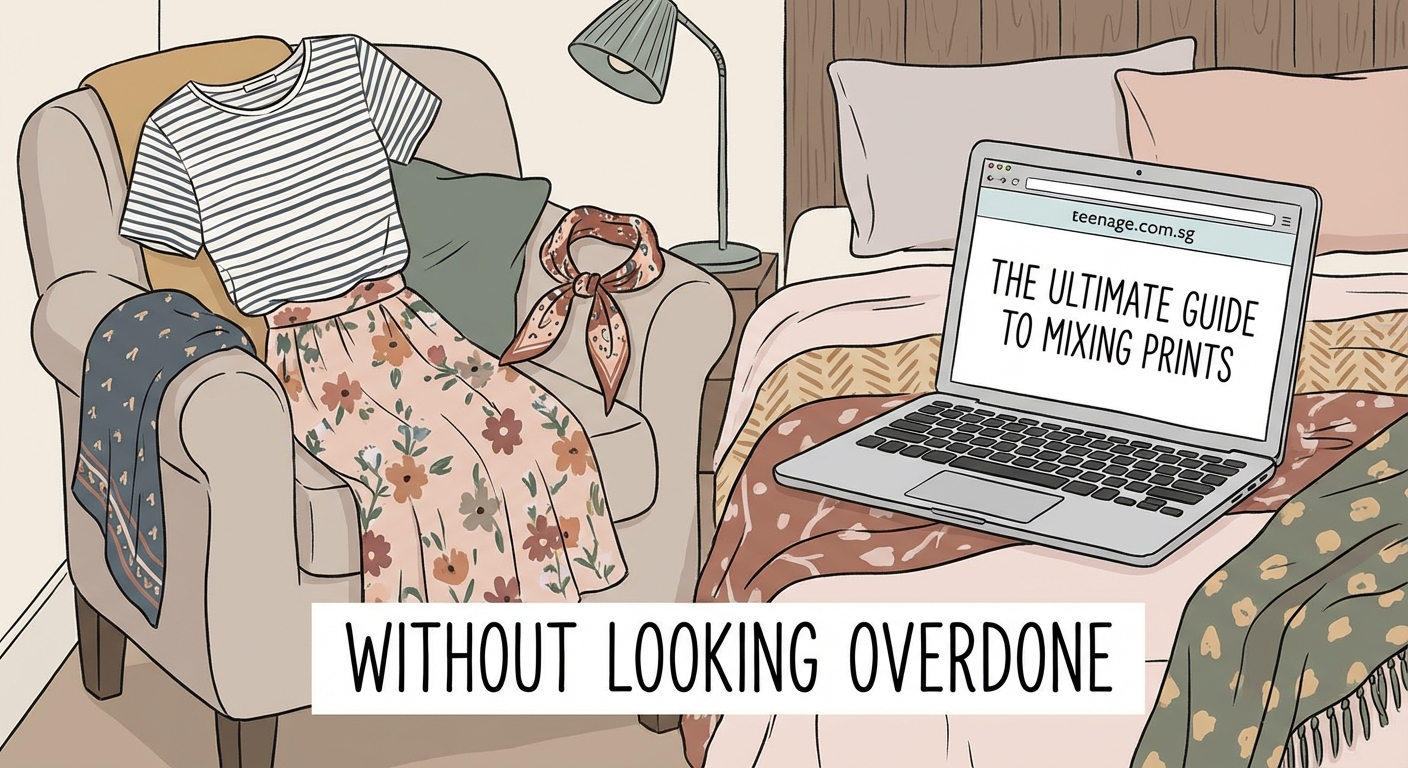
Some pattern pairings are naturally easier than others. Here are the most foolproof combinations for beginners.
Stripes + Florals: This classic combo works because stripes are geometric and florals are organic. They balance each other perfectly. Keep the stripes thin and the florals medium-sized for best results.
Polka Dots + Stripes: Both are simple patterns that don’t overwhelm each other. Stick to dots and stripes in similar color families.
Animal Print + Geometric: Leopard, zebra, or snake print pairs surprisingly well with clean geometric patterns like checks or plaids. Treat animal prints as neutrals.
Plaid + Floral: This combination feels vintage and intentional. Make sure your plaid and floral share at least two colors.
Common Pattern Mixing Mistakes and How to Fix Them
Even with the rules in mind, certain mistakes keep popping up. Here’s what to watch for.
| Mistake | Why It Happens | The Fix |
|---|---|---|
| Too many competing patterns | Excitement about mixing leads to overdoing it | Limit yourself to 2-3 patterns maximum |
| Same-scale prints | Grabbing patterns without considering size | Always vary the scale between large, medium, and small |
| No color connection | Focusing only on pattern type, not color | Find at least one shared color between all pieces |
| Everything is bold | Wanting to make a statement with every piece | Let one pattern dominate, keep others subtle |
| Ignoring texture | Only thinking about visual patterns | Mix smooth and textured fabrics for added depth |
The texture point matters more than people realize. A chunky knit sweater with subtle stripes looks different than a silk shirt with the same stripes. Texture adds another layer of interest.
How to Use Neutrals as Pattern Buffers
Neutrals are your secret weapon for making bold pattern combinations work. They give your eyes a place to rest.
A solid black blazer over a striped shirt and floral skirt creates separation. The blazer breaks up the patterns so they don’t blend together.
Solid shoes, bags, and belts also work as buffers. If your top and bottom are both patterned, keep everything else simple.
Denim acts as a neutral too. A patterned top with jeans and a patterned jacket creates enough separation to work.
When you’re building a capsule wardrobe on a student budget, invest in solid neutral pieces that can support your patterned items.
Advanced Mixing: Three Patterns in One Outfit
Once you’re comfortable with two patterns, you can try three. But this requires more careful planning.
Your three patterns should follow a clear hierarchy: one large-scale dominant pattern, one medium supporting pattern, and one small accent pattern.
They should all share a color family or have one common color thread running through them.
Use solid pieces strategically to separate the patterns. A solid belt, solid shoes, or solid layering piece helps maintain balance.
“The best pattern mixing looks effortless, but it’s actually very intentional. You want people to think you just threw it together, even though you carefully considered every piece.”
Pattern Mixing Across Different Occasions
The same principles apply whether you’re dressing for class, work, or a night out. You just adjust the formality of your patterns.
For casual settings, feel free to mix bolder, more playful patterns. Think graphic stripes with fun florals or bright polka dots with plaid.
For professional environments, stick to more subdued patterns in neutral colors. Navy stripes with a subtle check, or a small geometric print with pinstripes.
For evening events, you can go bolder with one statement pattern and keep everything else minimal. A leopard print dress with solid accessories, or a floral maxi with a solid leather jacket.
The styling hacks that make thrifted clothes look expensive also apply here. Pattern mixing can elevate budget pieces instantly.
What to Do When You’re Not Sure It’s Working
Sometimes you’ll put together a patterned outfit and feel uncertain. Here’s how to troubleshoot.
Take a photo of yourself in the mirror. Sometimes patterns look different in photos than in real life. If it looks chaotic in the photo, it probably looks chaotic in person too.
Ask yourself these questions:
- Can I identify one clear focal point?
- Do the patterns share at least one color?
- Are the scales different enough?
- Would removing one pattern make this better?
If you answered no to the first three or yes to the last one, make adjustments.
The squint test also works. Step back and squint at your reflection. If the patterns blur into mud or create visual vibration, they’re not working together.
Building Confidence in Your Pattern Choices
The technical rules matter, but confidence sells the look. If you feel uncertain, people will notice.
Start small. Wear one patterned piece with solids for a week. Then try adding a second subtle pattern.
Pay attention to compliments. When someone says they love your outfit, remember what you wore. That’s a winning combination you can repeat.
Create a pattern mixing mood board on your phone. Screenshot outfits you love and analyze why they work. You’ll start noticing common threads.
Remember that personal style is personal. Some pattern combinations might break the traditional rules but still feel right for you. Trust that instinct.
Making Pattern Mixing Part of Your Regular Rotation
Once you get comfortable, pattern mixing becomes second nature. Here’s how to make it a regular part of your style.
When shopping, think about how new pieces will mix with what you already own. That floral top is more versatile if it shares colors with your striped pants.
Organize your closet by color family. This makes it easier to spot mixing opportunities when getting dressed.
Keep a running list of your favorite combinations. When you find a pattern pairing that works, write it down or take a photo. You can recreate it when you’re in a rush.
Build around versatile patterned pieces. A good striped shirt or classic polka dot blouse can mix with dozens of other patterns.
Your Pattern Mixing Journey Starts Now
You don’t need a whole new wardrobe to start mixing patterns. Look at what you already own and find two pieces that share a color and have different scales.
Try that combination tomorrow. See how it feels.
The worst that happens is you change halfway through the day. The best that happens is you discover a whole new way to style pieces you thought were boring.
Pattern mixing isn’t about following rigid rules. It’s about understanding basic principles and then playing within them. Start conservative, build confidence, and gradually push your boundaries. Your outfits will thank you for it.













Post Comment