What Nobody Tells You About Group Projects and How to Handle Them

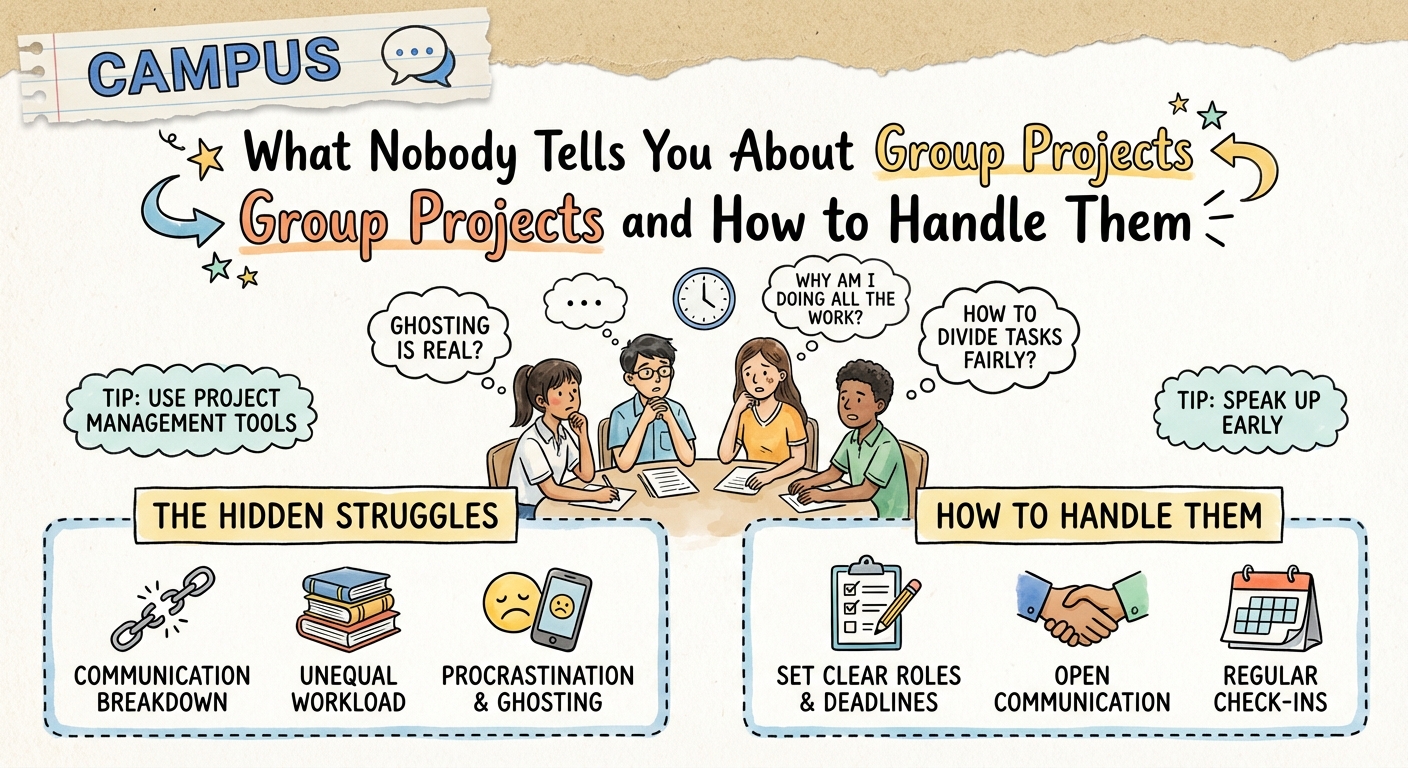
Group projects can feel like a social experiment gone wrong. One person does all the work while another ghosts the group chat. Someone shows up to the final meeting with zero contributions but plenty of opinions. Sound familiar?
You’re not alone. Most students rank group projects somewhere between surprise quizzes and cafeteria mystery meat on the scale of campus misery. But here’s the thing: these assignments aren’t going anywhere. Teachers love them because they supposedly teach collaboration skills. The reality? They often teach you how to deal with frustration instead.
Successfully managing group projects requires clear communication, defined roles, documented agreements, and backup plans for uncooperative members. Set expectations early, use collaborative tools, address problems immediately rather than waiting, and know when to involve your instructor. These strategies help you maintain both your grade and your sanity throughout the assignment.
Why group projects fall apart before they even start
The biggest mistake happens in the first five minutes. Everyone exchanges numbers, someone creates a group chat, and you all agree to “figure it out later.”
That’s where things go sideways.
Without a clear plan, you end up with confusion about deadlines, duplicated work, or worse, nothing getting done until the night before it’s due. Some people assume someone else will take charge. Others wait for instructions that never come.
Different schedules make coordination harder. Your morning person teammate wants to meet at 8 AM. Your night owl prefers working after midnight. Someone has practice every afternoon. Another works weekends.
Then there’s the motivation gap. Some students treat every assignment like their future depends on it. Others just want to pass. Mixing these personalities without ground rules creates tension fast.
Setting up your team for actual success
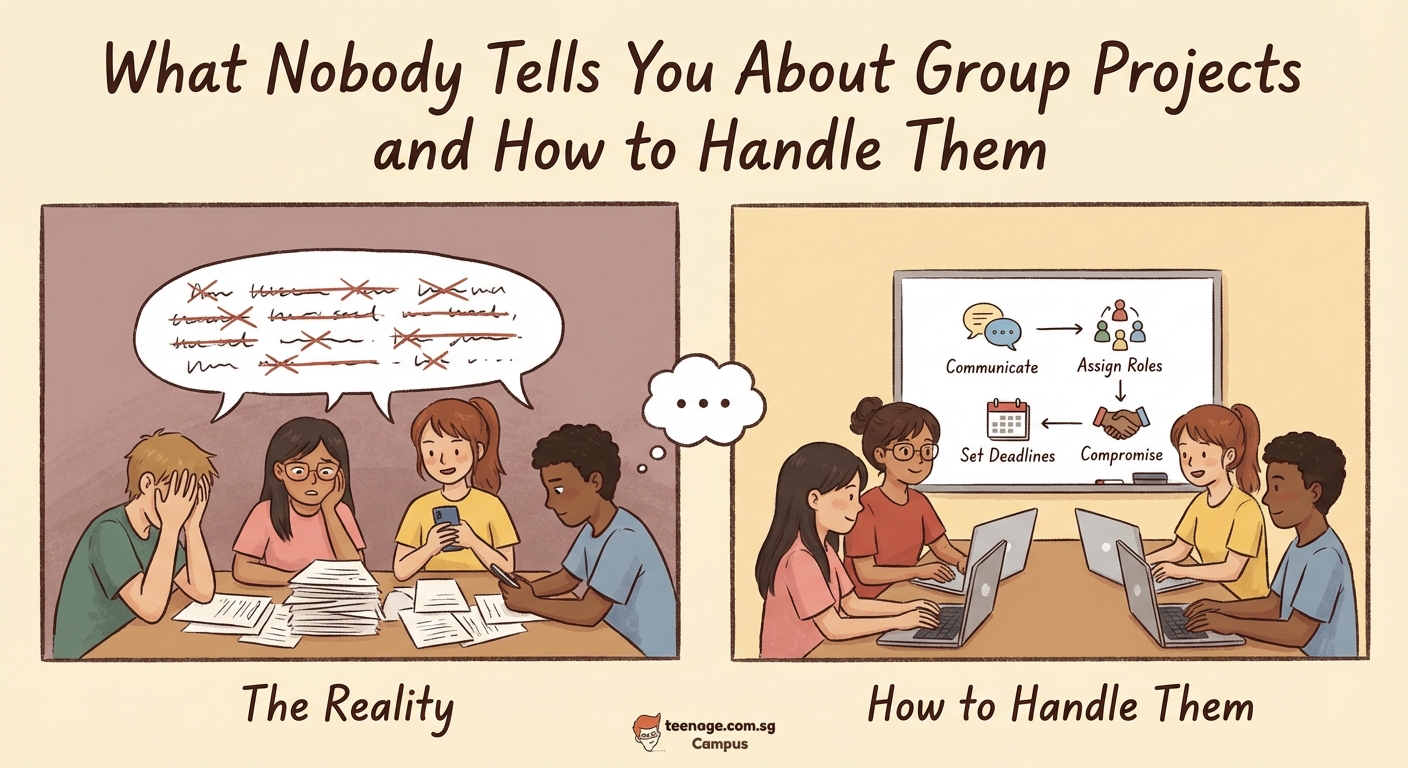
Start with a real meeting, not just a text thread. Video call if you can’t meet in person. This first conversation matters more than any other.
Here’s your agenda:
-
Exchange real contact info. Get phone numbers, preferred messaging apps, and email addresses. Find out everyone’s backup contact method.
-
Map out schedules. Share when people have classes, work, sports, or other commitments. Find overlapping free time for meetings.
-
Discuss work styles. Some people need structure and deadlines. Others work better with flexibility. Talk about it now, not when you’re already frustrated.
-
Set communication rules. Decide response time expectations. Will you use WhatsApp, Telegram, or email? How often should everyone check in?
-
Create a shared workspace. Google Docs, Notion, or whatever works for your team. Put everything in one place so nobody can claim they didn’t see something.
One person should volunteer to coordinate (not do everything, just organize). This person sends reminders, schedules meetings, and keeps the shared documents updated. Rotate this role if the project spans several weeks so nobody burns out.
“The teams that succeed are the ones who treat the first meeting like a contract negotiation. Get everything in writing, even if it feels awkward. Your future self will thank you.” (Common advice from teaching assistants who’ve seen hundreds of group projects crash and burn)
Dividing work without starting World War III
Equal doesn’t always mean identical. Some tasks take more time but less skill. Others require specific knowledge or software access.
Break your project into actual tasks, not vague responsibilities. Instead of “research the topic,” list specific questions each person will answer. Instead of “make the presentation,” assign who creates slides, who designs graphics, and who writes the script.
| Task type | How to assign it | Red flags |
|---|---|---|
| Research | By subtopic or question | Someone picks the easiest section |
| Writing | By section with word counts | Wildly different writing quality |
| Design work | To people with software access | One person redoing everyone’s work |
| Presentation | Divide slides equally | Someone memorizing nothing |
| Editing | Rotate or assign to detail-oriented person | Skipping this step entirely |
Put deadlines for individual tasks, not just the final due date. If the project is due Friday, set internal deadlines for Wednesday. This gives you buffer time to fix problems or cover for someone who flakes.
Document who’s doing what. Send a message summarizing the assignments after every meeting. This prevents the “I thought you were doing that” disaster on the night before your presentation.
Handling the teammate who disappears
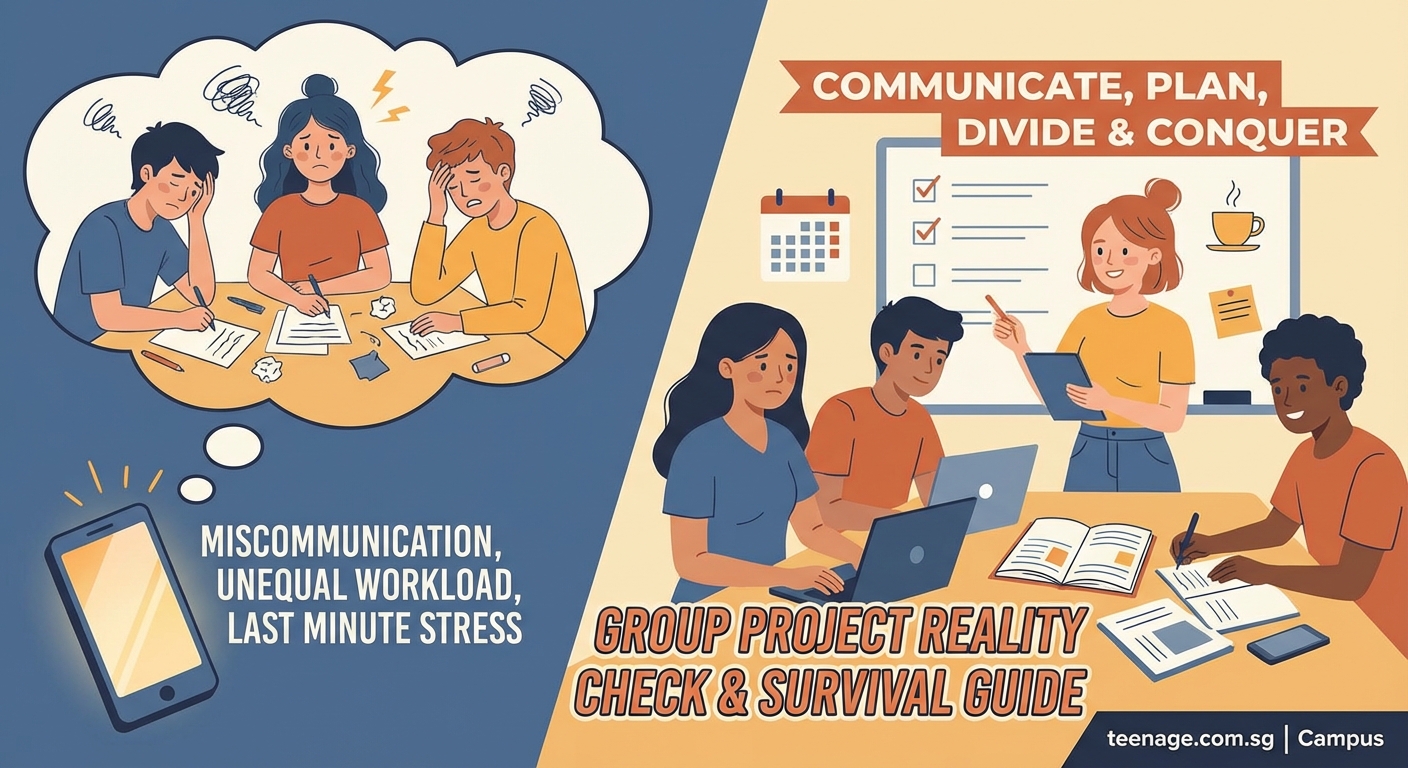
They seemed fine at the first meeting. Then radio silence.
Don’t wait until the last week to address this. Send a direct message after 24 hours of no response. Keep it neutral: “Hey, just checking in about your section. Do you need any help or have questions?”
Still nothing after another day? Message again with a deadline: “We need your part by Thursday so we can put everything together. Let us know if that works or if we should reassign tasks.”
If they continue ghosting, document everything. Screenshot the group chat showing your attempts to contact them. Save emails. This protects you if they later claim they were never told what to do.
Loop in your instructor before the deadline, not after. Most teachers appreciate the heads up and can intervene or adjust grading. Email them with:
- A summary of the situation
- Evidence of your communication attempts
- Your plan to complete the project anyway
- A request for guidance on how to proceed
Some instructors use peer evaluations where you rate each teammate’s contribution. Be honest on these. That’s literally what they’re for. Managing stress during crunch time becomes easier when you know you’ve covered your bases, similar to managing exam stress without burning out.
Communication tools that actually help
Your group chat shouldn’t be a chaotic mess of memes, off-topic conversations, and buried important information.
Use different channels for different purposes:
- Casual chat: WhatsApp, Telegram, Discord for quick questions and coordination
- File sharing: Google Drive, Dropbox for all project materials
- Task tracking: Trello, Asana, or even a shared Google Sheet for who’s doing what
- Meeting notes: A running Google Doc where someone records decisions from each meeting
Pin important messages in your chat app. Most platforms let you bookmark or highlight key information so it doesn’t get lost in conversation.
Schedule regular check-ins, even if they’re just 10 minutes. A weekly video call prevents small problems from becoming big ones. You can keep people accountable without being annoying about it.
Record video meetings if everyone agrees. This helps people who missed the call catch up and prevents disputes about what was decided.
When someone’s work isn’t good enough
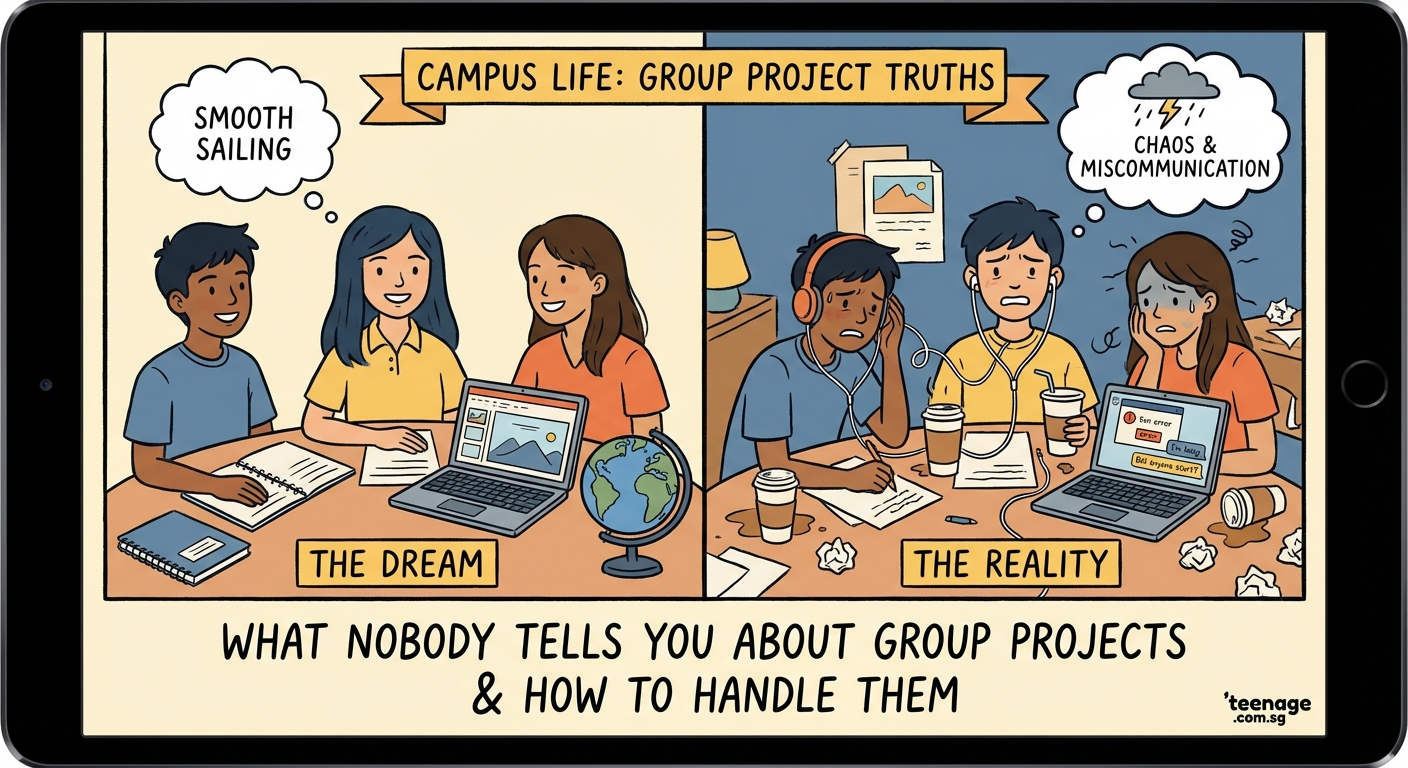
This gets awkward fast. Someone submitted their section and it’s… not great. Maybe it’s off-topic, poorly written, or clearly done in five minutes.
You have two options: fix it yourself or ask them to redo it.
Fixing it yourself is faster but creates resentment. You end up doing extra work while they skate by. Do this only if you’re truly out of time.
Asking for a redo works better but requires tact. Frame it as helping the whole team: “Your section needs some more detail to match the rubric. Can you add examples for points two and three? I can send you some sources that might help.”
Offer specific feedback, not vague criticism. “This needs work” helps nobody. “The introduction should explain the main argument, and each paragraph needs a source citation” gives them a clear path forward.
Set a deadline for the revision. “Can you update this by tomorrow night?” People respond better to concrete timeframes.
If they refuse or the revision is still weak, document the situation and involve your instructor. You tried. That matters.
Dealing with the person who wants to control everything
Some people can’t handle collaborative work. They want final say on every decision, redo everyone’s contributions, or ignore input from the team.
This person often means well. They’re anxious about their grade and trust themselves more than strangers. But their behavior makes everyone else check out.
Have a direct conversation early. “I noticed you’ve been changing a lot of what we agreed on. Can we talk about how we make decisions as a team?”
Suggest a review process where everyone gets to weigh in before finalizing anything. This satisfies their need for quality control while respecting everyone’s contributions.
If they won’t budge, split the project more clearly. Give them sections to own completely while other people own theirs. Less collaboration, but also less conflict.
Some control freaks just need to be the coordinator. Let them organize meetings and track deadlines. This gives them a leadership role without letting them micromanage everyone’s work.
Making meetings actually productive
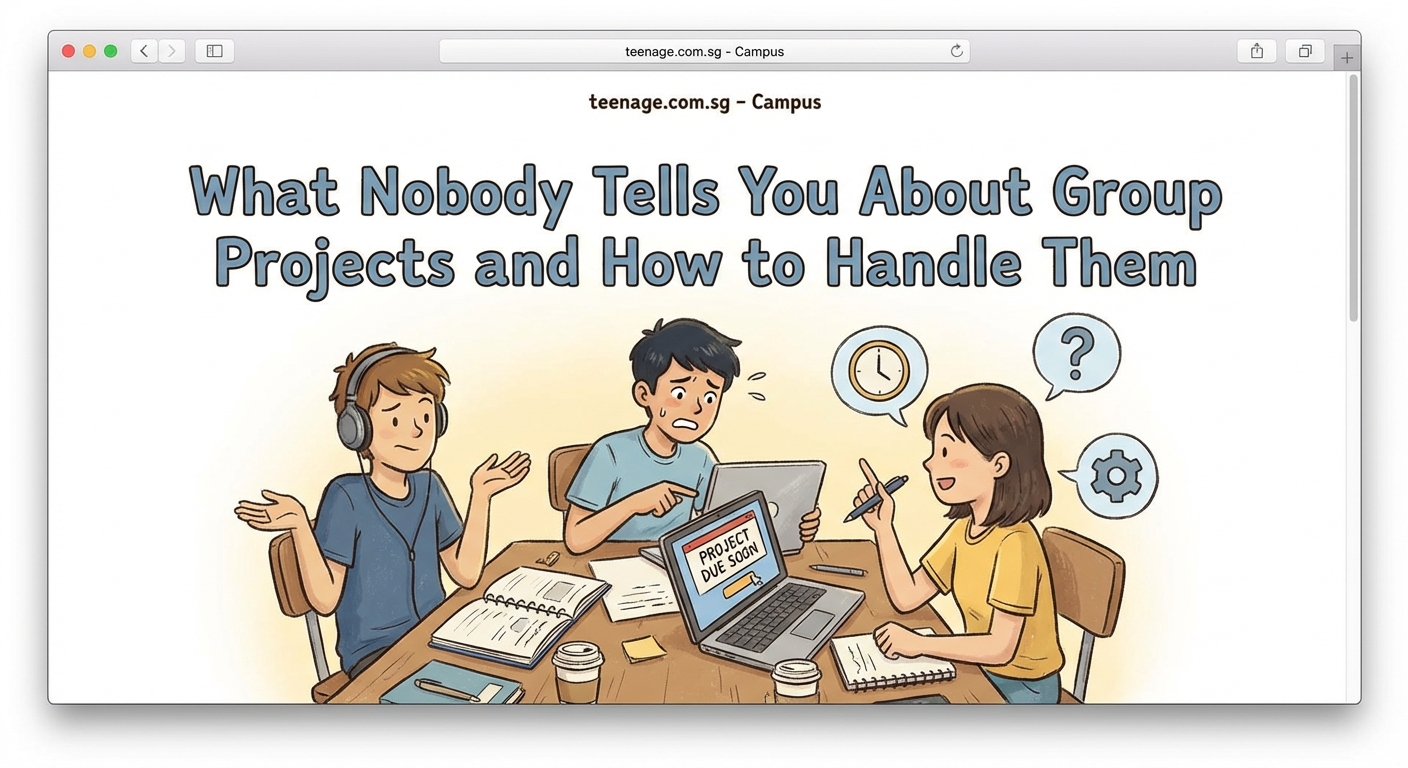
Bad meetings waste everyone’s time and accomplish nothing. Good meetings move the project forward and keep everyone aligned.
Before every meeting:
- Send an agenda with specific topics to cover
- List any materials people should review beforehand
- State the meeting’s goal (make decisions, review progress, divide new tasks)
During the meeting:
- Start on time, even if someone’s late
- Have one person take notes in the shared document
- Make decisions and assign tasks with deadlines
- End with a summary of what everyone’s doing next
After the meeting:
- Post the notes in your group chat
- Send a message listing each person’s assignments and deadlines
- Schedule the next meeting before everyone leaves
Keep meetings short. Thirty minutes is usually enough. If you need longer, take a break halfway through.
Meet somewhere comfortable but not too relaxed. Coffee shops work better than someone’s bedroom. Library study rooms are perfect. For online meetings, everyone should have their camera on so it feels more accountable. Finding the right balance between productivity and sanity matters, much like balancing school, social life, and self-care.
Red flags that mean you need backup plans
Some warning signs tell you this project is heading for disaster:
- Someone misses two meetings in a row without explanation
- People ignore the group chat for days at a time
- Nobody volunteers for any task without being directly asked
- Deadlines pass with no communication about delays
- One person is doing 80% of the work by week two
- Team members openly argue or stop responding to each other
When you spot these, start your backup plan:
- Document everything. Save all communication and note who did what.
- Divide the remaining work clearly. Make sure you can complete your portion independently.
- Prepare to present alone if needed. Know the whole project well enough to carry the presentation.
- Alert your instructor. Give them a heads up about the situation.
Having a backup plan reduces stress. You know you can finish the project even if half your team disappears.
The night before is not the time to start
Procrastination kills group projects more than anything else. When you wait until the last minute, there’s no time to fix problems, coordinate schedules, or handle emergencies.
Start the actual work within 48 hours of getting the assignment. Even if it’s just creating the shared document and dividing preliminary tasks.
Set your internal deadline at least three days before the real one. This buffer saves you when:
- Someone gets sick
- Technology fails
- The work takes longer than expected
- You need to redo something that doesn’t work
The team that finishes early can review everything with fresh eyes, practice the presentation multiple times, and fix formatting issues. The team that finishes at 2 AM on the due date turns in whatever they managed to throw together.
Build in review time where everyone reads the entire project, not just their section. Inconsistent formatting, contradictory information, and missing transitions become obvious when you read straight through.
What to do when you’re the problem teammate
Sometimes you’re the one dropping the ball. Life happens. You get sick, family emergencies come up, or you just completely misjudged how much time something would take.
Be honest immediately. Don’t ghost your team and hope they won’t notice. Send a message explaining the situation and asking for help or an extension on your part.
“Hey everyone, I’m really sorry but I’m behind on my section. I had family stuff come up this week. Can I get until Saturday instead of Thursday? Or if that doesn’t work, can someone help me finish this part?”
Most people understand occasional problems if you communicate. What they can’t forgive is silence followed by excuses.
If you know you’re going to be unavailable (vacation, competition, major exam week), tell your team during the first meeting. They can plan around it instead of being surprised later.
Offer to take on extra work at a different time if you need to scale back now. “I can’t meet this week, but I’ll handle all the formatting and final edits next week.”
Making peace with imperfect collaboration
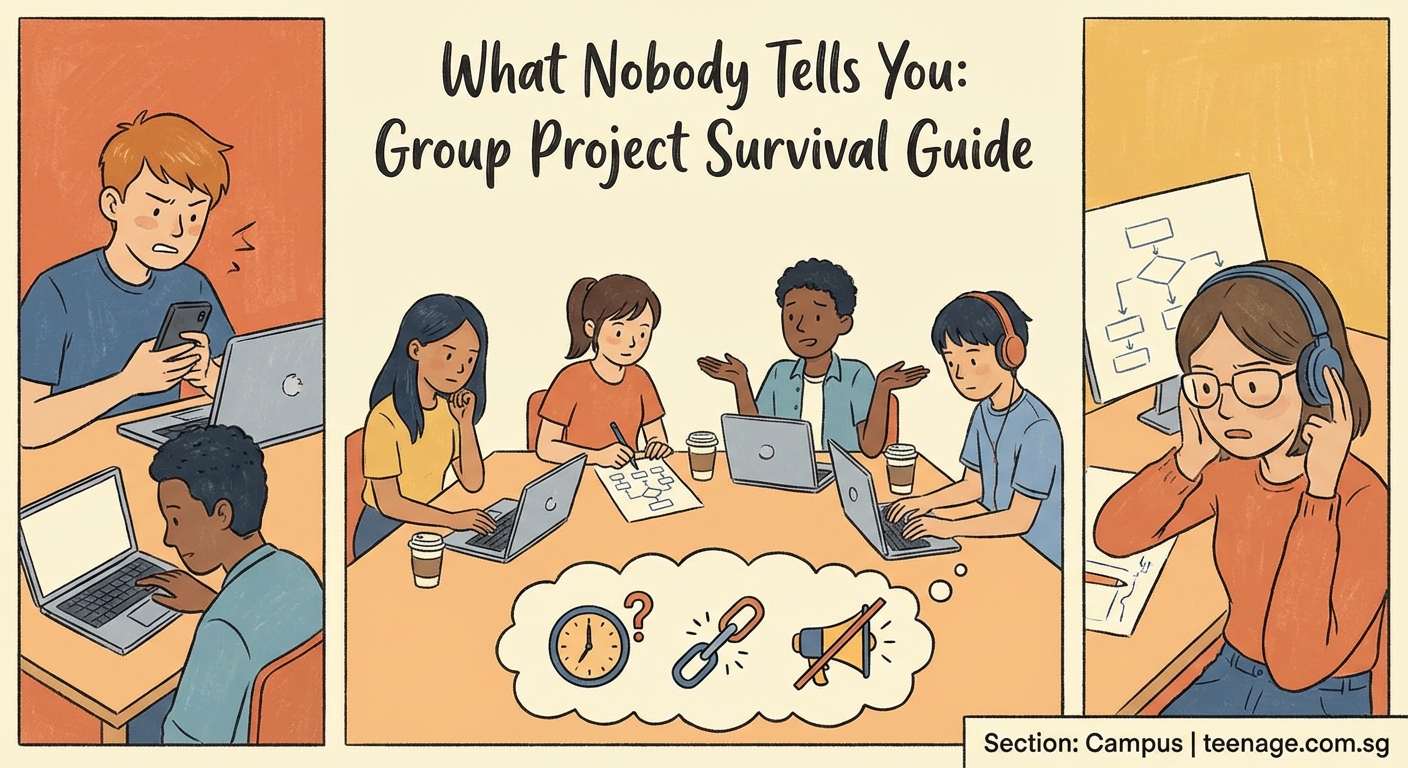
Here’s the truth: your group project probably won’t be as good as if you’d done it alone. Someone will contribute less than they should. Compromises will weaken your original vision. Coordinating schedules will waste time you could have spent working.
That’s okay.
The point isn’t to create a masterpiece. It’s to practice working with different people, managing conflicts, and producing something decent under imperfect conditions.
These skills matter more than you think. Every job involves collaborating with people you didn’t choose. Learning life skills they don’t teach in school now saves you from bigger frustrations later.
Focus on what you can control: your communication, your contributions, your attitude. Let go of what you can’t: other people’s work ethic, their schedules, their standards.
Do your part well. Document your efforts. Help your team succeed. That’s all anyone can ask.
Your group project survival checklist
Here’s everything in one place:
Week one:
– Hold a real planning meeting
– Exchange contact info and schedules
– Divide tasks with specific deadlines
– Create shared workspace and communication channels
– Assign a coordinator
Throughout the project:
– Check in regularly (at least twice a week)
– Respond to messages within 24 hours
– Complete your tasks by internal deadlines
– Ask for help if you’re stuck
– Review others’ work constructively
If problems arise:
– Address issues immediately, not later
– Document all communication
– Try direct conversation first
– Involve instructor if needed
– Have backup plans ready
Final week:
– Review complete project together
– Practice presentation multiple times
– Check formatting and requirements
– Submit early if possible
– Complete peer evaluations honestly
Making it work despite everything
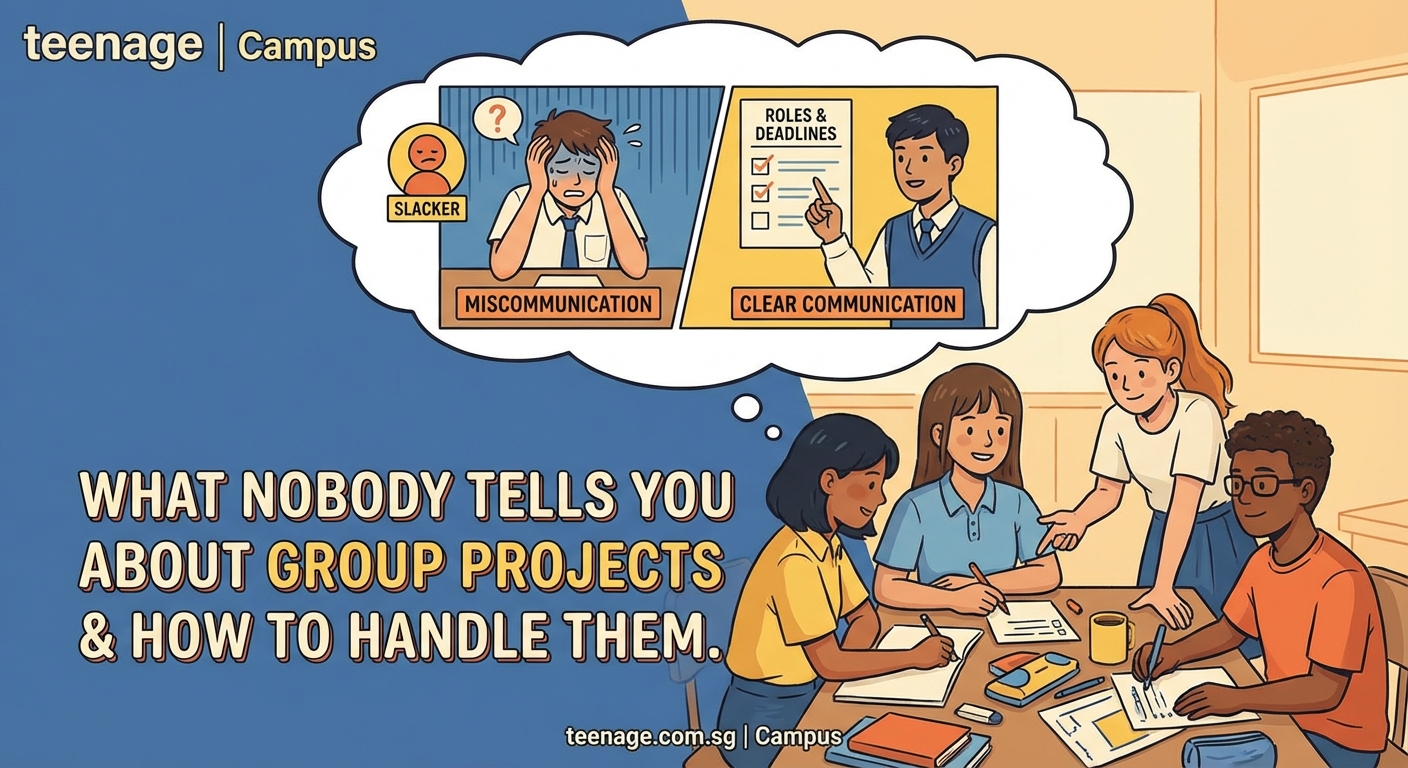
Group projects test your patience more than your knowledge. The content is usually straightforward. The people management is hard.
You’ll have teammates who exceed expectations and others who disappoint you. You’ll learn who communicates well and who makes excuses. You’ll discover your own working style and what you need from collaborators.
These experiences shape how you approach teamwork in the future. The frustrating projects teach you what not to do. The successful ones show you what actually works.
Start strong with clear expectations. Communicate often and honestly. Address problems early. Document everything. Have backup plans. These strategies won’t guarantee a perfect project, but they’ll help you survive with your grade and sanity intact.
Your group project might not be fun, but it doesn’t have to be a disaster either. Take charge of what you can control, stay flexible about the rest, and remember that this assignment will eventually end.














Post Comment