What Your Daily Screen Time Says About Your Mental Health

You check your phone 96 times a day. That’s once every 10 minutes during waking hours. And if you’re a parent watching your teen scroll through TikTok at 2 AM, you’re probably wondering what all those glowing screens are doing to their brain. The relationship between screen time and mental health isn’t as simple as “phones bad, nature good.” It’s way more complicated than that.
Screen time affects mental health differently based on content type, timing, and individual factors. Passive scrolling and late night use correlate with anxiety and depression, while active social connection and creative content can support wellbeing. The key isn’t eliminating screens but understanding how different digital habits impact mood, sleep quality, and emotional regulation across age groups.
What the Research Actually Shows About Screens and Your Brain
Scientists have been studying this connection for years. The results aren’t black and white.
A 2019 study tracking 40,000 children found that those spending more than two hours daily on screens showed lower language and thinking skills. But here’s the twist. Kids using screens for homework or creative projects didn’t show the same effects.
The type of screen time matters more than the total hours.
Passive consumption (scrolling feeds, watching videos) activates different brain regions than active use (creating content, video calling friends, learning new skills). Your brain responds to these activities like they’re completely different experiences.
Research from the University of Pennsylvania found that limiting social media to 30 minutes per day significantly reduced loneliness and depression. But cutting it out completely? That didn’t make people happier.
The sweet spot exists somewhere in the middle.
How Different Types of Screen Time Affect Your Mood
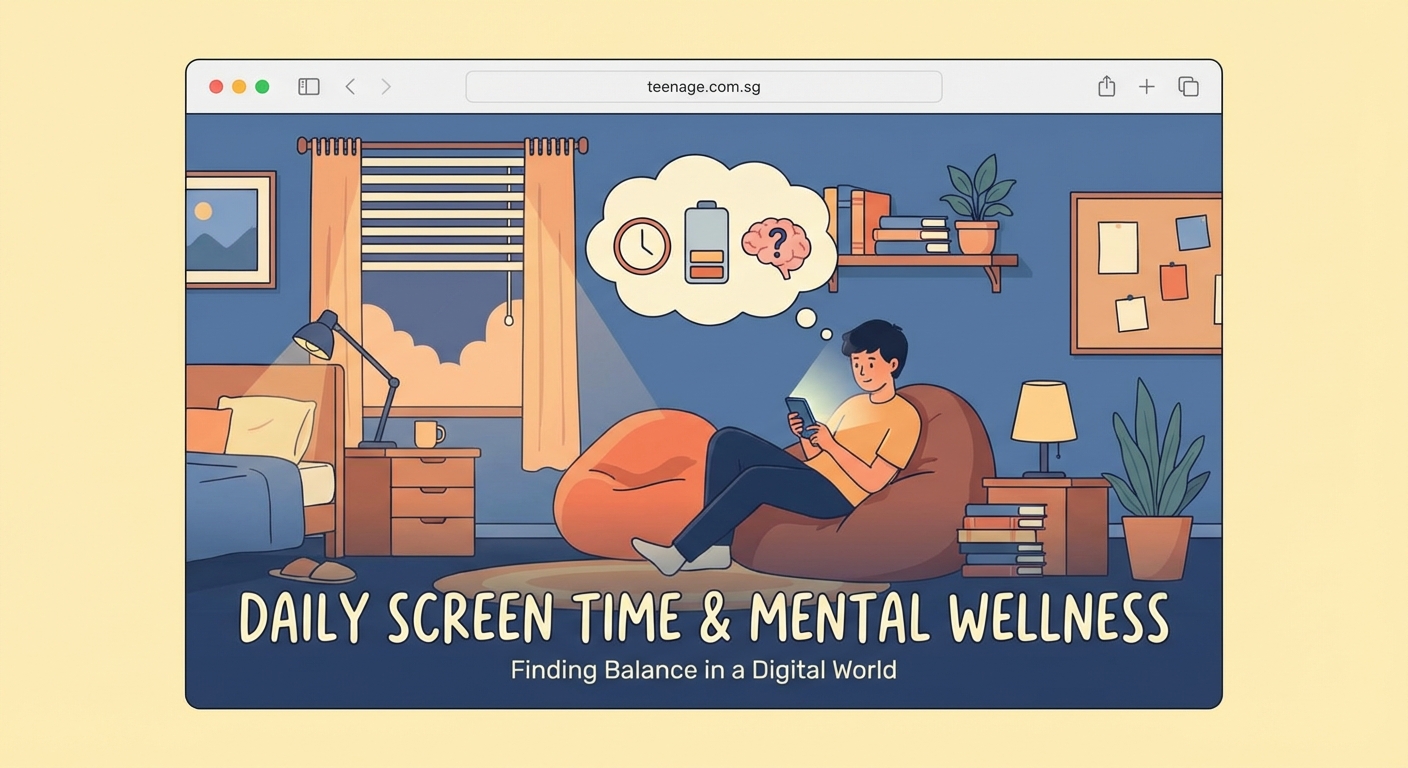
Not all screen time hits your mental health the same way. Here’s what actually happens:
- Social media scrolling triggers constant comparison and FOMO, especially when viewing curated highlight reels
- Gaming can reduce stress through achievement systems but may increase anxiety when competitive or addictive
- Video calls with friends and family strengthen social bonds and reduce isolation
- Educational content engages problem solving areas and can boost confidence
- Binge watching provides temporary escape but often leads to guilt and disrupted sleep schedules
- Creative work (editing photos, making videos, digital art) activates reward centers and builds skills
Your emotional state before picking up your phone matters too. Reaching for Instagram when you’re already feeling down often makes things worse. Using it to share something you’re proud of? That tends to feel better.
The Sleep Connection Nobody Talks About Enough
Blue light gets blamed for everything. But the real sleep destroyer isn’t just the light from your screen.
It’s what you’re doing on that screen at 11 PM.
Checking work emails triggers stress hormones. Watching intense shows amps up your heart rate. Scrolling through news feeds floods your brain with cortisol. Your body thinks it needs to stay alert and ready.
Then you wonder why you can’t fall asleep.
Research published in the Journal of Clinical Sleep Medicine found that people who used screens within an hour of bedtime took longer to fall asleep and reported poorer sleep quality. Their REM cycles got disrupted. They woke up feeling less refreshed.
The fix isn’t complicated. Set a screen curfew 60 to 90 minutes before bed. If you absolutely need your phone nearby, switch to night mode and stick to calming content. Reading articles works better than watching videos. Listening to music beats scrolling feeds.
Your brain needs time to wind down. Screens keep it wound up. If you struggle with sleep issues, learning why you’re always tired can help identify patterns beyond just screen use.
Signs Your Screen Habits Are Affecting Your Mental Health
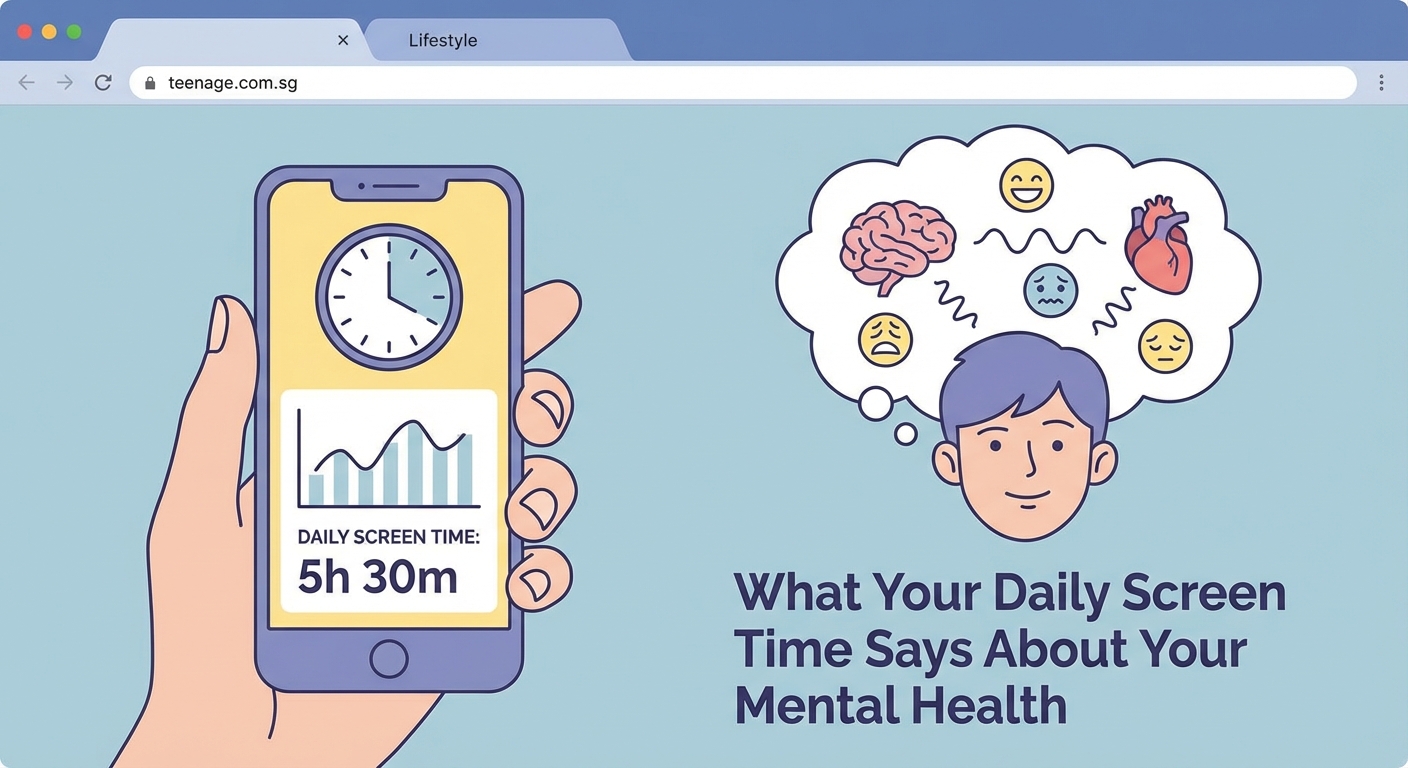
Sometimes the connection between your mood and your phone isn’t obvious. Watch for these patterns:
- You feel worse after using social media but keep going back anyway
- Your sleep schedule has shifted later and you’re tired during the day
- You get anxious when you can’t check your phone for even short periods
- Real life social interactions feel harder than they used to
- You’re comparing yourself to others more frequently
- Your attention span has shortened and you struggle to focus on tasks
- You’re experiencing more headaches or eye strain throughout the day
- You feel guilty about time spent on devices but can’t seem to cut back
These symptoms don’t mean you’re addicted or broken. They mean your current digital habits aren’t serving you well.
The good news? Small changes make a real difference.
What Parents Need to Know About Kids and Screens
Teenagers aren’t just smaller adults with phones. Their brains are still developing. The prefrontal cortex, which handles impulse control and decision making, doesn’t fully mature until the mid twenties.
This matters because social media platforms are designed by adults to be addictive. Teens are facing those dopamine manipulation tactics with less developed self regulation skills.
A 2018 study in Preventive Medicine Reports found that teens spending five or more hours daily on electronic devices were 71% more likely to show suicide risk factors compared to those spending less than an hour.
But context matters here too.
Teens using screens to maintain friendships, especially during moves or school changes, showed better mental health outcomes than isolated teens with minimal screen time. Digital connection beats no connection.
“The question isn’t whether screens are good or bad. It’s whether the time spent on screens is replacing other activities that support wellbeing, like sleep, exercise, face to face interaction, and outdoor time.” – Dr. Jean Twenge, Psychology Professor
For families trying to balance school, social life, and self care, setting boundaries around screens helps create space for other important activities.
Breaking Down Screen Time by Activity Type
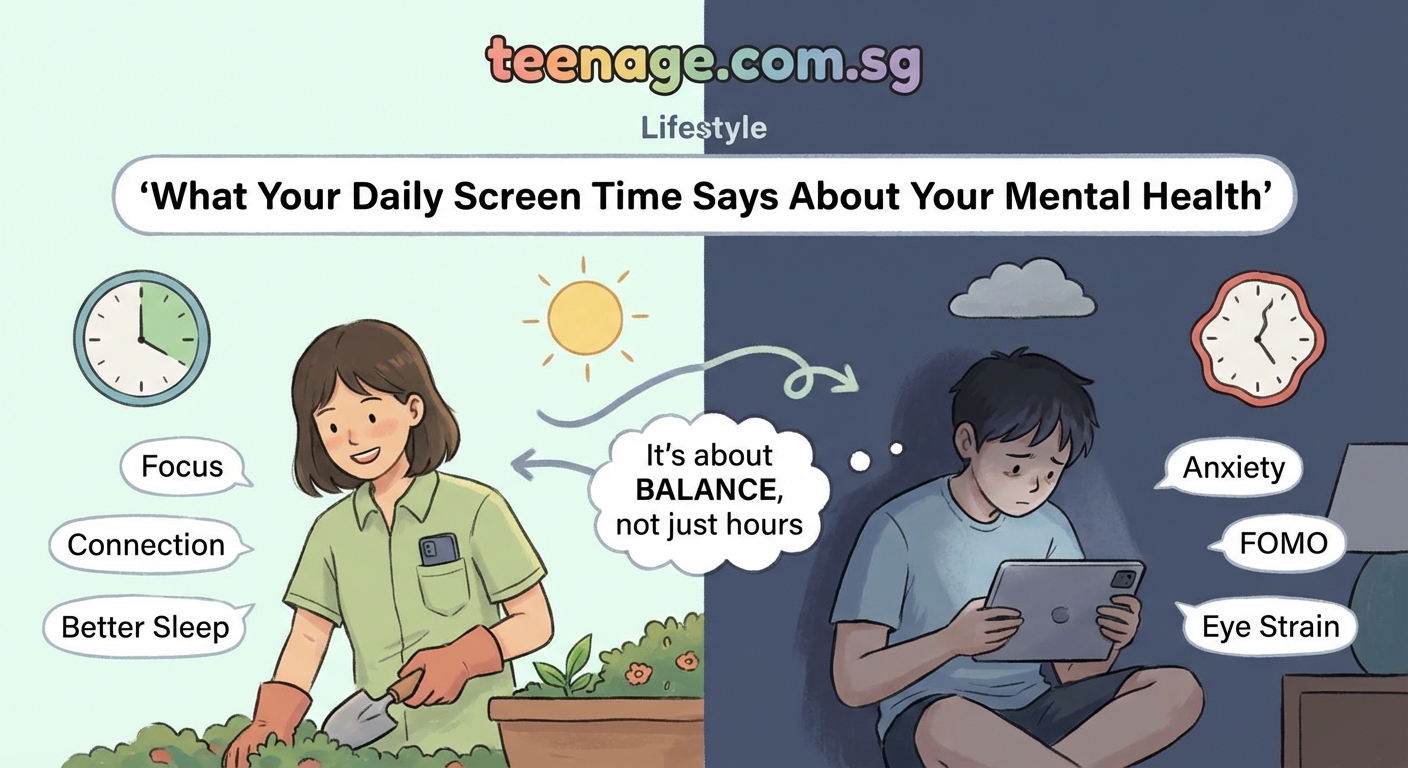
Different activities carry different mental health impacts. This table breaks down common screen uses and their typical effects:
| Activity Type | Mental Health Impact | Recommended Limits |
|---|---|---|
| Passive social scrolling | Increases comparison, anxiety, FOMO | 30 minutes daily |
| Active social engagement | Maintains connections, reduces isolation | 60 minutes daily |
| Educational content | Builds skills, boosts confidence | 2-3 hours daily |
| Creative projects | Enhances mood, provides accomplishment | Unlimited with breaks |
| Gaming (casual) | Stress relief, achievement satisfaction | 1-2 hours daily |
| Gaming (competitive) | Can increase stress and aggression | 1 hour daily |
| Video streaming | Temporary escape, may disrupt sleep | 2 hours daily |
| News consumption | Increases anxiety and stress | 20 minutes daily |
These aren’t hard rules. They’re starting points for noticing patterns in your own life.
Common Mistakes People Make When Trying to Reduce Screen Time
Cutting back on screens sounds simple. But most people approach it wrong.
Mistake 1: Going cold turkey
Deleting all social apps at once usually backfires. You feel disconnected and eventually reinstall everything. Start with one app or one time block.
Mistake 2: Not replacing screen time with anything else
Removing screens creates a void. If you don’t fill it with other activities, you’ll drift back to your phone out of boredom.
Mistake 3: Focusing only on total time
Five hours creating music on your laptop affects you differently than five hours scrolling Twitter. Track what you’re doing, not just how long.
Mistake 4: Making it a punishment
“No screens” shouldn’t feel like being grounded. Frame it as choosing activities that make you feel better.
Mistake 5: Ignoring the social aspect
If all your friends communicate through Snapchat, deleting it might hurt your mental health more than help it. Find balance instead of elimination.
Mistake 6: Not addressing underlying issues
Sometimes excessive screen use is a symptom, not the cause. Anxiety, depression, and loneliness drive people to their phones for comfort.
Building Healthier Screen Habits That Actually Stick
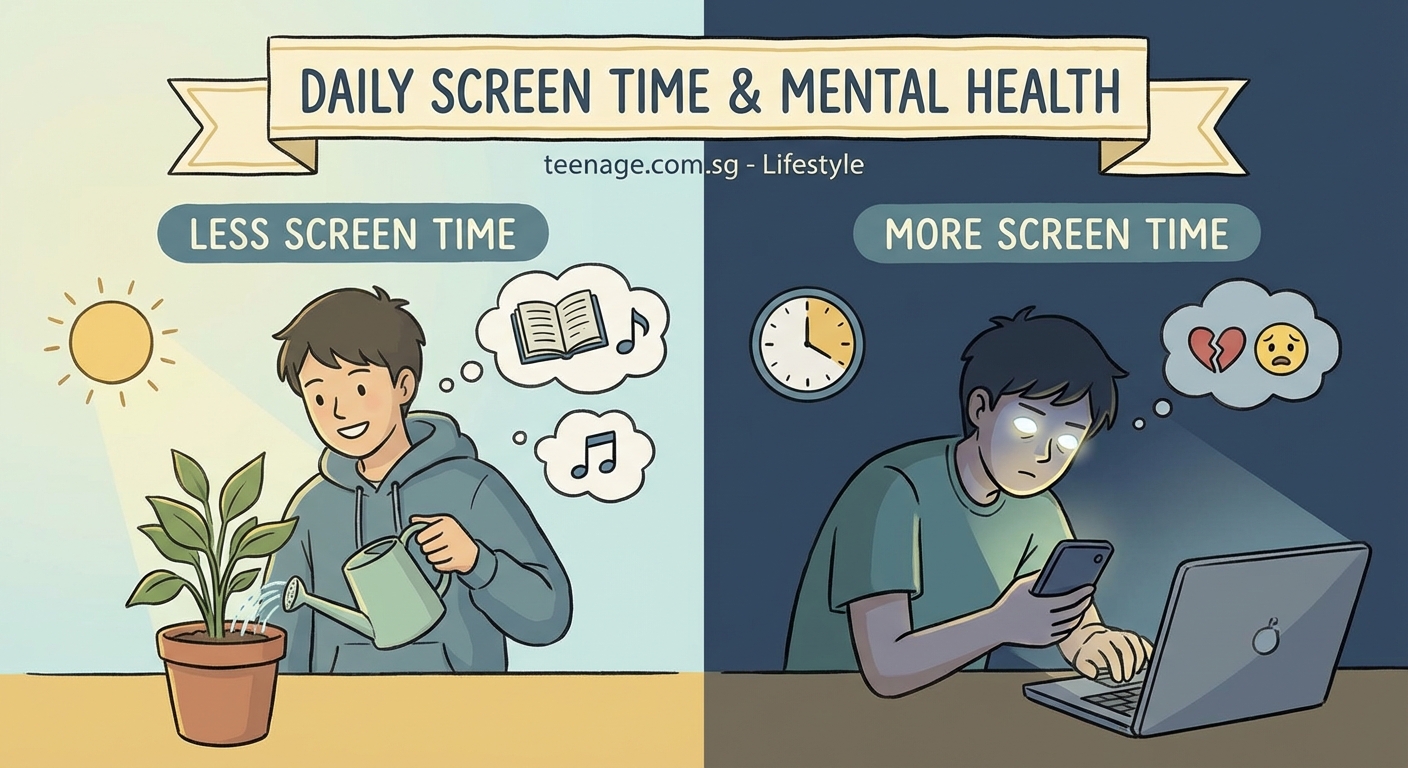
Theory is nice. But you need practical steps you can actually follow.
Start with awareness. Use your phone’s built in screen time tracker for one week. Don’t change anything yet. Just observe. When do you reach for your phone? What triggers it? How do you feel after?
Next, identify your problem zones. For most people, it’s:
* First thing in the morning
* During meals
* Right before bed
* When feeling bored or anxious
Pick one zone to address first. Not all of them. One.
Create friction for mindless use. Move social apps off your home screen. Turn off all non essential notifications. Set your phone to grayscale mode. These small barriers give your brain a chance to ask “do I actually want to do this?”
Replace the habit with something specific. Instead of scrolling before bed, read a physical book. Instead of checking your phone during breakfast, listen to music or talk to family members.
Build in screen free activities you actually enjoy. This isn’t about forcing yourself to meditate if you hate meditation. Find what works for you. Maybe it’s cooking, drawing, walking, playing with pets, or working out. Activities like simple morning habits that boost mental health can help establish routines that don’t revolve around devices.
Use technology to manage technology. Apps like Forest, Freedom, or built in focus modes can block distracting sites during work or study time. Set them up during a motivated moment so they protect you during weak moments.
Schedule specific times for social media. Checking Instagram three times a day for 15 minutes each feels better than constant background scrolling. You’re in control instead of being pulled around by notifications.
Create phone free zones in your home. Bedrooms, dinner tables, and bathrooms are good candidates. Physical boundaries help establish mental boundaries.
When Screen Time Becomes a Deeper Issue
Sometimes reducing screen time isn’t enough because the screens aren’t the real problem.
If you’re using devices to avoid difficult emotions, numb pain, or escape from problems, that’s worth examining. Phones become a coping mechanism. Taking them away without addressing what you’re coping with just leaves you feeling worse.
Signs that screen use might be masking bigger mental health concerns:
- You feel panicked or extremely anxious without your phone
- Your relationships are suffering but you can’t stop using devices
- You’re missing work, school, or important commitments due to screen use
- You’ve tried to cut back multiple times and can’t
- You’re using screens to avoid dealing with trauma, grief, or major life changes
These situations benefit from professional support. Therapists who specialize in technology use and mental health can help untangle the underlying issues.
There’s no shame in getting help. Your phone didn’t create anxiety or depression. But it might be making existing conditions worse.
The Positive Side of Digital Connection
This whole article might sound like screens are the enemy. They’re not.
Video calls kept families connected during lockdowns. Online communities provide support for people dealing with rare health conditions. Educational content makes learning accessible to anyone with internet. Creative platforms give people outlets for expression they might not have otherwise.
For teens who are LGBTQ+, neurodivergent, or dealing with mental health challenges, online communities often provide acceptance and understanding they can’t find locally. That digital connection literally saves lives.
The goal isn’t to demonize technology. It’s to use it intentionally instead of letting it use you.
Ask yourself: Is this screen time adding value to my life? Am I connecting with people I care about? Learning something useful? Creating something I’m proud of? Or am I just filling time and feeling worse afterward?
That question makes all the difference.
Screen Time Recommendations by Age Group
Different life stages need different approaches to screen time and mental health:
Young children (2-5 years)
Limit to one hour of high quality programming daily. Co-viewing helps kids process what they see. Prioritize interactive content over passive watching. Physical play and face to face interaction matter most at this age.
School age kids (6-12 years)
Balance is key. Screens for homework and creative projects are fine. Social media can wait. Focus on teaching healthy habits early. Create consistent rules about when and where devices are used.
Teenagers (13-17 years)
Complete restriction usually backfires. Collaborate on boundaries instead of imposing them. Help teens recognize how different apps affect their mood. Encourage screen free activities they actually enjoy. Keep bedrooms phone free at night.
Young adults (18-25 years)
Building self regulation skills matters more than external rules. Track patterns between screen use and mood. Be honest about whether digital habits support or undermine goals. College life makes finding study hacks that work for procrastinators essential, especially when screens constantly compete for attention.
Adults (25-45 years)
Model the behavior you want to see in your kids. Set boundaries around work emails and notifications. Protect sleep by limiting evening screen use. Make conscious choices about social media engagement.
Older adults (45+)
Screens can reduce isolation and keep minds active. Video calls with family, brain training apps, and online hobbies provide benefits. Balance with physical activity and in person social connection when possible.
Making Changes That Last Beyond Next Week
You’ve read this whole article. You’re motivated to change. But motivation fades fast.
Here’s how to make it stick:
Start small. Really small. Reducing screen time by 15 minutes feels easy. Cutting it in half feels impossible. Small wins build momentum.
Track your progress somewhere visible. A simple calendar where you mark successful days works. Seeing a streak builds motivation to keep going.
Find an accountability partner. Tell someone what you’re trying to do. Check in weekly. Knowing someone will ask about your progress helps you follow through.
Expect setbacks. You’ll have days where you fall back into old patterns. That’s normal. One bad day doesn’t erase progress. Just start again the next day.
Adjust as you learn. Maybe your first approach doesn’t work. That’s fine. Try something different. The goal is finding what actually works for your life, not following someone else’s perfect plan.
Celebrate improvements in how you feel, not just time metrics. Better sleep, improved mood, stronger relationships. These matter more than hitting an arbitrary screen time number.
Your Screens Don’t Control You
The relationship between screen time and mental health is real. But it’s not destiny.
You get to decide how technology fits into your life. Not the other way around. Those apps are designed to grab your attention. That’s their job. Your job is protecting your time, your sleep, and your peace of mind.
Start where you are. Pick one small change. Notice how it affects your mood, your sleep, your relationships. Build from there. You don’t need to become someone who never uses their phone. You just need to use it in ways that actually serve you.
Your mental health matters more than any notification. Remember that next time your phone buzzes.














Post Comment