Why Your Part-Time Job Is Actually Teaching You More Than School Ever Could

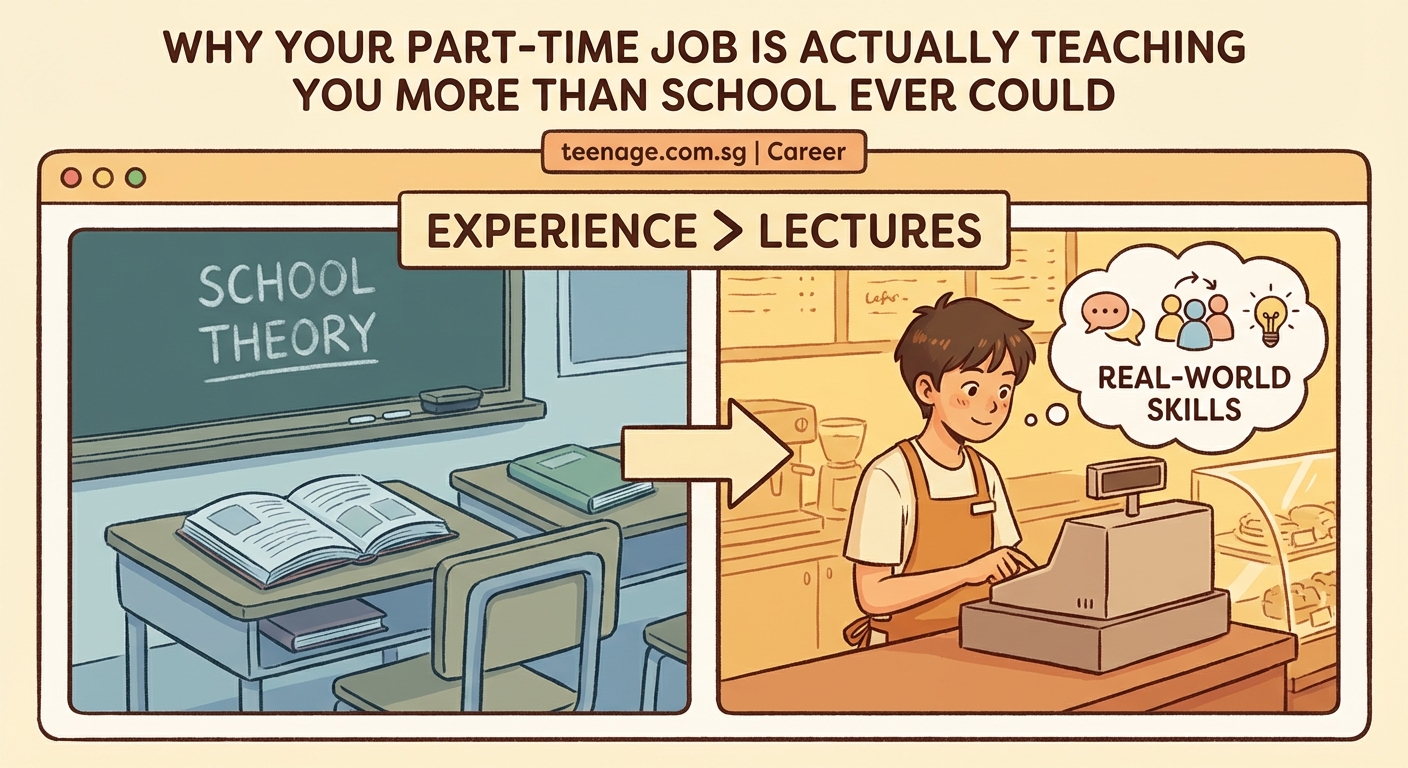
You clock in, serve coffee for four hours, then head home with sore feet and a paycheck that barely covers your weekend plans. It doesn’t feel like much. But that part time job you’re grinding through right now is teaching you things no classroom ever will.
Part time jobs teach essential life skills that school often overlooks. You’ll learn money management, time organization, communication under pressure, problem solving in real time, and how to handle difficult people. These experiences build resilience, professional habits, and confidence that directly translate to future careers and adult responsibilities, making your work experience far more valuable than it might feel in the moment.
Money management becomes real when it’s your money
Earning your own cash hits different than receiving allowance or birthday money. You suddenly understand the weight of every dollar because you traded hours of your life for it.
When you’re the one earning $12 an hour, spending $60 on a shirt means five hours of work. That math changes how you shop. You start comparing prices. You wait for sales. You ask yourself if you really need something before buying it.
This is what can you learn from a part time job at its most basic level. Financial literacy stops being abstract and becomes survival.
You also learn to budget without anyone forcing you. Rent, food, gas, fun money. These categories emerge naturally when your income is limited. You figure out how to make $400 stretch across two weeks because there’s no other option.
Some of the best lessons come from mistakes. You overspend one week and eat instant noodles the next. You forget to save for car insurance and scramble to cover it. These failures teach you faster than any personal finance class ever could.
The difference between knowing about money and managing money is the difference between reading a recipe and actually cooking dinner. Part time work forces you into the kitchen.
Time management stops being theoretical
Balancing school, work, social life, and sleep requires actual planning. Not the kind where you write things in a planner and ignore it. The kind where missing a shift means losing money and disappointing your manager.
You learn to prioritize ruthlessly. Study hacks that actually work for procrastinators become essential when you have three hours between work and an exam. You can’t waste time scrolling anymore.
Here’s how most students develop their time management system:
- Get the job and feel overwhelmed for two weeks.
- Miss something important because you didn’t plan properly.
- Create a system that actually works for your schedule.
- Adjust that system constantly as things change.
- Eventually run everything on autopilot without thinking about it.
The transition from step two to step three is painful. You might bomb a test or skip a friend’s birthday. But that pain creates change. You download calendar apps. You set alarms. You learn to say no to things that don’t fit.
Work schedules also teach you about commitment. You can’t skip a shift because you’re tired or would rather hang out. Someone is counting on you. That accountability builds discipline that carries into everything else.
Communication skills develop under real pressure
Talking to customers, coworkers, and managers teaches you how to communicate with all kinds of people. Not just your friends who already get you.
You learn to explain things clearly when a customer doesn’t understand. You practice staying calm when someone is angry about something that isn’t your fault. You figure out how to ask for what you need without sounding demanding.
These situations are uncomfortable at first. Your hands shake when you have to call in sick. You stumble over words when a customer asks a question you don’t know. But repetition builds confidence.
Different jobs teach different communication styles:
| Job Type | Communication Skills You Build |
|---|---|
| Retail | Persuasion, handling complaints, reading body language |
| Food service | Speed under pressure, teamwork communication, managing expectations |
| Tutoring | Explaining complex ideas simply, patience, adapting to different learning styles |
| Office work | Professional email writing, phone etiquette, workplace small talk |
| Childcare | Clear instruction giving, conflict resolution, communicating with parents |
You also learn the unwritten rules of workplace communication. When to text versus email. How to disagree respectfully. What tone to use with different people. These soft skills matter more in adult life than most hard skills.
Problem solving becomes a daily practice
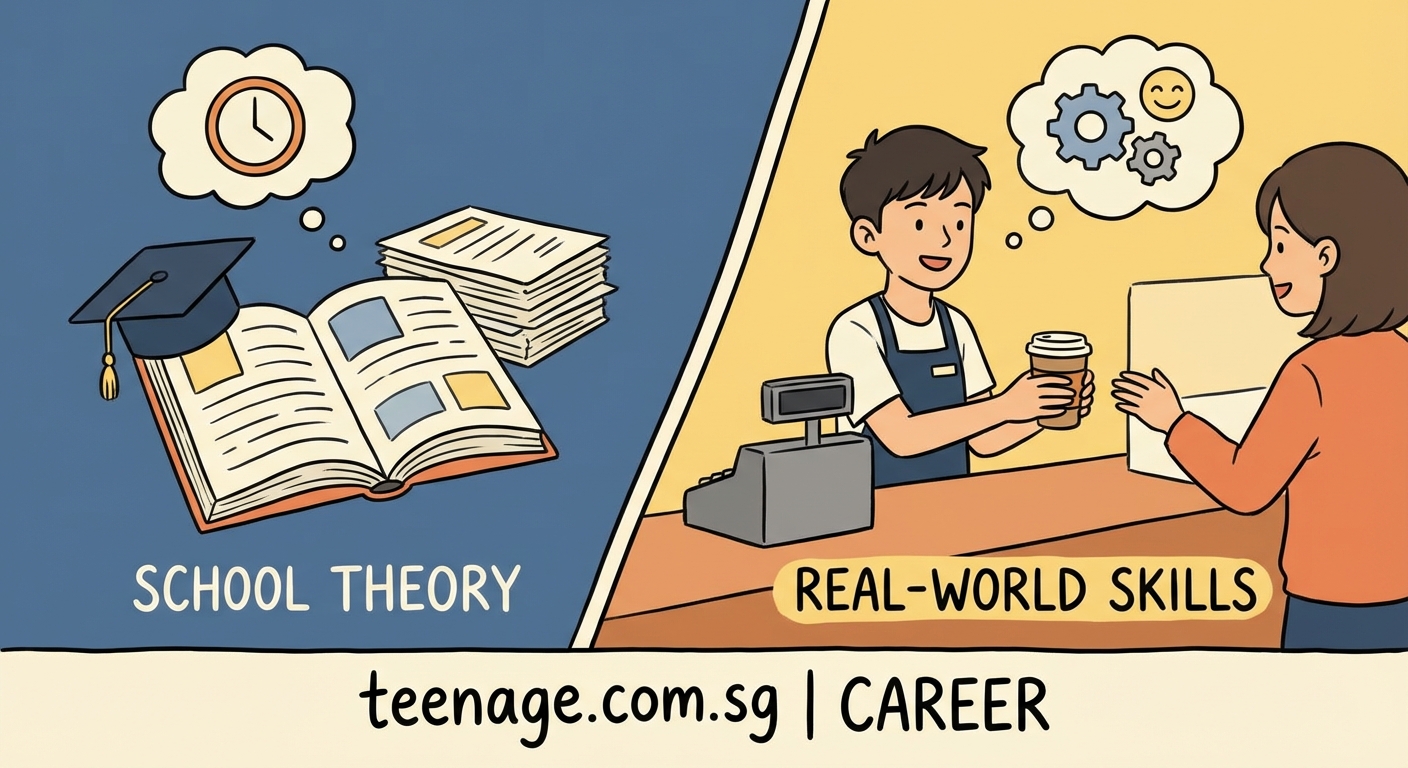
Things go wrong constantly at work. The register breaks. A coworker calls out. A customer wants something you don’t have. You can’t just raise your hand and wait for a teacher to fix it.
You learn to think on your feet. When the espresso machine stops working during morning rush, you don’t panic. You apologize to customers, offer alternatives, and call your manager. Then you keep serving while figuring out solutions.
This kind of adaptive thinking doesn’t come from textbooks. It comes from being thrown into situations where you have to figure it out right now.
You also learn that most problems have multiple solutions. There’s rarely one right answer. Maybe you can’t give a customer a refund, but you can offer store credit. Maybe you can’t take a day off, but you can swap shifts with someone.
The best problem solvers are people who’ve dealt with lots of small crises. Part time jobs give you those reps. By the time you’re in a real career, workplace problems feel manageable because you’ve been solving them for years.
Dealing with difficult people builds emotional resilience
Not everyone you work with will be pleasant. Some customers are rude. Some coworkers are lazy. Some managers micromanage everything. Learning to handle these personalities without losing your mind is a crucial life skill.
You can’t avoid difficult people by quitting every time. Bills need paying. So you develop coping strategies. You learn to let comments roll off. You practice staying professional when you want to snap back. You find ways to work with people you don’t particularly like.
This emotional regulation is what separates adults who thrive from adults who struggle. The ability to stay calm and productive even when someone is being unreasonable gives you power in every future situation.
Common difficult personalities you’ll encounter and what they teach you:
- The angry customer: Teaches you not to take things personally and how to de-escalate tension
- The lazy coworker: Shows you how to set boundaries and protect your own work quality
- The micromanager: Builds patience and attention to detail, even when it feels excessive
- The gossip: Helps you practice discretion and staying out of drama
- The competitor: Pushes you to improve while maintaining your own standards
These people are annoying in the moment. But they’re also training you for every difficult boss, client, and colleague you’ll face later. The coping skills you build now will serve you for decades.
Professional habits form before you realize it
Showing up on time becomes automatic. Dressing appropriately stops feeling like a chore. Checking your schedule becomes second nature. These small habits compound into professional competence.
You learn what reliability looks like. It means showing up even when you’re tired. It means finishing tasks even when they’re boring. It means communicating problems before they become emergencies.
Employers notice these things. When you apply for internships or real jobs later, having years of consistent work history signals that you’re dependable. References from managers who watched you show up and do good work matter more than grades sometimes.
You also learn workplace norms that school doesn’t teach. How to take feedback without getting defensive. When to ask questions versus figuring things out yourself. How to leave a job professionally if you need to move on.
Building confidence through competence
There’s something powerful about getting good at a job. The first week, everything feels overwhelming. Six months later, you’re training new people and handling situations that used to stress you out.
That progression builds real confidence. Not the fake kind that comes from participation trophies. The kind that comes from knowing you can handle things because you’ve done it before.
You start recognizing your own growth. You remember panicking during your first rush hour. Now you handle it smoothly while helping a confused coworker. That contrast shows you how much you’ve developed.
This confidence transfers to other areas. If you can handle an angry customer, you can handle a tough conversation with a professor. If you can work a double shift, you can push through a long study session. The mental toughness you build at work applies everywhere.
Understanding workplace dynamics and hierarchy
Every workplace has politics. Understanding how organizations function, who makes decisions, and how to navigate different personalities is crucial knowledge.
You learn that fair doesn’t always mean equal. Some people get better shifts because they’ve been there longer. Some tasks pay more because they’re harder or less desirable. These lessons about workplace hierarchy and compensation prepare you for career realities.
You also see how teams function. What makes a good manager versus a bad one. How one negative person can tank morale. Why communication matters more than individual talent sometimes.
Watching these dynamics play out gives you a framework for evaluating future jobs. You know what red flags to watch for. You understand what kind of workplace culture you thrive in. This awareness helps you make better career choices later.
The value of different perspectives
Working with people from different backgrounds, ages, and life situations expands your worldview. Your coworker might be a single parent working two jobs. Another might be retired and working for social connection. Someone else might be saving for college like you.
These relationships teach empathy. You stop making assumptions about why people work certain jobs. You understand that everyone has a story and struggles you can’t see.
You also learn from people who took different paths. The 30-year-old shift supervisor who never went to college but built a career anyway. The 50-year-old starting over after a divorce. The international student navigating a new country while working and studying.
These perspectives are invaluable. They show you that there’s no single right way to build a life. They expose you to possibilities you might not have considered. They remind you that your current situation isn’t permanent.
Practical skills that actually matter
Beyond the soft skills, you pick up practical abilities that make adult life easier. Depending on your job, you might learn:
- How to handle cash and make change without a calculator
- Basic customer service that helps in every interaction
- Food safety and cooking techniques
- Inventory management and organization systems
- Basic computer programs and point-of-sale systems
- How to clean efficiently and maintain spaces
- Event planning and coordination
- Sales techniques and persuasion
These aren’t resume skills necessarily. They’re life skills. Knowing how to organize a space efficiently helps when you’re upgrading your dorm room or moving into your first apartment. Understanding inventory helps you maintain a functional kitchen. Customer service skills improve every relationship.
The practical knowledge you gain often proves more immediately useful than academic learning. You’ll use your ability to manage money and communicate clearly every single day. Your calculus knowledge might sit unused for years.
What this means for your future
The skills you’re building right now compound over time. Every shift adds to your experience base. Every difficult situation expands your capability. Every paycheck teaches you something about value and effort.
When you eventually apply for internships or career jobs, you’ll have actual experience to discuss. Not theoretical knowledge from classes, but real examples of handling responsibility, solving problems, and working with others.
Employers care about this. They want people who show up, communicate well, and handle challenges without falling apart. Your part time job proves you can do all of that.
The confidence, skills, and work ethic you’re developing now will serve you for the rest of your life. Long after you’ve left that coffee shop or retail store, the lessons will remain. You’ll handle your first real job better because you already know how workplaces function. You’ll manage your money better because you learned the hard way what happens when you don’t.
Your real world education is happening right now
That job you sometimes resent is actually one of the most valuable learning experiences you’ll have. It’s teaching you life skills they don’t teach in school but that you absolutely need to thrive as an adult.
Every shift is practice. Every paycheck is a lesson. Every difficult customer or stressful rush is building your capacity to handle whatever comes next. The education you’re getting is practical, immediate, and directly applicable to your future.
So the next time you’re tired and wondering if your part time job is worth it, remember that you’re not just earning money. You’re building the foundation for everything that comes after. And that makes every hour you clock incredibly valuable.














Post Comment