Why You’re Always Tired (And It’s Not Just Late Night Scrolling)

You’re getting eight hours of sleep. You’re not binge-watching shows until 3 AM. Yet you still wake up feeling like you ran a marathon in your dreams.
Sound familiar?
Chronic fatigue affects millions of adults, and the culprit isn’t always obvious. While late-night scrolling gets all the blame, there are plenty of sneaky reasons why you might be dragging yourself through each day.
Persistent tiredness despite adequate sleep often stems from underlying health conditions, nutritional deficiencies, hormonal imbalances, or chronic stress. Identifying the root cause requires tracking symptoms, getting proper blood work, and addressing lifestyle factors beyond sleep duration. Medical evaluation becomes essential when fatigue interferes with daily functioning or persists beyond two weeks despite lifestyle improvements.
Your body might be fighting inflammation you can’t see
Inflammation doesn’t always show up as visible swelling or pain. Sometimes it operates silently in your body, draining your energy reserves while you wonder why coffee stopped working.
Chronic low-grade inflammation can result from various sources. Your diet plays a huge role. Foods high in refined sugars and processed ingredients trigger inflammatory responses that leave you feeling sluggish hours later.
Autoimmune conditions often announce themselves through unexplained fatigue before any other symptoms appear. Conditions like rheumatoid arthritis, lupus, or Hashimoto’s thyroiditis can simmer beneath the surface for months.
Even dental issues like gum disease contribute to systemic inflammation. Your body constantly diverts energy to manage these inflammatory responses, leaving less fuel for everything else.
“Fatigue is often the first sign your immune system is working overtime. When inflammation becomes chronic, your body never gets a chance to fully recharge, no matter how much you rest.” – Dr. Sarah Chen, Internal Medicine Specialist
Nutrient deficiencies are more common than you think

Blood tests reveal surprising gaps in nutrition, even among people who consider themselves healthy eaters.
Iron deficiency remains one of the most common causes of fatigue, particularly in women. But it’s not just about eating enough iron-rich foods. Your body needs adequate vitamin C to absorb iron properly, and certain medications or conditions can block absorption entirely.
Vitamin D deficiency affects nearly 40% of adults. Despite living in sunny climates, many people spend most daylight hours indoors. Low vitamin D levels correlate strongly with persistent fatigue and mood issues.
B12 deficiency creeps up slowly, especially in people over 30 or those following plant-based diets. Your body stores B12 for years, so by the time symptoms appear, you’re already significantly depleted.
Magnesium deficiency often goes undiagnosed because standard blood tests don’t accurately reflect cellular magnesium levels. This mineral plays a crucial role in energy production, and even mild deficiency can cause noticeable fatigue.
| Nutrient | Common Deficiency Symptoms | Best Food Sources |
|---|---|---|
| Iron | Weakness, pale skin, cold hands | Red meat, spinach, lentils |
| Vitamin D | Fatigue, bone pain, depression | Fatty fish, fortified milk, sunlight |
| B12 | Tiredness, memory issues, numbness | Eggs, dairy, nutritional yeast |
| Magnesium | Muscle cramps, anxiety, low energy | Nuts, seeds, dark chocolate |
Your thyroid might be quietly malfunctioning
The thyroid gland controls your metabolism, and when it underperforms, everything slows down.
Hypothyroidism affects about 5% of adults, but many cases remain undiagnosed for years. Standard thyroid tests sometimes miss subclinical hypothyroidism, where your TSH levels hover in a gray zone that’s technically “normal” but still causes symptoms.
Common signs include:
– Unexplained weight gain despite no diet changes
– Feeling cold when others are comfortable
– Dry skin and brittle nails
– Brain fog and difficulty concentrating
– Persistent fatigue that worsens throughout the day
Women face higher risk, especially after pregnancy or around menopause. Family history also increases your likelihood of thyroid issues.
If you suspect thyroid problems, request a full thyroid panel, not just TSH. You need to see T3, T4, and thyroid antibody levels for a complete picture.
Sleep quality matters more than sleep quantity
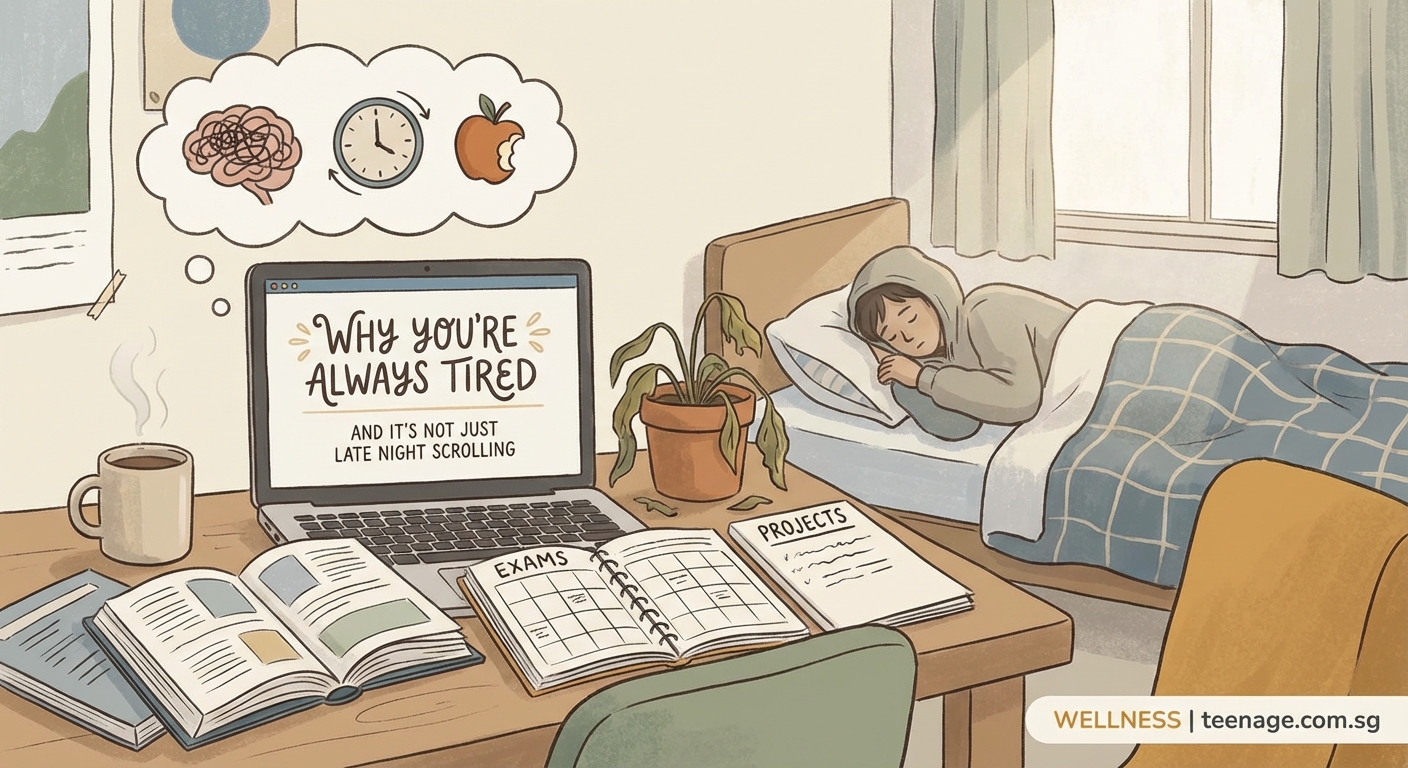
Eight hours of fragmented sleep doesn’t equal eight hours of restorative rest.
Sleep apnea affects millions of people who have no idea they’re experiencing it. Your partner might notice you snoring or gasping during the night, but you wake up feeling like you slept fine, just perpetually tired.
Restless leg syndrome disrupts sleep architecture without fully waking you. You spend more time in lighter sleep stages and less time in the deep, restorative phases your body needs.
Even room temperature affects sleep quality. Sleeping in a room above 70°F prevents your body from reaching optimal deep sleep stages. Your core temperature needs to drop for quality rest.
Blue light exposure before bed suppresses melatonin production for hours. If you’re checking your phone right before sleep, you’re sabotaging your sleep quality even if you’re getting enough hours. Is social media ruining your sleep? Here’s what experts say breaks down exactly how screen time affects your rest.
Stress creates a vicious energy cycle
Chronic stress doesn’t just feel exhausting. It physically depletes your body’s resources.
When you’re stressed, your body releases cortisol. Short-term cortisol spikes help you handle immediate challenges. But constant stress keeps cortisol elevated, which disrupts nearly every system in your body.
High cortisol levels interfere with sleep quality, suppress immune function, and mess with blood sugar regulation. All of these factors contribute to feeling perpetually drained.
Stress also affects your gut microbiome, which plays a surprising role in energy levels. Your gut produces neurotransmitters like serotonin that influence mood and energy. Chronic stress disrupts this delicate ecosystem.
The cycle becomes self-reinforcing. Stress makes you tired. Being tired makes everything feel more stressful. Breaking this pattern requires intentional intervention.
Hidden food sensitivities drain your energy
You don’t need a full-blown allergy to experience energy-draining reactions to certain foods.
Food sensitivities cause subtle inflammatory responses that accumulate over time. Unlike allergies, which trigger immediate reactions, sensitivities might not show symptoms for hours or even days after eating the trigger food.
Common culprits include:
– Gluten (even without celiac disease)
– Dairy products
– Eggs
– Soy
– Corn
– Nightshade vegetables
These sensitivities force your immune system into constant low-level activation. Your body diverts energy to manage these responses instead of fueling your daily activities.
Identifying sensitivities requires systematic elimination. Remove suspected foods for at least three weeks, then reintroduce them one at a time while tracking your energy levels and other symptoms.
Your blood sugar might be on a roller coaster
Blood sugar instability creates dramatic energy swings throughout the day.
When you eat high-carb or high-sugar meals, your blood glucose spikes rapidly. Your pancreas releases insulin to bring it back down. But sometimes it overshoots, causing blood sugar to crash below baseline.
These crashes trigger intense fatigue, brain fog, and cravings for more sugar or caffeine. You reach for a pastry or energy drink, which starts the cycle again.
Prediabetes and insulin resistance develop gradually. You might have normal fasting glucose levels but still experience problematic blood sugar swings after meals.
Signs of blood sugar instability:
– Energy crashes 2-3 hours after eating
– Needing coffee or snacks to function
– Feeling shaky or irritable when hungry
– Craving sweets, especially after meals
– Difficulty losing weight despite calorie restriction
Balancing blood sugar requires pairing carbohydrates with protein and healthy fats. Eating every 3-4 hours prevents extreme dips. Regular movement after meals helps your muscles absorb glucose without requiring as much insulin.
Medications and supplements might be backfiring
Some medications list fatigue as a side effect, but others cause it indirectly through nutrient depletion or hormonal changes.
Birth control pills deplete B vitamins, magnesium, and zinc. These nutrients are essential for energy production, so long-term use without supplementation can contribute to chronic tiredness.
Statins interfere with CoQ10 production. This compound plays a vital role in cellular energy generation. Many people taking statins for cholesterol feel persistently tired without understanding why.
Antihistamines, blood pressure medications, and antidepressants all commonly cause fatigue. Sometimes the benefit outweighs the side effect, but often alternatives exist that don’t drain your energy.
Even supplements can cause problems. Taking iron supplements without medical supervision can lead to constipation and nausea, which indirectly affect energy. High-dose vitamin D without adequate vitamin K2 can cause magnesium deficiency.
Dehydration happens faster than you realize
By the time you feel thirsty, you’re already mildly dehydrated.
Dehydration reduces blood volume, which means your heart must work harder to circulate oxygen and nutrients. This extra effort manifests as fatigue, even when you’re sitting still.
Coffee, tea, and energy drinks contribute to dehydration despite being liquids. Caffeine acts as a diuretic, increasing fluid loss through urination.
Your hydration needs vary based on activity level, climate, and diet. People eating high-sodium or high-protein diets need more water. Exercise obviously increases requirements.
Signs of chronic mild dehydration:
– Afternoon energy slumps
– Headaches that improve after drinking water
– Dark yellow urine
– Dry lips and skin
– Difficulty concentrating
Aim for half your body weight in ounces of water daily as a baseline. Increase this during hot weather or exercise. Adding a pinch of sea salt to your water helps with electrolyte balance and absorption.
Mental health issues wear physical disguises
Depression doesn’t always look like sadness. Sometimes it looks like exhaustion.
Atypical depression presents primarily as physical symptoms, especially fatigue and increased sleep needs. You might sleep 10-12 hours and still wake up tired.
Anxiety burns through energy reserves rapidly. Constant worry activates your stress response system, keeping your body in a state of high alert. This vigilance is mentally and physically exhausting.
Burnout differs from regular stress. It represents complete depletion of mental and physical resources after prolonged periods of overwork or emotional strain. Recovery from true burnout takes months, not just a weekend off.
The ultimate guide to balancing school, social life, and self-care offers practical strategies for managing multiple demands without reaching burnout.
Seasonal affective disorder causes winter fatigue that people often dismiss as normal. But if your energy plummets every year when daylight hours decrease, you’re experiencing a real condition that responds to treatment.
How to actually figure out what’s wrong
Random guessing wastes time and money. A systematic approach identifies the real culprit faster.
Step 1: Track your symptoms comprehensively
Keep a detailed journal for at least two weeks. Record:
1. Sleep duration and quality
2. Energy levels throughout the day (rate 1-10 every 2 hours)
3. Everything you eat and drink
4. Stress levels and major events
5. Exercise or physical activity
6. Medications and supplements
7. Bowel movements and digestion
Patterns emerge when you see everything together. Maybe your energy crashes always follow certain meals. Or perhaps your worst days correlate with poor sleep two nights prior, not the previous night.
Step 2: Get comprehensive blood work
Don’t settle for basic panels. Request specific tests:
– Complete blood count (CBC)
– Comprehensive metabolic panel
– Thyroid panel (TSH, free T3, free T4, thyroid antibodies)
– Vitamin D
– Vitamin B12 and folate
– Iron, ferritin, and total iron-binding capacity
– Magnesium (RBC magnesium, not serum)
– Hemoglobin A1C and fasting glucose
– C-reactive protein (inflammation marker)
Timing matters for some tests. Cortisol should be tested in the morning. Fasting is required for accurate glucose and lipid measurements.
Step 3: Eliminate obvious lifestyle factors
Before assuming you have a medical condition, address the basics:
1. Maintain consistent sleep and wake times, even on weekends
2. Reduce caffeine intake, especially after 2 PM
3. Limit alcohol, which fragments sleep architecture
4. Move your body daily, even just 15-minute walks
5. Spend time outside in natural light every morning
6. Manage stress through whatever method works for you
Give these changes at least three weeks before evaluating results. Your body needs time to adjust and respond.
Step 4: Consider professional evaluation
See a doctor if:
– Fatigue persists beyond two weeks despite lifestyle changes
– You experience other concerning symptoms (unexplained weight changes, pain, fever)
– Fatigue interferes with work or relationships
– You feel depressed or anxious
– Your energy doesn’t improve after adequate rest
Sometimes you need specialists. Endocrinologists handle thyroid and hormonal issues. Sleep medicine doctors diagnose sleep disorders. Functional medicine practitioners often take a more comprehensive approach to chronic fatigue.
Small changes that make surprisingly big differences
While you’re investigating root causes, these adjustments often provide noticeable relief.
Morning sunlight exposure helps regulate your circadian rhythm. Spend 10-15 minutes outside within an hour of waking. This signals your body to suppress melatonin and increase cortisol appropriately.
Protein at breakfast stabilizes blood sugar for hours. Aim for at least 20-30 grams. This prevents the mid-morning crash that sends people reaching for their third coffee.
Strategic caffeine timing works better than constant consumption. Have your coffee 90 minutes after waking, not immediately. Your natural cortisol is already high first thing in the morning. Let it do its job before adding caffeine.
Movement breaks counteract the energy drain of prolonged sitting. Stand up and move for 2-3 minutes every hour. This improves circulation and prevents the afternoon slump.
Breathwork practices activate your parasympathetic nervous system, which helps your body shift from stress mode to rest mode. Even five minutes of slow, deep breathing can noticeably shift your energy.
7 simple morning habits that actually boost your mental health provides additional evidence-based strategies for starting your day with better energy.
When to stop trying to fix it yourself
Self-diagnosis has limits. Certain red flags require immediate medical attention.
Seek urgent care if you experience:
– Sudden onset of severe fatigue
– Fatigue accompanied by chest pain or shortness of breath
– Unexplained bruising or bleeding
– Severe headaches or vision changes
– Fever lasting more than a few days
– Significant unintentional weight loss
Chronic fatigue syndrome (CFS) represents a distinct medical condition that requires specialized treatment. If you’ve been exhausted for more than six months, experience post-exertional malaise (feeling worse after activity), and have ruled out other causes, you might have CFS.
Fibromyalgia often overlaps with chronic fatigue. The combination of widespread pain and exhaustion suggests this condition.
Some fatigue stems from serious conditions like heart disease, kidney problems, or cancer. These aren’t common causes, but they exist. Persistent, unexplained fatigue always warrants medical evaluation.
Energy isn’t just about what you do
Sometimes fatigue persists because we’re approaching it wrong.
We focus on doing more: more supplements, more tests, more treatments. But sometimes the answer lies in doing less.
Your body might be asking for rest, not optimization. Modern culture treats tiredness as a problem to solve rather than a signal to respect.
Chronic stress, overcommitment, and the pressure to be constantly productive create exhaustion that no vitamin can fix. Sometimes the most effective intervention is giving yourself permission to slow down.
That doesn’t mean accepting fatigue as inevitable. It means recognizing that energy management involves both addressing medical issues and respecting your human limitations.
5 self-care practices that cost absolutely nothing reminds us that rest and recovery don’t require expensive solutions.
Your energy deserves investigation, not resignation
Feeling tired all the time isn’t normal, and you don’t have to accept it as your baseline.
Whether your fatigue stems from a vitamin deficiency, thyroid issue, blood sugar instability, or chronic stress, identifying the cause gives you power to address it. Most causes of chronic fatigue respond well to treatment once properly diagnosed.
Start with the systematic approach outlined here. Track your symptoms, get comprehensive blood work, and address obvious lifestyle factors. Work with healthcare providers who take your fatigue seriously and investigate thoroughly.
Your energy affects everything: your relationships, your work, your mood, your health. It’s worth the effort to figure out why you’re always tired and what you can actually do about it.














Post Comment