Why Your Wardrobe Needs a Signature Piece (And How to Find Yours)

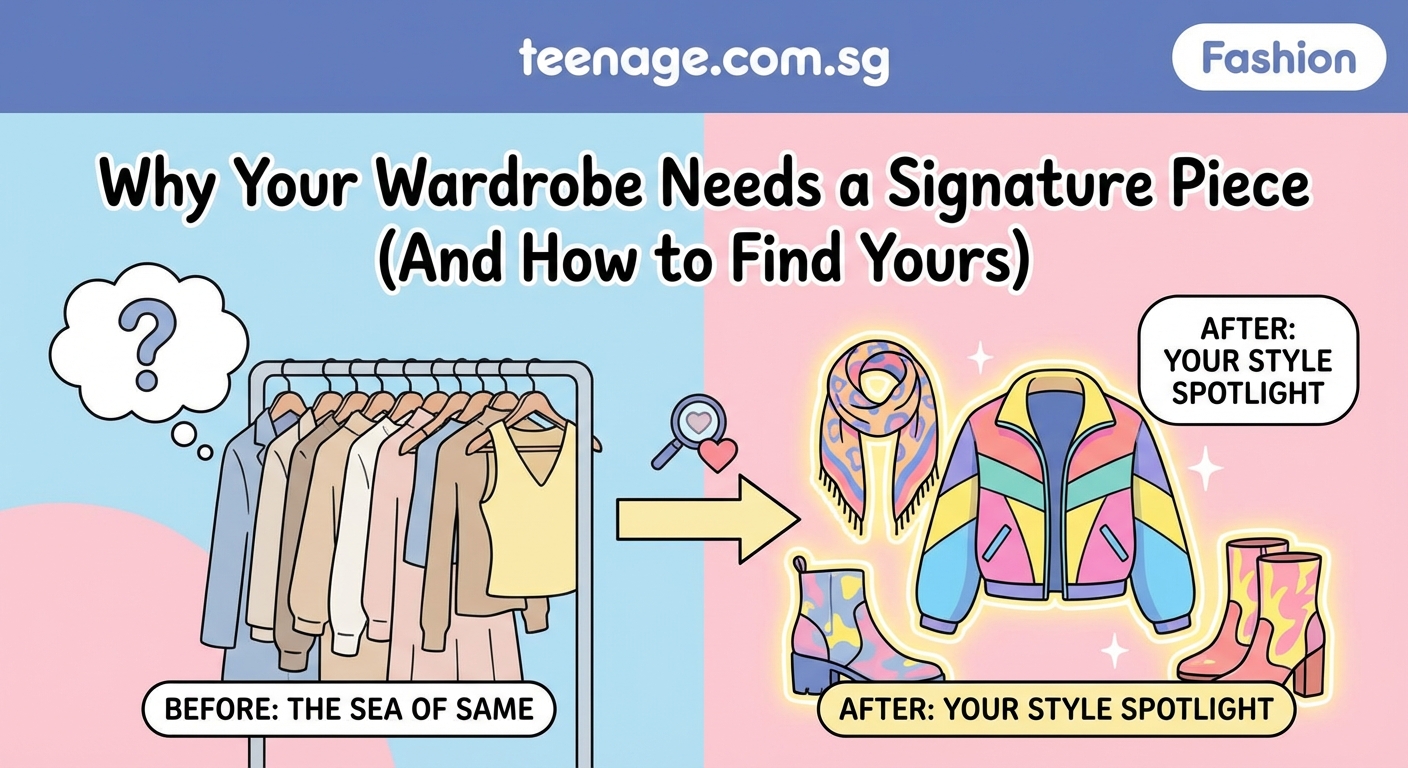
You know that feeling when you open your closet and see a hundred pieces but nothing to wear? That disconnect happens when your wardrobe doesn’t reflect who you actually are. Finding your signature style isn’t about following every trend or copying someone else’s aesthetic. It’s about identifying what makes you feel confident and building a wardrobe around that core truth.
Your signature style emerges when you understand your lifestyle needs, identify what you genuinely love wearing, and eliminate pieces that don’t serve you. This process involves auditing your current wardrobe, recognizing patterns in your favorite outfits, defining your personal aesthetic, and creating a cohesive color palette. The result is a wardrobe that simplifies daily decisions while expressing your authentic self.
Start with what you already own
Your current wardrobe holds more clues than you think. Before buying anything new or declaring a style overhaul, take inventory of what’s already hanging in your closet.
Pull out every piece you’ve worn in the past three months. Not what you think you should wear. What you actually reached for on regular mornings, stressful days, and special occasions.
Lay these items on your bed. You’ll start seeing patterns immediately.
Maybe you gravitate toward structured blazers and tailored pants. Perhaps you reach for flowy dresses and soft fabrics. You might notice that every outfit includes one statement accessory, or that you prefer monochrome looks with minimal jewelry.
These patterns aren’t random. They’re your style preferences speaking louder than any fashion magazine ever could.
Now look at the pieces you never wear. The items with tags still attached, the dress you bought for one event, the trendy top that seemed perfect in the store but feels wrong on your body.
Ask yourself why these pieces didn’t work:
- Wrong fit for your body type
- Color that doesn’t complement your skin tone
- Style that doesn’t match your daily activities
- Fabric that feels uncomfortable
- Trend that doesn’t align with your personal taste
This exercise isn’t about judgment. It’s about gathering data on what works for you and what doesn’t.
Define your lifestyle requirements
Your signature style needs to support your actual life, not an imaginary version of it.
A corporate lawyer needs different wardrobe solutions than a freelance graphic designer. A mom with three kids under five has different requirements than someone who takes the subway to an office job.
Write down how you spend your typical week:
- Count how many hours you spend at work or school
- Note your commute method and duration
- List your regular social activities
- Include your exercise routine
- Consider your weekend plans
This breakdown shows you where your clothes need to perform. If you spend 40 hours a week in an office, your signature style should include professional pieces that feel authentically you. If you’re constantly running between classes and coffee shops, you need a style that’s comfortable and practical while still feeling put together.
Think about the climate where you live too. A signature style built around linen dresses won’t serve you well if you live somewhere with eight months of winter.
Your lifestyle also includes your values. If sustainability matters to you, your signature style might emphasize quality over quantity and vintage finds over fast fashion. If you value convenience, you might build around wrinkle resistant fabrics and versatile pieces.
Identify your style inspiration sources
Everyone draws inspiration from somewhere. The key is recognizing what resonates with you specifically, not what’s popular on social media right now.
Create a mood board using whatever method feels natural. Some people prefer Pinterest boards, others like physical magazines, and some just save photos on their phones.
Collect images of outfits that make you think “I wish I could wear that” or “that person gets it.” Don’t overthink this part. Save anything that catches your eye.
After you’ve gathered 30 to 50 images, step back and analyze them. Look for common threads:
- Do most images feature neutral colors or bold patterns?
- Are the silhouettes fitted or relaxed?
- What accessories appear repeatedly?
- Is there a specific era or aesthetic that keeps showing up?
- Do you see more casual looks or dressed up ensembles?
You might notice that you’re drawn to French minimalism but you live in leggings and oversized sweaters. That gap between inspiration and reality is important information. Your signature style lives in the space where aspiration meets practicality.
Pay attention to people in your real life too. Maybe your coworker always looks polished in simple separates, or your friend has mastered the art of vintage band tees with tailored pants. Notice what you admire and consider how those elements might work in your own wardrobe.
Sometimes inspiration comes from unexpected places. The color palette from your favorite recent K-drama might spark ideas for your own wardrobe. A character’s costume design could highlight a silhouette you’ve never considered.
Build your personal color story
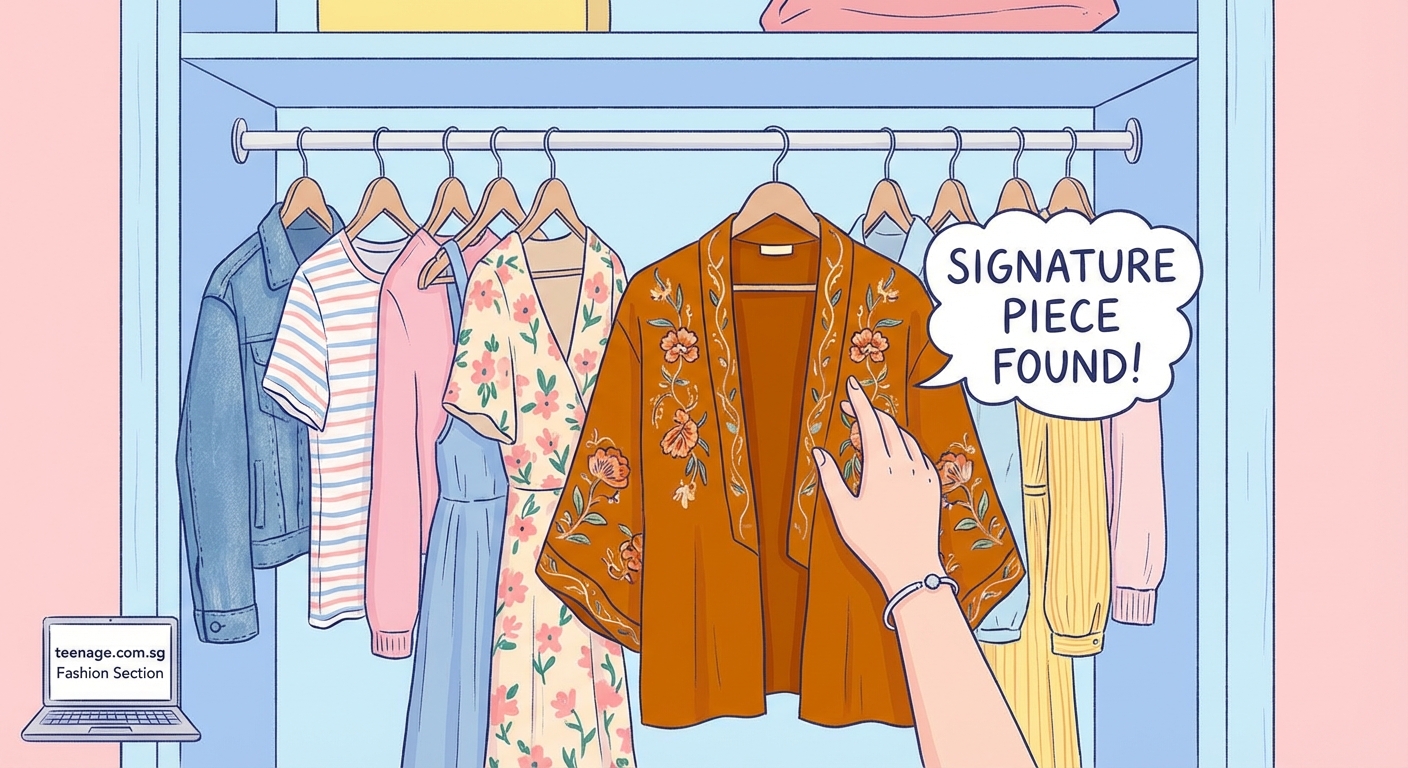
Color might be the most powerful tool in developing a signature style. A consistent color palette makes everything in your wardrobe work together, simplifying outfit creation dramatically.
Start by identifying colors that make you feel confident. Not colors you think you should wear, but ones that genuinely make you feel like yourself.
Look at the items you wear most often. What colors dominate? You might find that you naturally gravitate toward earth tones, jewel tones, or a black and white palette.
Consider your coloring too. Some people look amazing in warm tones, others in cool tones. This isn’t about strict seasonal color analysis unless that interests you. It’s about noticing what works on your specific skin tone, hair color, and eye color.
A signature color palette typically includes:
- Two to three neutral base colors (these form the foundation)
- Two to three accent colors (these add personality)
- One or two statement colors (these create interest)
Here’s how different approaches might look:
| Style Approach | Base Colors | Accent Colors | Statement Colors |
|---|---|---|---|
| Classic Minimalist | Black, white, gray | Navy, camel | Burgundy |
| Warm Bohemian | Cream, tan, olive | Rust, mustard | Terracotta |
| Modern Edge | Black, white | Charcoal, denim | Red |
| Soft Romantic | Beige, blush, ivory | Sage, dusty rose | Mauve |
Once you establish your palette, shopping becomes easier. You’ll know immediately whether a piece fits your color story or not.
This doesn’t mean you can never wear other colors. It means you have a reliable framework that ensures everything coordinates. You can always add seasonal pops or experimental pieces, but your core wardrobe stays cohesive.
Create your signature silhouettes
Every body is different, and your signature style should celebrate yours. This means identifying the cuts, fits, and proportions that make you feel amazing.
Think about the outfits where you’ve felt most confident. What were the silhouettes? Maybe you love a fitted top with wide leg pants. Perhaps you feel best in A-line dresses that hit just above the knee. You might prefer oversized everything or structured pieces that define your waist.
Understanding proportions helps too. If you’re petite, you might find that cropped jackets and high-waisted bottoms create better balance than long, oversized layers. If you’re tall, you might love maxi lengths and oversized silhouettes that others can’t pull off.
Your signature silhouettes should include:
- A go-to pant or jean style that fits perfectly
- A dress or skirt silhouette that feels effortless
- A top style that works for multiple occasions
- An outerwear shape that completes your look
These don’t have to be complicated. Some people’s signature style centers on perfectly fitted jeans and crisp white shirts. Others build around slip dresses and leather jackets. The magic is in the consistency and the confidence.
Pay attention to details that matter to you. Do you prefer crew necks or V-necks? Do you feel better in sleeveless tops or three-quarter sleeves? Do you like showing your ankles or prefer full-length pants?
If you’re looking for concrete formulas to start with, outfit combinations that work for different body types can provide a helpful starting point.
Refine through intentional editing
Finding your signature style is as much about what you remove as what you keep. A focused wardrobe makes getting dressed easier and ensures everything you own actually serves you.
Go through your closet with new eyes now that you’ve defined your style parameters. Ask these questions about each piece:
- Does this fit my color palette?
- Does this match my lifestyle needs?
- Does this silhouette flatter my body?
- Do I feel like myself when I wear this?
- Does this work with at least three other items I own?
If an item doesn’t meet most of these criteria, it’s taking up valuable space.
Create three piles: keep, maybe, and donate. The keep pile should include pieces that align perfectly with your signature style. The donate pile holds items that clearly don’t serve you anymore. The maybe pile needs closer examination.
For the maybe items, try this test: wear each piece for a full day. If you feel uncomfortable, self-conscious, or keep thinking about changing, that’s your answer. If you forget you’re wearing it because it feels so natural, move it to the keep pile.
“Your signature style should feel like coming home. If you’re constantly adjusting, tugging, or second-guessing an outfit, it’s not aligned with who you are. The right pieces disappear into your day because they’re so perfectly you.”
This editing process isn’t one and done. As you evolve, your style will too. Check in every season and remove pieces that no longer fit your current life or aesthetic.
Common mistakes that derail your signature style
Even with the best intentions, certain pitfalls can prevent you from developing a cohesive personal style. Recognizing these helps you avoid them.
| Mistake | Why It Happens | How to Avoid It |
|---|---|---|
| Trend chasing | Fear of looking outdated | Build a timeless base, add trends sparingly |
| Copying influencers exactly | Thinking their style will work for you | Use inspiration as a starting point, adapt to your life |
| Ignoring your body | Wanting to wear what looks good on others | Focus on what flatters your specific shape |
| Shopping without a plan | Impulse purchases and sales | Create a wish list based on wardrobe gaps |
| Keeping clothes that don’t fit | Hope of future weight changes | Dress the body you have now |
| Buying for an imaginary life | Aspirational purchases that sit unworn | Shop for your actual daily routine |
The biggest mistake might be thinking your signature style needs to be completely unique or groundbreaking. It doesn’t. Your signature style just needs to be authentically yours and consistently applied.
Some people worry that having a signature style means wearing the same thing every day or looking boring. The opposite is true. A clear style identity gives you a framework for creativity. You can play with accessories, layer different textures, or experiment with new pieces while maintaining your core aesthetic.
Make your style work across different settings
Your signature style should adapt to different contexts while maintaining its essential character. This means finding ways to translate your aesthetic from casual to professional to dressy.
Start with your most versatile pieces. A blazer in your signature color can dress up jeans for a dinner out or polish a simple dress for work. A great pair of ankle boots might work with everything from weekend dresses to work pants.
Think about how to maintain your style elements across contexts:
- If your signature is minimalist, keep clean lines in both your gym wear and your going-out clothes
- If you love bohemian touches, incorporate them through accessories when your work dress code is conservative
- If bold color is your thing, find ways to include it even in professional settings through scarves, bags, or shoes
You don’t need completely separate wardrobes for different parts of your life. The goal is a cohesive collection where pieces mix and match across occasions.
Consider building outfit formulas that work for multiple settings. A simple dress becomes casual with sneakers and a denim jacket, professional with a blazer and loafers, or dressy with heels and statement jewelry.
Your signature style should make these transitions feel natural rather than like you’re wearing a costume for different roles.
Maintain consistency while allowing evolution
Your signature style isn’t a prison. It’s a foundation that can grow with you.
As your life changes, your style will naturally shift. A new job might require different pieces. Moving to a new climate demands wardrobe adjustments. Personal growth might mean your aesthetic preferences evolve.
The key is making intentional changes rather than random additions. When you want to try something new, ask whether it enhances your existing style or contradicts it.
Maybe you’ve built a signature style around classic, tailored pieces but you’re feeling drawn to more relaxed silhouettes. Instead of abandoning your entire wardrobe, try incorporating one or two looser pieces that still fit your color palette and overall aesthetic. See how they feel in your daily life.
Small experiments let you test new directions without losing your style identity. You might discover that a slight shift refreshes your look, or you might confirm that your original approach works best.
Some elements of your signature style might stay constant for years. Others will naturally evolve. That’s healthy. The goal isn’t to lock yourself into a style forever, but to have a clear point of view that guides your choices.
Regular check-ins help. Every few months, assess whether your wardrobe still serves your current life and reflects your current self. Just like maintaining healthy habits in other areas of your life, your style needs periodic attention to stay aligned with who you are.
Your style reflects who you are right now
Finding your signature style isn’t about achieving perfection or creating an Instagram-worthy closet. It’s about building a wardrobe that makes your life easier and helps you feel confident every single day.
Start where you are. Use what you have. Make small, intentional changes based on what you’ve learned about your preferences, lifestyle, and body. Your signature style will emerge naturally from these thoughtful choices.
The best part? Once you establish your style foundation, getting dressed becomes almost effortless. You’ll stop standing in front of your closet feeling overwhelmed. You’ll know what works for you, what doesn’t, and exactly what to look for when you do need something new.
Your signature style is already inside you, waiting to be recognized and refined. Trust yourself, wear what makes you feel good, and let everything else go.














Post Comment