How to Stop Comparing Your Life to Everyone’s Instagram Highlight Reel

You scroll through Instagram and see someone’s perfect beach vacation. Then a friend’s promotion announcement. Another person’s flawless selfie. Before you know it, you’re sitting there feeling like your life doesn’t measure up. Sound familiar? You’re not alone. Millions of people feel this exact same way every single day, and it’s messing with our mental health in ways we don’t always recognize.
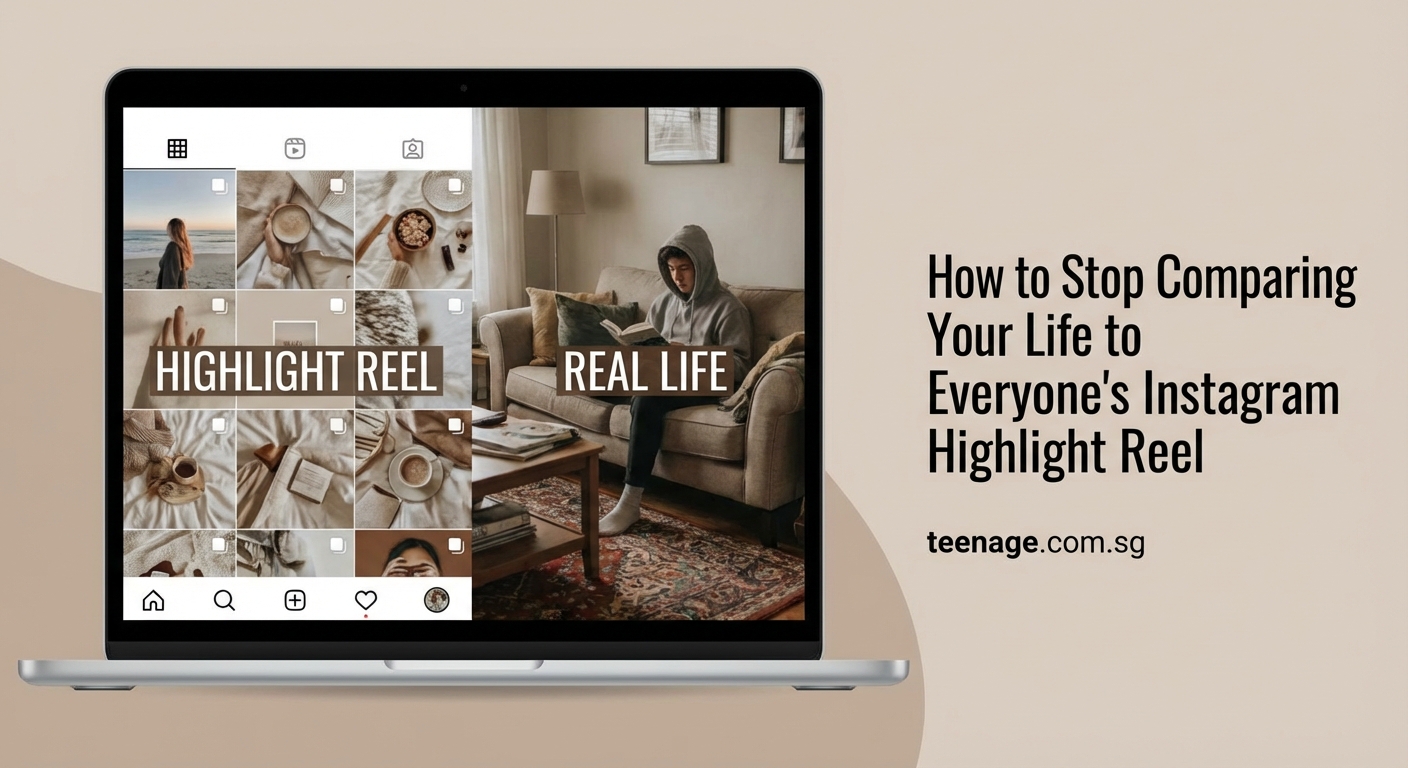
Constant social media comparison triggers anxiety and low self-esteem because we’re measuring our behind-the-scenes reality against everyone else’s highlight reel. Breaking this cycle requires intentional actions like curating your feed, setting time limits, practicing gratitude, and remembering that posts show carefully selected moments, not complete lives. Small daily habits can rebuild your confidence and help you focus on your own journey instead of everyone else’s.
Why social media makes us compare ourselves constantly
Social media platforms are designed to keep you scrolling. The algorithms show you content that triggers emotional reactions, and comparison is one of the strongest emotions out there.
When you see someone else’s success, your brain automatically measures it against your own life. This happens faster than conscious thought. You’re not weak or shallow for feeling this way. You’re human, and your brain is doing exactly what evolution programmed it to do: assess where you stand in the social hierarchy.
The problem is that social media gives you a distorted view. People post their best moments. The acceptance letter, not the rejection emails. The relationship milestone, not the argument from last night. The finished project, not the messy process.
You end up comparing your entire reality to tiny curated snippets of other people’s lives. That’s not a fair comparison, but your brain doesn’t always recognize the difference.
Understanding the highlight reel effect
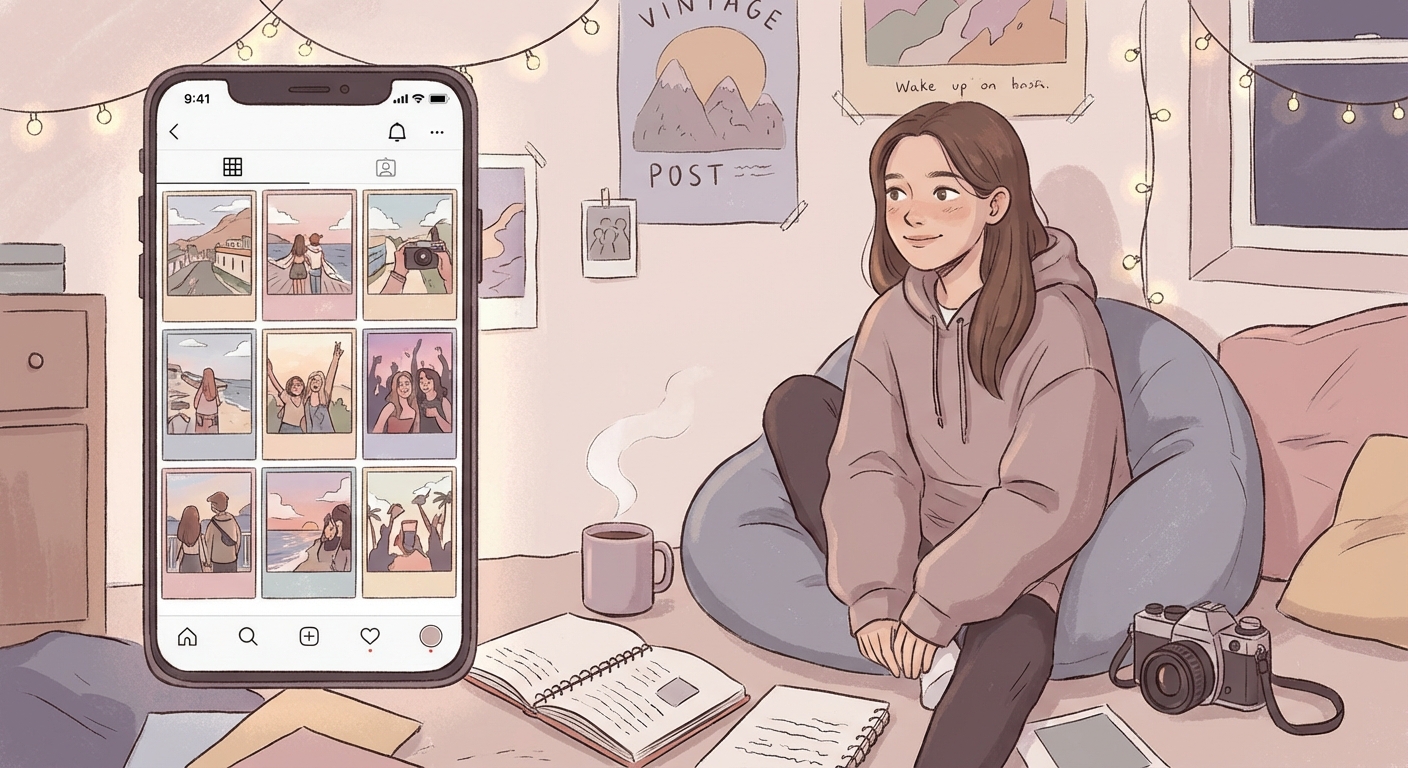
Think about what you post on your own accounts. Do you share photos from that day you stayed in bed feeling unmotivated? Probably not. You share the fun hangout with friends, the good hair day, the achievement you’re proud of.
Everyone does this. Everyone.
That means your feed is full of hundreds of people’s best moments, all compressed into a single scroll session. No wonder it feels like everyone else has it together while you’re struggling.
“Comparison is the thief of joy. When we measure our worth against carefully curated images, we’re setting ourselves up for disappointment every single time.” – Dr. Sarah Chen, Clinical Psychologist
The highlight reel effect gets worse because you don’t see the full context. That person who seems to travel constantly? Maybe they’re in debt. The couple that looks perfect? They might be having serious problems. The friend with the amazing body? They could be struggling with disordered eating.
You simply don’t know what’s happening behind the scenes. And they don’t know what’s happening in yours either.
Practical steps to stop the comparison trap
Breaking free from constant comparison takes intentional effort. Here’s how to start:
-
Audit your feed ruthlessly. Go through every account you follow and ask yourself: does this make me feel good or bad? If an account consistently makes you feel inadequate, unfollow or mute it. You don’t owe anyone your mental health.
-
Set strict time limits. Use your phone’s built-in screen time features to cap social media at 30 minutes per day. When the limit hits, the apps lock. No exceptions for the first week.
-
Create a comparison journal. When you catch yourself comparing, write down what you saw and how it made you feel. Then write three things you’re grateful for in your own life. This rewires your brain over time.
-
Follow accounts that inspire without triggering. Find creators who share realistic content, including struggles and failures. Is social media ruining your sleep? Here’s what experts say about choosing better content.
-
Post your own reality sometimes. Share the messy room, the failed recipe, the honest moment. You’ll be surprised how many people relate and appreciate the authenticity.
-
Schedule social media like appointments. Instead of scrolling whenever you’re bored, designate specific times. Check it at lunch and after dinner, then close the apps completely.
What to do when comparison hits hard
Even with good habits, you’ll still have moments where comparison stings. Here’s your emergency toolkit:
- Close the app immediately without scrolling further
- Take three deep breaths and name five things you can see around you
- Text a friend something you appreciate about them
- Do one small productive thing like making your bed or drinking water
- Remember one specific accomplishment from your own life
- Move your body for just five minutes
These actions interrupt the comparison spiral before it takes over your whole mood.
Common mistakes that keep you stuck
| Mistake | Why it backfires | Better approach |
|---|---|---|
| Following people “to support them” when their content hurts | Your mental health matters more than politeness | Mute or unfollow guilt-free |
| Trying to quit social media completely | All-or-nothing rarely works long-term | Set boundaries instead of banning |
| Comparing your comparison to others | “Why can’t I just not care like everyone else?” | Accept that this is hard for most people |
| Only unfollowing people you know | Influencers and celebrities trigger comparison too | Curate based on feeling, not relationship |
| Waiting until you “feel ready” | You’ll never feel ready to change | Start with one small action today |
The biggest mistake is thinking you can logic your way out of comparison. You can’t. Your emotional brain responds faster than your rational brain. You need to change your environment and habits, not just your thoughts.
Building a healthier relationship with social media
Social media isn’t inherently evil. It helps you stay connected, discover new interests, and find communities. The goal isn’t to eliminate it completely but to use it in ways that serve you.
Think of social media like junk food. A little bit occasionally is fine. Consuming it all day every day will make you feel terrible. You need boundaries.
Start treating your feed like your physical space. You wouldn’t let someone into your home who constantly criticized you or made you feel bad about yourself. Why let that content into your mental space?
Curate intentionally. Follow people who teach you things, make you laugh, or share perspectives different from your own. Unfollow accounts that exist purely to make you feel inadequate.
Some people find it helpful to have separate accounts. One for staying connected with real friends and family. Another for interests and hobbies. This prevents the comparison between your actual life and strangers’ highlight reels.
Reconnecting with your own journey
The antidote to comparison is focusing on your own progress. Where were you a year ago? What have you learned? What challenges have you overcome?
Keep a personal wins list on your phone. Add to it weekly. Include everything from “got out of bed on a hard day” to “aced that presentation.” Review it when comparison hits.
Start measuring yourself against yourself, not against others. Are you kinder than you were last month? More patient? Better at setting boundaries? These matter more than matching someone else’s aesthetic or achievement list.
Your journey is yours alone. Someone else being successful doesn’t make you a failure. Someone else being attractive doesn’t make you ugly. Someone else having fun doesn’t mean your life is boring.
There’s enough good stuff to go around. Their highlight reel has nothing to do with your worth.
Creating real connections beyond the screen
One reason social media comparison hurts so much is that it replaces genuine connection with performance. You’re watching everyone’s show instead of having real conversations.
Make time for actual hangouts. Phone calls. Video chats where you talk about real stuff, not just surface-level updates. When you have deeper connections, the curated posts lose their power over you.
Join groups or activities where you interact face-to-face. Sports teams, book clubs, volunteer work, whatever interests you. Real-life interaction reminds you that everyone is messy and imperfect and figuring things out.
You’ll also realize that the people who seem perfect online are just as confused and insecure as you are. That Instagram model worries about their skin. That successful entrepreneur feels like an imposter. That popular friend gets anxious too.
What to focus on instead of comparison
Redirect that comparison energy toward things that actually improve your life:
- Learning a new skill you’ve been curious about
- Improving your sleep schedule and noticing how much better you feel
- Building a morning routine that sets your day up right
- Reading books that expand your perspective
- Trying outfit formulas that work for every body type instead of copying influencers
- Developing a hobby just for fun, not for posting
When you invest in your actual life instead of comparing it to others, everything shifts. You have less time to scroll. You have more genuine accomplishments to feel good about. You build real confidence that doesn’t depend on likes or followers.
This doesn’t mean you’ll never compare yourself again. You will. But it won’t control you the same way.
Recognizing when you need extra support
Sometimes comparison is a symptom of deeper struggles with anxiety, depression, or self-esteem. If you’ve tried these strategies and still feel overwhelmed, talking to a counselor or therapist can help.
There’s no shame in getting professional support. Your mental health matters just as much as your physical health. Maybe even more.
Signs you might benefit from talking to someone:
- Comparison thoughts interfere with daily activities
- You feel depressed or anxious most days
- Your self-esteem has tanked and won’t recover
- You’re avoiding social situations because of comparison
- You’ve developed disordered eating or exercise patterns
Many schools and universities offer free counseling services. Online therapy has become more accessible too. You don’t have to handle this alone.
Making social media work for you
At the end of the day, you’re in control of your social media experience. The platforms want you to think you’re powerless, that you need to keep scrolling to stay connected. That’s not true.
You can choose what you see. You can choose when you engage. You can choose to step away whenever you want.
Start small. Pick one strategy from this article and try it for a week. Maybe it’s setting a time limit. Maybe it’s unfollowing ten accounts that make you feel bad. Maybe it’s starting that comparison journal.
One change leads to another. Before long, you’ll notice that social media has less power over your mood. You’ll scroll past highlight reels without that gut punch of inadequacy. You’ll remember that your life is happening offline, in real moments that don’t need to be posted or compared.
Your life is more than a feed
Social media is just a tool. It shows you fragments of reality, carefully selected and edited. It’s not real life. Your real life is happening right now, in this moment, as you read these words.
The messy parts, the boring parts, the struggling parts? Those are real too. They count. They matter. They’re part of everyone’s story, even if they don’t make it into the highlight reel.
Stop measuring your behind-the-scenes against everyone else’s final cut. Start appreciating your own journey, with all its ups and downs and in-betweens. That’s where actual life happens. That’s where real growth occurs. That’s where you’ll find the confidence and peace that no amount of likes or followers can provide.
Your worth isn’t determined by how your life compares to someone’s Instagram. It never was. It never will be.













Post Comment