Is Glass Skin Really Achievable? We Tried the Korean Skincare Trend for 30 Days

You’ve probably scrolled past dozens of selfies where someone’s skin looks so smooth and dewy it could be made of actual glass. That flawless, luminous complexion isn’t just good lighting or a filter. It’s glass skin, and yes, you can actually achieve it with the right routine and realistic expectations.
Glass skin is a Korean beauty trend focused on achieving ultra-smooth, luminous skin through hydration and consistent skincare. The routine involves double cleansing, layering lightweight hydrating products, and protecting your skin barrier. Results typically appear within 30 days when you follow the steps correctly and choose products suited to your skin type. Patience and consistency matter more than expensive products.
What glass skin actually means
Glass skin refers to skin that looks poreless, translucent, and incredibly smooth. Think of how light reflects off a clean window.
The term originated in Korea, where skincare routines prioritize hydration over heavy makeup. Instead of covering imperfections, the goal is to create such healthy skin that you barely need coverage.
This isn’t about perfection. Real glass skin still has texture and natural variation. The focus is on maximizing your skin’s natural glow through proper care.
Your skin type doesn’t disqualify you. Oily, dry, combination, and acne-prone skin can all achieve this look with adjusted routines.
The science behind the glow
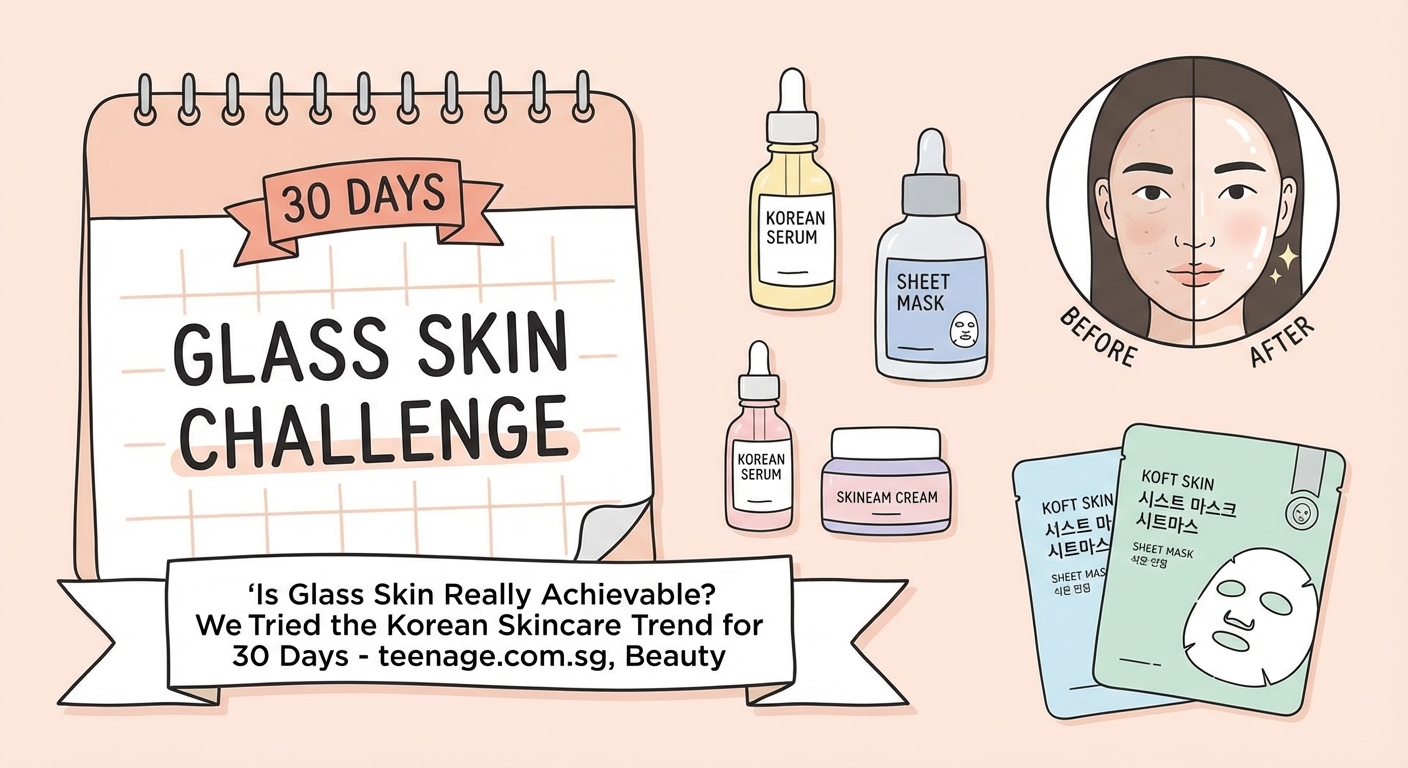
Glass skin happens when your skin barrier is healthy and well-hydrated. Your skin barrier is the outermost layer that protects against environmental damage and locks in moisture.
When this barrier is compromised, your skin looks dull and feels rough. Dehydrated skin shows more fine lines and texture.
Proper hydration plumps up skin cells, making pores appear smaller and creating that smooth surface. Light reflects evenly across hydrated skin, creating the signature glow.
Korean skincare focuses on thin layers of hydrating products rather than one thick cream. This approach allows better absorption and prevents clogged pores.
The routine also emphasizes gentle ingredients that support your skin barrier instead of stripping it away.
Your complete glass skin routine
Building a glass skin routine doesn’t require 15 products. Start with these essential steps and add more as you learn what your skin needs.
1. Double cleanse every night
Remove makeup and sunscreen with an oil-based cleanser first. Oil dissolves oil-based products that water can’t touch.
Follow with a water-based cleanser to remove sweat, dirt, and any remaining residue. This ensures your skin is completely clean before applying treatments.
Double cleansing prevents buildup that can clog pores and create texture. Skip this step and your expensive serums can’t penetrate properly.
In the morning, you only need the water-based cleanser unless your skin gets very oily overnight.
2. Apply a hydrating toner immediately
Pat toner onto damp skin right after cleansing. Korean toners are watery and packed with hydrating ingredients, not the harsh astringents you might remember.
This step preps your skin to absorb the next products better. Think of it like watering a plant before adding fertilizer.
Look for toners with hyaluronic acid, glycerin, or fermented ingredients. These draw moisture into your skin and keep it there.
Use your hands to pat it in rather than wiping with a cotton pad. Patting is gentler and wastes less product.
3. Layer your essences and serums
Essences are lightweight liquids that add another layer of hydration. Apply them before thicker serums.
Serums target specific concerns like dark spots or fine lines. Choose one or two that address your main issues.
Apply products from thinnest to thickest consistency. This ensures each layer absorbs properly without sitting on top of your skin.
Wait 30 seconds between layers. Your skin needs time to drink in each product.
4. Seal everything with moisturizer
Moisturizer locks in all the hydrating layers you just applied. Without it, those products will evaporate from your skin.
Gel moisturizers work well for oily skin. Cream formulas suit dry skin better. You might need different moisturizers for different seasons.
Don’t skip moisturizer even if you have oily skin. Dehydrated oily skin often produces more oil to compensate for lack of moisture.
Apply while your skin is still slightly damp from previous steps to trap maximum hydration.
5. Protect with sunscreen every morning
Sunscreen is non-negotiable for glass skin. UV damage creates dark spots, texture, and premature aging that work against your glow.
Use SPF 30 or higher every single day, even when it’s cloudy. UVA rays penetrate clouds and windows.
Korean and Japanese sunscreens often feel lighter and less greasy than Western formulas. They’re designed to wear well under makeup.
Reapply every two hours if you’re outside. Most people don’t use enough sunscreen, so apply a generous amount.
6. Add weekly treatments
Exfoliate 1-2 times per week with a gentle chemical exfoliant. BHAs (salicylic acid) work well for oily or acne-prone skin. AHAs (glycolic or lactic acid) suit normal to dry skin.
Sheet masks provide an extra hydration boost. Use them 2-3 times per week after cleansing and before moisturizer.
Sleeping masks or overnight treatments seal in moisture while you sleep. These are especially helpful during dry winter months.
“Glass skin isn’t achieved overnight. It requires consistent care and patience. Focus on hydration, protection, and gentle treatment of your skin barrier. The glow comes from healthy skin, not from one miracle product.” – Charlotte Cho, esthetician and K-beauty expert
Products that actually work for glass skin
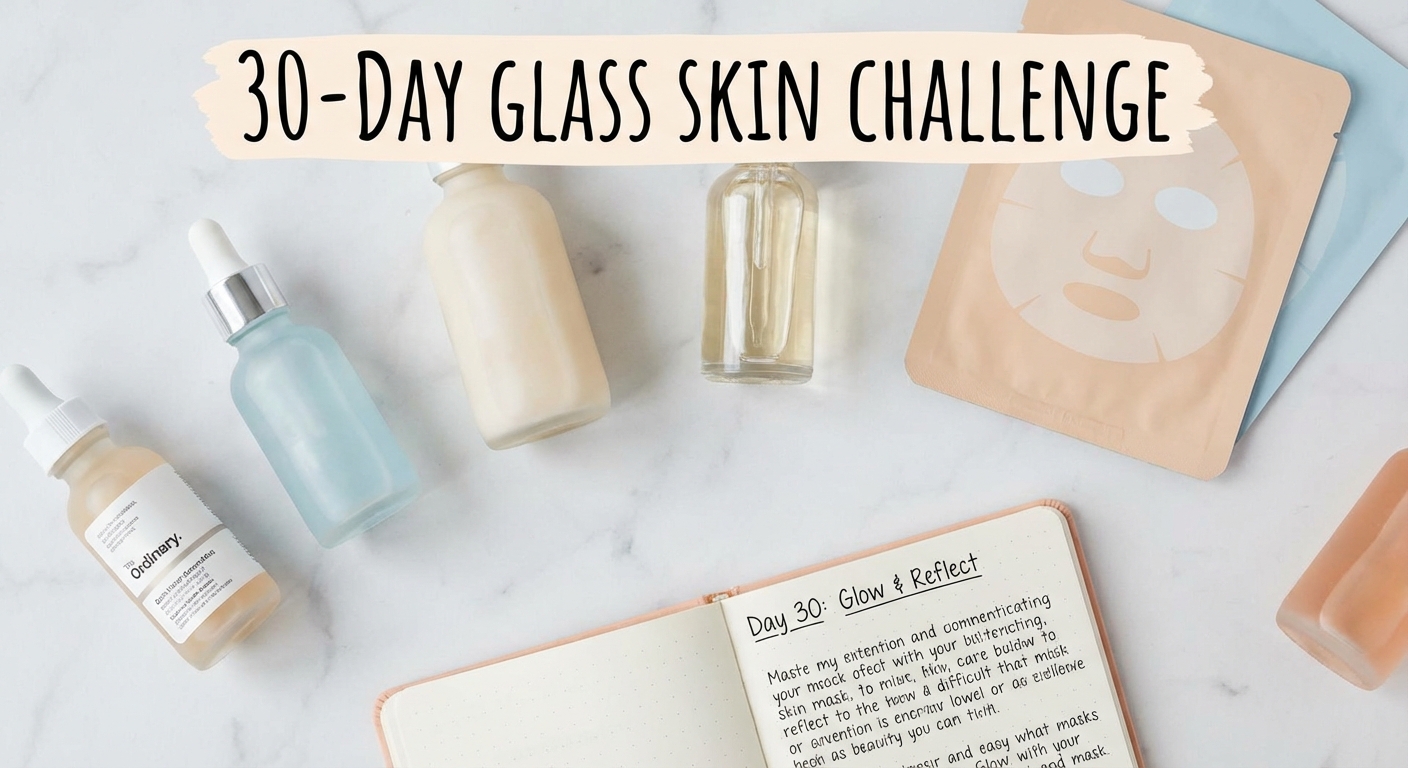
You don’t need to spend hundreds of dollars. Many affordable products deliver excellent results.
For cleansing:
– Oil cleansers with jojoba or rice bran oil remove makeup gently
– Low-pH gel cleansers clean without stripping your skin
For hydration:
– Toners with hyaluronic acid, centella, or snail mucin
– Lightweight essences that absorb instantly
– Serums with niacinamide for brightening
For moisturizing:
– Gel creams for oily skin
– Cream moisturizers with ceramides for dry skin
– Facial oils like squalane or rosehip for extra nourishment
For protection:
– Chemical sunscreens that don’t leave a white cast
– Hybrid formulas that combine physical and chemical filters
Start with drugstore options and upgrade individual products as you figure out what works. Your simple morning skincare routine doesn’t need to break the bank.
Common mistakes that ruin your progress
| Mistake | Why It Hurts | Better Approach |
|---|---|---|
| Skipping sunscreen | UV damage undoes all your work | Apply SPF 30+ daily, even indoors |
| Over-exfoliating | Damages skin barrier, causes irritation | Limit to 1-2 times per week maximum |
| Using too many actives | Overwhelms skin, causes sensitivity | Introduce one new product every 2 weeks |
| Not removing makeup properly | Clogs pores, prevents product absorption | Double cleanse every night without fail |
| Expecting instant results | Leads to product hopping and frustration | Commit to 30 days before judging results |
Adjusting the routine for your skin type
Oily skin: Focus on lightweight, water-based products. Use a gel moisturizer and add a BHA exfoliant to control oil and minimize pores. Don’t skip moisturizer thinking it will make you more oily.
Dry skin: Layer more hydrating products and use a richer cream moisturizer. Add a facial oil before or mixed with your moisturizer. Consider using a humidifier at night.
Combination skin: Use different products on different zones if needed. Lighter products on your T-zone and richer ones on dry cheeks works perfectly fine.
Acne-prone skin: Choose non-comedogenic products and introduce actives slowly. Niacinamide and centella help calm inflammation without irritation. Check out drugstore products that work for acne-prone skin for budget options.
Sensitive skin: Stick to fragrance-free products with minimal ingredients. Patch test everything new on your jawline for 48 hours before full application.
What to expect during your 30-day journey
Week 1: Your skin might purge as it adjusts to new products. Small breakouts are normal if you added active ingredients. Your skin is pushing out congestion.
Week 2: Texture starts improving slightly. Your skin feels more hydrated and looks less dull. You might not see dramatic changes yet.
Week 3: The glow becomes noticeable. Your skin looks plumper and smoother. Makeup applies more evenly. People might start asking what you’re doing differently.
Week 4: Results become obvious. Your skin tone looks more even. Pores appear smaller. The glass skin effect is visible in good lighting.
Keep going past 30 days. Skincare is a long game, not a sprint. The improvements continue as long as you maintain the routine.
Lifestyle habits that support glass skin
Your routine only works if you support it with good habits. Skincare products can’t fix everything.
Drink enough water: Aim for 8 glasses daily. Hydrated skin starts from within. Your products work better when your body is properly hydrated.
Get quality sleep: Your skin repairs itself overnight. Poor sleep shows up as dullness and dark circles. Try to maintain consistent sleep and wake times.
Eat skin-friendly foods: Omega-3 fatty acids, antioxidants, and vitamins support healthy skin. Include fatty fish, nuts, berries, and leafy greens regularly.
Manage stress: Chronic stress triggers inflammation and breakouts. Find stress management techniques that work for you, whether that’s exercise, meditation, or creative hobbies.
Change your pillowcase: Dirty pillowcases transfer oil and bacteria to your face. Swap yours every 3-4 days or use a clean towel over your pillow.
Don’t touch your face: Your hands carry bacteria that can cause breakouts. Keep your hands away from your face throughout the day.
Budget-friendly alternatives to expensive products
Glass skin doesn’t require luxury brands. Many affordable products contain the same active ingredients as high-end options.
Look for products with these key ingredients:
– Hyaluronic acid for hydration
– Niacinamide for brightening and pore refinement
– Centella asiatica for calming and healing
– Ceramides for barrier repair
– Snail mucin for hydration and healing
Drugstore brands often have excellent formulas. Read ingredient lists instead of relying on price tags. Sometimes you’re just paying for packaging and marketing.
Sample sizes and travel kits let you test products without committing to full sizes. Many brands sell discovery sets that cost less than one full-size product.
If you’re looking for more ways to save money while maintaining your appearance, learning about budget-friendly beauty dupes helps stretch your skincare budget further.
Troubleshooting when things go wrong
Problem: Your skin feels tight after cleansing.
Solution: Your cleanser is too harsh. Switch to a gentler, low-pH formula that doesn’t strip your skin.
Problem: Products are pilling or balling up on your skin.
Solution: You’re using too much product or not waiting long enough between layers. Use less and give each layer 30 seconds to absorb.
Problem: You’re breaking out more than usual.
Solution: This could be purging (temporary and normal) or a reaction to a product. Purging happens only where you usually break out. New breakouts in unusual areas mean a product doesn’t suit you.
Problem: Your skin looks greasy instead of glowy.
Solution: You’re using too many heavy products. Switch to lighter textures and use less moisturizer.
Problem: You’re not seeing any results after a month.
Solution: Check that you’re being consistent with every step, especially sunscreen. Make sure your products actually contain effective ingredients in meaningful amounts.
Maintaining your glass skin long term
Once you achieve glass skin, maintaining it is easier than getting there. Your routine becomes second nature.
Continue with your core steps daily:
* Morning: cleanse, tone, serum, moisturize, sunscreen
* Night: double cleanse, tone, serum, moisturize
Keep your weekly treatments going. Regular gentle exfoliation prevents buildup that dulls your glow.
Adjust products seasonally. Your skin needs richer products in winter and lighter ones in summer. Listen to what your skin tells you.
Don’t get complacent about sunscreen. Sun damage accumulates over time and will eventually show up as dark spots and wrinkles.
Take progress photos monthly. It’s easy to forget where you started when you see your face every day. Photos help you appreciate your progress.
Glass skin works with real commitment
Getting glass skin isn’t about buying expensive products or following a complicated 10-step routine. It’s about understanding what your skin needs and consistently giving it proper care.
The routine works because it focuses on hydration, protection, and gentle treatment of your skin barrier. These principles apply regardless of your skin type or budget.
Start tonight with a proper double cleanse. Add one new step every few days until you’ve built the complete routine. Take a before photo so you can see your progress in 30 days.
Your skin won’t transform overnight, but it will transform. The person with glowing, healthy skin in your feed isn’t lucky or blessed with perfect genes. They just committed to taking care of their skin every single day.











Post Comment