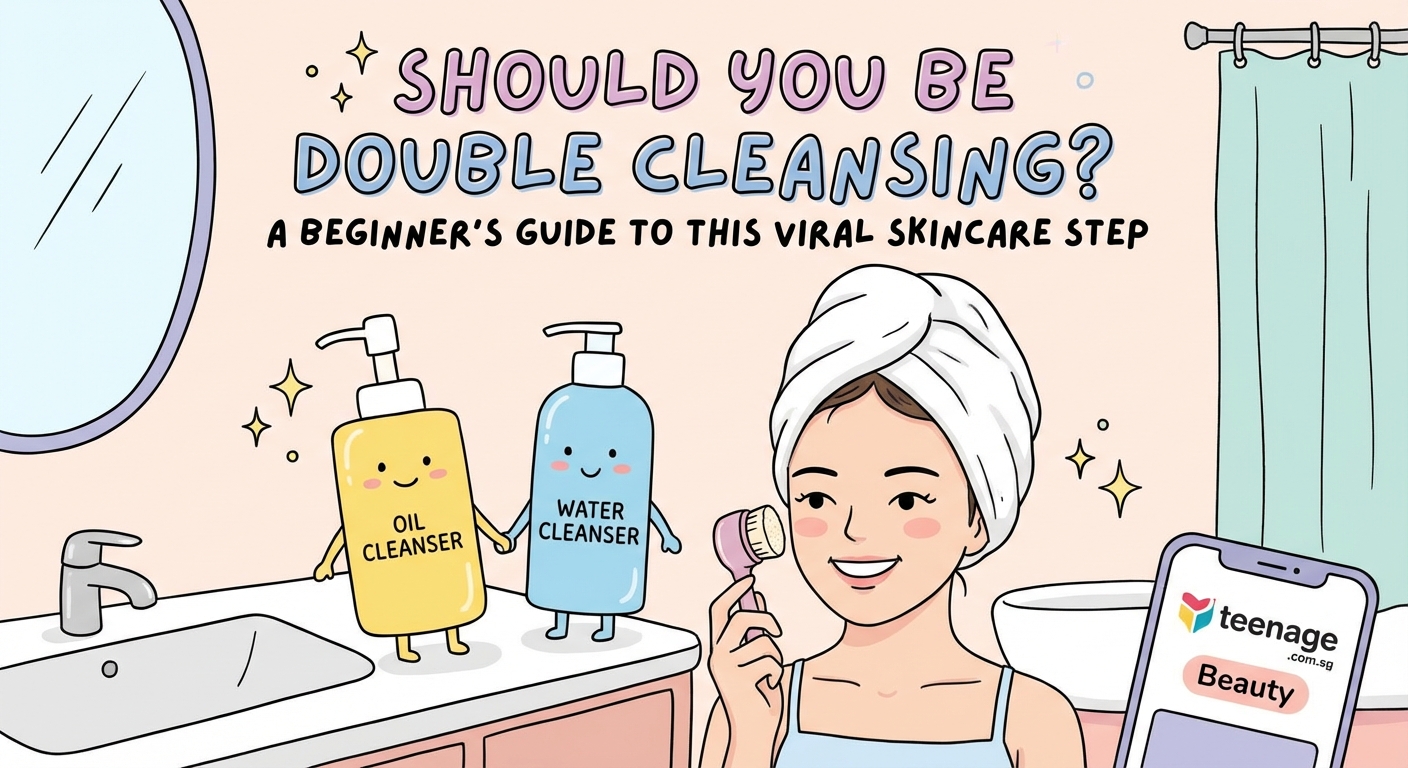
Should You Be Double Cleansing? A Beginner’s Guide to This Viral Skincare Step
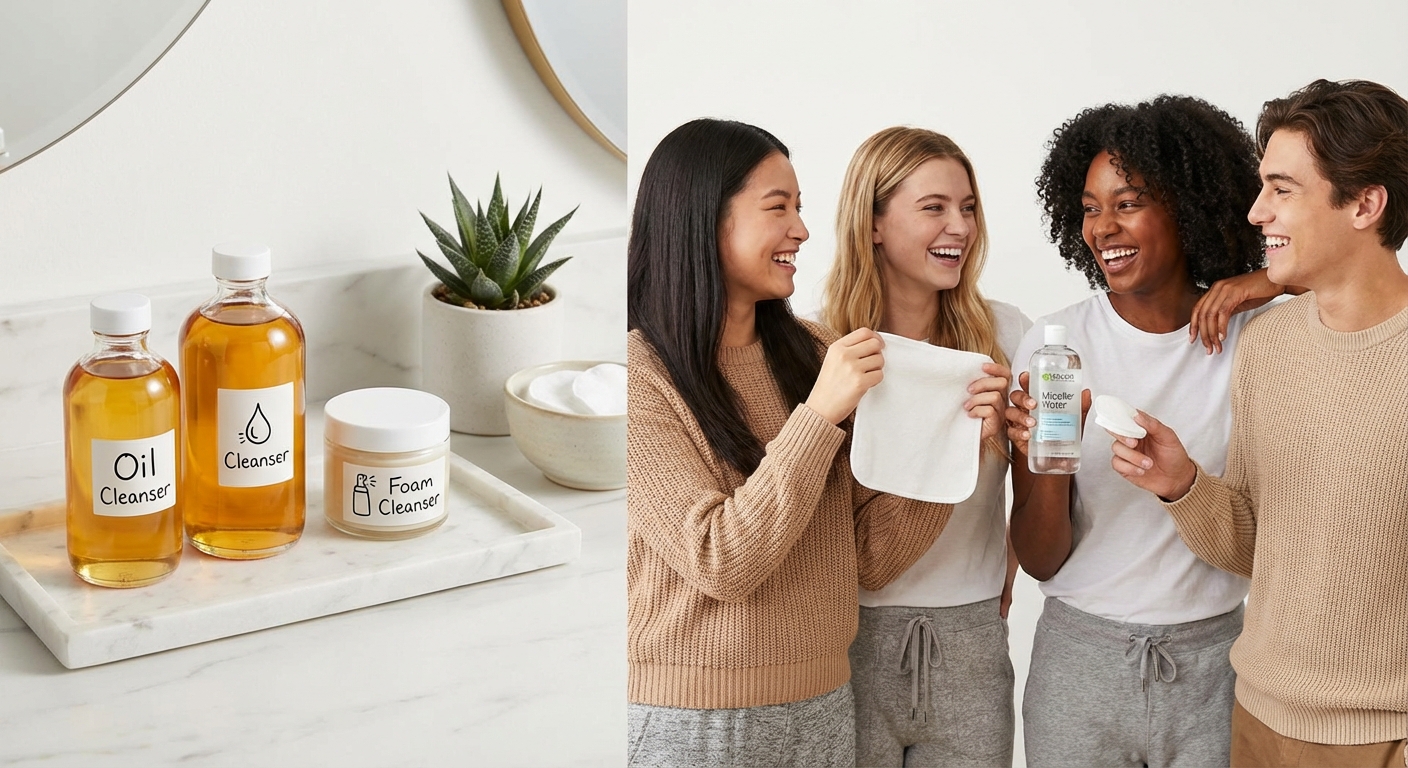
If your TikTok feed looks anything like mine, you’ve probably seen at least a dozen videos of people massaging oil all over their faces before washing it off. That’s double cleansing, and it’s not just another overhyped trend that’ll disappear next month.
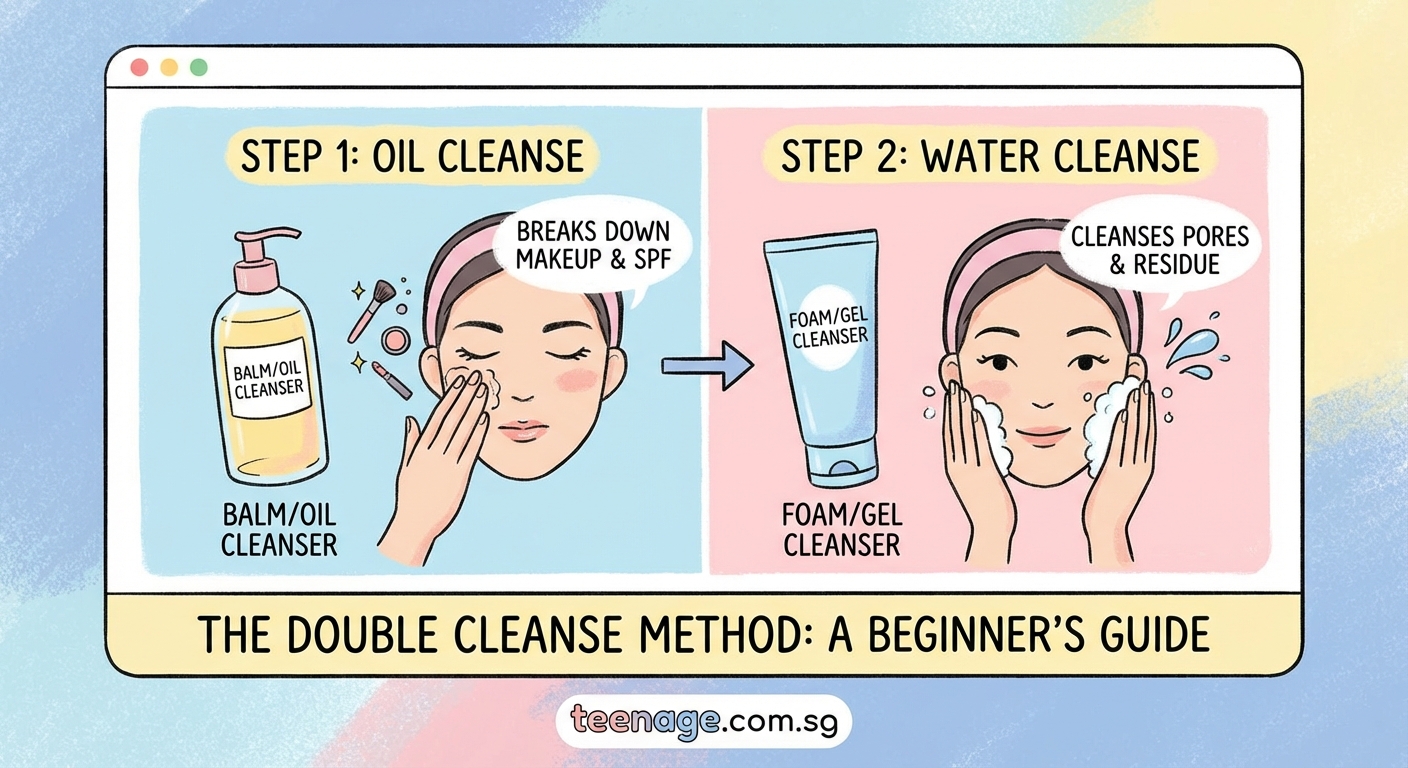
Double cleansing started in Korea and Japan decades ago, but it’s having a serious moment right now because it actually works. The idea is simple: use an oil-based cleanser first to remove makeup, sunscreen, and sebum, then follow up with a water-based cleanser to get rid of sweat, dirt, and anything the first cleanser missed.
Double cleansing for beginners involves using an oil-based cleanser to remove makeup and sunscreen, followed by a water-based cleanser to clean your skin. This method prevents clogged pores and breakouts better than single cleansing alone. You don’t need expensive products to start, and you only need to do it once daily, typically at night when your skin is dirtiest.
Why washing your face twice isn’t overkill
Your regular face wash can’t break down everything on your skin in one go. Oil-based products like makeup, SPF, and your skin’s natural oils don’t dissolve in water. They need an oil-based cleanser to grab onto them and lift them away.
Think of it like washing dishes. You wouldn’t try to clean a greasy pan with just water, right? You need dish soap because grease dissolves in grease. Same principle here.
When you skip the first cleanse and go straight to your regular face wash, you’re basically just pushing makeup and sunscreen around your face. That leftover gunk sits in your pores overnight, and you wake up with new breakouts or dull-looking skin.
The second cleanse tackles everything the oil cleanser doesn’t: sweat, dead skin cells, pollution particles, and any remaining residue. This is where your regular face wash shines.
Who actually needs to double cleanse
Not everyone needs to wash their face twice. If you’re not wearing makeup or sunscreen and you spend most of your day indoors, a single cleanse is probably fine.
But if you fall into any of these categories, double cleansing will make a noticeable difference:
- You wear makeup daily, even if it’s just concealer and mascara
- You apply sunscreen every morning (which you should be doing anyway)
- You live in a humid or polluted city
- Your skin feels tight or looks dull even after cleansing
- You get breakouts around your hairline, jawline, or nose
- You use waterproof makeup or long-wear formulas
Even if you think your single cleanser is “removing everything,” try double cleansing for a week. Run a cotton pad with toner over your face after your usual routine and see what’s still there. You might be surprised.
The right way to double cleanse
Here’s the step-by-step process that works for most people. You’ll adjust it based on your skin type, but this is your starting point.
- Start with completely dry hands and a dry face. Don’t wet your skin first.
- Pump or scoop your oil cleanser into your palms and warm it up by rubbing your hands together.
- Massage the oil all over your face for 30 to 60 seconds. Focus on areas where makeup sits heaviest: around your nose, under your eyes, on your eyelids.
- Add a tiny bit of water to your fingertips and keep massaging. The oil will turn milky white. This is called emulsifying.
- Rinse everything off with lukewarm water. Not hot, not cold. Lukewarm.
- Pat your face until it’s slightly damp, not dripping wet.
- Apply your water-based cleanser and work it into a lather.
- Massage for another 30 seconds, then rinse thoroughly.
- Pat dry with a clean towel and move on to the rest of your routine.
The whole process takes about three minutes. Less time than scrolling through Instagram while ignoring your skincare.
“The biggest mistake beginners make is rushing through the first cleanse. Give that oil cleanser time to break down your sunscreen and makeup. If you rinse it off after five seconds, you’re basically wasting product and your time.” — Licensed esthetician Sarah Chen
Choosing products that won’t wreck your skin
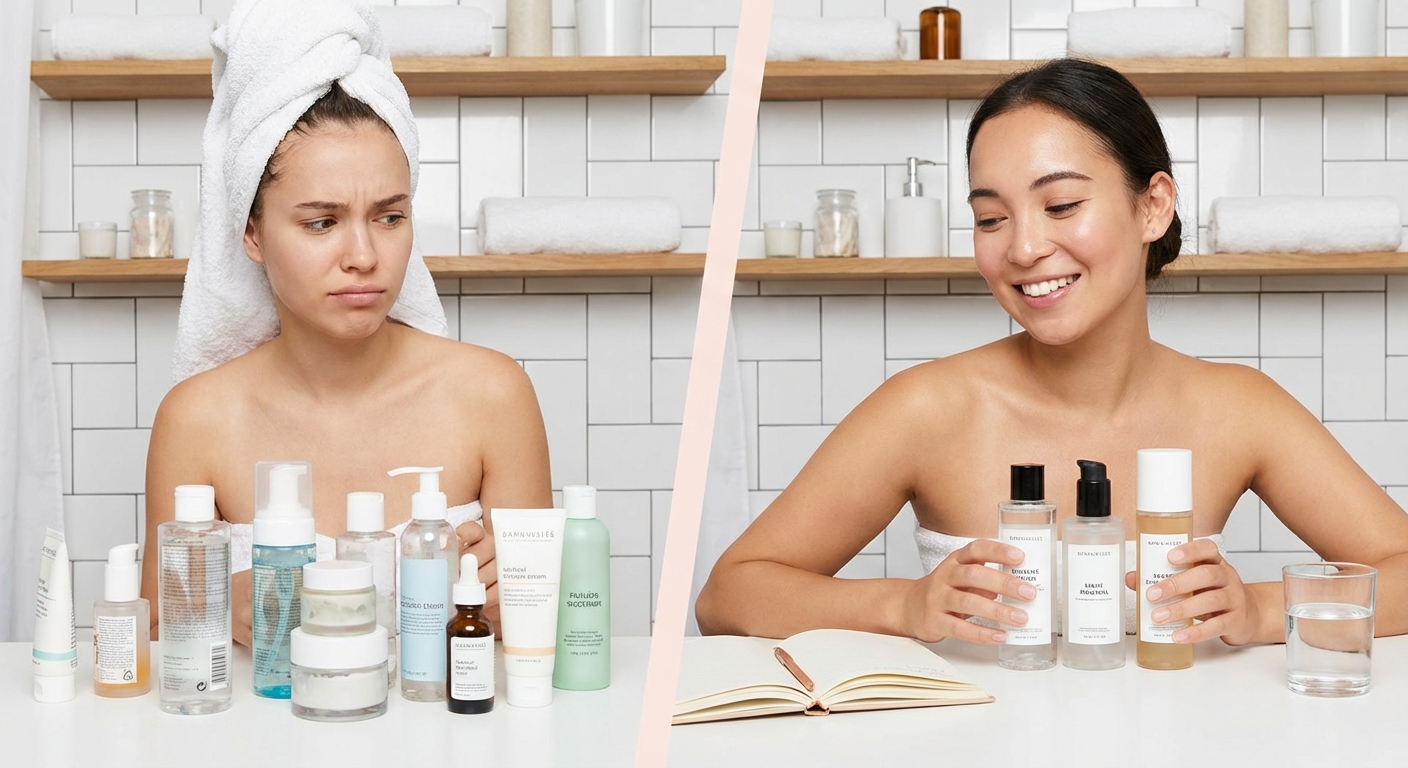
You don’t need to spend $50 on fancy Korean imports to get good results. Plenty of affordable options work just as well as the luxury stuff your favorite influencer promotes.
For your first cleanser, look for these types of products:
- Cleansing oils (lightweight and rinse clean)
- Cleansing balms (thicker texture, good for dry skin)
- Micellar water (gentler option for sensitive skin, though technically not oil-based)
Your second cleanser should match your skin type. Here’s a simple breakdown:
| Skin Type | First Cleanser | Second Cleanser | What to Avoid |
|---|---|---|---|
| Oily/Acne-prone | Lightweight cleansing oil | Gel or foam with salicylic acid | Heavy balms, cream cleansers |
| Dry/Sensitive | Cleansing balm or milk | Creamy, hydrating cleanser | Foaming cleansers, harsh sulfates |
| Combination | Basic cleansing oil | Gentle gel cleanser | Products with fragrance or alcohol |
| Normal | Any oil cleanser | Any gentle cleanser | Over-exfoliating formulas |
Don’t buy full sizes right away. Grab travel sizes or samples first. Your skin might hate something that works perfectly for someone else.
Common mistakes that make double cleansing backfire
Even though the method is straightforward, people still mess it up. Here are the biggest errors I see:
Using the wrong water temperature. Hot water strips your skin’s natural moisture barrier. Cold water doesn’t rinse products properly. Stick with lukewarm.
Scrubbing too hard. You’re not trying to sand your face off. Gentle circular motions work better than aggressive rubbing.
Doing it twice a day. Unless you’re reapplying sunscreen and makeup after lunch, you only need to double cleanse at night. In the morning, a single gentle cleanse is enough.
Skipping the emulsifying step. If you rinse off your oil cleanser without adding water first, you’ll leave a greasy film on your skin. That defeats the whole purpose.
Using makeup wipes instead of an oil cleanser. Wipes don’t count as the first cleanse. They just smear makeup around and irritate your skin. Throw them out.
How to tell if it’s actually working
You should notice changes within a week or two. Your skin will feel cleaner after washing, but not tight or squeaky. That squeaky-clean feeling actually means you’ve stripped away too much.
Other signs double cleansing is working:
- Your skincare products absorb faster
- You see fewer blackheads and whiteheads
- Your makeup applies more smoothly
- Your skin looks brighter and more even
- You’re not getting as many random breakouts
If your skin gets red, itchy, or more broken out after starting this routine, something’s wrong. You might be using products that are too harsh, cleansing too often, or scrubbing too hard.
Scale back to once every other night and see if things improve. If they don’t, one of your products isn’t working for your skin type.
Fitting this into your actual life
I know what you’re thinking. You barely have time to brush your teeth before bed, and now I’m telling you to add another step to your routine.
Here’s the thing: double cleansing doesn’t have to happen in your bathroom at a sink. You can do the first cleanse while sitting on your bed watching Netflix. Massage in your oil cleanser during a commercial break, then rinse it off when you’re ready to brush your teeth.
Keep your products somewhere you’ll actually see them. Not buried under a pile of hair ties in your bottom drawer. Put them next to your toothbrush or on your nightstand.
If you’re too tired to do the full routine, at least do the oil cleanse. Sleeping in sunscreen and makeup is worse than skipping your second cleanser.
On nights when you didn’t wear makeup or sunscreen, you can skip the oil cleanse entirely. This isn’t an all-or-nothing situation. Just like how building good habits takes time and adjustment, finding what works for your skin is a process.
Budget-friendly options that actually work
You don’t need to drop your entire allowance on skincare. Some of the best cleansers cost less than your coffee order.
For oil cleansers under $15, look at drugstore brands like Simple, Neutrogena, or The Inkey List. Asian beauty brands like Kose Softymo and DHC make excellent affordable options too.
Your second cleanser can be even cheaper. CeraVe, Cetaphil, and La Roche-Posay all make gentle cleansers that dermatologists actually recommend.
If you’re really on a tight budget, start with just the oil cleanser and use whatever face wash you already own for the second step. You’ll still see better results than single cleansing alone.
Buy during sales, use student discounts when available, and don’t be afraid of store brands. The fancy packaging doesn’t make the product work better.
Adjusting the method for different situations
Double cleansing isn’t one-size-fits-all. You’ll need to adjust based on what’s happening with your skin.
During your period: Your skin might be more sensitive, so use gentler products and don’t massage as long.
After the gym: If you’re cleansing right after working out, you might want to rinse with just water first to remove sweat, then do your double cleanse.
In winter: Cold weather dries out your skin, so switch to a more hydrating second cleanser and maybe skip the oil cleanse on nights you didn’t wear much.
During breakouts: Don’t stop double cleansing, but make sure your second cleanser has acne-fighting ingredients like salicylic acid or benzoyl peroxide.
On vacation: Bring travel sizes or decant your products into small containers. Hotel soap doesn’t count as proper cleansing.
What comes after you rinse
Double cleansing is just the foundation. What you do next matters just as much.
Right after patting your face dry, apply your toner, serums, and moisturizer while your skin is still slightly damp. This helps everything absorb better.
Don’t wait 20 minutes between cleansing and moisturizing. Your skin loses moisture fast after washing, especially if you have dry skin.
The order goes: double cleanse, tone, treat (serums and actives), moisturize, and seal (with an oil or sleeping mask if needed).
If you’re using actives like retinol or acids, make sure your skin is completely clean before applying them. That’s another reason why double cleansing matters. Leftover makeup or sunscreen blocks these ingredients from working properly.
Making it stick when motivation drops
The first week is easy because you’re excited to try something new. Week three is when most people quit.
Set a reminder on your phone for the same time every night. Link it to something you already do, like right after you take off your jewelry or before you charge your phone.
Keep a before photo somewhere private. Take another one every two weeks. When you’re tempted to skip your routine, compare the photos. Visual proof works better than any motivational quote.
Find a friend who’s also into skincare and check in with each other. Even just texting “did my double cleanse” creates accountability.
Remember that missing one night won’t ruin your progress. Just get back to it the next day. Consistency over perfection.
Your cleanest skin starts tonight
Double cleansing for beginners doesn’t require a chemistry degree or a trust fund. You need two products, three minutes, and the willingness to stick with it long enough to see results.
Start tonight with whatever oil-based cleanser you can get your hands on and the face wash you already own. Do it for one week. Check your skin in the mirror next Friday and decide if it’s worth continuing.
Most people who try it properly don’t go back to single cleansing. Your skin will feel cleaner, look brighter, and cause you way less stress. That’s worth three minutes before bed.













Post Comment