Why 2026 Is the Year of the Indie Film Comeback
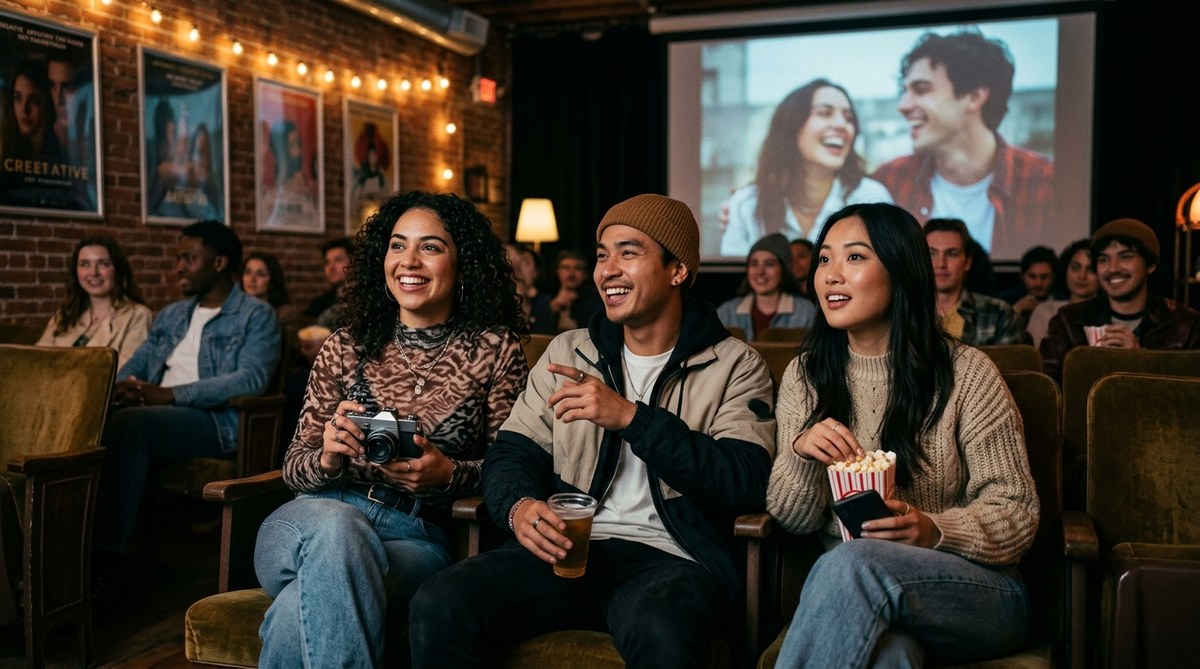
You step into a multiplex in 2026 and the biggest line isn’t for the latest superhero sequel. It’s for a grainy, low-budget drama shot on an iPhone by a director you’ve never heard of. That’s the energy right now. After years of franchise fatigue and algorithm-driven content, audiences are hungrier than ever for stories that feel real, raw, and human. Independent cinema isn’t just surviving. It’s thriving. And 2026 is shaping up to be the year it officially takes back the spotlight.
The indie film comeback in 2026 is fueled by lower production costs, streaming platforms hungry for original voices, and a Gen Z audience that craves authenticity over polish. From viral TikTok campaigns to surprise box office hits, independent cinema is reclaiming cultural relevance. For filmmakers, this year offers more access and opportunity than ever before.
The Numbers Don’t Lie: Box Office and Buzz
Let’s talk dollars and cents. In the first quarter of 2026, indie films accounted for nearly 18% of domestic box office revenue, according to industry tracking data. That might not sound massive, but it’s the highest share since the early 2000s. Films like The Summer House (budget: $500,000) grossed over $35 million worldwide, while Glass Bones (budget: $1.2 million) became a sleeper hit after a viral TikTok edit pushed it past $50 million. Compare that to 2023 and 2024, where the indie share hovered around 10 to 12 percent.
Why the jump? Part of it is simple math. The cost of making a film has dropped dramatically. High-quality cameras now fit in your pocket. Editing software that used to cost thousands is free or cheap. And distribution platforms like YouTube, Vimeo, and niche streaming services let filmmakers reach audiences without a studio deal.
But it’s not just about money. People are tired of the same recycled IP. The audience is actively seeking stories that surprise them. And indie films, by nature, take risks that big studios won’t.
How Streaming Services Are Embracing Indie Films
Remember when Netflix used to be the only game in town for indie distribution? That’s changed. In 2026, every major streamer has a dedicated indie acquisitions team. Amazon Prime Video launched “Indie Spotlight,” a curated section that rotates 20 new independent titles every month. Apple TV+ is investing heavily in first-time directors, offering advances that cover production costs plus a small profit. Even Disney, through its Hulu arm, has started bidding on smaller festival darlings.
The streaming model is a double-edged sword, of course. A film can get lost in a sea of content. But for indie filmmakers who understand marketing, it’s a golden age. The key is building an audience before the release date. That means social media teasers, director Q&As, and early word-of-mouth campaigns. If you’re a young filmmaker in 2026, you have more potential viewers than any prior generation.
For a deeper look at how streaming services compare in value, check out what streaming service is actually worth your money in 2026.
The Rise of Micro-Budget Filmmaking and Social Media
Micro-budget filmmaking isn’t new, but 2026 is the year it went mainstream. Films produced for under $50,000 are landing distribution deals that would have been impossible five years ago. Why? Social media. A well-timed TikTok campaign can turn a no-budget student film into a cultural moment.
Take the example of 17 Hours, a thriller shot entirely in a single apartment over three days. The director posted behind-the-scenes clips on TikTok showing how they made a movie for $3,000. The video got 12 million views. By the time the film hit VOD, it had already built a waiting audience. That audience translated to over 200,000 digital sales in the first month.
The formula is repeatable. Here’s what successful indie filmmakers are doing in 2026:
- Start marketing before you shoot. Post casting calls, location scouting, and script readings.
- Use short-form video to share “how we made this” content.
- Engage directly with fans. Reply to comments, ask for input on poster designs, share your budget breakdown.
- Release a teaser trailer 6 months before your planned release.
- Partner with micro-influencers who love your genre.
- Submit to small festivals that offer online screenings to build regional buzz.
Festivals in 2026: A New Energy
Sundance, SXSW, and Tribeca are still the big names, but 2026 has seen an explosion of smaller, community-driven festivals. Events like the “Low-Fi Film Fest” in Portland and “The Garage Premieres” in Austin are drawing huge crowds because they focus on hyper-local stories and raw talent. These festivals don’t require expensive submission fees or industry connections. They just want a good movie.
The shift is intentional. Many young filmmakers feel alienated by the prestige festival circuit, where acceptance rates are below 1% and travel costs are prohibitive. In response, a new wave of regional festivals has emerged. They prioritize accessibility, offer free submission slots for student filmmakers, and often include panels on distribution and marketing.
One festival director put it this way:
“We don’t care if your film was shot on a $100 camera. We care if it makes us feel something. That’s the indie spirit. In 2026, that spirit is everywhere.”
What This Means for Young Filmmakers
If you’re a filmmaker under 25, 2026 is your year. Here’s a step-by-step plan to take advantage of the indie film comeback.
- Write a script that fits your resources. Avoid CGI, period costumes, and large casts. Focus on a single location and a small number of characters. Your budget doesn’t define your story.
- Assemble a crew from your network. Use college film clubs, local Facebook groups, or online forums like Reddit’s r/Filmmakers. Offer credit and a share of future revenue if you can’t pay.
- Finance through crowdfunding. Platforms like Kickstarter and Indiegogo are still strong, but new options like BackerClub and Patreon allow you to build an ongoing community.
- Shoot with the best tools you can borrow. A smartphone with a good lens adapter can look cinematic. Test your audio carefully; bad sound destroys even the best visuals.
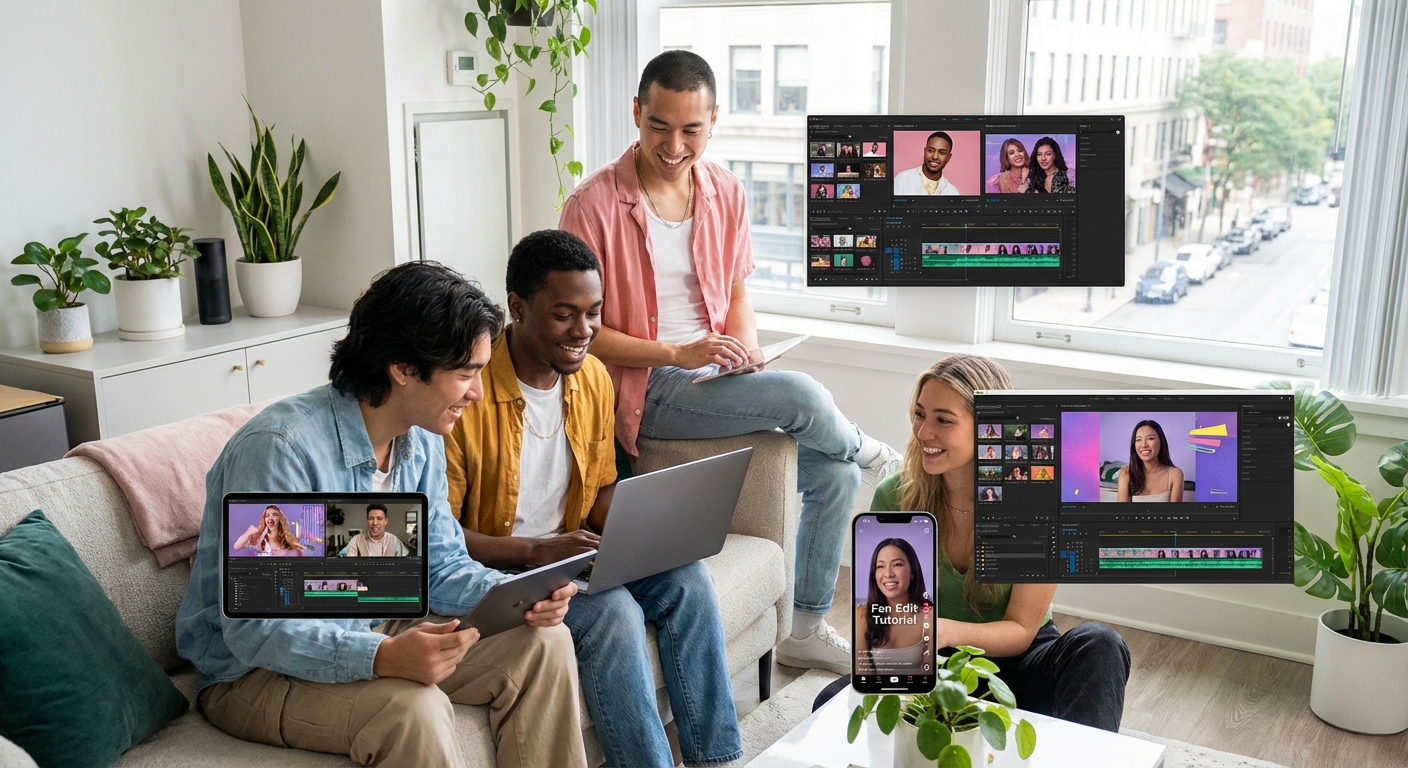
- Edit and color grade yourself. Free software like DaVinci Resolve and CapCut gives you professional results.
- Submit to at least ten festivals, including at least three micro-festivals. Many offer free entry for early bird or student submissions.
- Build a social media presence before your premiere. Post consistently for at least three months before your release date.
- Use a hybrid distribution strategy. Release on a streaming platform like Amazon Direct, but also offer a free YouTube premiere to generate word of mouth.
Mistakes to Avoid When Pitching Your Indie Film
Even with the best movie, a bad pitch can kill your chances. Here are common pitfalls and how to avoid them.
| Mistake | Why It Hurts | Better Approach |
|---|---|---|
| Sending a 10-page synopsis | Readers don’t have time. They want a single paragraph. | Write a logline of 25 words or less. Then add one paragraph of context. |
| Ignoring the audience | A great film with no target market won’t sell. | Define your ideal viewer. Age, interests, where they hang out online. |
| Pitching without a trailer | Words can’t show visual style. | Have a 60-second proof-of-concept clip ready. |
| Asking for too much money upfront | Investors want proof you can deliver on a small budget. | Start with a micro-budget first project to build a track record. |
| Not having a marketing plan | Distributors want to know who will watch. | Outline your social media strategy, budget for ads, and list potential partners. |
Expert Advice from Industry Insiders
I spoke with Sarah Kim, a distribution strategist who helped two indie films cross $10 million in 2026. Her advice is direct.
“Stop trying to make a movie that looks like a studio film. Lean into your limitations. The grain, the natural light, the imperfect sound. That’s what audiences love about indie cinema. They want to feel like they’re discovering something. If your film looks too polished, it loses that magic. Also, build your audience before you ask for money. If you have 10,000 followers who care about your project, a distributor will notice. That’s more valuable than a fancy pitch deck.”
That sentiment echoes across the industry. Authenticity wins over slick production.
The Future of Indie Cinema Beyond 2026
The indie film comeback in 2026 isn’t a one-year phenomenon. It’s the result of structural changes that will keep gaining momentum. Production costs will continue to drop. Distribution gatekeepers will keep losing power. And audiences will keep craving stories that don’t feel manufactured by committee.
We are also seeing the rise of collaborative filmmaking collectives. Groups of five or six directors pool resources, share equipment, and cross-promote each other’s work. In 2026, several collectives have successfully launched their own mini-streaming channels on platforms like Patreon and Ko-fi. This model allows filmmakers to keep creative control and earn a sustainable income.
The biggest wildcard is AI. Some indie filmmakers are already using AI tools to generate storyboards, design posters, and even write marketing copy. But the core of indie filmmaking remains human. No algorithm can replace the raw emotion of a real story told with passion.
Your Part in the Comeback
The indie film comeback in 2026 is happening because people like you are choosing to watch, share, and make independent films. Every ticket you buy, every Twitter thread you retweet, every short film you stream adds fuel to the fire. If you’re a filmmaker, the door is wider than it has been in decades. Grab a camera. Write something personal. Share it with the world. The audience is waiting.
And if you’re a fan, keep seeking out those small movies. They need your eyeballs and your word of mouth. Together, we can make sure 2026 is remembered not just as the year indie films came back, but the year they never left again.












Post Comment