Is Fast Fashion Really Over? The Truth Behind Sustainable Style for Teens
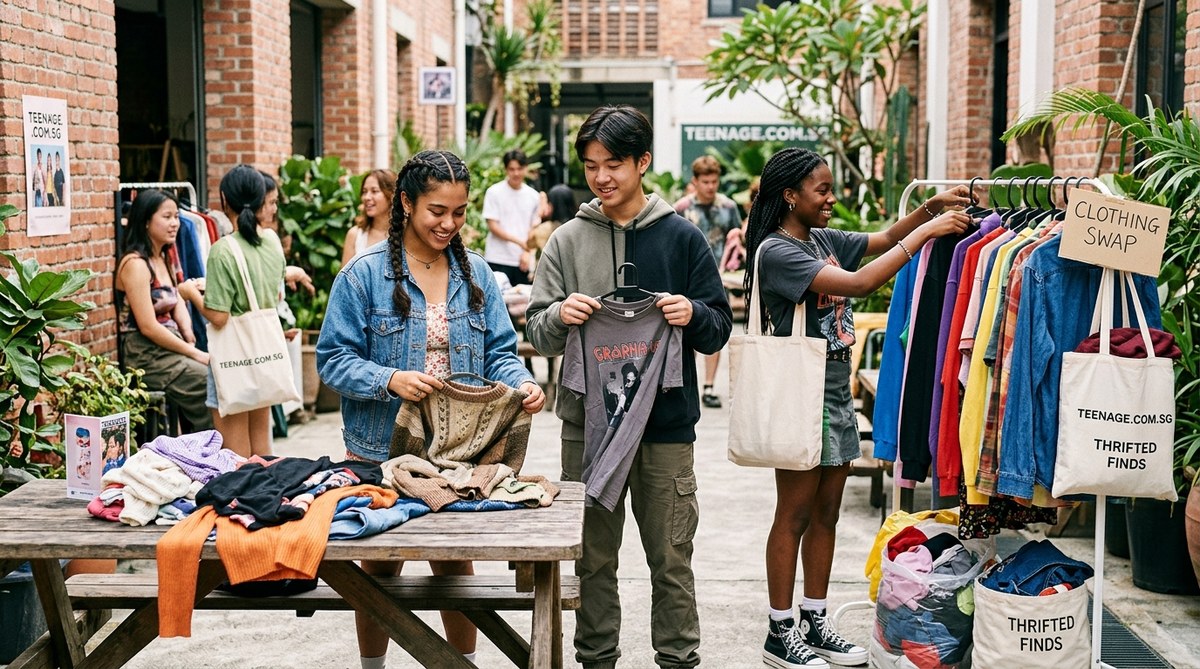
This afternoon, you scroll past another Instagram Reel claiming that fast fashion is “dead” or that “sustainable fashion is the only way to go.” It sounds inspiring, but is it actually true? Big brands are still pumping out thousands of new styles every week. The secondhand market is exploding, but so is the production of cheap polyester. So where does that leave the average teen who wants to dress well without wrecking the planet? Let’s break down what’s really happening with fast fashion in 2026 and how you can build a wardrobe that feels good, looks good, and does good.
Fast fashion isn’t over, but the rules are changing. Teens today have more power than ever to choose sustainable style without breaking the bank. By mixing thrifted gems with a few intentional new pieces, learning basic care tricks, and supporting brands that prioritize transparency, you can create a personal style that’s both trendy and kind to the environment. Small swaps add up to real impact.
What Fast Fashion Looks Like Right Now
The short answer: fast fashion hasn’t disappeared. In fact, some of the biggest names are still producing at insane volumes. But there’s a shift happening beneath the surface.
Younger shoppers are driving the change. According to a 2026 consumer report, nearly 68 percent of Gen Z buyers consider sustainability before pulling the trigger on a purchase. That number keeps climbing. Brands notice. Some are launching “eco” lines, using recycled materials, or promising carbon neutrality. But here’s the catch: many of these efforts are just surface-level marketing. True sustainability means producing less, not just greenwashing the same old cycle.
On the flip side, platforms like Depop, Vinted, and local thrift stores have become the new malls for teens. The resale market grew by more than 30 percent last year alone. That’s not a trend that fades. It’s a cultural shift toward valuing uniqueness over mass production.
Why Teens Are Leading the Charge
You might be wondering why teens specifically are so into this movement. Let’s be real: it’s partly about aesthetics. Vintage and thrifted pieces look one-of-a-kind. They let you stand out from the crowd in a sea of identical Shein tops. But there’s also a deeper reason.
Climate anxiety is real. Many teens feel the weight of environmental news every day. Choosing sustainable style is one way to reclaim a sense of control. It’s a small but visible action that aligns with your values. And it looks cool on your feed.
A study from early 2026 found that 4 out of 5 teens feel proud when they get compliments on a thrifted outfit. That social reward reinforces the behavior. Suddenly, secondhand isn’t “cheap” anymore. It’s smart, stylish, and responsible.
The Biggest Mistakes Teens Make When Trying to Be Sustainable
Let’s be honest: nobody is perfect. Even the most eco-conscious teen slips up sometimes. The goal isn’t to be flawless, it’s to make better choices more often. Here are the most common slip-ups and how to avoid them.
| Mistake | Why It Happens | Better Approach |
|---|---|---|
| Buying a “sustainable” shirt just because it’s on sale | The discount tricks you into thinking it’s a win | Ask yourself: will I wear this 30 times? If not, skip it. |
| Throwing old clothes in the regular trash | Convenience | Use textile recycling bins or donate to organizations that accept worn items. |
| Hoarding clothes “just in case” | Sentimental attachment | Keep a one-in-one-out rule. For every new piece, let go of one. |
| Falling for greenwashing buzzwords like “eco-friendly” without proof | Marketing looks convincing | Look for certifications like B Corp, GOTS, or Fair Trade. Check brand transparency reports. |
| Buying new “sustainable” items when you have perfectly good clothes already | The thrill of shopping | Repair, alter, or restyle what you own first. |
A Simple System to Build a Sustainable Wardrobe on a Student Budget
You don’t need a lot of money to dress sustainably. You just need a mindset shift and a few repeatable steps. Here’s a three-step process that works for any teen.
-
Audit your current closet. Pull everything out. Sort into three piles: love it, maybe, and never wear. Be ruthless. Keep only the love pile. The maybe pile gets stored for 30 days. If you don’t miss anything, donate it. The never pile goes straight to donation or recycling. This step frees up mental space and shows you what you actually need.
-
Define your personal style. Before you buy anything new, figure out the look you want. Create a Pinterest board or a private Instagram collection. Note the colors, fits, and vibes that keep appearing. This helps you avoid impulse buys that don’t match your wardrobe personality. Think of it as a style compass.
-
Shop secondhand first. Head to thrift stores, consignment shops, or online resale apps. Look for high-quality fabrics like cotton, linen, wool, and denim. Check for stains, loose buttons, or worn seams. If you find a piece you love but it needs a small fix, learn a basic stitch or take it to a tailor. Often the cost of repair is way less than buying new.
If you absolutely need something new, do research. Support brands that produce in small batches, use sustainable materials, and share their supply chain. Avoid anything that moves from runway to rack in under two weeks. That’s the true hallmark of fast fashion.
Expert Advice That Every Teen Should Hear
“The most sustainable garment is the one already in your closet. Every time you choose to rewear, repair, or restyle something you already own, you prevent the entire lifecycle of a new product from starting. That includes raw material extraction, manufacturing, shipping, and eventual waste. Your personal style is powerful enough to change the industry, one outfit at a time.” — Maya R., fashion sustainability educator and Gen Z activist
That quote nails it. Real change doesn’t start with a perfect shopping list. It starts with wearing what you have with pride.
Practical Ways to Make Your Clothes Last Longer
Extending the life of your clothes is one of the highest impact actions you can take. And it’s easier than you think.
- Wash less often. Most clothes don’t need washing after one wear. Spot clean or air them out instead.
- Use cold water and gentle cycles. Heat damages fibers and fades colors.
- Air dry instead of using the dryer. It saves energy and keeps fabrics from shrinking.
- Learn three basic stitches: a running stitch, a backstitch, and a whipstitch. These will let you fix a ripped seam, replace a button, or hem pants.
- Store items properly. Fold knits to avoid stretching. Hang structured pieces on padded hangers.
These habits take almost no extra time once you get used to them. And they can double the lifespan of your favorite pieces.
What About Brands That Claim to Be Sustainable?
Here’s where you need to pay attention. Not all “sustainable” labels are created equal. Some brands use recycled polyester, which is better than virgin polyester but still sheds microplastics. Others offer repair programs or take back old clothes. A few are truly transparent about their factories and wages.
To help you navigate, here’s a short checklist to run through before you buy from a new brand:
- Do they publish a list of their factories or suppliers?
- Do they use third party certifications like B Corp, GOTS, or OEKO-TEX?
- Do they produce limited quantities per style? (Look for “small batch” or “made to order”)
- Do they provide detailed care instructions to extend garment life?
- Do they have a repair, resell, or take back program?
If the answer is “no” to most of these, that “sustainable” label might be just a sticker.
How to Stay Inspired Without Falling for Fast Fashion Temptation
Let’s face it: the algorithm is working against you. Every scroll shows you something shiny and cheap. The key is to redirect that energy into creativity instead of consumption.
Try these fun alternatives:
- Host a clothing swap with your friends. Everyone brings 5 to 10 items they no longer wear. Trade and refresh your wardrobe for free.
- Challenge yourself to a “30 wears” rule. Before buying anything, ask if you can see yourself wearing it 30 times. If the answer is no, it’s probably not a keeper.
- Follow thriftfluencers and sustainable style accounts on TikTok and Instagram. They show you how to style secondhand finds into looks that rival any catalog.
- Try shopping at pop up events and night markets that focus on pre-loved and local brands. These events make thrifting a social experience rather than a chore.
For more inspiration, check out how to build a capsule wardrobe on a student budget or 7 styling hacks that make thrifted clothes look expensive. These resources turn sustainable style into something exciting and achievable.
The Real Role of Social Media in This Shift
Social media gets blamed for fueling fast fashion, and that’s partly fair. But in 2026, it’s also the main driver of the slow fashion movement. Teens use TikTok to show off thrift hauls, repair tricks, and outfit repeating. The hashtag #secondhandseptember trends every year. Accounts dedicated to “underconsumption core” are gaining millions of views.
The key is to curate your feed intentionally. Unfollow accounts that constantly push Hauls from ultra fast fashion brands. Follow people who focus on quality over quantity. You’ll start to internalize those values without even trying.
When It’s Okay to Buy New (Without Guilt)
Here’s an honest truth: you don’t have to go 100 percent thrifted to be sustainable. That’s an unrealistic standard that only leads to burnout. It’s okay to buy new items sometimes.
Focus your new purchases on pieces that are hard to find secondhand: underwear, socks, basic tees that fit perfectly, or technical outerwear. When you do buy new, invest in timeless styles and high quality fabrics. A well made denim jacket or a pair of leather boots can last a decade. That’s the opposite of fast fashion.
What the Future Holds for Teen Style
The industry is still catching up with teen values. We’re seeing more rental services, clothing libraries, and subscription boxes focused on circular fashion. Big names are starting to take responsibility for their waste, but only because they feel pressure from consumers like you.
Every dollar you spend is a vote. Every time you choose thrifted over new, repair over replace, and slow over fast, you send a signal. Brands listen to money. When enough teens vote with their wallets, the system has to change.
You don’t need to be perfect. You just need to be intentional. Start with one swap. One repair. One thrifted find. That momentum will carry you forward.
Your Next Step Toward Smarter Style
So, is fast fashion really over? No, not yet. But it’s on its way out, and you are helping to push it. The shift toward sustainable style for teens isn’t a fad, it’s a movement built on awareness, creativity, and the desire to do better.
Start today. Open your closet. Pick one piece you haven’t worn in months and style it a new way. Or visit a local thrift store with a list of three items you actually need. Small choices repeated over time create real change. You’ve got this.











Post Comment