The New Trend of ‘Third Spaces’: Where US Teens Are Hanging Out in 2026
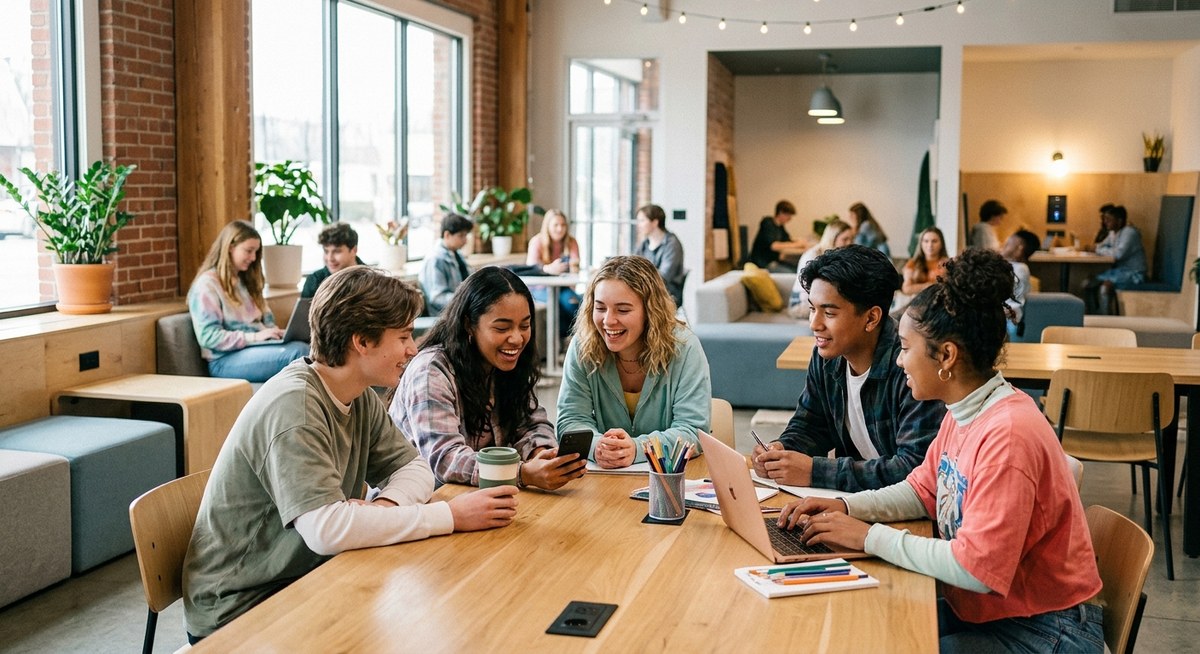
It’s Saturday afternoon and your teenager isn’t at the mall or on the couch. They’re at a hybrid bookstore with a coffee bar, a record store that hosts open mic nights, or a community garden with a beanbag corner. These are the new third spaces for teens in 2026 — places that aren’t home or school, but feel like theirs. After years of digital hangouts and shrinking public options, a fresh wave of inclusive, low-pressure gathering spots is popping up across the United States. And the best part? They’re designed by and for young people.
Third spaces for teens in 2026 go beyond old coffee shops and malls. Think community libraries with teen lounges, pop up art studios, after hours rec centers, and indie theaters with hangout zones. These places fight loneliness, boost social skills, and give teens ownership. Parents and planners can help by funding flexible spaces and listening to youth voices.
What Exactly Is a Third Space for Teens?
Sociologist Ray Oldenburg coined “third place” back in the 1980s to describe informal public spots outside home (first place) and work or school (second place). For teens in 2026, a third space is any welcoming environment where they can gather without spending much money, being judged, or following a strict schedule. It’s a place where they can be themselves, talk to friends, meet new people, or just exist quietly.
The key ingredients are simple: low cost (ideally free), open hours that match teen schedules, and a vibe that feels owned by the teens themselves. No hovering adults, no sales pressure, no assignment due.
Why Teens Need Third Spaces Now More Than Ever
The pandemic left a lasting mark on social habits. Many teens in the US lost years of casual hangout time. By 2026, they are craving real world connection more than any generation before. Screens are everywhere, but loneliness is still high. A third space offers an offline oasis where friendships can form naturally.
Teens also face more structured time than ever. School, sports, tutoring, and extracurriculars fill the calendar. Third spaces provide unstructured time that is crucial for developing social cues, negotiation skills, and a sense of belonging. Without them, many teens retreat into their phones or feel isolated at home.
“The best third space is one where teens feel ownership, not surveillance. When we let them decide how the space works, they show up, they care for it, and they invite others.” — Dr. Amanda Lee, youth development researcher at UCLA
The 2026 Third Space Crash Course: Where US Teens Are Actually Hanging Out
Forget the tired list of fast food joints and old school arcades. Here’s where the real action is happening right now:
- Hybrid bookstores and record shops that have a listening station, a reading nook, and a cafe. Teens can browse, chat, or study without being rushed out.
- After hours recreation centers that stay open until 10 PM or later on weekends, offering open gym, gaming consoles, art supplies, and couches.
- Indie movie theaters with a lounge that screens cult classics and foreign films, then lets teens stay after to talk about the movie over snacks.
- Community gardens with a seating area where teens can learn to grow food, hang out, or hold small events. Some even have free Wi-Fi.
- Pop up art studios that rotate every month, hosted in empty storefronts. Teens can paint, make zines, or just watch others create.
These spaces thrive because they are low pressure. No one has to buy anything. No one is checking IDs or enforcing a dress code. They exist because someone listened to what teens actually wanted.
How to Find or Create Your Own Third Space
Not every town has a hip bookstore or a teen center. But often, a third space is hiding in plain sight — or waiting to be started. Here is a step by step process:
- Map what’s already around you. Walk or bike around your neighborhood. Look for libraries, community centers, churches with youth rooms, or cafes that don’t mind groups sitting for an hour.
- Visit during off peak hours. The best third spaces are not crowded with adults. Try a library on a Friday night when most people are at dinner. Many libraries in the US now have dedicated teen zones with games, computers, and lounge furniture.
- Ask a local business owner if you can start a “stay and chat” rule. Some independent cafes are open to teens coming in after school if they agree to buy one cheap drink. Offer to clean up or help with tasks in exchange.
- Check your city’s recreation department calendar. Many cities offer free “late night” programming at rec centers specifically for middle and high school students. If yours doesn’t, attend a city council meeting and ask for one.
- Start your own pop up. All you need is a park bench, a few blankets, and a permission slip from your school. A blanket fort in the park can be a third space for the afternoon.
Third Spaces vs. The Mall: A Side-by-Side Comparison
| Feature | Old School Mall Hangout | 2026’s New Third Space |
|---|---|---|
| Cost | Pressure to buy food or items | No purchase necessary |
| Safety | Security guards, shoplifting suspicion | Welcoming staff, clear boundaries |
| Hours | Close at 9 PM usually | Often open later, especially on weekends |
| Vibe | Commercial, brightly lit, noise | Calm, customizable, often music optional |
| Independence | Teens are watched as customers | Teens are treated as community members |
| Social Mix | Mostly other shoppers | Diverse ages and interests |
Common Mistakes Adults Make When Planning Third Spaces
It’s great when parents, educators, or urban planners try to create a third space. But sometimes they miss the mark. Here are the most common errors and how to fix them.
| Mistake | Better Approach |
|---|---|
| Designing the space without asking teens | Hold a focus group or an online poll. Let teens choose furniture, decor, and activities. |
| Making it too structured | Leave room for free time. A schedule of events is fine, but also allow aimless hanging out. |
| Charging a fee or requiring sign up | Keep entry free and drop in. Paperwork kills spontaneity. |
| Putting adults in charge of behavior | Hire youth staff or use a peer mediation model. Teens listen to each other more. |
| Cleaning it too much or too little | Let teens help clean. A lived in space feels owned. Spotless feels like a museum. |
How Parents, Educators, and Planners Can Help
You don’t have to open a full youth center. Small actions can make a huge difference.
- Parents: Give your teen a small budget to visit a local third space once a week. Drive them there and pick them up, but don’t stay. Trust them to socialize on their own.
- Educators: Turn an unused classroom or a corner of the library into a “chill zone” after school. Stock it with board games, art supplies, and comfy chairs. Let students run it.
- Urban planners: Include teen specific spaces in new developments. Add benches with shade, public Wi Fi, and power outlets in parks. Fund pop up grants for teen run events.
If you want to understand what teens really need, check out articles like why Gen Z is ditching hustle culture or how to stop comparing your life to everyone’s Instagram highlight reel. These insights help build spaces that respect teen mental health, not just provide entertainment.
The Future of Teen Social Life Depends on Intentional Spaces
Third spaces for teens aren’t a luxury. They are a necessity for healthy development, community belonging, and real friendship. In 2026, the best ones are created with teenage input, free of commercial pressure, and open after the school bell rings. Whether it’s a library teen zone, a late night rec center, or a pop up art studio, the message is the same: you belong here, just as you are.
Next time you see a group of teens laughing on a bench or hanging out at a bookstore with no laptops open, don’t rush them. That bench, that store, that moment is doing more for their social health than a thousand likes ever could. And if your community doesn’t have a spot yet, you now know exactly how to start building one.










Post Comment