Why You Should Be Using Sunscreen Every Day (Even in Winter)

You grab your coat, your scarf, maybe a beanie. The air is crisp, the sun is low, and the last thing on your mind is sunscreen. It makes sense. When temperatures drop and the sky stays gray, it feels like the sun has taken a vacation. But those UV rays? They don’t get a winter break. In fact, they can be sneakier than ever. Snow reflects up to 80% of UV radiation, meaning you can get hit from below as well as above. And UVA rays, the ones that cause premature aging and contribute to skin cancer, stay consistent all year round, even cutting through clouds. So before you toss your SPF into the back of your bathroom drawer, let’s talk about why wearing sunscreen in winter is just as important as wearing it in July.
UV rays don’t disappear in winter. UVA rays penetrate clouds and glass, causing wrinkles and skin cancer risk year-round. Snow can double your exposure by reflecting UV. You need a broad-spectrum SPF 30+ every day, even when it’s overcast or you’re indoors near windows. Choose a hydrating formula to avoid dry skin. Make it a non-negotiable part of your morning routine, and your future self will thank you.
Why Winter Sun Is Still a Threat
You might think that because the air feels cold, the sun is weaker. That’s a common myth. The UV index often drops in winter, but that number only measures UVB rays, the ones that cause sunburn. UVA rays, which make up 95% of the UV radiation that reaches Earth, stay pretty constant all year. They don’t depend on heat or sunshine. They cut through clouds, through fog, and even through car windows.
And if there’s snow on the ground, the danger multiplies. Fresh snow acts like a mirror. It can reflect up to 80% of UV rays, so you’re getting hit from two directions. Skiers, snowboarders, and anyone who spends time outdoors in winter knows this well. But even a walk to class on a snowy campus can expose your face and neck to more UV than you’d get on a summer day in the shade.
The Real Risks: More Than Just Sunburn
We associate sun damage with red, peeling skin. But sunburn is only the visible symptom. The real trouble is invisible and cumulative. Every time UV rays hit your skin, they cause changes at the DNA level. Over time, these changes can lead to skin cancer, the most common cancer in the United States. One in five Americans will develop skin cancer by age 70. And it’s not just older adults. Melanoma is one of the most common cancers in young adults, especially women under 30.
Then there’s premature aging. Dermatologists call it photoaging. UVA rays break down collagen and elastin, the proteins that keep your skin firm and smooth. That leads to fine lines, wrinkles, and dark spots. A study from the New England Journal of Medicine famously showed a truck driver who had more wrinkles on the side of his face that got sunlight through the window. That’s what daily, unprotected UV exposure does over years.
Winter gives you a false sense of security. You don’t feel the burn, so you think you’re safe. But the damage is still happening, quietly.
Common Winter Sunscreen Misconceptions
Let’s clear up a few myths that keep people from protecting their skin in colder months.
- “It’s cloudy, so I don’t need SPF.” Up to 80% of UV rays can penetrate cloud cover. You can still get a sunburn on an overcast day.
- “I’m indoors most of the day.” UVA rays pass through glass. If you sit by a window in class, at a coffee shop, or in your car, you’re getting exposed.
- “Winter sun is less intense.” UVB may be lower, but UVA is consistent. UVA is what causes aging and cancer risk.
- “Sunscreen feels sticky and makes my skin dry.” Modern formulas, especially those designed for winter, include hydrating ingredients like hyaluronic acid and glycerin. They can actually help your skin barrier.
- “I have dark skin, so I don’t need it.” Everyone, regardless of skin tone, needs sun protection. Melanin offers some natural protection (about SPF 4), but it’s not enough. Skin cancer occurs in all skin types, and it’s often diagnosed later in people with darker skin, making it more dangerous.
How to Choose the Right Sunscreen for Winter
Not all sunscreens are created equal. For winter, you want something that protects against both UVA and UVB (broad spectrum) and doesn’t dry out your skin. Here’s a comparison of common options.
| Sunscreen Type | Best For | Winter Pros | Winter Cons |
|---|---|---|---|
| Mineral (zinc oxide, titanium dioxide) | Sensitive skin | Sits on top, reflects UV; less irritation | Can feel thick or leave a white cast; may need more moisture underneath |
| Chemical (avobenzone, octisalate) | All skin types | Lightweight, absorbs easily | Some ingredients can sting sensitive skin; might not provide enough moisture |
| Hybrid (mineral + chemical) | Combination skin | Balances protection and feel | May cost more; still not always hydrating enough |
| Moisturizer with SPF | Daily wear | Two-in-one, saves time | Often lower SPF (15-30); might not be water-resistant for outdoor activities |
For most winter days, a moisturizer with SPF 30 that is broad spectrum is perfect. If you’re spending time outdoors, skiing, or walking in snow, go for a water-resistant formula with SPF 50. Look for labels that say “broad spectrum” and “UVA/UVB protection.” Also check for hydrating ingredients like niacinamide, ceramides, or squalane.
And don’t forget your lips. Lips can burn too. Use a lip balm with SPF 15 or higher.
A Simple Winter Sunscreen Routine You Can Actually Stick To
Consistency is everything. If your routine takes more than two minutes, you might skip it. Here’s a realistic process that works even on busy mornings.
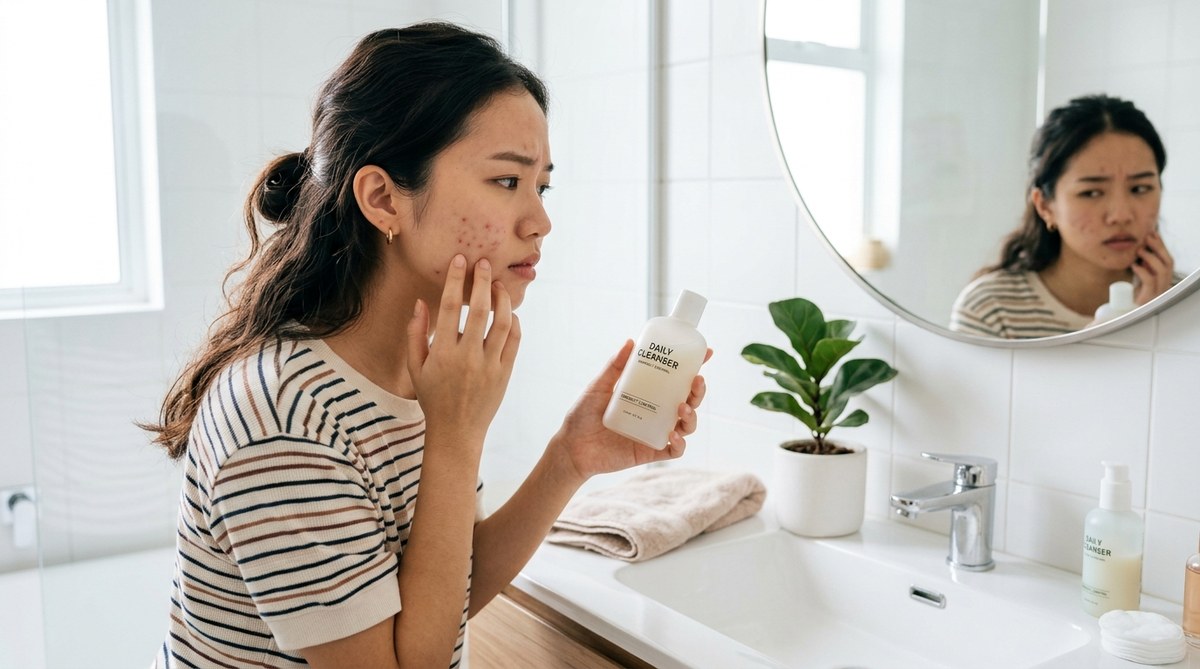
- Wash your face with a gentle cleanser. No need for anything harsh in winter when skin is already dry.
- Apply a moisturizer. If you’re using a separate moisturizer with SPF, skip this. But if your SPF is in a separate product, put moisturizer on first.
- Apply sunscreen. Use about a nickel-sized amount for your face and neck. Rub it in evenly, including your ears and the back of your neck.
- Don’t forget your hands. The backs of your hands show age just as much as your face. Put SPF on them or use a hand cream with SPF.
- Reapply if needed. If you’re outside for more than two hours, reapply. For a normal school or work day indoors, one application in the morning is usually enough (unless you sit near a window for hours).
That’s it. Five steps, maybe 90 seconds. You can do it while your coffee brews.
“The single most effective anti-aging strategy is daily sunscreen use. It’s not about pricey creams or serums. It’s about preventing damage before it starts.”
Dr. Whitney Bowe, board-certified dermatologist
What About Your Body?
Your face gets a lot of attention, but your body needs protection too. Any skin that’s exposed when you’re outside should have SPF. That might be your hands, your neck, and sometimes your ears. If you’re hitting the slopes or even just going for a jog, cover up with clothing and apply sunscreen to any exposed areas. Many athletic brands now make base layers with UPF (Ultraviolet Protection Factor) built in. That’s a great option if you hate the feel of sunscreen on your arms.
And if you’re inside all day, don’t think you’re off the hook. UVA rays travel through windows. If you work or study next to a window, you’re getting a daily dose of aging radiation. Pull the blinds or apply a tinted sunscreen that doubles as a makeup base.
How Winter Dry Skin Affects Sunscreen Choice
Winter air is dry. Indoor heating makes it worse. Your skin barrier can get compromised, leading to flakiness and irritation. Some sunscreens, especially mineral ones, can make that worse if they aren’t formulated well. Look for sunscreens labeled “hydrating” or “moisturizing.” Ingredients like glycerin, hyaluronic acid, and ceramides help keep your skin barrier intact while protecting you from UV.
Avoid sunscreens with alcohol high on the ingredient list. They evaporate quickly and can strip moisture. If you have acne-prone skin, you can still use sunscreen. Many modern formulas are non-comedogenic (won’t clog pores). Gel-based sunscreens or those labeled “oil-free” might work better for you.
If you want to take your skincare game further, check out our guide on how to build a simple morning skincare routine in under 5 minutes. It includes SPF as the final step.
Make It a Habit, Not a Chore
The hardest part about using sunscreen in winter is remembering. Your brain associates SPF with summer, beach trips, and sweat. You have to reprogram that association. Link sunscreen to something you already do every morning, like brushing your teeth or making coffee. Keep your bottle on the bathroom counter next to your toothbrush. Or keep a travel size in your backpack for midday touch-ups.
Another idea: use a moisturizer that already contains SPF. That way you don’t have to think about an extra step. Just apply your moisturizer and you’re done. Brands like CeraVe, La Roche-Posay, and Supergoop make excellent everyday SPF moisturizers that feel light and smell neutral.
Make it a game with your friends. Challenge them to a “30-day winter SPF streak.” Whoever misses the fewest days buys coffee. Accountability makes habits stick.
Your Skin Is Worth the Effort
You don’t need a 12-step routine. You don’t need expensive products. What you need is one simple habit that protects your skin for decades. Skin cancer is preventable, and premature aging is largely preventable too. The choices you make today, when you’re young, determine how your skin looks and functions when you’re older.
Winter is not a pass. It’s a chance to build discipline without the distraction of sweating sunscreen into your eyes. So grab that bottle, put it next to your moisturizer, and commit. Your future skin will look brighter, smoother, and healthier. And you’ll never have to wonder if you’re doing enough. You already know.
Now go apply that SPF.













Post Comment